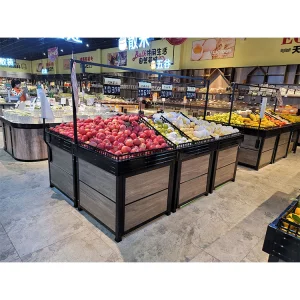
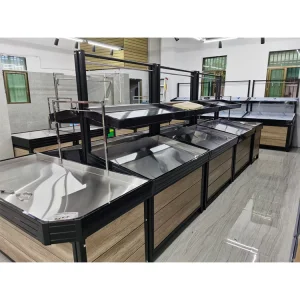
Engineered for high visibility, durability, and moisture-controlled environments across Seattle grocers.
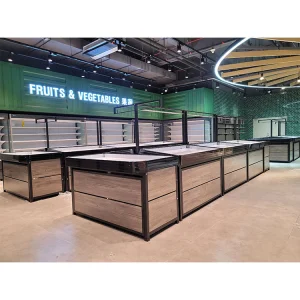
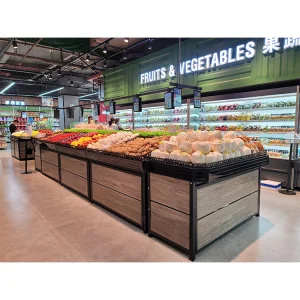
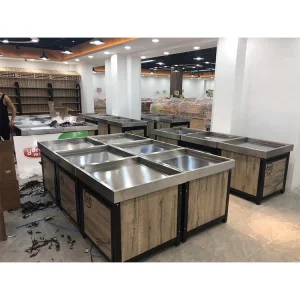
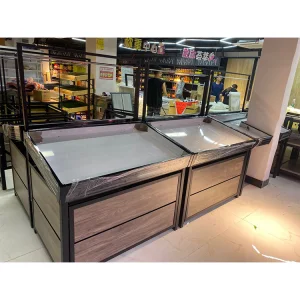
The Seattle metropolitan area represents one of the most sophisticated grocery and fresh produce retail environments in North America. Driven by a highly conscious consumer base prioritizing organic goods, farm-to-table traceability, and environmental sustainability, local supermarkets, organic co-ops, and independent grocers face unique operational challenges. To succeed in this competitive landscape, retail infrastructure—specifically vegetable and fruit display shelves—must transcend basic utility and deliver exceptional performance across ergonomics, structural integrity, and visual presentation.
Seattle's maritime climate brings distinct levels of ambient indoor humidity, particularly within fresh produce sections where water misting systems are constantly deployed to preserve product freshness. Traditional low-grade steel shelves rapidly degrade under these conditions, leading to rust, bacterial growth, and structural failures. High-quality raw materials, combined with precision anti-corrosion coatings, are absolute requirements. Ningbo Kelida Shelf Co., Ltd. addresses this challenge by utilizing advanced Q235 steel coupled with specialized electro-powder coating techniques. This creates an impermeable moisture barrier that resists the acidic compounds found in decaying organic material, ensuring long-term structural reliability and compliance with King County public health standards.
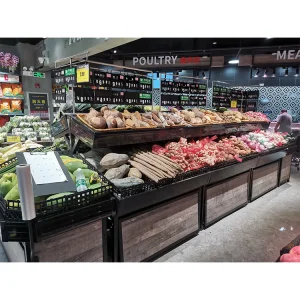
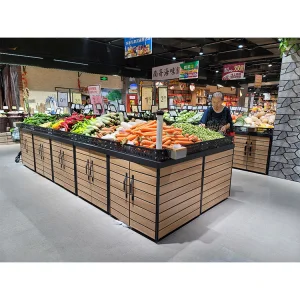
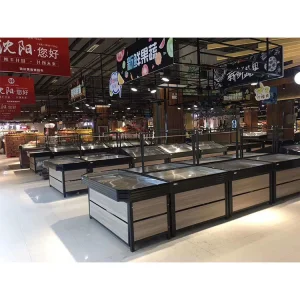
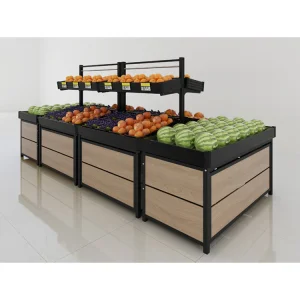
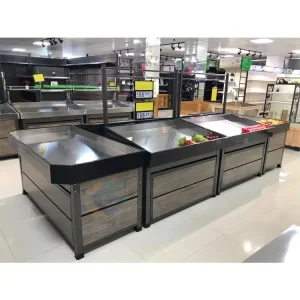
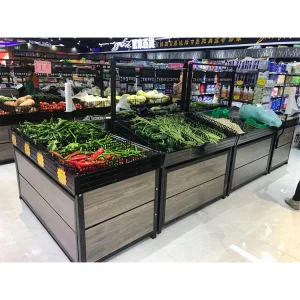
Seattle shoppers favor interactive, transparent purchasing experiences. Display systems must be designed to showcase produce without allowing the metal framing to visually overpower the vibrant colors of the fruits and vegetables. Multi-tiered, customizable angles allow grocers to arrange produce in cascading, dense patterns that suggest natural abundance, even with lower stock volumes. Wooden-gondola hybrid systems have become a staple for Seattle organic stores, offering the rustic appeal of local farms while utilizing the structural rigidity of steel frames underneath.
Engineered for indoor micro-farming, natural food stores, and custom supermarket floor plans.
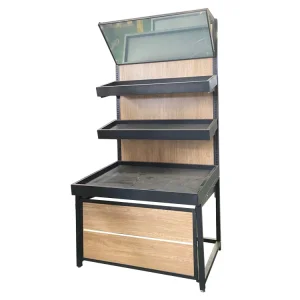
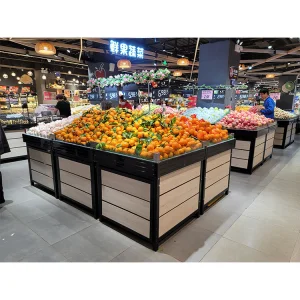
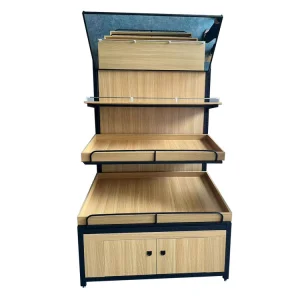
Sourcing commercial-grade racking and retail display shelving from China offers substantial economic and technical benefits, provided you partner with an enterprise that controls the entire production and quality assurance cycle. Ningbo Kelida Shelf Co., Ltd. bridge the gap between cost efficiency and premium structural integrity. Established in 2014, our operation blends heavy industrial capability with customized design flexibility.
Our experienced R&D team of 15 structural engineers is dedicated to innovating display mechanics and load distributions. Last year alone, Kelida introduced 35 new storage and shelving products designed to optimize retail layouts. We offer comprehensive customization options, including tailored load capacities, dynamic layout configurations for complex store geometries, and custom non-toxic, food-grade powder coatings that prevent bacterial buildup. Our CAD layout specialists can collaborate directly with Seattle architects and commercial contractors to draft precise spatial designs before production starts.
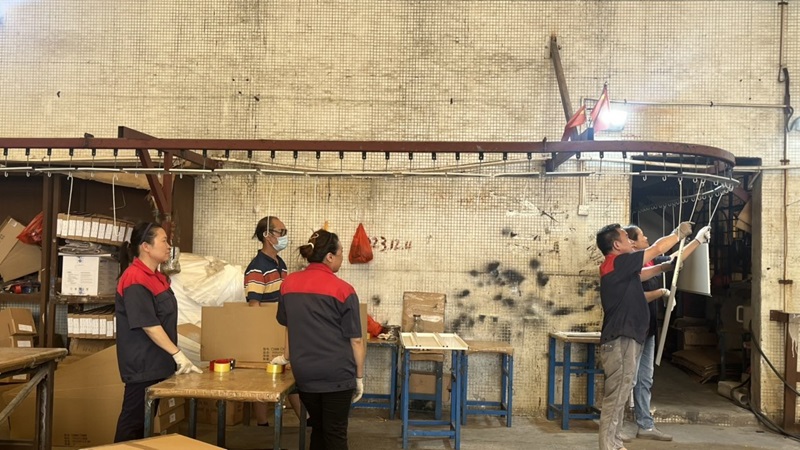
Quality control is not an afterthought; it is integrated into every phase of our manufacturing process. Backed by a dedicated quality assurance team of 22 QC specialists, we execute strict inspection protocols, including:
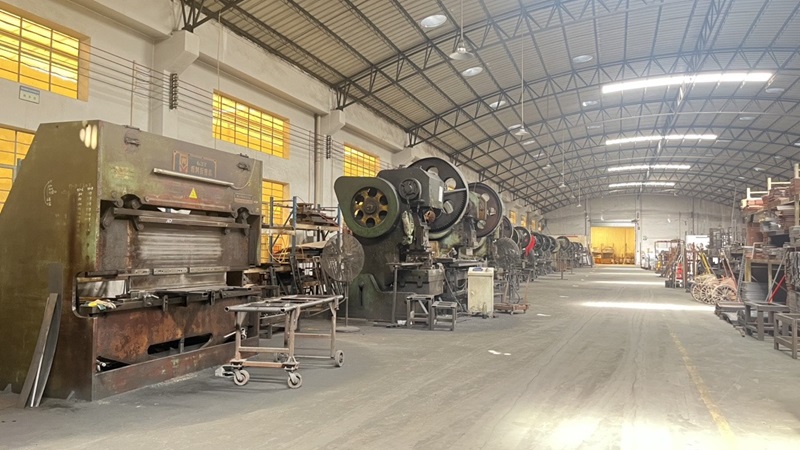
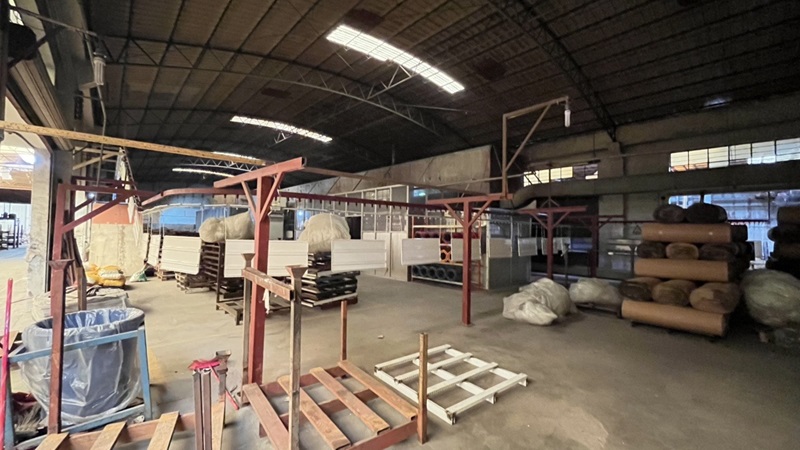
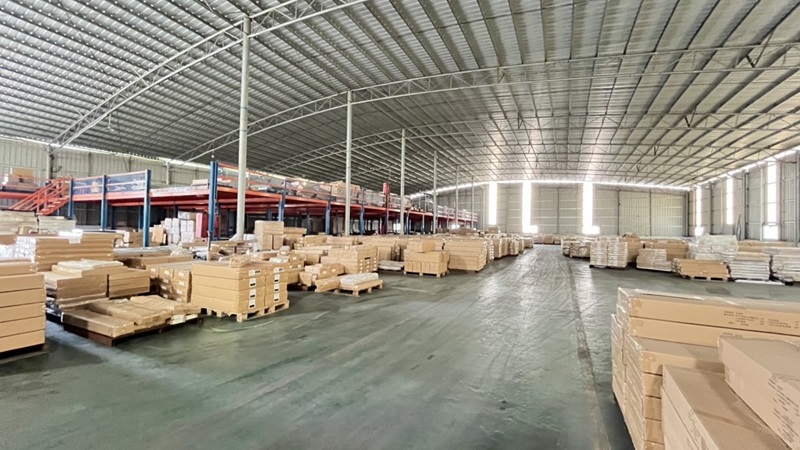
Operating a modern facility spanning 28,000 square meters in Ningbo, Kelida leverages an integrated supply chain network featuring over 650 qualified raw material and component partners. This large ecosystem allows us to purchase premium steel and sustainably sourced wood components at highly competitive prices, passing the savings to our global clients. With over 12 years of industry experience and 8 years of international trade expertise, we understand the logistical requirements of shipping directly to the Port of Seattle (NWSA), ensuring seamless customs clearing and timely delivery.
A transparent look inside Ningbo Kelida’s advanced production and engineering facilities.
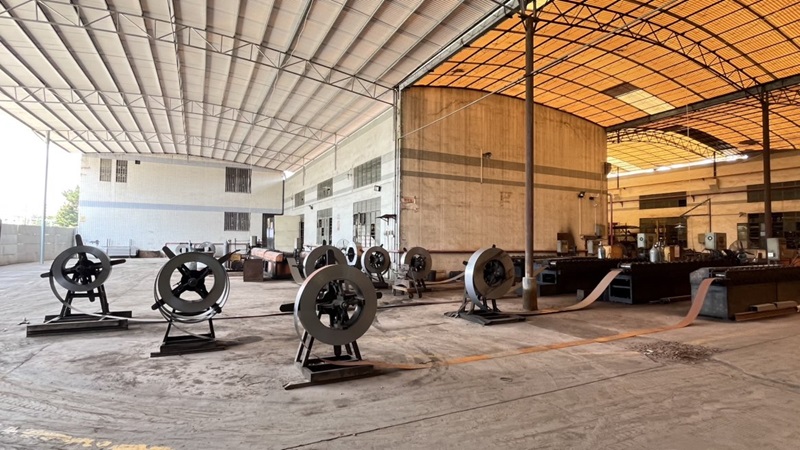
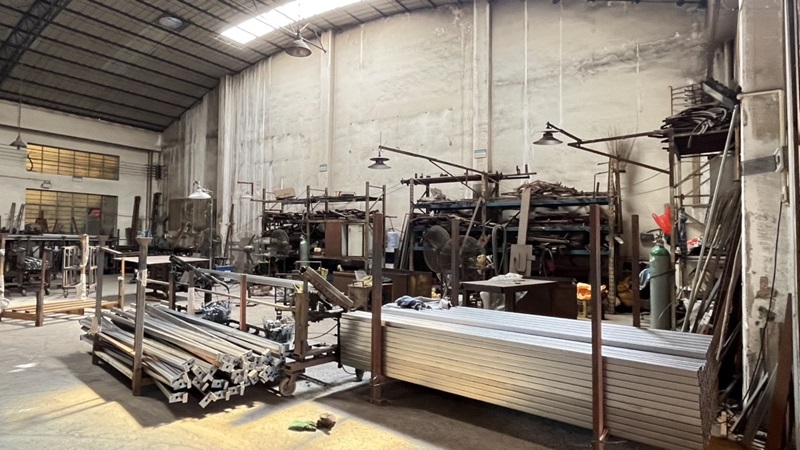
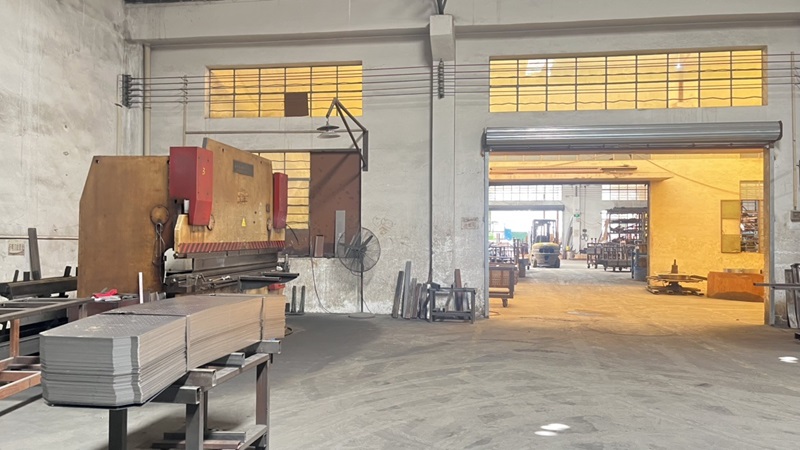
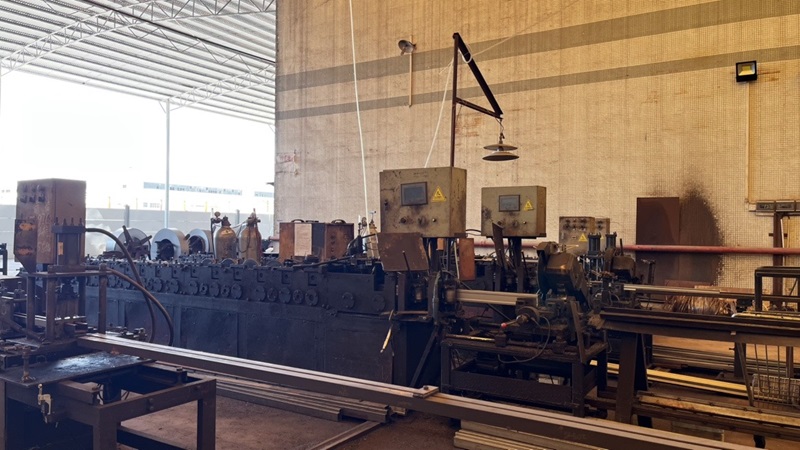
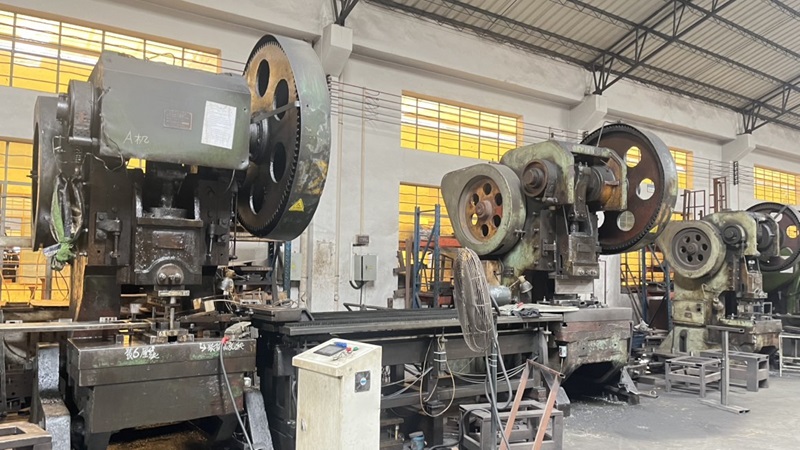
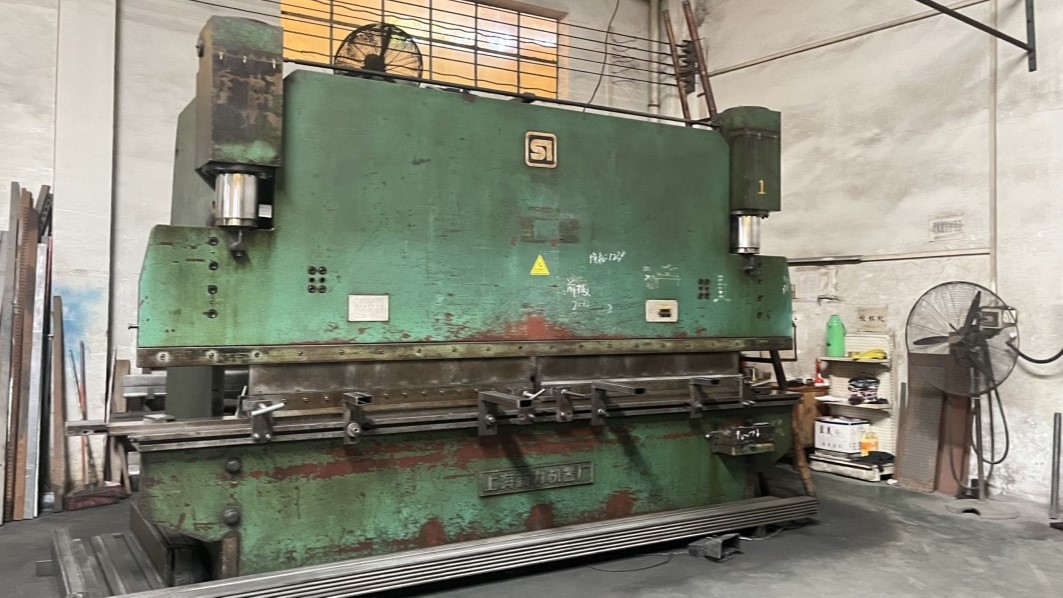
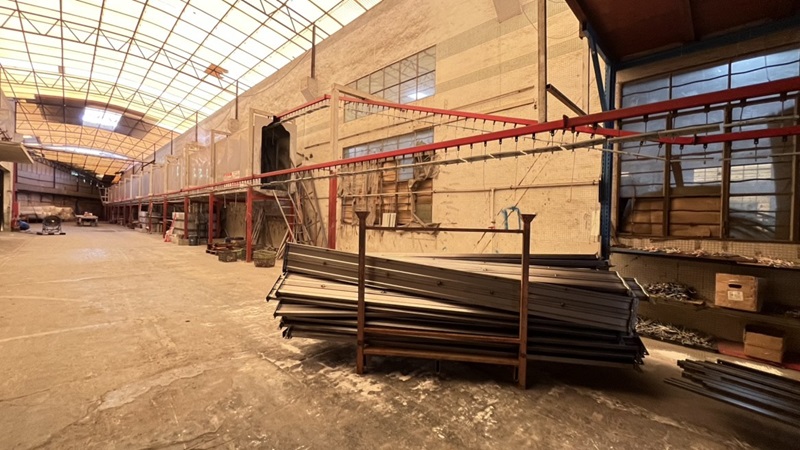
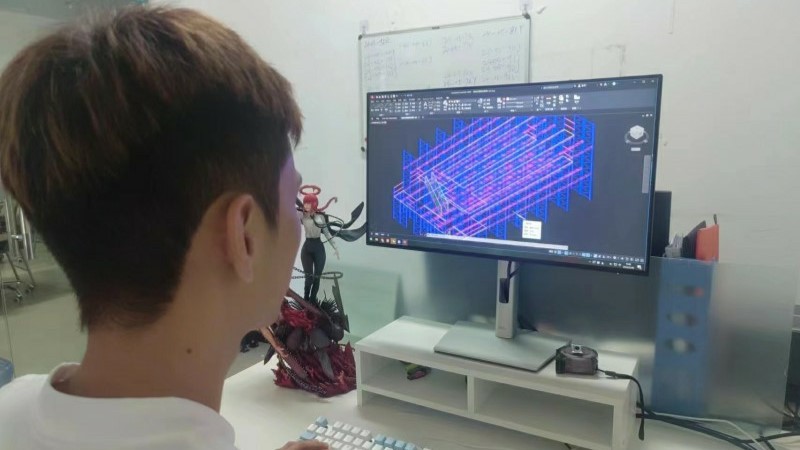
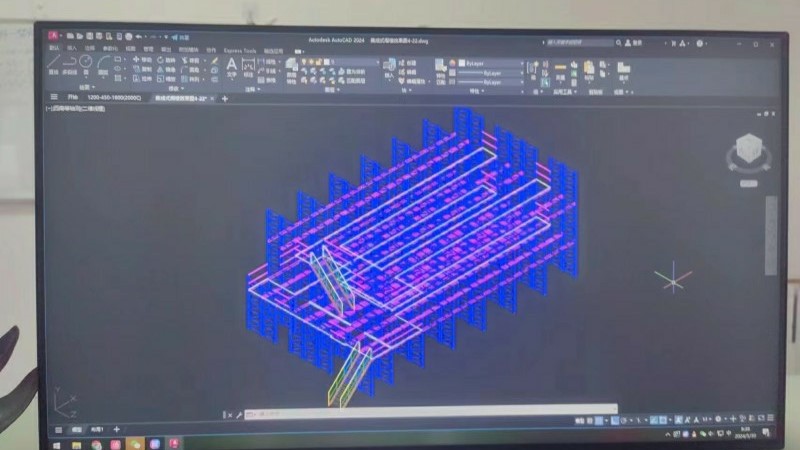
Computer-aided modeling for structural analysis
As retail spaces evolve toward interactive environments, several macro-trends are shaping the engineering and manufacturing of modern supermarket display shelving:
Static layouts are being replaced by highly modular displays. Seattle retailers often reconfigure their produce sections seasonally (e.g., highlighting local Washington apples in autumn and fresh berries in summer). Shelving must be easily adjustable without requiring complex tools. Modular shelf heights, dynamic slot designs, and mobile caster bases allow staff to reshape displays rapidly, improving operational efficiency and product turnover.
With corporate commitments to reducing carbon footprints, retail chains demand eco-friendly manufacturing processes. Wood used in composite metal-wood shelving must be sustainably sourced and free of toxic VOC sealants. Kelida adheres to clean raw material sourcing and uses environmentally compliant finishing techniques to meet the strict standards required by eco-conscious markets.
Modern fresh produce shelves are adapting to support advanced inventory tracking and smart retail features. This includes dedicated pathways for Electronic Shelf Labels (ESL) and design elements that optimize airflow from ventilation and misting systems. Adequate ventilation reduces warm air pockets, extending the shelf life of fresh produce and significantly lowering organic waste.
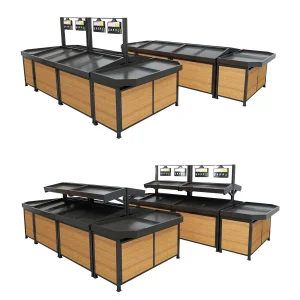
Heavy-duty, highly versatile retail display structures engineered to withstand high customer volumes.
Important questions addressed by our technical and export divisions for commercial buyers.
We primarily utilize high-strength Q235 structural carbon steel, which provides excellent load-bearing capacity and resilience. For the powder coatings, we use food-safe, non-toxic formulations that are fully compliant with FDA guidelines for indirect food contact. Our wooden shelving accents are sourced from sustainable certified wood, treated to resist water and juices from fresh fruits and vegetables.
Ningbo is one of the largest deepwater ports in China. We regularly coordinate FCL (Full Container Load) and LCL (Less than Container Load) shipments directly from Ningbo Port to the Port of Seattle (NWSA). Our dedicated export team handles all documentation, export clearances, and transit packing. All products are flat-packed in high-density multi-layered corrugated cardboard boxes with corner protectors and protective poly foam inserts to prevent damage during ocean transit.
For custom configurations, our technical engineering team creates CAD drawings for approval within 3–5 working days. Once the design is locked in and the deposit is confirmed, manufacturing takes between 25 to 35 days, depending on the order volume and customization complexity. Marine transit time from Ningbo to Seattle averages 18 to 22 days.
Our vegetable and fruit display racks go through a multi-stage pretreatment cleaning wash, followed by the application of a high-performance thermoset powder coat cured at high temperatures. This forms a durable barrier against moisture, mild acids, and regular cleaning solutions. Additionally, we offer stainless-steel framing options (SUS304) for wet-misting sections to ensure long-term protection against rust.
For standard designs, we maintain highly flexible MOQs. For custom-fabricated layouts requiring dedicated tool re-tooling, our standard MOQ starts at 50 units. We invite procurement teams to discuss initial trial shipments to evaluate the build quality and aesthetic finish before moving forward with full store rollouts.
 Kelida Racking