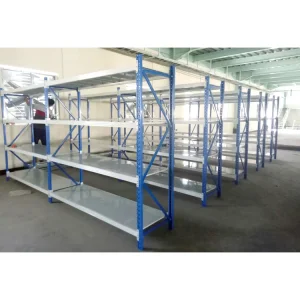
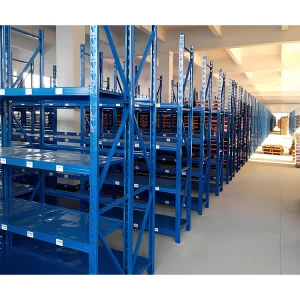
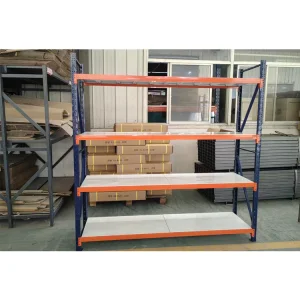
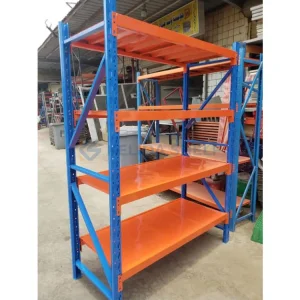
Engineered for rapid deployment, tool-free installation, and maximum structural stability under heavy UDL (Uniformly Distributed Load) profiles.
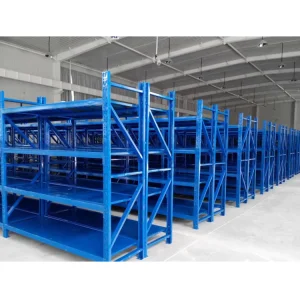
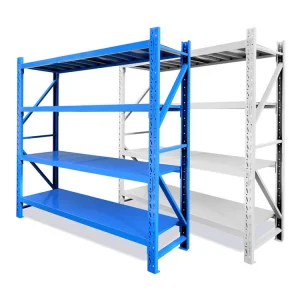
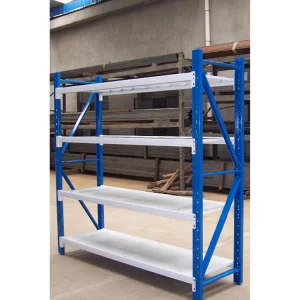
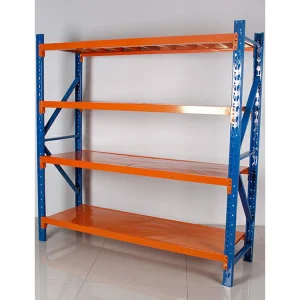
An Industrial Guide to Material Mechanics, Global Standards, and Supply Chain Efficiencies.
Executive Summary: As modern supply chains move toward automated, high-velocity distribution models, the demands on static storage structures have multiplied. This whitepaper analyzes the engineering design, metallurgical prerequisites, and manufacturing processes that establish Chinese manufacturers—specifically Ningbo Kelida Shelf Co., Ltd.—as global benchmarks in boltless racking production.
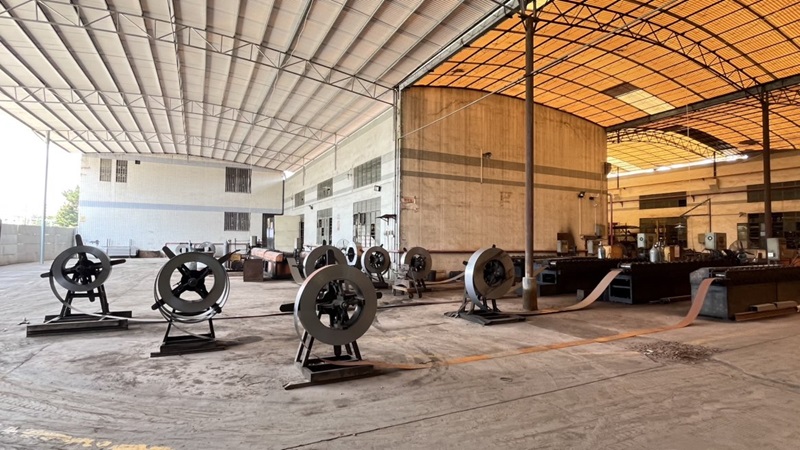
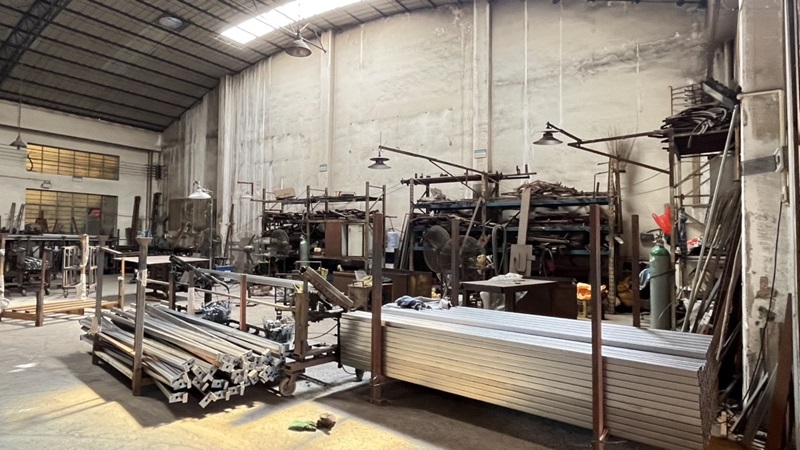
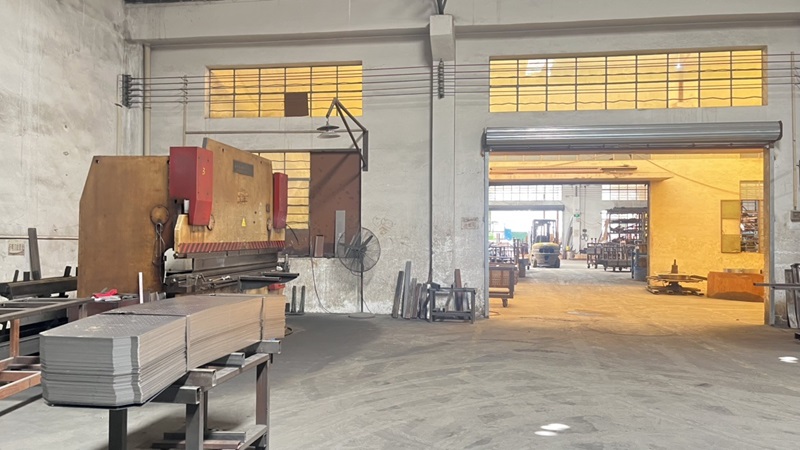
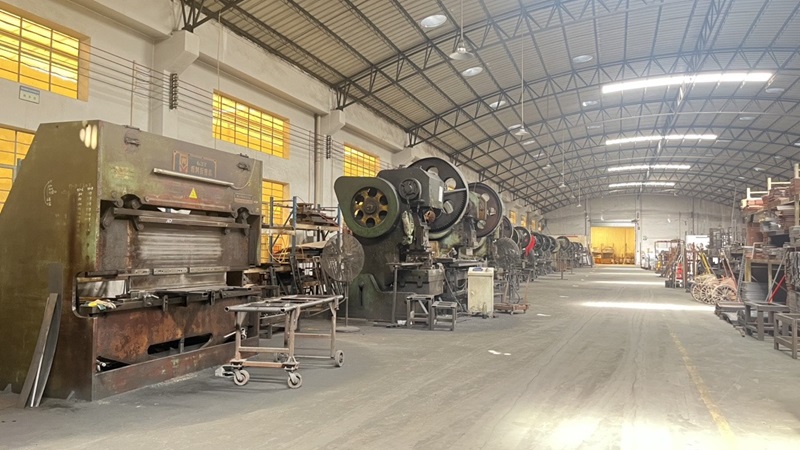
Established in 2014, Ningbo Kelida Shelf Co., Ltd. has developed into an industry-leading manufacturer specializing in industrial warehouse racking and heavy-duty storage shelving solutions. Operating from a state-of-the-art 28,000 square meter modern manufacturing facility, the company integrates design, engineering, metallurgy, and global supply operations under one roof. Backed by 12 years of core industry manufacturing experience and 8 years of dedicated international trade expertise, Kelida has successfully built a robust global distribution network, generating an annual export revenue exceeding $18 million.
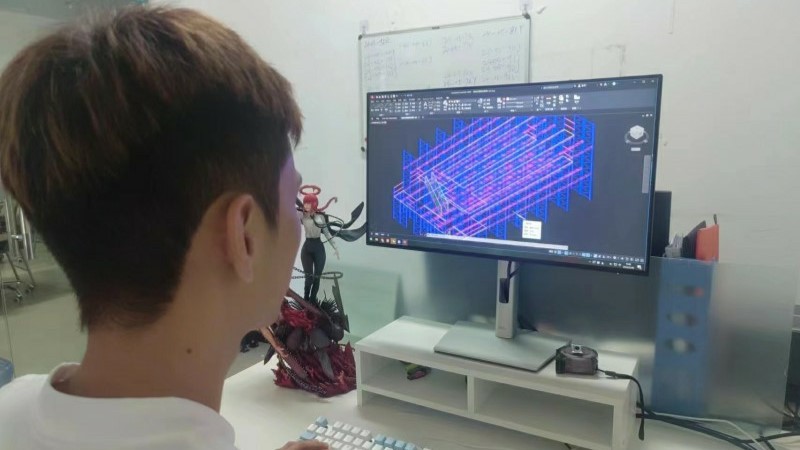
The core of Kelida's competitiveness lies in its structural customization capabilities. Backed by an experienced R&D team of 15 professional structural engineers, the company designed and launched 35 new storage products last year alone. Our engineering capacity spans complete custom load capacities, custom dimensional configurations, complex dynamic warehouse layouts, and advanced corrosion-resistant powder coatings. Kelida operates within an integrated industrial network cooperating with over 650 qualified raw material and component partners, guaranteeing consistent supply chain continuity, optimized pricing structures, and quick turnarounds.
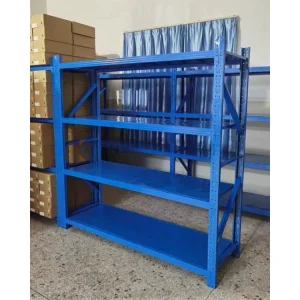
Unlike traditional bolt-and-nut structural shelving systems, boltless racking utilizes a sophisticated mechanical slotting mechanism—commonly called keyhole, teardrop, or butterfly profiles—to achieve structural load stability. These systems rely on the shear force exerted by the shelf beam connector on the vertical column uprights. As load weight (UDL) is applied to the horizontal beams, the connector tapers deeper into the slot, increasing friction, minimizing frame sway, and locking the system rigidly.
This self-locking dynamic minimizes structural deflection under extreme load conditions. By avoiding bolt punctures through critical vertical stress vectors, boltless racking maintains the integrity of cold-rolled steel profiles. As a result, users benefit from a modular solution that requires zero specialized tools for assembly, dropping configuration times by up to 65% compared to bolted structures, without sacrificing load ratings.
China's dominance in the global industrial steel racking sector is rooted in localized supply chain integration and metallurgical expertise. Factories in the Ningbo industrial zone have direct access to premium Q235B and Q355B cold-rolled steel coils, which are globally recognized for their optimal yield strength and ductility.
By sourcing directly from primary domestic blast furnaces, manufacturers like Ningbo Kelida eliminate intermediate pricing markups and enjoy reliable metallurgical tracing. The presence of specialized industrial clusters allows us to integrate raw steel coils, chemical pre-treatments, electrostatic thermosetting powders, and packaging materials seamlessly. This ensures that every component—from the upright frames to the beam brackets—exhibits uniform mechanical properties and meets high-durability specifications.
Quality control is integrated into every step of our operations at Kelida Shelf. Backed by a dedicated quality assurance team of 22 QC specialists, the company implements strict inspection procedures. These begin with raw material tensile testing to verify yield strength limit parameters before manufacturing begins.
Production control includes automated weld inspection utilizing ultrasonic and laser-guided sensors to detect micro-fissures or weld porosity. Finished racking parts undergo dynamic load verification to confirm safe load limits, and salt-spray corrosion testing (such as ASTM B117) to ensure high powder-coating adhesion and oxidation resistance. This meticulous testing guarantees that every shelving unit meets structural, occupational health, and safety standards globally.
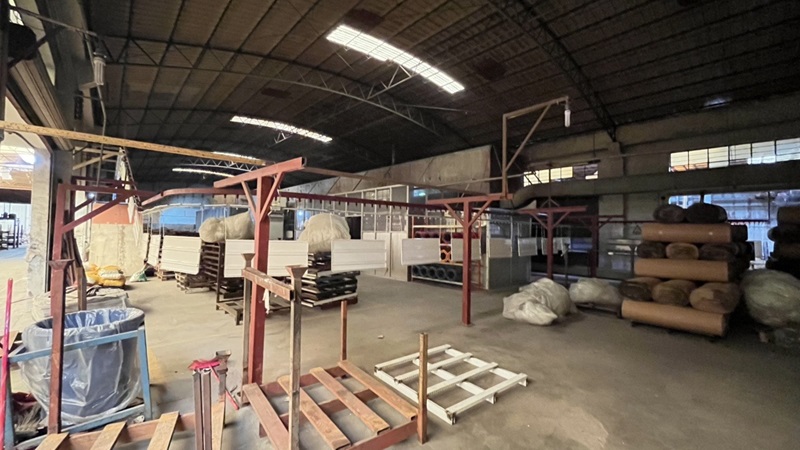
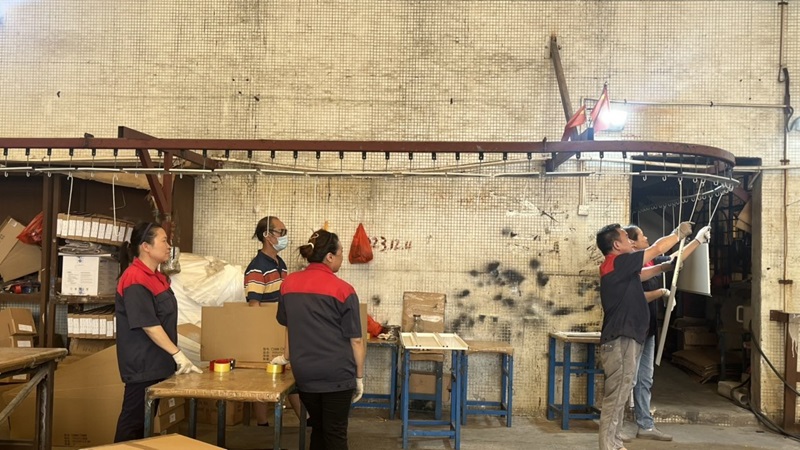
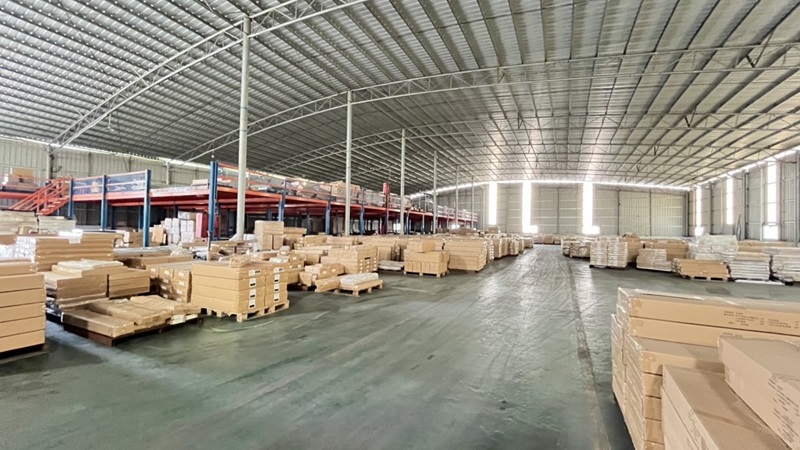
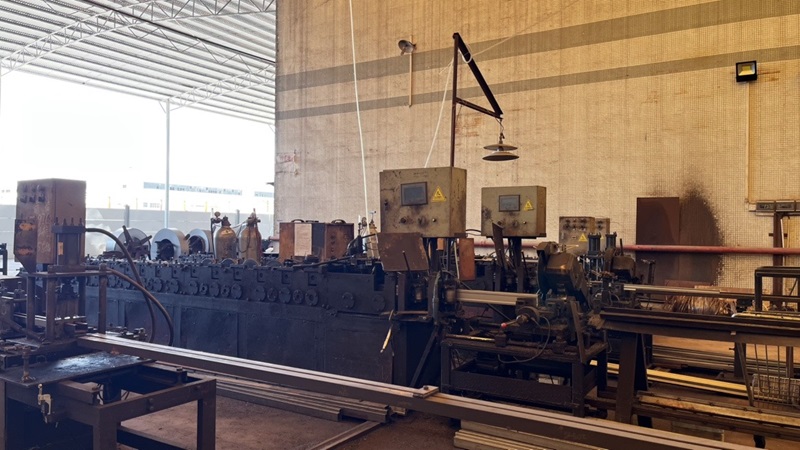
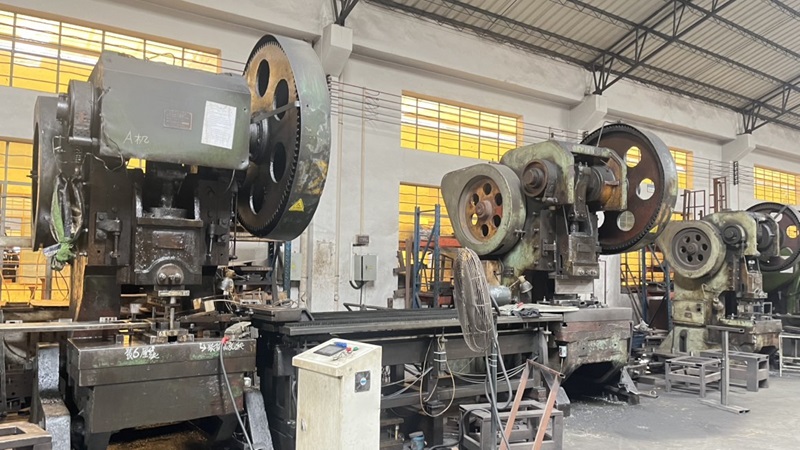
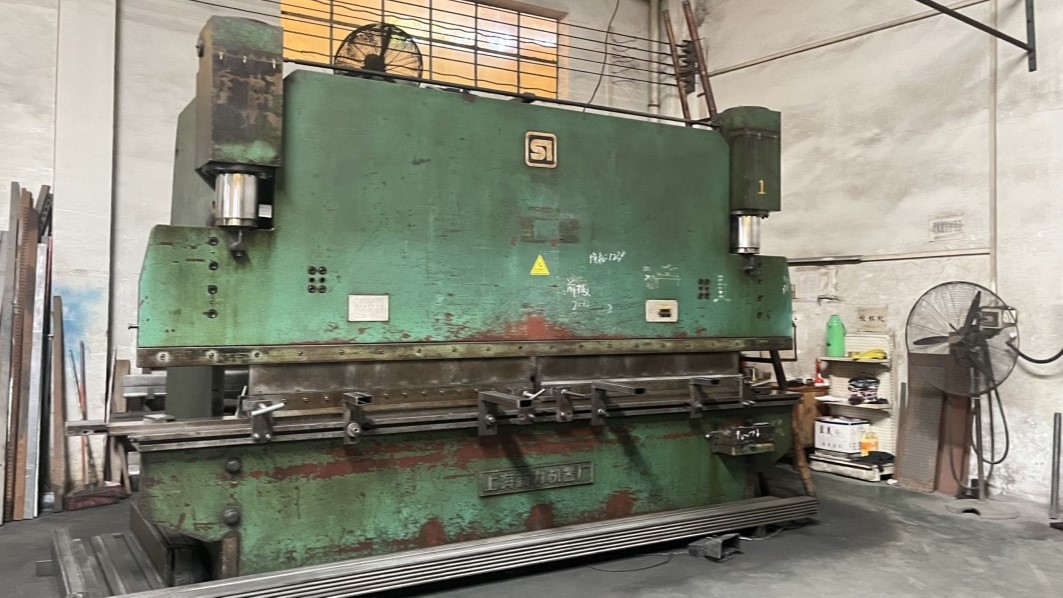
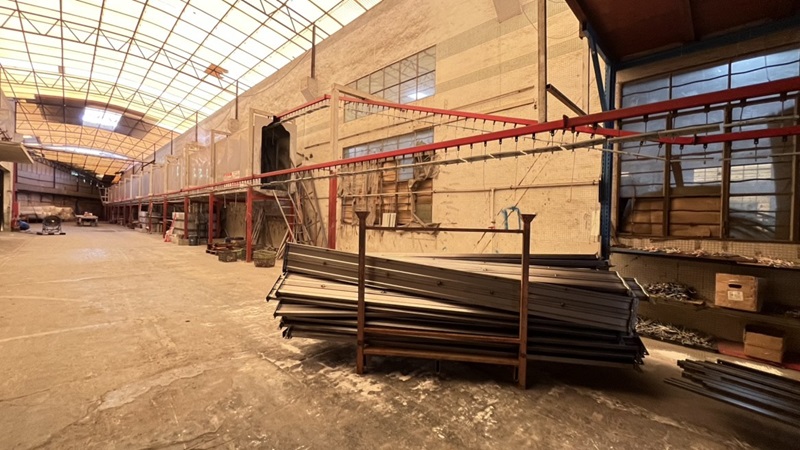
How raw steel coils are transformed into precision-engineered industrial shelving solutions.
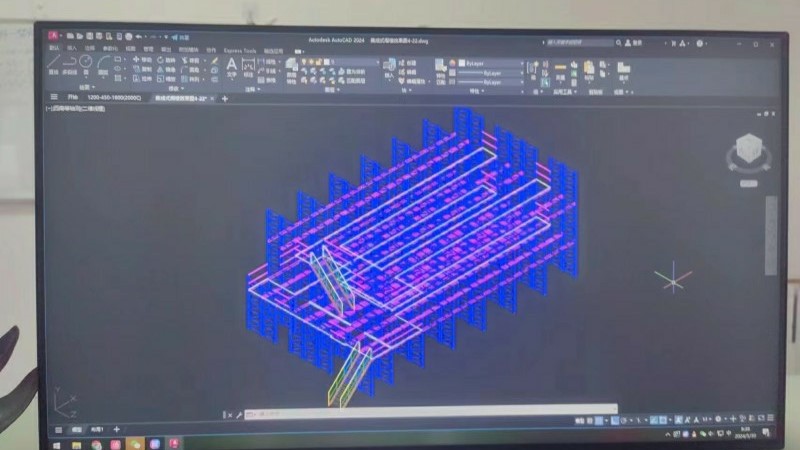
The static warehousing industry is undergoing a digital and ecological transition. First, Modular Automation Integration is redefining standard shelving. Modern boltless racking systems must now design beam and upright configurations to interface seamlessly with Automated Guided Vehicles (AGVs) and Autonomous Mobile Robots (AMRs). This necessitates exact manufacturing tolerances (within ±0.5mm) so that automated robotic arms can pick bins without collision.
Second, Ecological and Chemical Sustainability is no longer optional. Global buyers demand compliance with REACH and RoHS standards, forcing manufacturers to adopt heavy-metal-free, low-VOC powder coatings. Kelida is leading this transition by employing advanced electrostatic curing ovens that recycle 98% of oversprayed powder, minimizing the environmental footprint while increasing corrosion resistance.
For enterprise procurement officers sourcing warehousing systems, compliance and safety certification represent the principal risk boundary. In North America, racking must align with the RMI (Rack Manufacturers Institute) guidelines and ANSI MH28.2 standards. In Western Europe, compliance with FEM 10.2.02 (Fédération Européenne de la Manutention) design codes is required.
Kelida Shelf ensures cross-border compliance through systematic, accredited testing. We provide certified structural calculations verifying safety factors under dynamic seismic load environments. Additionally, our factories supply complete material traceability certificates (MTRs) tracing steel back to the original heat number, providing enterprise clients with the engineering transparency needed for building permits and insurance underwriting.
To demonstrate the adaptability of modern boltless racking, we examine three core localized use cases across global supply chain segments:
Deep-dive technical answers to help enterprise procurement managers evaluate safety, load capacities, and structural compliance.
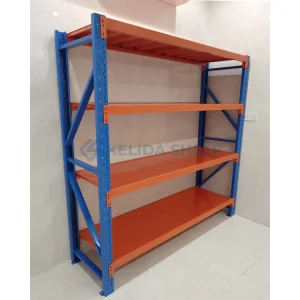
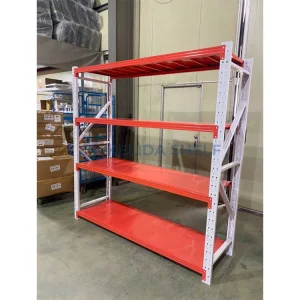
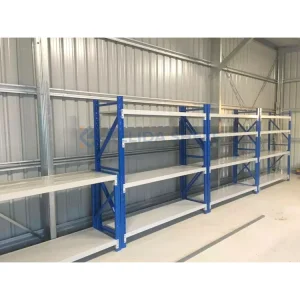
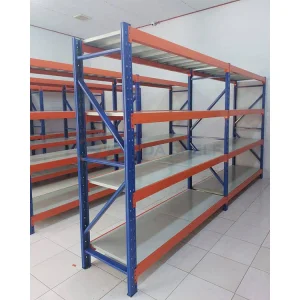
Heavy-duty structures engineered for demanding warehouse environments and heavy load profiles.
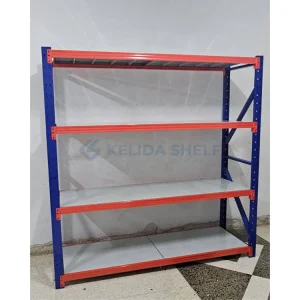
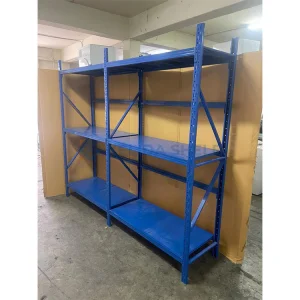
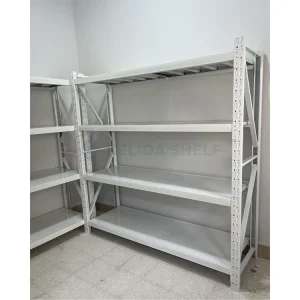
 Kelida Racking