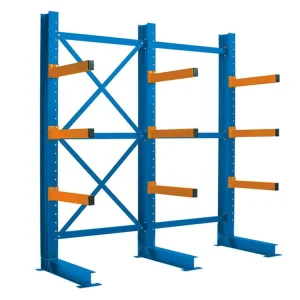
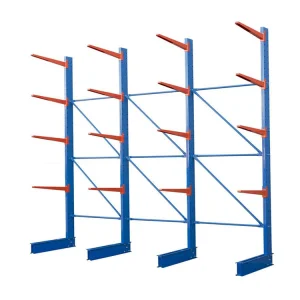
Engineered for dynamic loads, optimal facility footprint utilization, and extreme resilience.
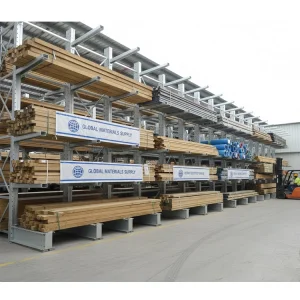
An in-depth structural analysis of heavy-duty storage engineering, load dynamics, and material handling efficiency.
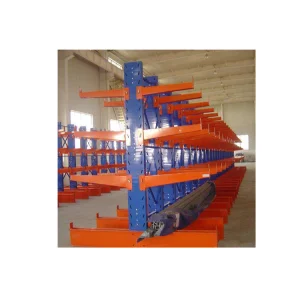
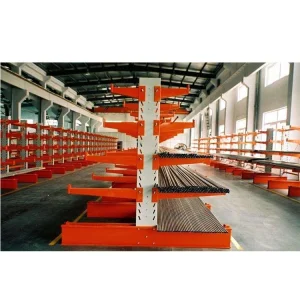
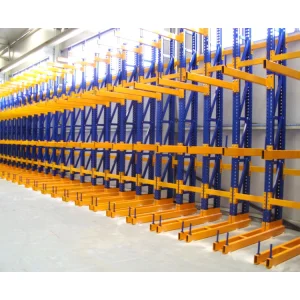
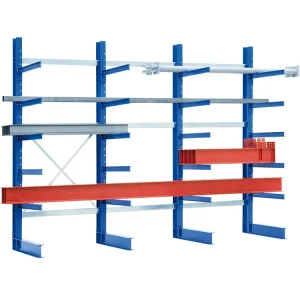
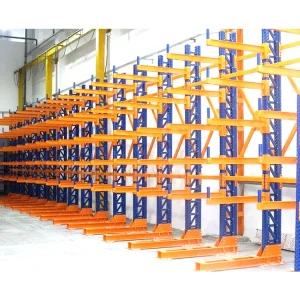
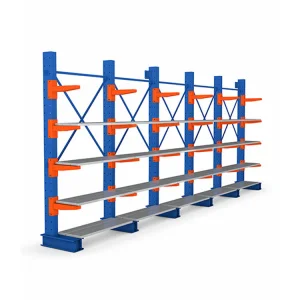
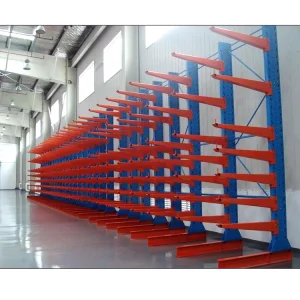
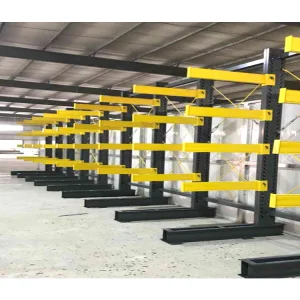
As supply chains compress and space optimization becomes the focal point of storage profitability, warehouses globally are forced to rethink structural formats. Standard pallet racking systems fail when confronted with non-standard payloads like structural steel channels, PVC piping bundles, timber planks, and oversized machinery castings. This is where Cantilever Racking Systems provide an open-front structural configuration, removing the front vertical columns to permit continuous, horizontal load accessibility.
In modern industrial facilities, the integration of automation (such as Automated Guided Vehicles and high-mast reach trucks) requires higher tolerances, zero-deflection arm configurations, and robust structural designs. Advanced steel grades (specifically Q235 and high-tensile Q355 structural steel) have become the industry baseline to guarantee maximum safety and durability under stress.
Modern warehouse planners prioritize structural safety protocols, particularly seismic load distribution standards dictated by RMI (Rack Manufacturers Institute) and European FEM specifications. The engineering dynamics of a cantilever rack involve complex cantilever-arm stress tests, horizontal beam shear resistances, and heavy concrete anchor load transfers.
By engineering cantilever columns with precise taper gradients and incorporating high-strength bolted connections instead of light-duty pins, suppliers ensure that dynamic forklift impacts do not compromise structural integrity. Selecting either structural H-beams or roll-formed profiles depends on load density, vertical clearance parameters, and budget limits.
What international procurement officers look for in a tier-one manufacturing supplier.
Safety is the primary metric in large-scale storage projects. Procurement directors require Mill Test Certificates (MTC) detailing steel chemical composition, weld testing reports complying with AWS D1.1 standards, and load tests validated by independent labs.
Every facility has distinct constraints. Standardized systems rarely optimize space. Global buyers require suppliers with dedicated R&D engineering staff capable of delivering custom CAD/3D designs, simulating load stresses, and providing custom powder coating options.
Unpredictable lead times can disrupt project schedules. Importers require manufacturers with deep raw material partnerships to protect against steel price fluctuations and guarantee consistent production schedules even during high demand periods.
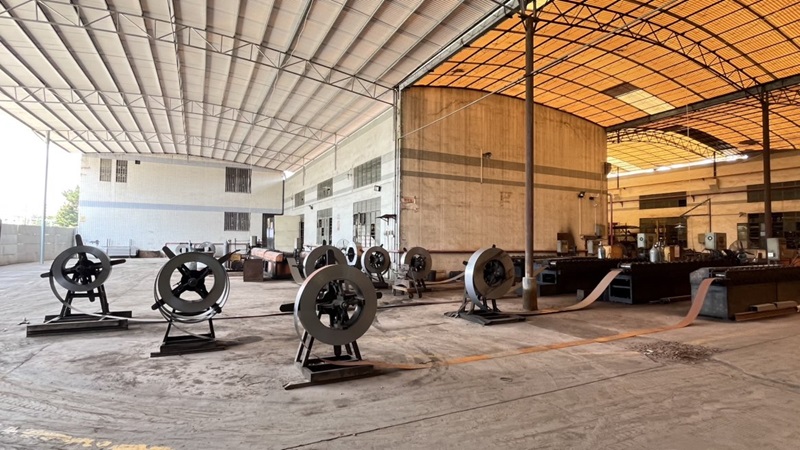
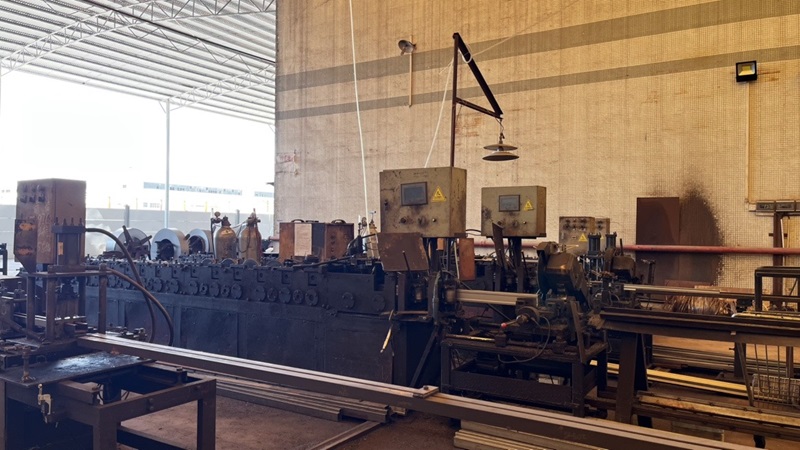
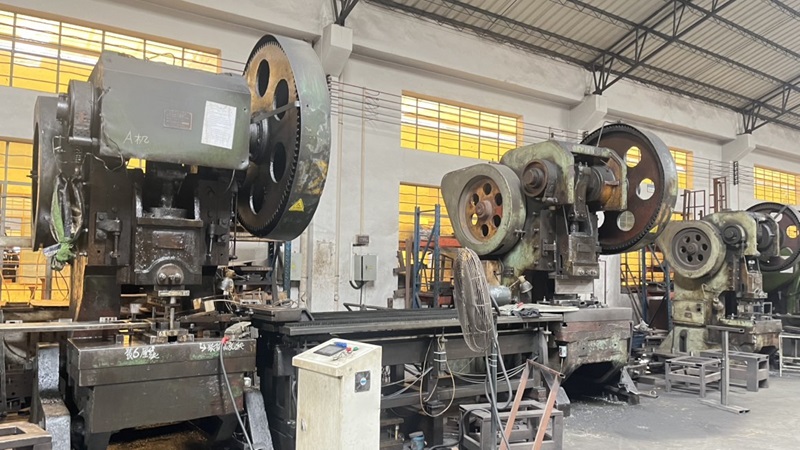
Leveraging state-of-the-art production technologies and robust supply chain networks to ensure structural safety and efficiency.
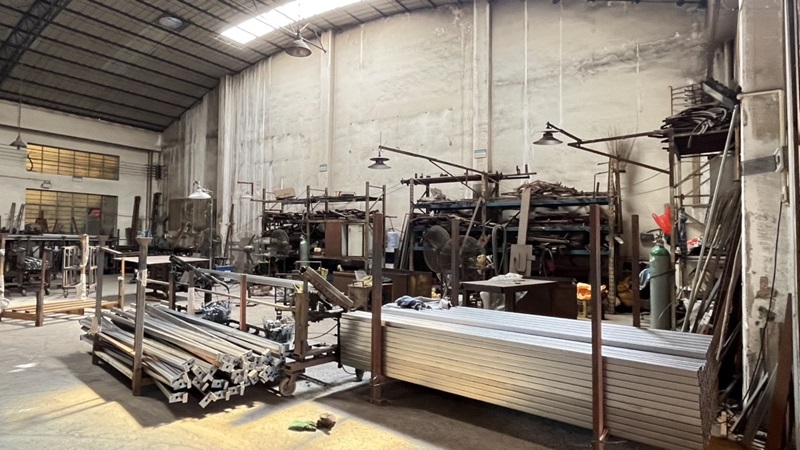
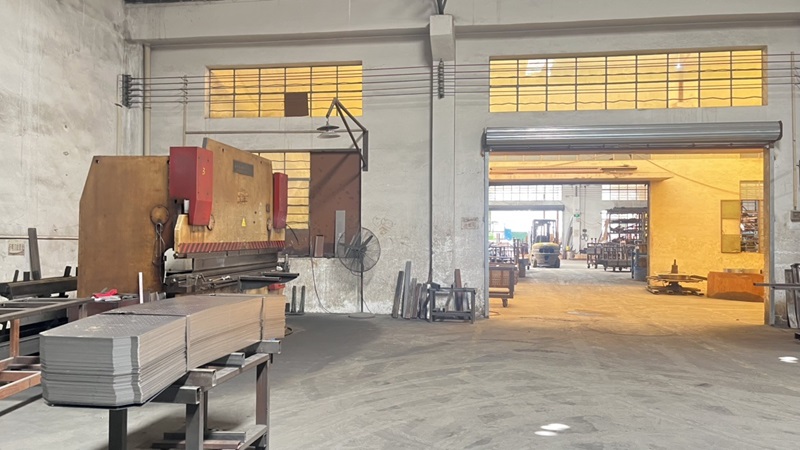
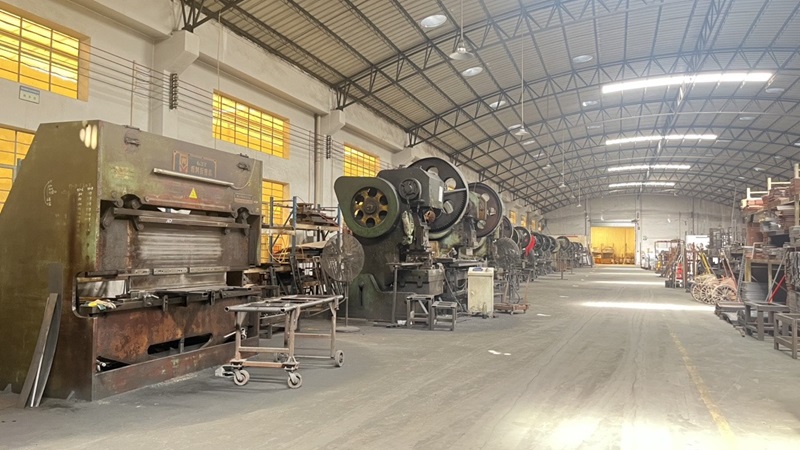
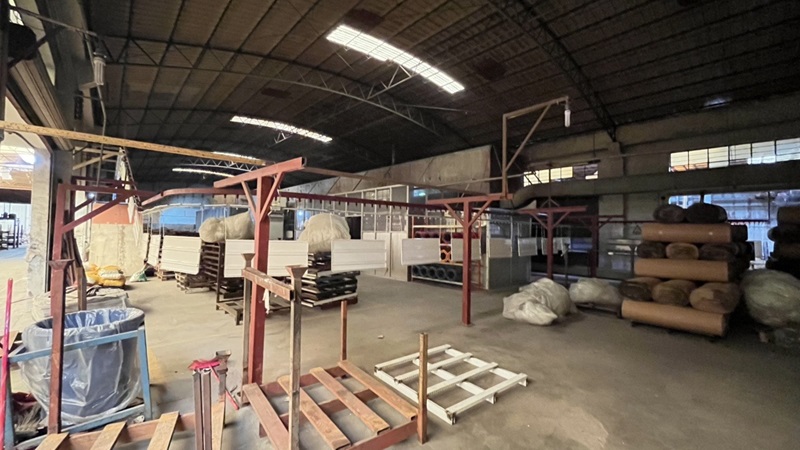
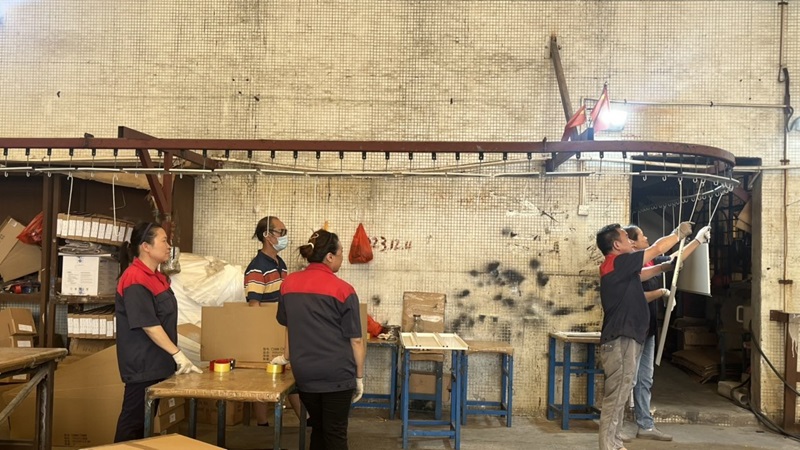
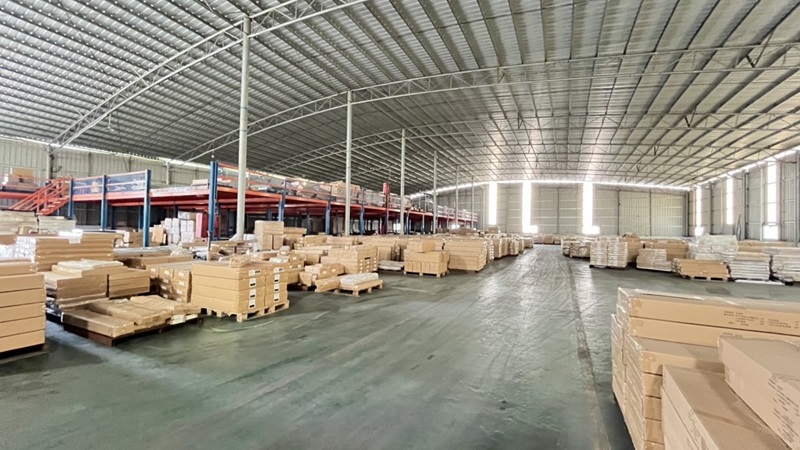
Ningbo Kelida Shelf Co., Ltd. is a leading manufacturer specializing in industrial warehouse racking and heavy-duty storage shelving solutions. Established in 2014, the company operates a modern manufacturing facility spanning 28,000 square meters. Backed by 12 years of industry experience and 8 years of international trade expertise, Kelida has grown into a trusted global supplier, achieving an annual export revenue of over $18 million.
Driven by strong innovation, our experienced R&D team of 15 structural engineers released 35 new storage products last year. We offer complete customization options, including tailored load capacities, dynamic warehouse layouts, custom dimensions, and corrosion-resistant powder coatings. Our integrated supply chain network collaborates with over 650 qualified raw material and component partners, ensuring seamless production cycles and competitive pricing.
Quality control is embedded in every stage of our operations. Supported by a dedicated quality assurance team of 22 QC specialists, we implement rigorous inspection procedures—including raw material tensile testing, automated weld inspection, dynamic load capacity verification, and salt-spray corrosion testing—to guarantee that every rack meets international safety standards.
As an export-oriented enterprise, our primary markets cover North America, Western Europe, Southeast Asia, and the Middle East. We proudly serve a diverse client base, including third-party logistics (3PL) providers, industrial manufacturing plants, e-commerce distribution hubs, and commercial wholesale distributors.
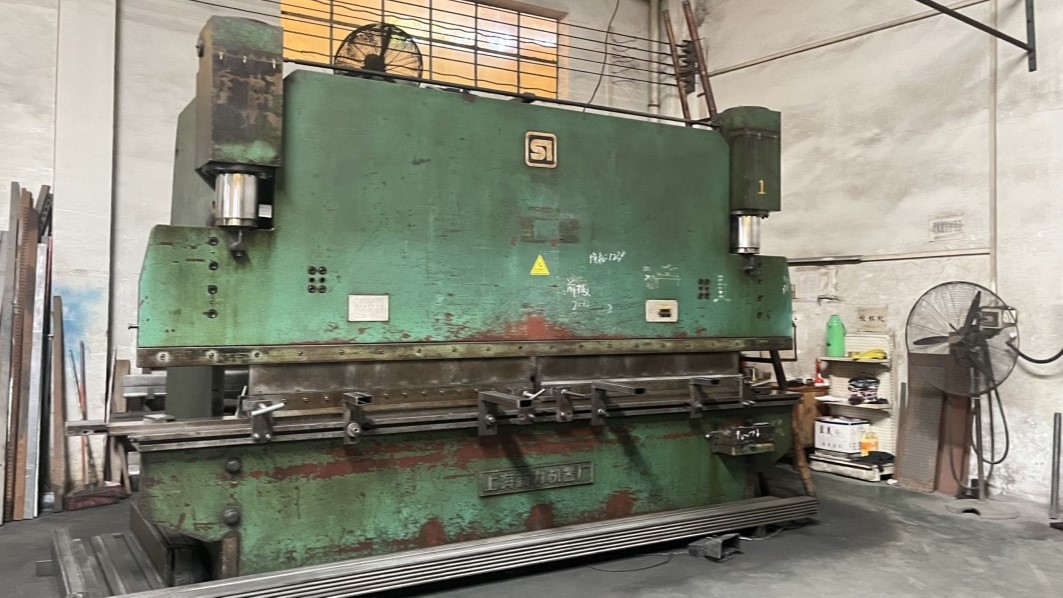
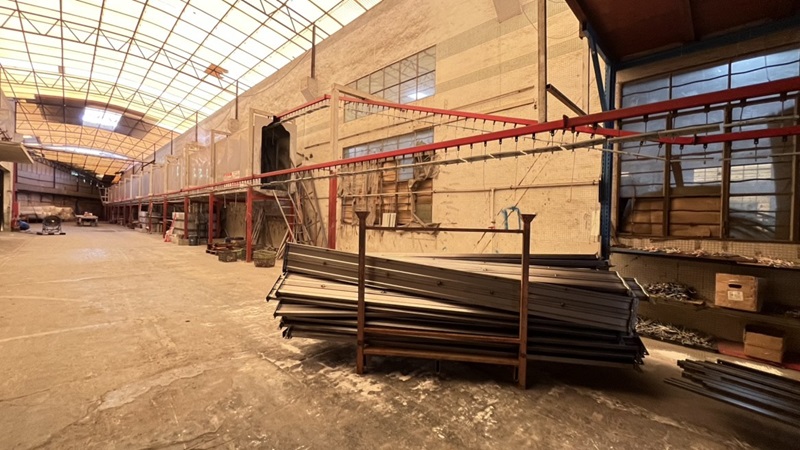
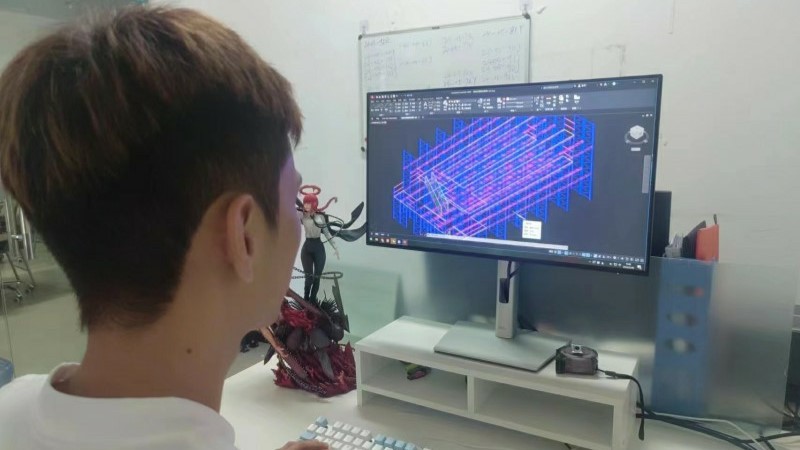
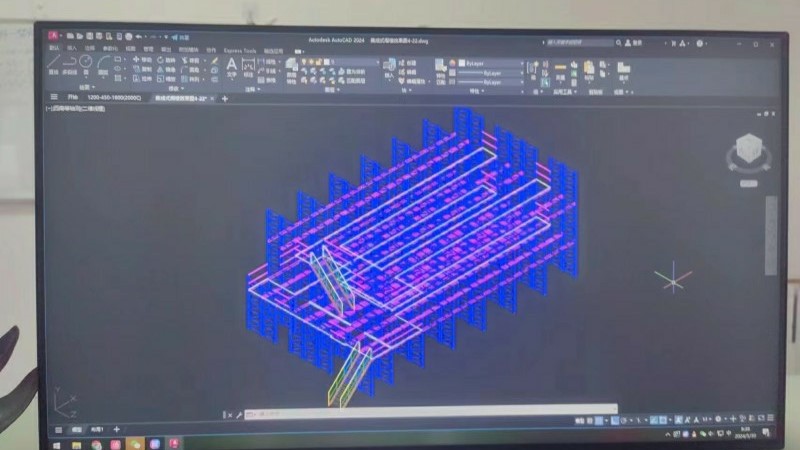
How different industries deploy single-sided and double-sided cantilever designs to address storage challenges.
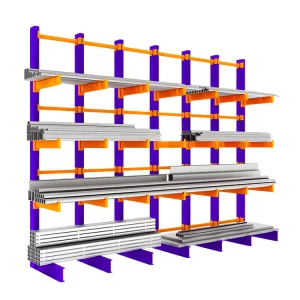
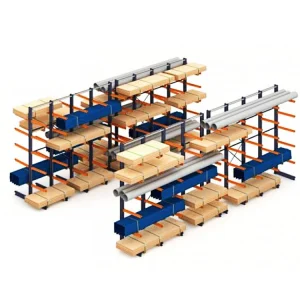
In metal fabrication workshops and steel distribution hubs, structural deflection is the primary safety hazard. Standard pipe systems are susceptible to rolling, and heavy metal bundles can bend roll-formed uprights. We configure our cantilever arms with secure end-stops (removable or welded pins) to prevent load rolling.
Additionally, we adjust column spacing based on material sag limits. Placing structural supports closer together distributes the weight evenly, preventing permanent deformation of aluminum extrusions and thin-walled copper tubing.
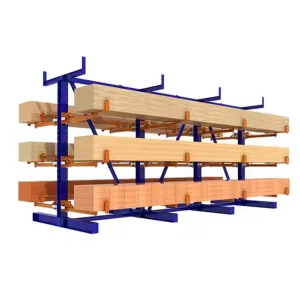
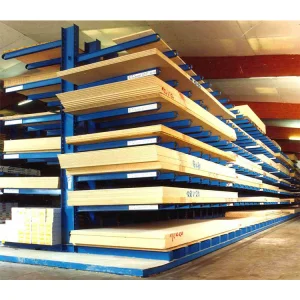
Timber storage is subject to dynamic moisture levels that affect dry weights. Outdoor lumber storage requires hot-dip galvanized (HDG) coating to prevent corrosion from rain, frost, and high humidity.
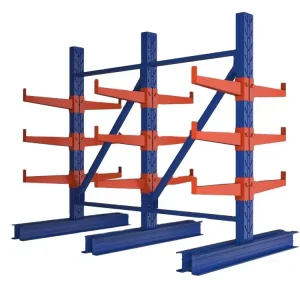
For operations using side-loading forklifts or multi-directional reach trucks, double-sided cantilever layouts optimize vertical warehouse capacity, allowing handlers to access stock from both aisles without changing machinery directions.
Expert answers to critical structural design, load capacity calculations, and installation compliance questions.
Customizable configurations engineered to meet the heavy industrial standards of international markets.
 Kelida Racking