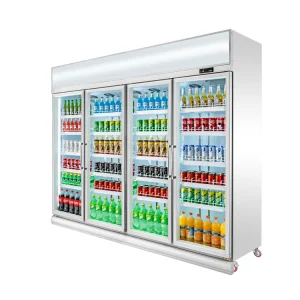
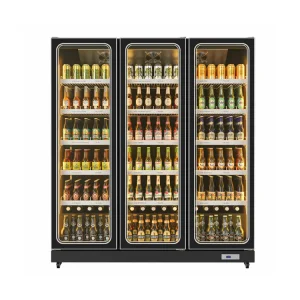
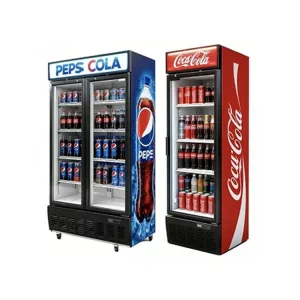
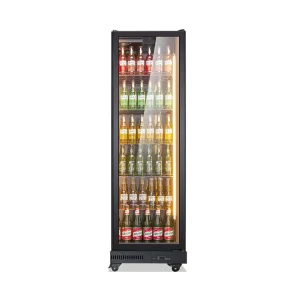
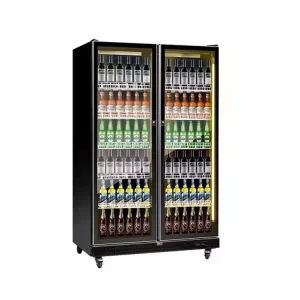
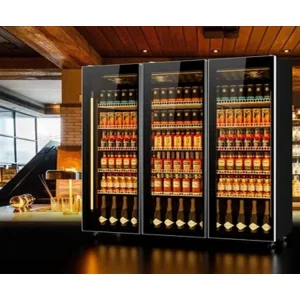
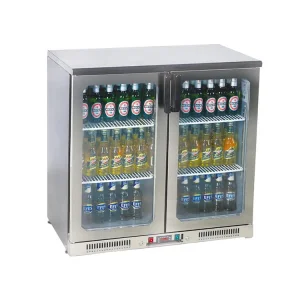
Engineered for high visibility, thermal performance, and dynamic store layout integrations. Discover our leading commercial cooling display solutions.
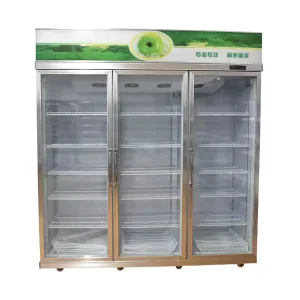
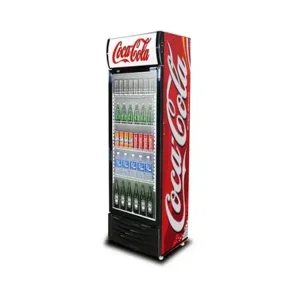
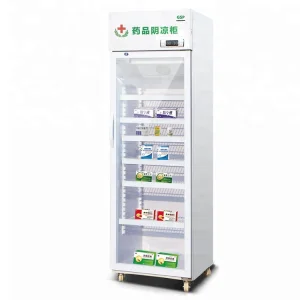
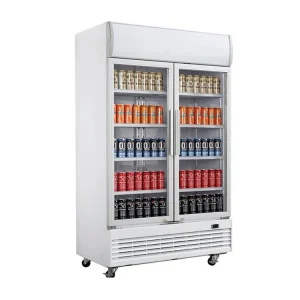
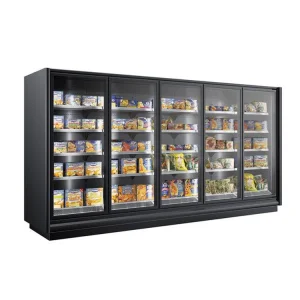
Backed by Ningbo Kelida Shelf Co., Ltd., we combine thermodynamic expertise with robust industrial manufacturing to deliver structurally superior display systems.
Our dedicated team of 15 structural and thermal engineers designed and optimized 35 new product architectures last year. We tailor load capacities, visual geometries, and thermal airflow layouts to meet specific retail environments.
Over 22 quality assurance specialists run comprehensive validation programs including raw material tensile testing, automated weld inspection, structural deflection limits under load, and salt-spray corrosion tests.
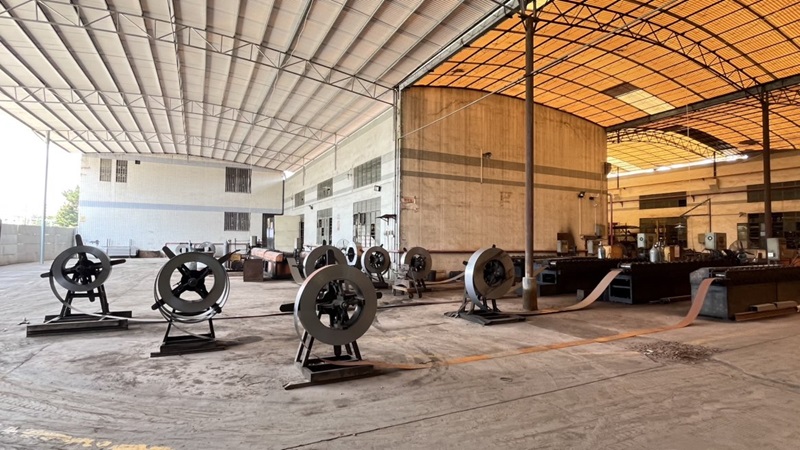
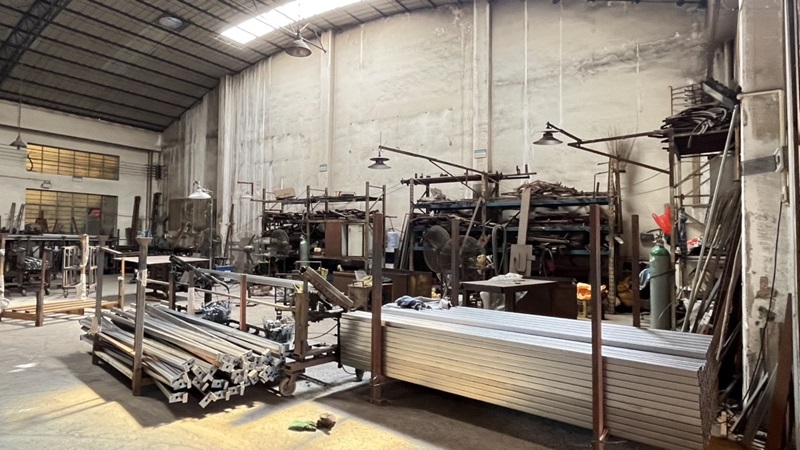
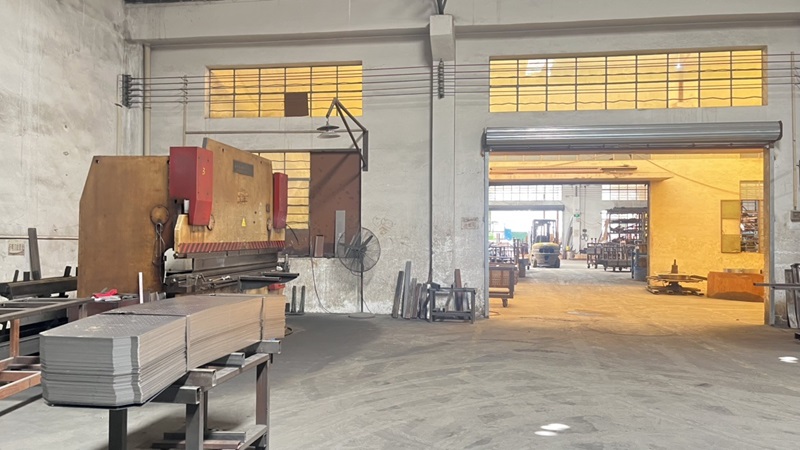
Operating a modern 28,000 square meter manufacturing hub, Kelida maintains active export operations across North America, Western Europe, Southeast Asia, and the Middle East, generating over $18 million in annual export revenue.
Production Facility Area
Annual Export Value
Dedicated R&D Engineers
Integrated Supply Partners
In the modern commercial retail landscape, supermarket refrigeration systems represent the single largest operational cost-driver outside of labor. Over 50% of a grocery outlet's electric power is consumed by low-temperature display systems and walk-in cold storage facilities. The integration of advanced commercial glass door refrigerators is no longer merely a merchandising choice; it is a critical strategy for thermodynamic efficiency and product shelf-life preservation.
Ningbo Kelida Shelf Co., Ltd. addresses this paradigm by fusing commercial refrigeration engineering with heavy-duty structural design. By analyzing thermal heat infiltration coefficients, glass pane gas-fill thermal conductivity, and shelf-loading stability under continuous load cycles, our systems ensure optimized food preservation. Our multi-deck and upright configurations utilize dynamic fan-assisted air curtains that maintain precise temperature zoning, eliminating warm-air pockets that cause premature product spoilage.
The commercial efficiency of a display cooler hinges on its thermal barrier design. Standard glass doors suffer from heat radiation absorption and condensation issues. To mitigate this, our products feature multi-layer low-emissivity (Low-E) tempered glass arrays injected with argon gas. This combination reduces heat transfer (U-factor) by over 45% compared to standard float glass structures.
Furthermore, our integration with automated fabrication workflows guarantees micro-millimeter tolerance control in cabinet assembly, preventing polyurethane foam density depletion. The cabinet structural skeleton uses the same high-tensile steel cold-forming processes developed for our heavy-duty industrial racking lines, giving each frame unmatched resistance to load warping and cabinet distortion over long service lives.
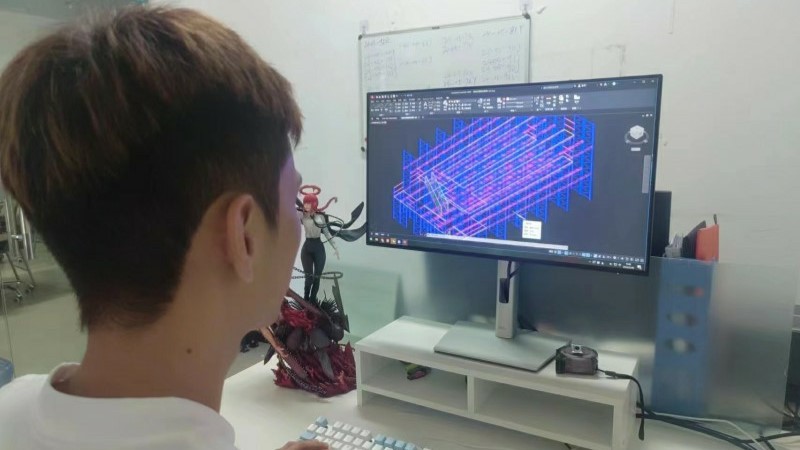
Ensuring compliance across diverse international regulatory framework parameters through stringent material validation protocols.
Exporters of commercial refrigeration units must adhere to strict environmental and electrical safety guidelines. Our manufacturing ecosystem ensures full alignment with regional regulatory mandates:
We perform systematic verification to ensure our products withstand the demanding wear and tear of retail environments:
| Technical Characteristic | Product Specification Range | Operational Value Metric |
|---|---|---|
| Internal Operating Temperature Range | -2°C to +8°C (Beverage) / -18°C to -22°C (Frozen Food) | Maintains optimized preservation profiles |
| Refrigerant Medium Options | R290 / R600a / R134a / R404A | Eco-friendly, energy-efficient cooling agent options |
| Glass Technology Selection | Dual or Triple Tempered Glass with Low-E Coating | Prevents condensation and blocks ambient thermal infiltration |
| Structural Steel Treatment | Automated Electrostatic Powder Coating (Epoxy Polyester) | Resistant to corrosion, physical impact, and chemical cleaners |
| Polyurethane Foam Insulation Density | 40 - 45 kg/m³ Cyclopentane High Density | Minimized thermal loss and long-term insulation efficiency |
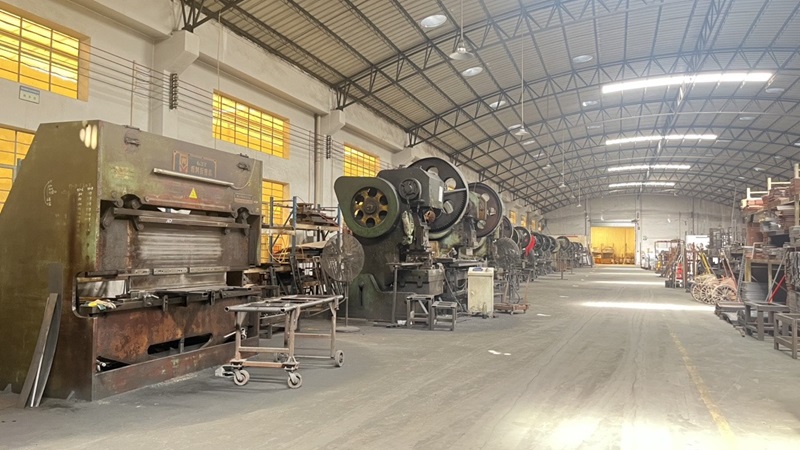
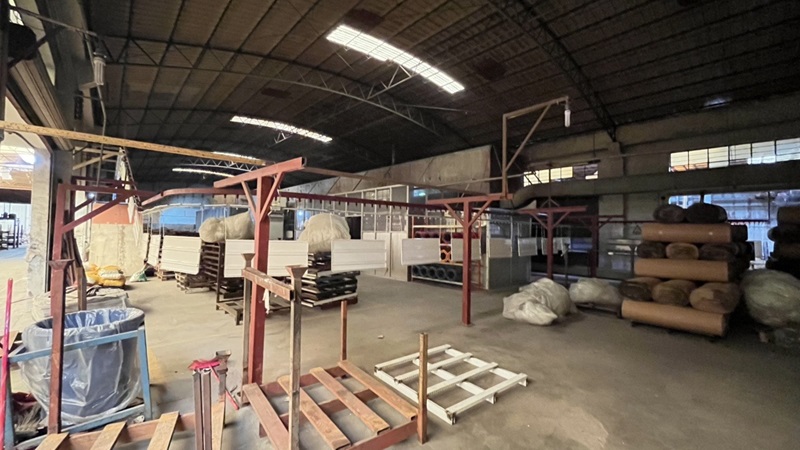
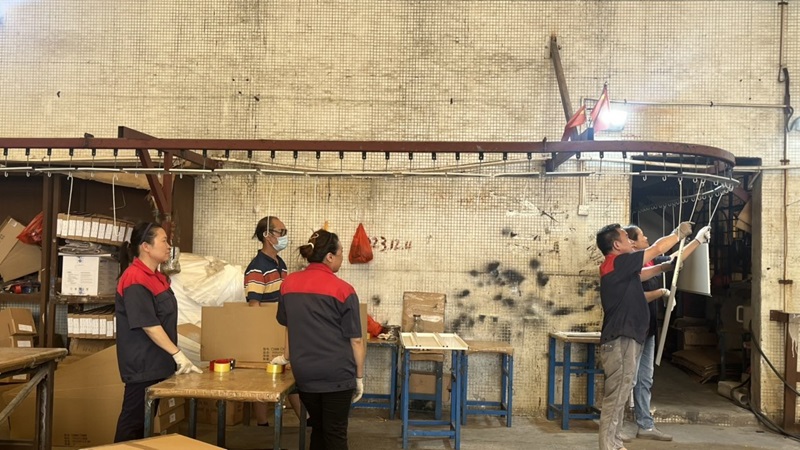
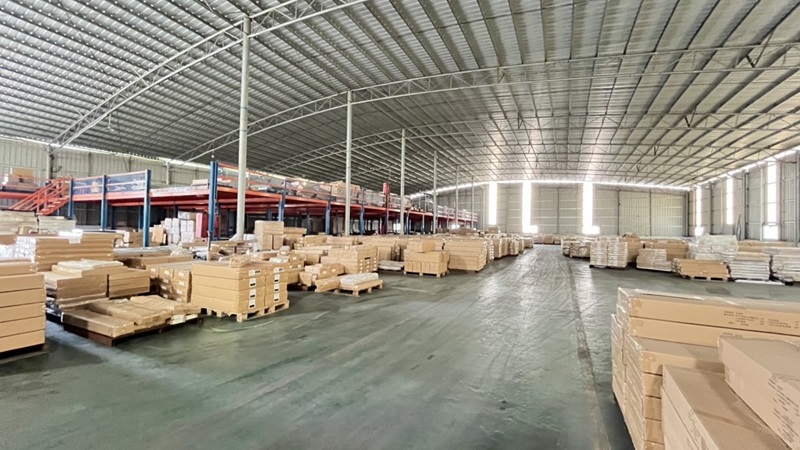
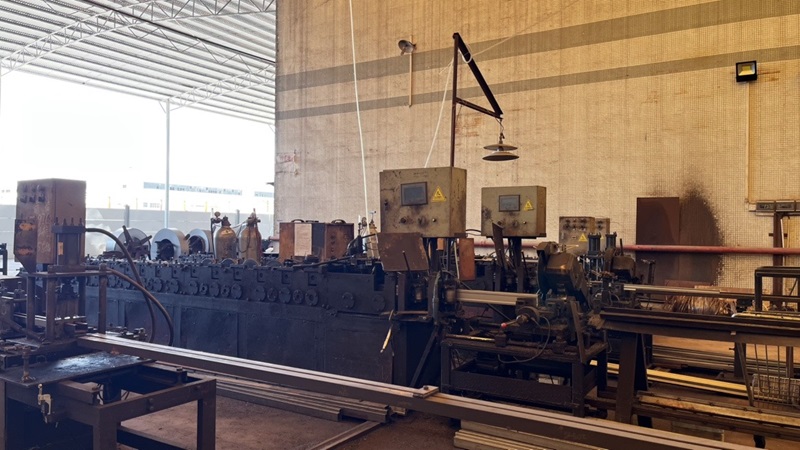
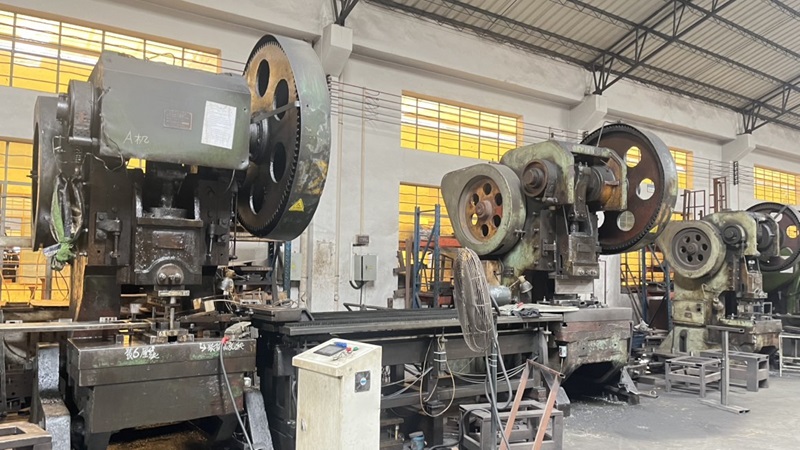
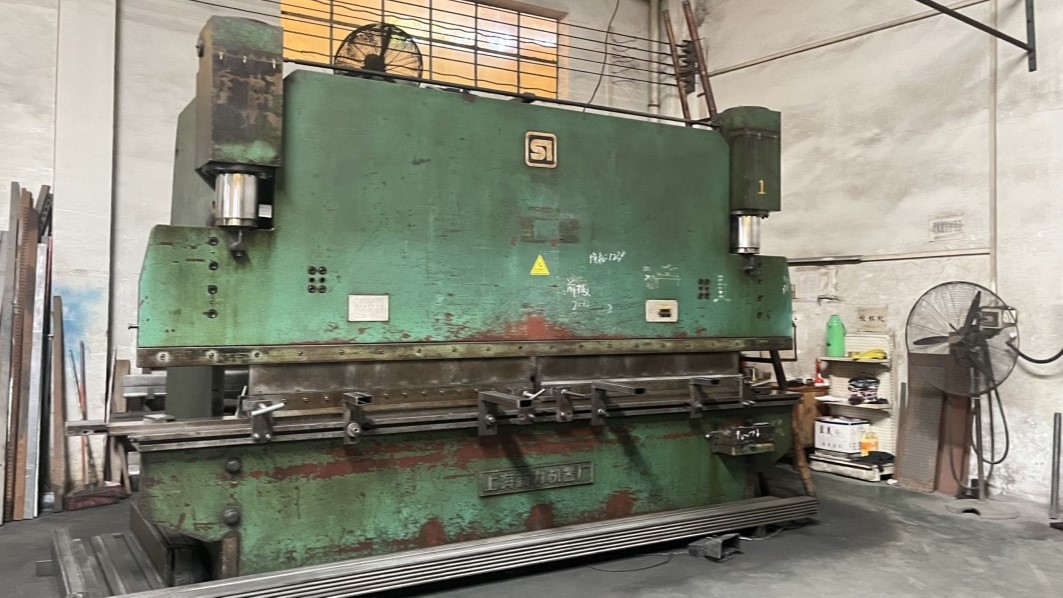
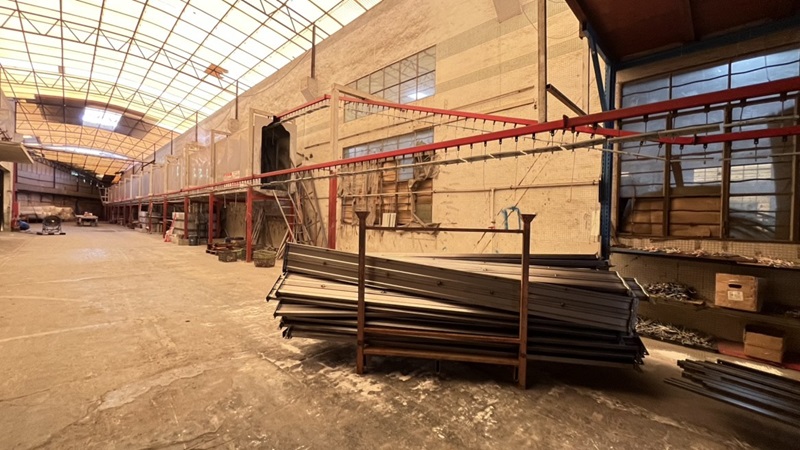
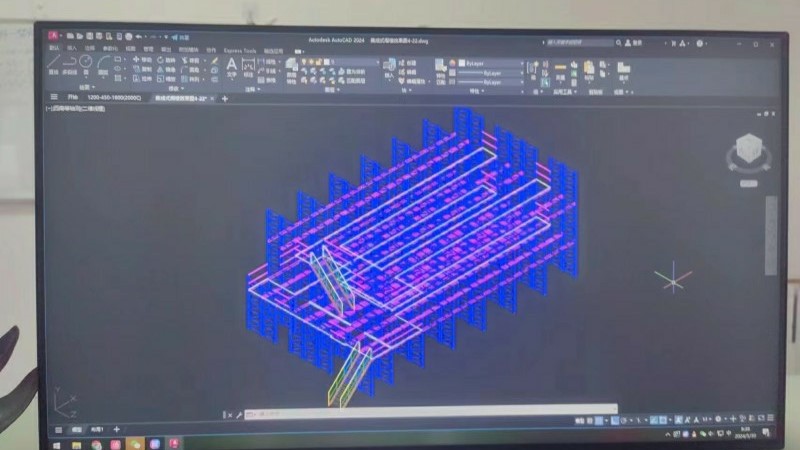
A detailed view of the automated production processes inside the Ningbo Kelida Shelf manufacturing plant.
The future of commercial refrigeration is driven by two key trends: digitization and zero-emission operations. Regulatory pressures are steering supermarkets away from high-GWP (Global Warming Potential) hydrofluorocarbons (HFCs) like R404A toward eco-friendly natural alternatives. Our technical development pipeline prioritizes propane (R290) and carbon dioxide (CO2) transcritical compression systems. These natural refrigerants reduce direct carbon emissions and improve system-wide thermodynamic efficiency by up to 15%.
Simultaneously, we are implementing smart IoT sensor packages within our commercial display refrigerators. These micro-sensors monitor evaporative fan speed, condenser heat dissipation efficiency, and door opening cycles. By sending performance data directly to centralized building management systems (BMS), operators can predict compressor maintenance needs and reduce emergency maintenance costs by over 30%. This transition from reactive repairs to predictive maintenance is essential for modern high-volume retail environments.
Get answers to key technical, logistical, and design customization inquiries from our engineering and sales teams.
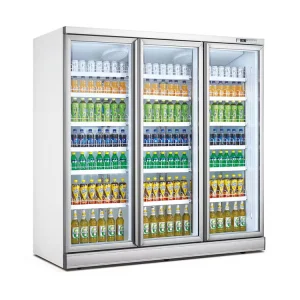
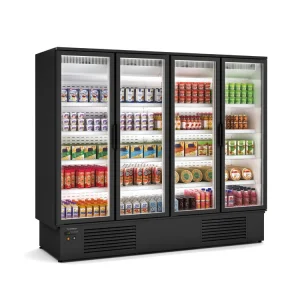
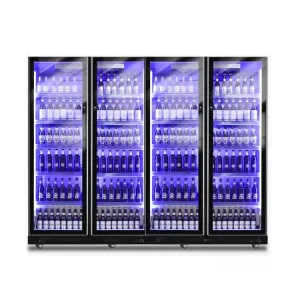
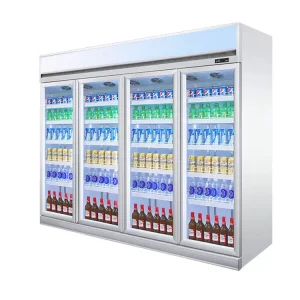
High-efficiency displays designed to maximize merchandise visibility and sales while maintaining precise temperature stability.
 Kelida Racking