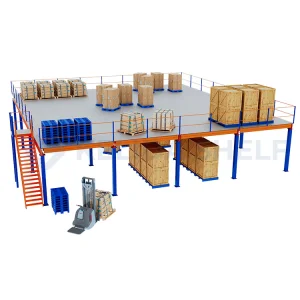
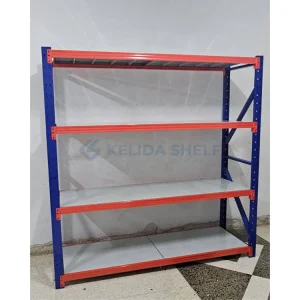
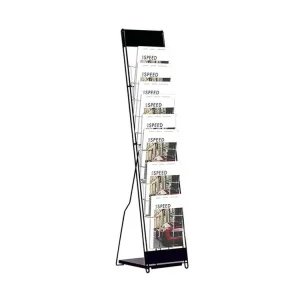
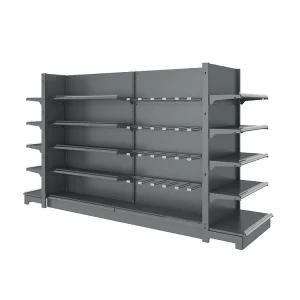
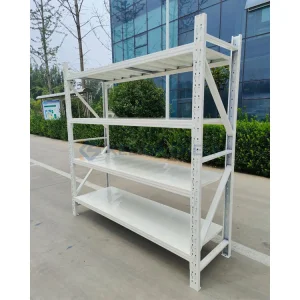
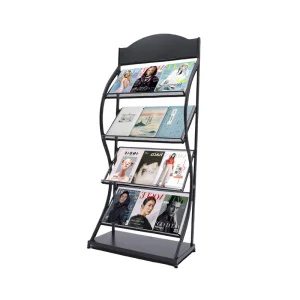
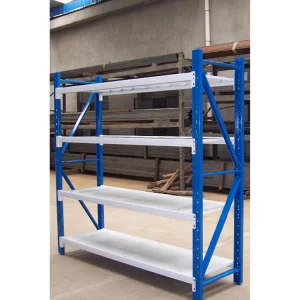
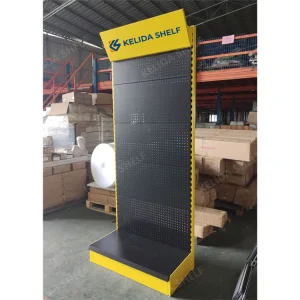
Discover our foundational retail, display, and warehouse structural products optimized for global networks.
In the modern landscape of logistics, warehousing, and inventory control, optimizing dynamic physical volume while managing capital expenditures is a crucial operational priority. Standard selective racking systems, while offering direct selectivity, fail to utilize vertical and depth space effectively, typically leaving up to 60% of the warehouse footprint underutilized. Drive-In Racking Systems solve this problem by eliminating access aisles, allowing forklifts to drive directly into the racking bays to place or retrieve pallets.
As a leading global OEM Drive-In Racking manufacturer, Ningbo Kelida Shelf Co., Ltd. designs and fabricates tailored structures. Our setups allow storage densities that can increase a facility's usable capacity by up to 75% to 80% compared to traditional configurations. Using high-grade steel, automated manufacturing processes, and design methods compliant with international structural codes (like RMI and EN 15512), we build warehouse rack structures that meet demanding industrial loads.
"Ningbo Kelida Shelf Co., Ltd. is a leading manufacturer specializing in industrial warehouse racking and heavy-duty storage shelving solutions. Established in 2014, the company operates a modern manufacturing facility spanning 28,000 square meters. Backed by 12 years of industry experience and 8 years of international trade expertise, Kelida has grown into a trusted global supplier, achieving an annual export revenue of over $18 million."
Drive-In racking operates primarily on the Last-In, First-Out (LIFO) inventory flow principle. It is ideal for high-volume storage of identical or highly standardized products with low SKU counts. By removing permanent aisles, the system turns open warehouse space into high-density storage. For operations requiring inventory rotation based on production batches or shelf life, a Drive-Through configuration can be engineered, providing Last-In, First-Out (LIFO) or First-In, First-Out (FIFO) options. This adaptability makes it suitable for raw material storage, bulk distribution centers, and temperature-controlled environments.
How OEM custom Drive-In configurations resolve space limitations across key global sectors.
Refrigerated space is expensive to build and run. Drive-In racking maximizes storage density, concentrating cold air volume and lowering overall energy costs per pallet location.
For third-party logistics firms handling bulk shipments of identical SKUs, Drive-In configurations offer high floor space utilization without the cost of fully automated retrieval systems.
Enables efficient dispatch sequencing for products that are manufactured and shipped in large batches, matching production output to logistics demand.
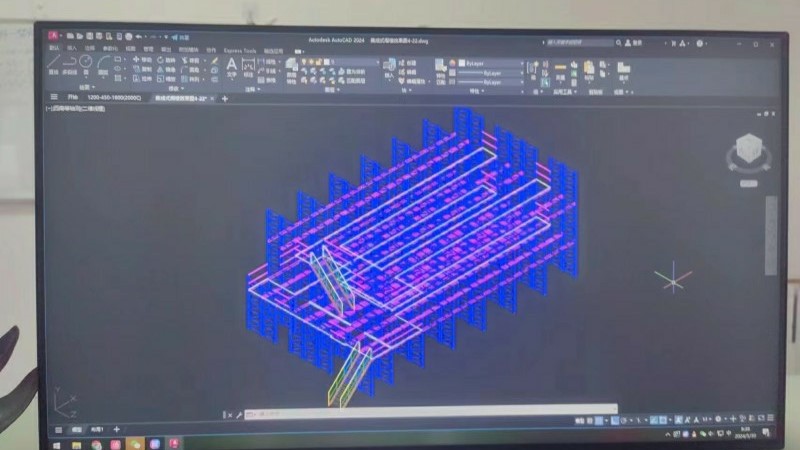
Unlike traditional selective racks where pallets are supported on horizontal beams across the structure, Drive-In systems support pallets on continuous rails attached to cantilever arms. Because there are no cross-aisle structural beams, the frame relies on overhead top bracing and back-diagonal bracing to maintain rigidity.
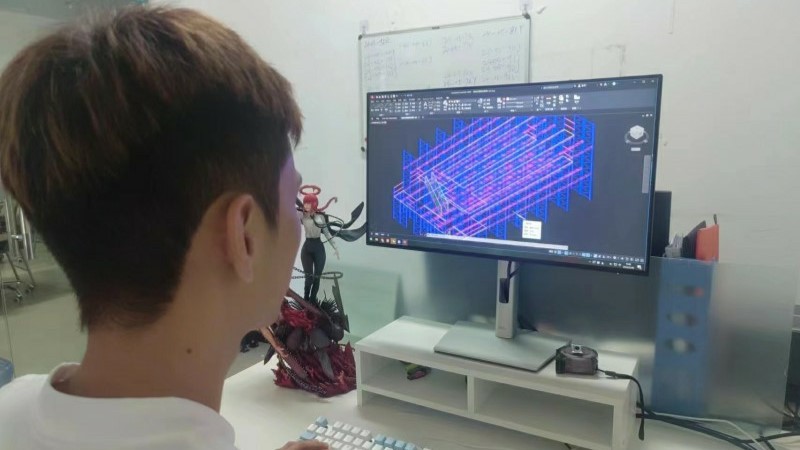
This layout requires careful structural engineering. The upright frames must be designed to withstand not only vertical static loads but also dynamic horizontal loads, such as wind, seismic activity, and forklift impacts. Our R&D engineering team calculates axial loads, column buckling, and torsional stress for each project using specialized finite element analysis (FEA) software. This process ensures the system performs reliably under real-world conditions.
"Driven by strong innovation, our experienced R&D team of 15 structural engineers released 35 new storage products last year. We offer complete customization options, including tailored load capacities, dynamic warehouse layouts, custom dimensions, and corrosion-resistant powder coatings. Our integrated supply chain network collaborates with over 650 qualified raw material and component partners, ensuring seamless production cycles and competitive pricing."
The durability of a Drive-In racking system starts with raw materials. Kelida uses structural carbon steel (such as Q235B and Q355B) characterized by yield strength and ductility.
Inside Kelida's 28,000 m² factory: Advanced production workflows and quality inspection processes.
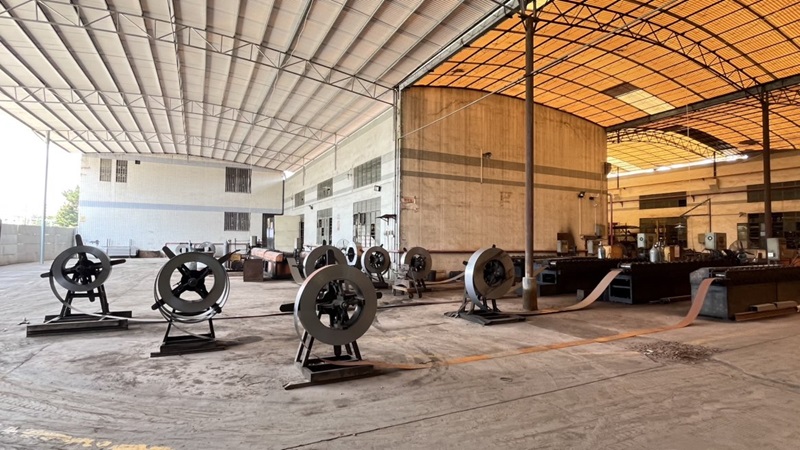
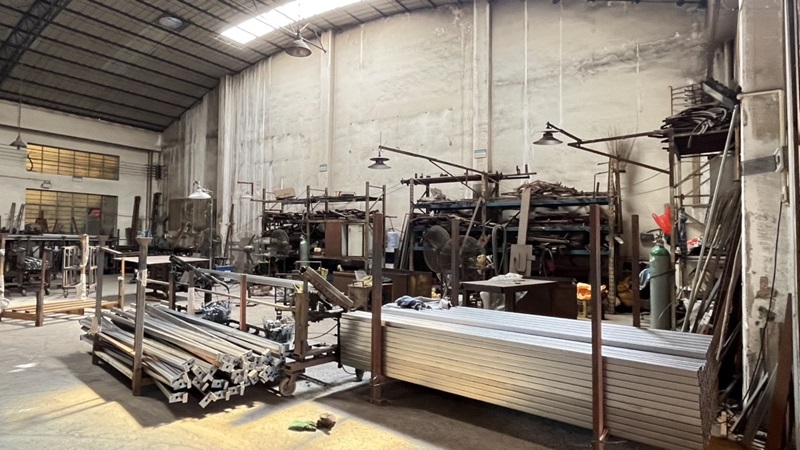
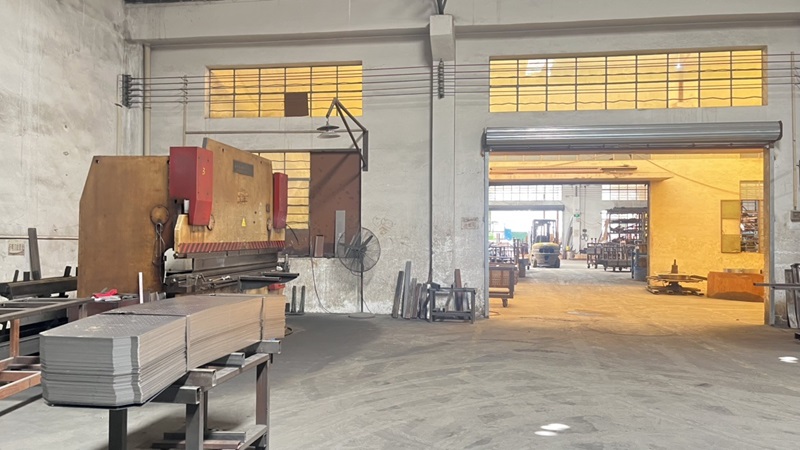
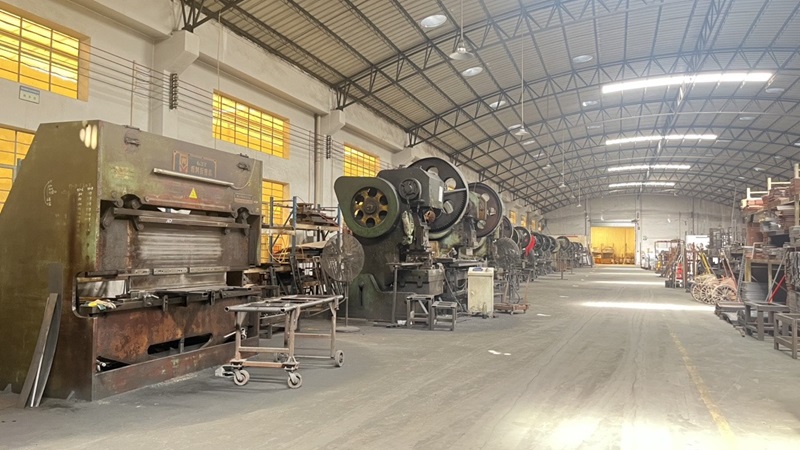
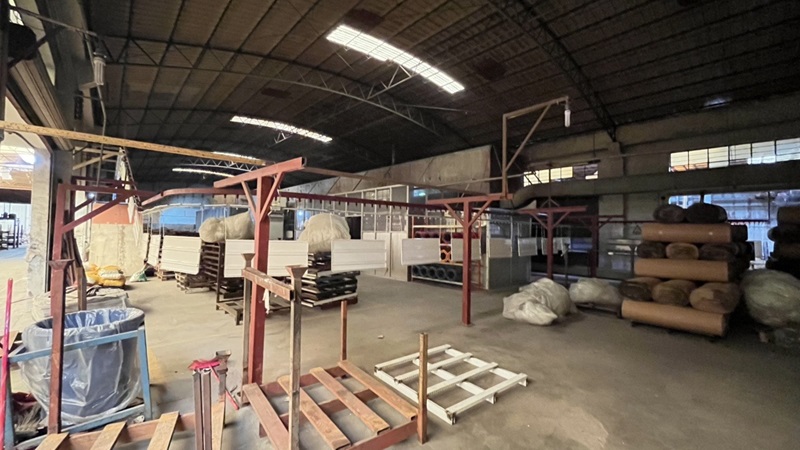
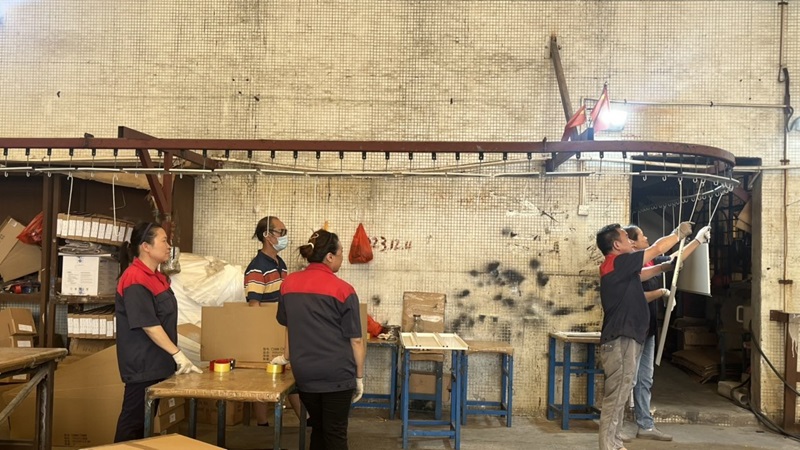
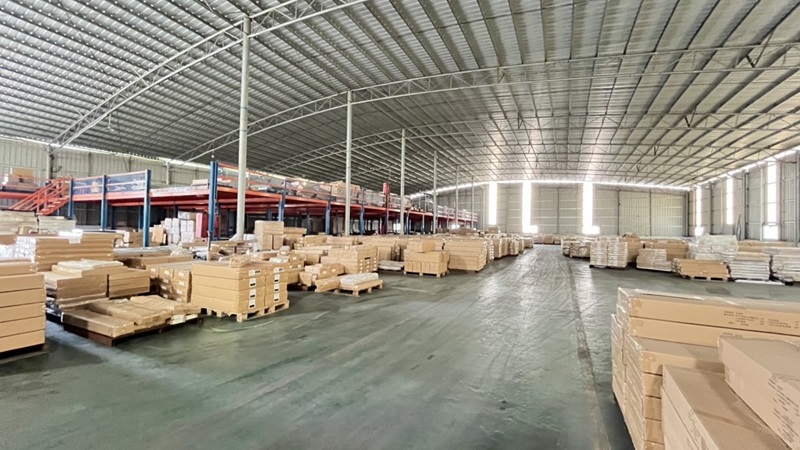
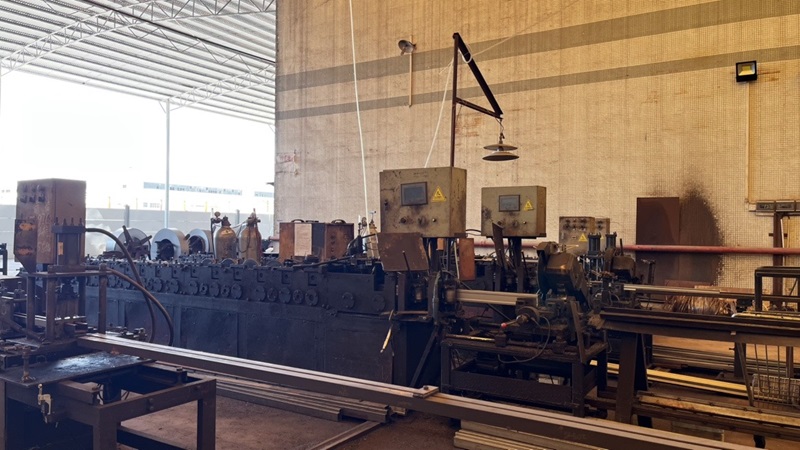
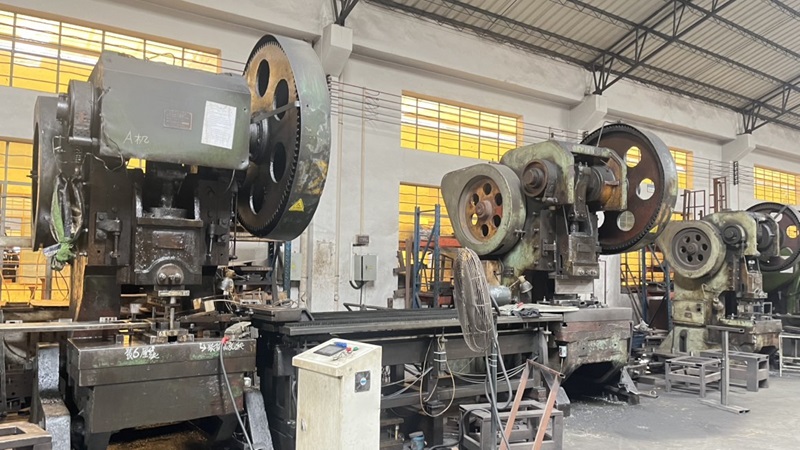
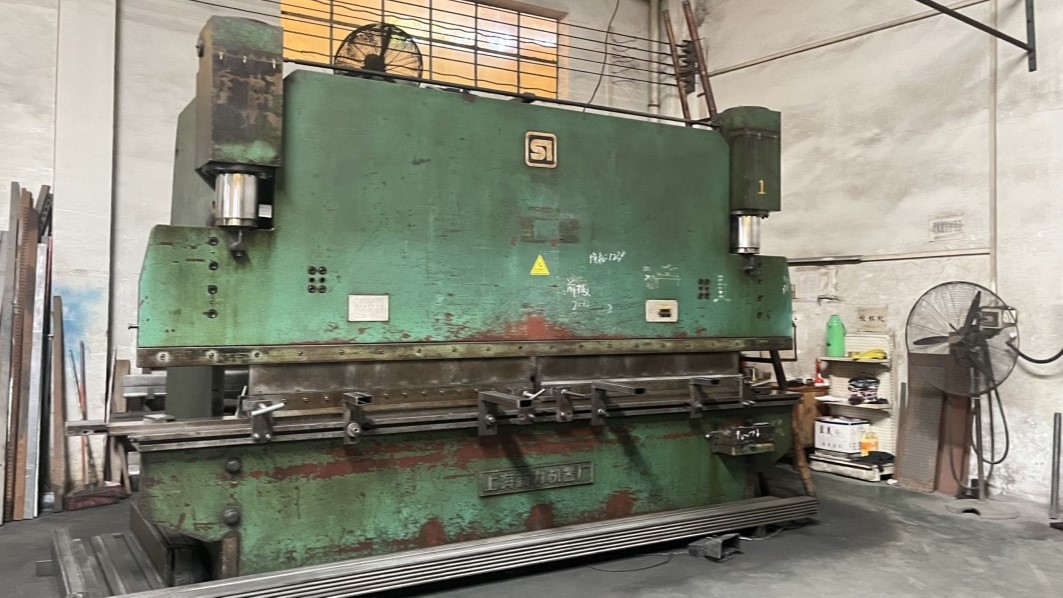
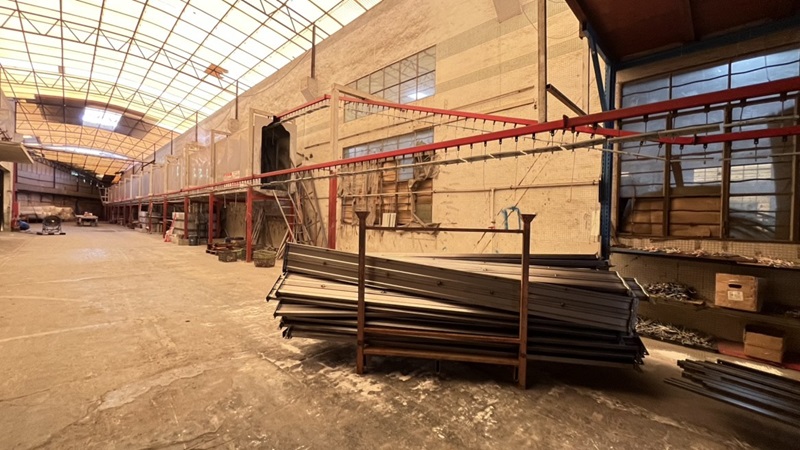
Because industrial racking systems support large weights overhead, quality control directly affects personnel safety and operational liability. At Kelida, our quality control practices verify structural integrity at every stage of production. From initial material sourcing to final container loading, every step is documented.
"Quality control is embedded in every stage of our operations. Supported by a dedicated quality assurance team of 22 QC specialists, we implement rigorous inspection procedures—including raw material tensile testing, automated weld inspection, dynamic load capacity verification, and salt-spray corrosion testing—to guarantee that every rack meets international safety standards."
Ningbo Kelida Shelf Co., Ltd. serves diverse international markets, each with its own regulatory requirements, seismic standards, and commercial practices. Our engineering team designs structures that comply with regional codes:
"As an export-oriented enterprise, our primary markets cover North America, Western Europe, Southeast Asia, and the Middle East. We proudly serve a diverse client base, including third-party logistics (3PL) providers, industrial manufacturing plants, e-commerce distribution hubs, and commercial wholesale distributors. Through high-durability products and reliable engineering support, Ningbo Kelida Shelf Co., Ltd. remains committed to optimizing warehouse efficiency for businesses worldwide."
The material handling industry is moving steadily toward automation. Standard Drive-In Racking, while cost-effective, relies on forklift operators driving inside the racking lanes. This increases the cycle time per pallet and the risk of accidental frame collisions.
To address these challenges, Kelida's R&D roadmap includes designing systems that can transition to Radio Shuttle Racking (Semi-Automated High Density). By retrofitting standard Drive-In structures with customized rails, operators can place a semi-automated shuttle cart in the lane. The shuttle then moves the pallets deep into the channel independently.
This hybrid approach increases safety by keeping forklifts out of the racking lanes, speeds up cycle times, and allows for FIFO management in individual lanes. Our designs include provisions for guide rails and sensor mounts, giving clients a clear path to future automation.
Direct answers to common structural engineering, procurement, and deployment questions.
Typically, we recommend designing Drive-In lanes between 4 to 8 pallets deep. Lanes exceeding 10 pallets deep increase forklift travel times and the risk of structural damage from forklift impact. If greater depth is needed, we recommend a dynamic Radio Shuttle system.
We use multiple protection layers: heavy-duty ground-anchored guide channels, upright column protectors made of structural steel or shock-absorbing polyurethane, reinforced bottom columns, and yellow safety powder coatings to improve visibility.
We use Q235B and Q355B structural steel, sourced from leading domestic steel companies. Mill test certificates, chemical analysis reports, and physical tensile strength verification data can be provided for every order.
Yes, but it requires a Drive-Through configuration with access aisles at both the front and rear. Material is loaded from one side and retrieved from the opposite side. Standard Drive-In setups with a single entry point are limited to LIFO (Last-In, First-Out).
Low temperatures can increase steel brittleness. For freezer operations below -20°C, we specify impact-resistant steel grades and customize the weld formulas to prevent fracture under impact loads.
In addition to our standard electrostatically applied thermo-hardened epoxy powder coating, we offer pre-galvanized components and hot-dip galvanized finishes for high-moisture or chemical-exposure environments.
Additional heavy-duty storage, retail display, and promotional equipment solutions from our factory.
 Kelida Racking