What are the primary factors to consider when choosing a warehouse racking system?
You should primarily evaluate your storage density requirements, pallet dimensions, maximum load weight capacity, inventory accessibility style (FIFO vs. LIFO), warehouse ceiling clearance height, and the type of forklift equipment used in your operations.
Can the racking systems be customized to fit specific product dimensions?
Yes, modern industrial racking systems are highly customizable. Standard frames and beams can be tailored to various heights, widths, and load capacities. Additional accessories such as wire mesh decking, row spacers, and customized support bars are also available.
What surface treatment options are available for industrial storage racks?
Typically, powder coating is the standard surface treatment, offering excellent durability, rust protection, and color customization. For cold storage or outdoor environments, hot-dip galvanized coating is recommended for superior corrosion resistance.
How is safety ensured with heavy-duty pallet racking systems?
Safety is ensured through structural engineering calculations matching your loads, utilizing floor anchoring bolts, installing safety pins for beam-to-column connections, and adding protective components like upright frame guards and column protectors to prevent forklift collision damage.
What is the difference between roll-formed and structural steel racking?
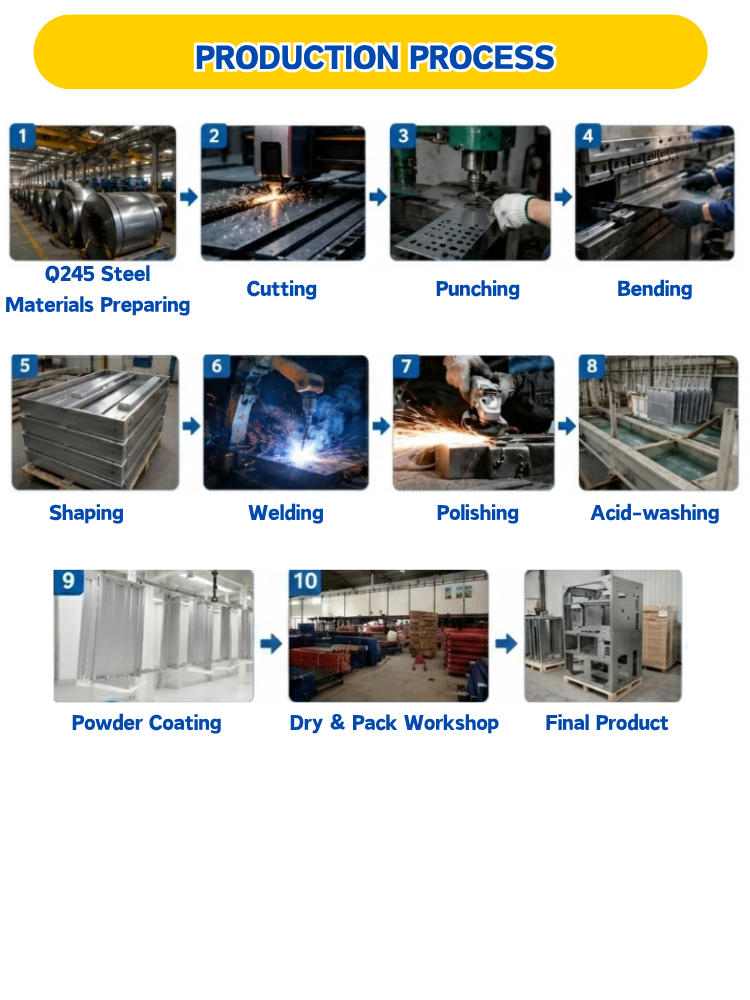
Roll-formed racking is made of cold-rolled steel, which is lightweight, cost-effective, and easy to adjust. Structural steel racking is manufactured from hot-rolled channel steel, providing significantly higher load capacity, superior impact resistance, and durability in tough environments.
How often should warehouse storage racking undergo inspection?
We recommend conducting visual safety checks on a daily or weekly basis by internal warehouse personnel, alongside comprehensive annual safety audits by certified third-party inspectors to identify structural damage or load issues.
 Kelida Racking