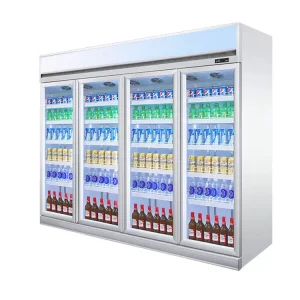
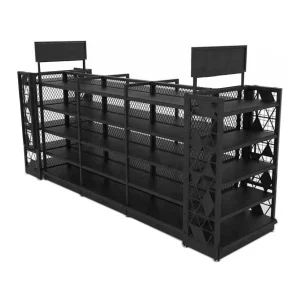
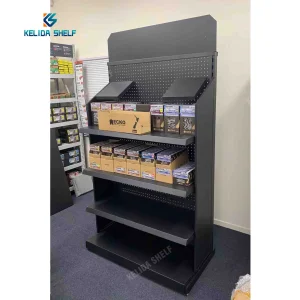
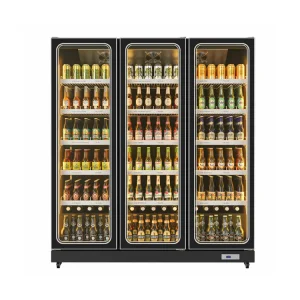
Explore our premium range of commercial and industrial storage solutions engineered for maximum density and throughput.
An Analysis of Economic Drivers and Space Optimization in Modern Supply Chains
The global logistics landscape is undergoing a structural transition driven by skyrocketing industrial real estate costs, expanding SKU counts, and the consolidation of distribution channels. Enterprises in North America, Western Europe, and the APAC region are moving away from traditional selective racking systems towards high-density dynamic storage. Among these, Pallet Flow Storage (Gravity Flow Racking) has emerged as the definitive standard for operations demanding first-in, first-out (FIFO) inventory control, high throughput velocity, and optimal floor utilization.
From 3PL providers managing high-turnover consumer goods to temperature-controlled cold storage facilities where electricity consumption is directly tied to cubic volume, maximizing warehouse density is no longer a cost-saving measure—it is a critical operational imperative. Pallet flow storage achieves up to a 60% reduction in the warehouse footprint compared to selective racking by eliminating multiple access aisles. This dynamic system uses inclined roller lanes equipped with speed controllers and safety separators, allowing gravity to transport pallets smoothly from the loading aisle to the picking face.
The Physics and Structural Integrity of Dynamic Gravity Flow Racking
Engineering a reliable pallet flow storage system requires precise calculations of dynamic friction, load-carrying capacity, structural deflection, and deceleration mechanics. A failure to balance these factors can lead to pallet hang-ups, runaway loads, or structural fatigue. Below are the key engineering pillars of the Ningbo Kelida Pallet Flow Storage system:
Standard lanes are designed with a 3% to 4% slope (approx. 35mm drop per meter) to allow standard 1200kg industrial pallets to flow at a controlled velocity of 0.25 to 0.3 m/s, preventing load collisions.
Centrifugal speed controllers are integrated directly into the roller tracks at predefined intervals (typically one every pallet position) to govern the velocity profile across deep-lane configurations (up to 20 pallets deep).
An automatic separator mechanism isolates the first pallet at the discharge face from the pressure of the accumulating rear pallets, allowing forklifts to extract pallets without friction bind.
Our structural designs are executed in compliance with RMI (Rack Manufacturers Institute) and EN 15512 standards. We utilize premium Q235B and Q355 structural steel profiles. The upright frames are cold-roll-formed to complex profiles with multiple bends, increasing the moment of inertia and buckling resistance. Upright frames are rated for static capacities exceeding 24,000 kg, and custom-designed roll tracks handle dynamic rolling loads of up to 1,500 kg per pallet position with a safety factor of 1.5.
Inside Ningbo Kelida Shelf Co., Ltd. - A Tour of Our 28,000㎡ Modern Infrastructure
Ningbo Kelida Shelf Co., Ltd., established in 2014, merges 12 years of industry experience with state-of-the-art machinery to manufacture high-tolerance warehouse racking. Our facility is equipped with automated laser cutters, precision bending machines, and high-frequency robotic welding cells to ensure maximum structural reliability.
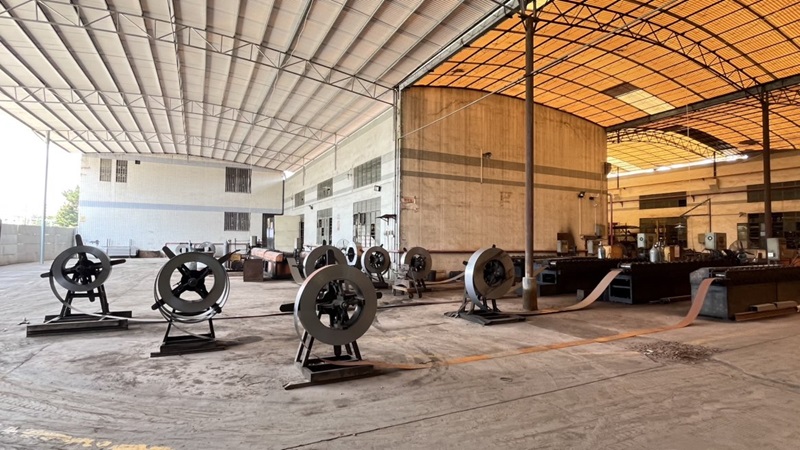
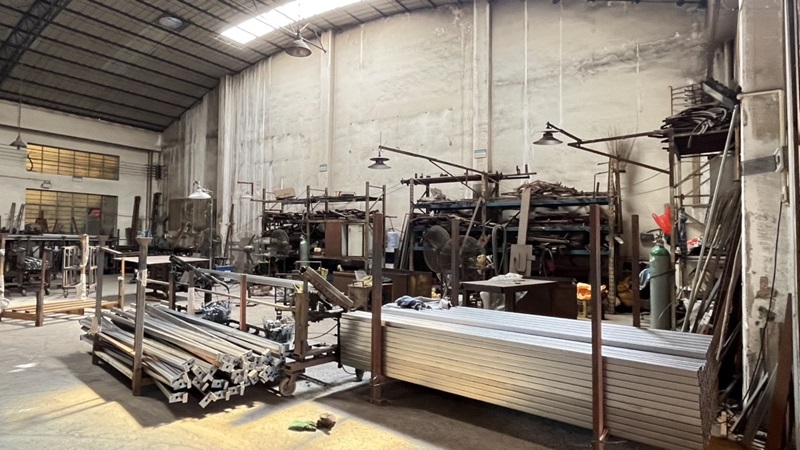
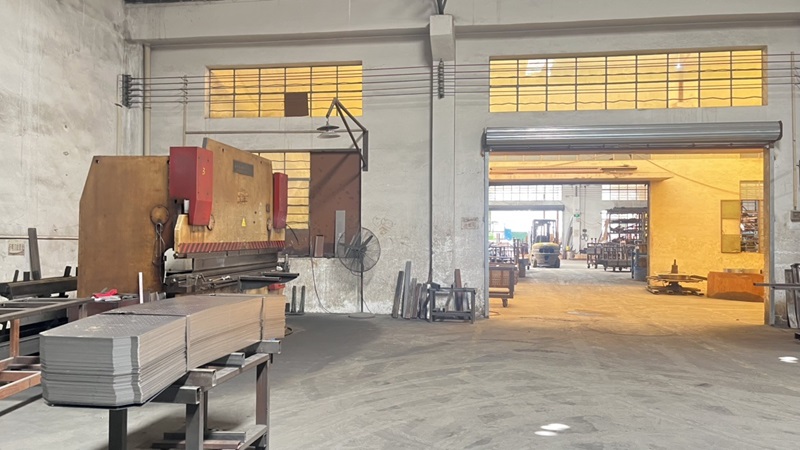
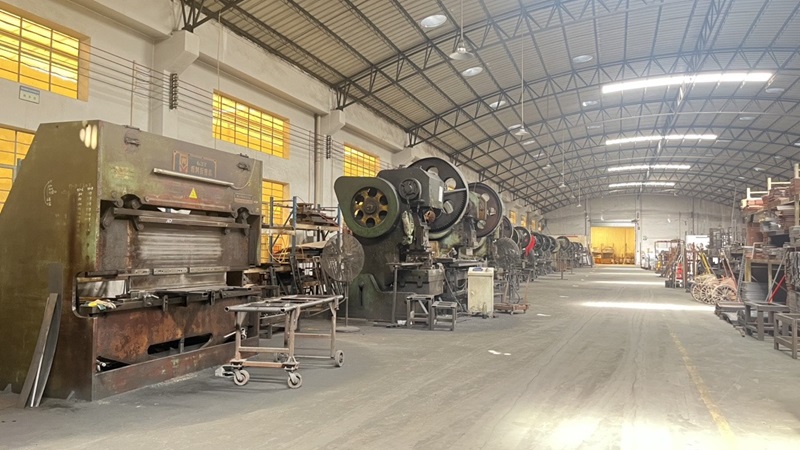
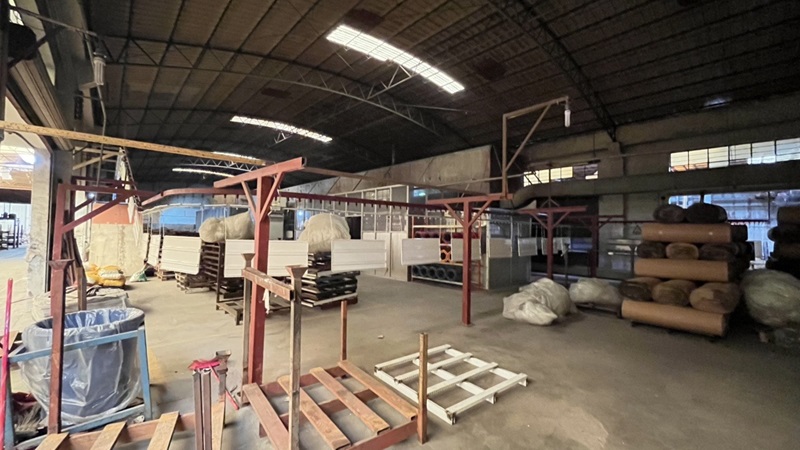
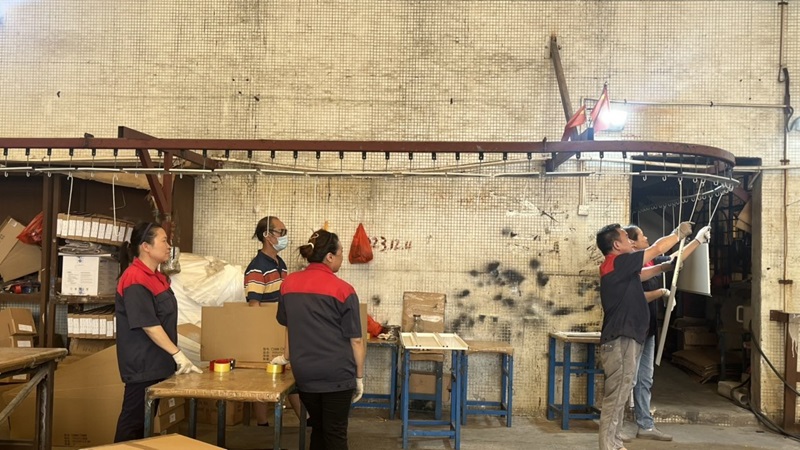
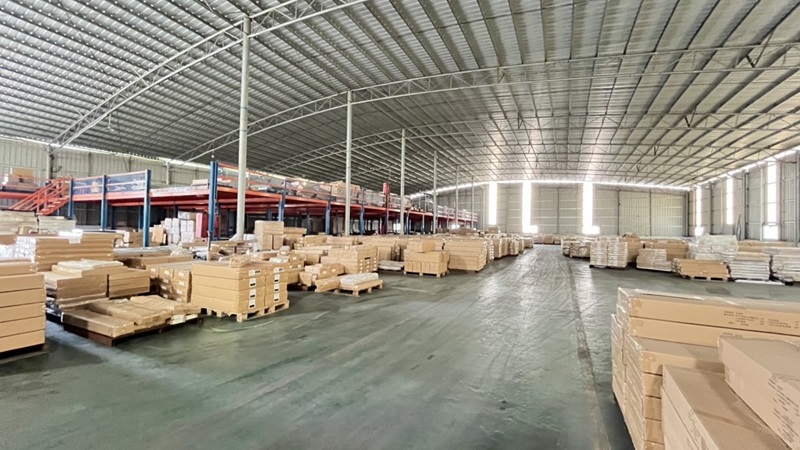
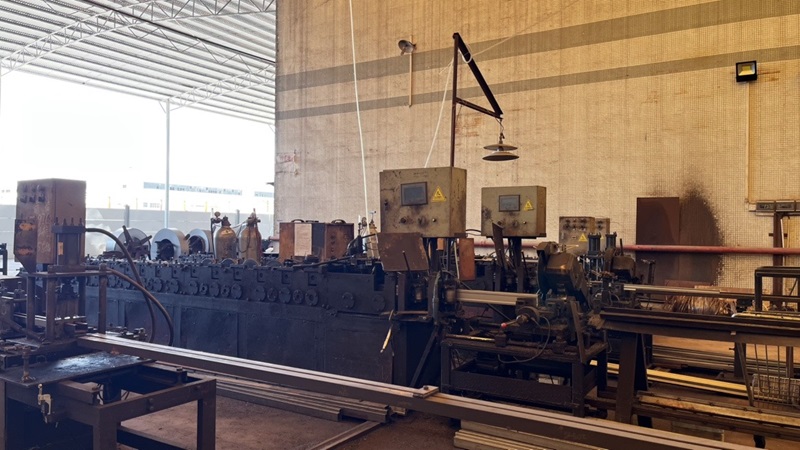
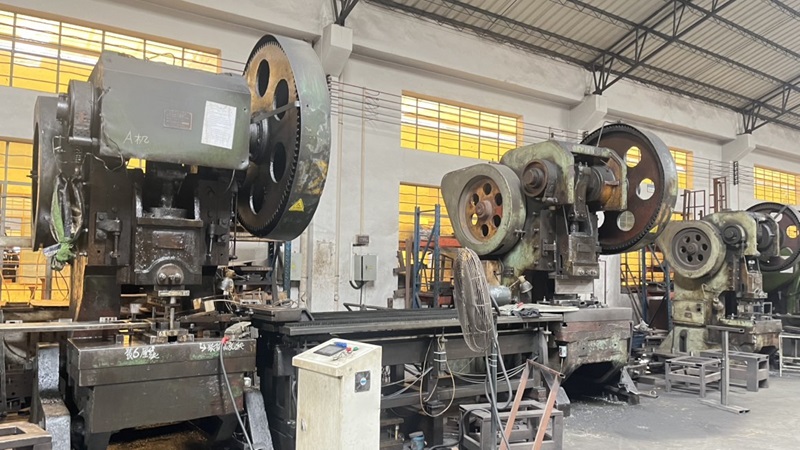
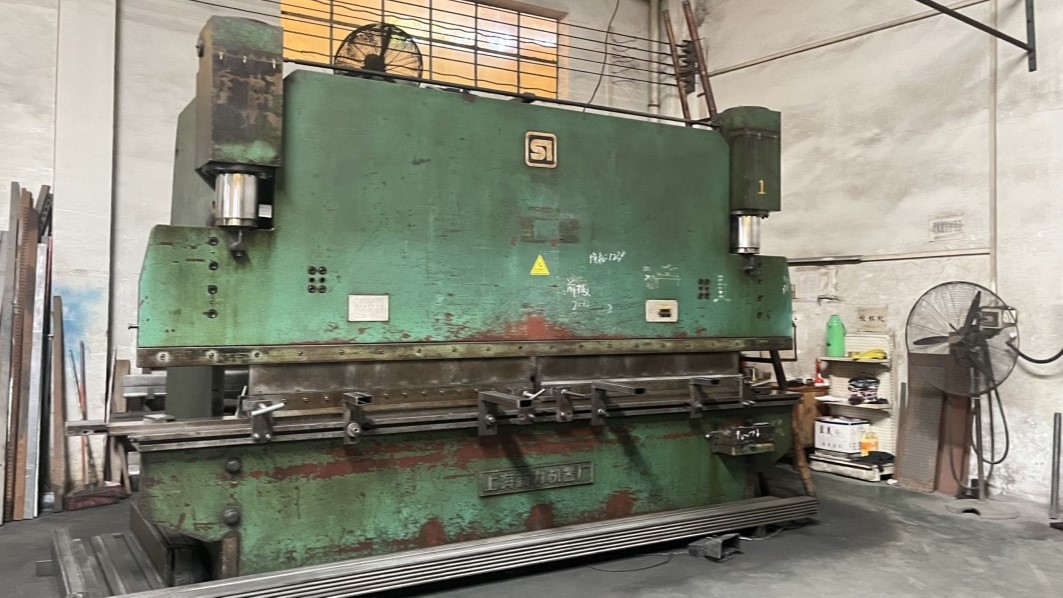
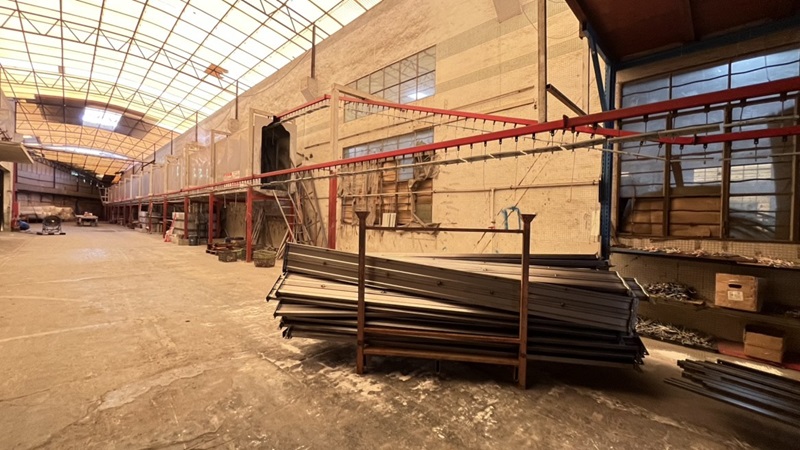
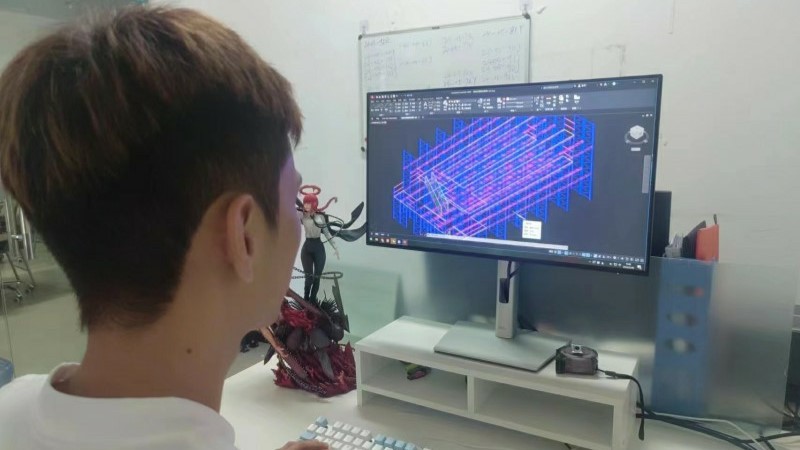
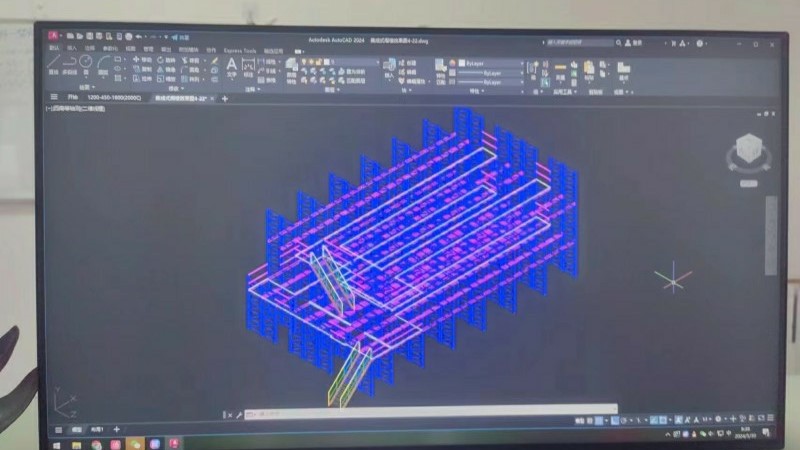 Engineering Center: Custom 2D layouts and structural 3D load analysis simulations.
How Kelida Guarantees Zero-Defect Manufacturing on Global Consignments
Our quality control department is staffed by 22 certified QC specialists who conduct inspections throughout the production cycle. We realize that dynamic storage systems involve moving parts and significant kinetic energy. Therefore, our testing procedures exceed those of standard static storage shelving. The standard test program includes:
Our structural R&D division, featuring 15 specialized structural engineers, released 35 new customized racking variations last year alone. Our customization options are exhaustive, covering customized load capacities up to 2,500 kg per pallet, custom lane dimensions, structural configurations (including LIFO Push-Back systems), and specialized rust protection for temperatures down to -30°C.
The Convergence of Dynamic Gravity Storage and Autonomous Warehouse Systems
As logistics complexes shift away from manual forklifts, the design of dynamic pallet flow discharge faces must adapt. We are engineering localized deceleration zones and precision sensor plates to allow automated guided vehicles (AGVs) and AMRs to extract pallets safely without physical misalignment or impact damage.
Kelida's forward-looking R&D focuses on incorporating low-power wireless sensors inside braking rollers. These sensors report rotation velocity, temperature, and usage patterns to a central Warehouse Management System (WMS), alerting managers to preventative maintenance needs before a roller failure halts a lane.
With global companies prioritizing carbon neutrality, gravity-driven storage systems present a major advantage. Requiring zero electrical energy to move pallets down the lane, pallet flow systems are the greenest high-density storage option available. We are currently testing lightweight composite rollers to further reduce the initial inertia required for low-weight pallets.
Mitigating Risks in Transnational Racking Procurements
Procuring industrial racking systems from an overseas manufacturer can present logistical and regulatory challenges. Ningbo Kelida Shelf Co., Ltd. addresses these concerns by offering end-to-end compliance support and site service coordination:
We supply complete engineering drawings, calculation reports, and material mill certificates. All designs meet local standards, including the RMI specification in the US and the European EN 15512 codes.
Our engineers perform finite element analysis to ensure the safety of your racking layouts in seismic zones, optimizing the thickness of column profiles, baseplates, and anchorage depth.
To guarantee safety, we provide detailed, step-by-step installation manuals, 3D video walk-throughs, and remote engineering support to ensure your local installation crews assemble the racking systems correctly.
Expert Answers to Help Inform Your Racking Specifications
Ningbo Kelida designs and manufactures a wide range of warehouse racking, display shelving, and commercial storage solutions.
 Kelida Racking