Frequently Asked Questions
What are the primary advantages of utilizing heavy-duty industrial racking?
Heavy-duty industrial racking maximizes vertical warehouse space, improves inventory accessibility, and enhances overall operational efficiency. It provides organized storage for palletized goods, allowing quick retrieval and safer material handling.
How do I choose the right racking system for my storage facility?
Choosing the right system depends on factors such as your storage capacity goals, SKU diversity, pallet sizes, weight capacity requirements, and the types of forklifts or material handling equipment in use.
Can these racking systems be adjusted or customized for different load heights?
Yes, most modern racking systems feature modular components. The beams can be easily adjusted along the vertical upright frames to accommodate changing pallet heights and varying storage requirements.
What safety measures should be implemented with pallet racks?
Key safety measures include installing column protectors to absorb forklift impacts, wire mesh decking for product support, row spacers for structural stability, and scheduling regular structural inspections to detect damage early.
Are these racking components designed to resist corrosion?
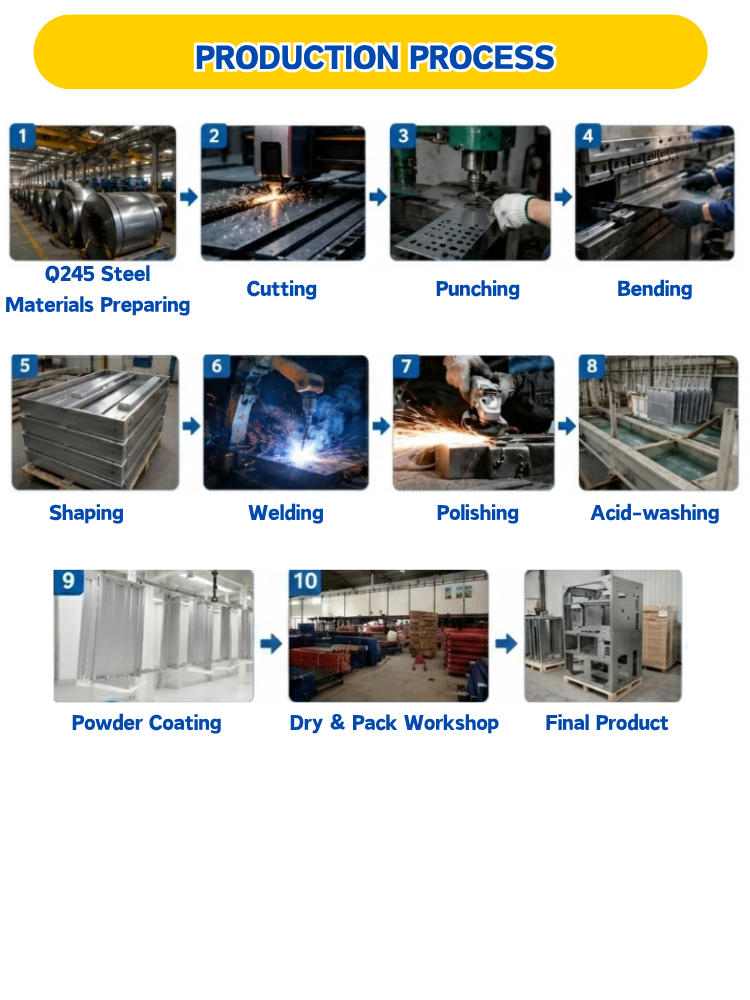
Yes, they are manufactured with durable surface treatments, typically powder coating or galvanization, which provide strong resistance against corrosion, wear, and rust in various industrial environments.
What information is needed to get an accurate racking layout design?
To design an optimized layout, you should provide clear warehouse dimensions, floor load capacity details, ceiling heights, locations of columns/obstructions, pallet specifications (dimensions and weight), and forklift turning radius constraints.
 Kelida Racking