High-durability structural components, storage platforms, and retail systems engineered for operational efficiency.
A premier global manufacturing destination for automated racking and warehouse optimization systems.
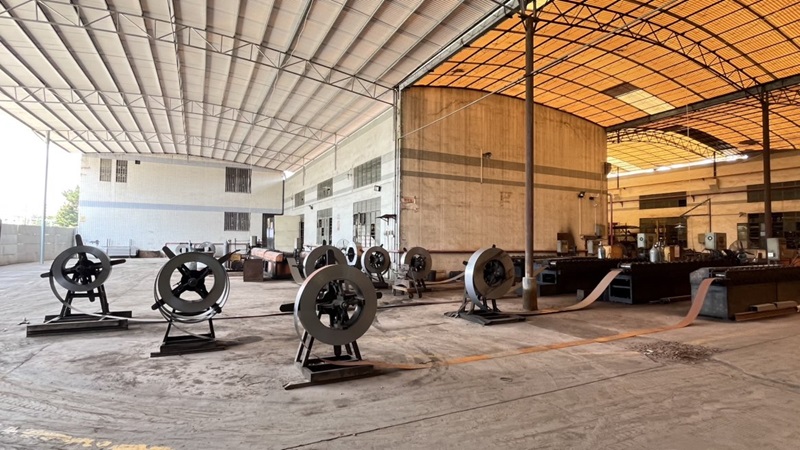
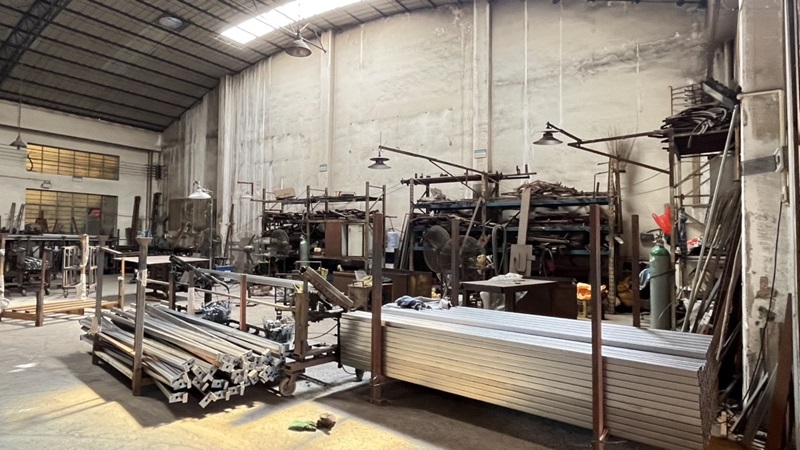
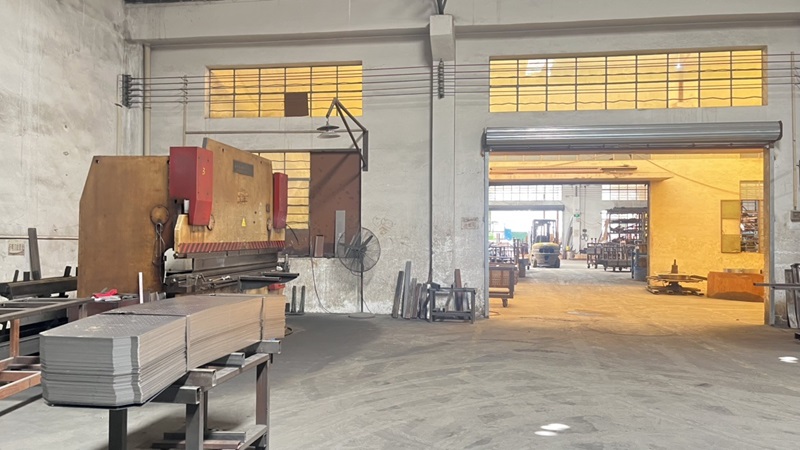
“Ningbo Kelida Shelf Co., Ltd. is a leading manufacturer specializing in industrial warehouse racking and heavy-duty storage shelving solutions. Established in 2014, the company operates a modern manufacturing facility spanning 28,000 square meters. Backed by 12 years of industry experience and 8 years of international trade expertise, Kelida has grown into a trusted global supplier, achieving an annual export revenue of over $18 million.”
We inspect and optimize every step of production, from raw steel selection to final surface treatment, ensuring high structural load integrity.
“Quality control is embedded in every stage of our operations. Supported by a dedicated quality assurance team of 22 QC specialists, we implement rigorous inspection procedures—including raw material tensile testing, automated weld inspection, dynamic load capacity verification, and salt-spray corrosion testing—to guarantee that every rack meets international safety standards.”
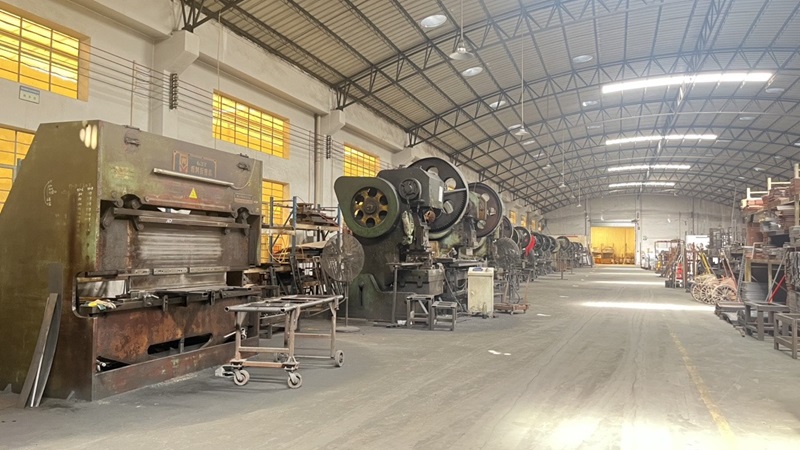
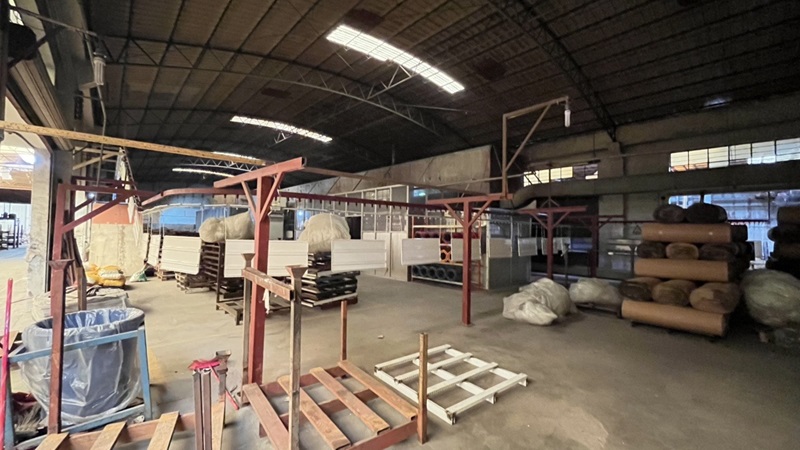
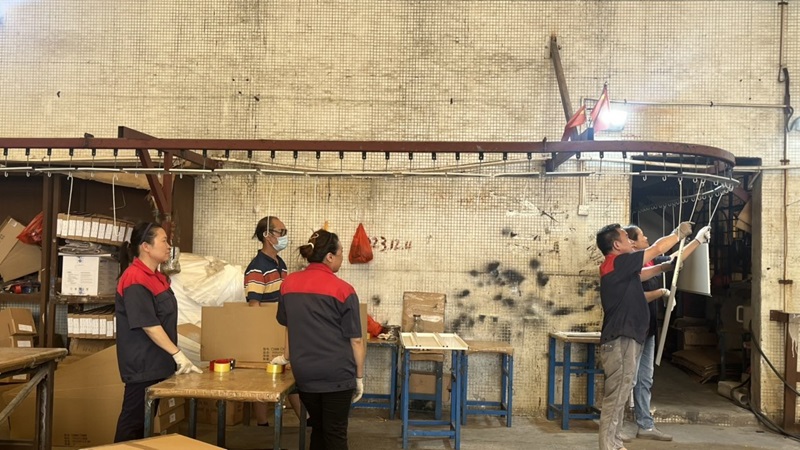
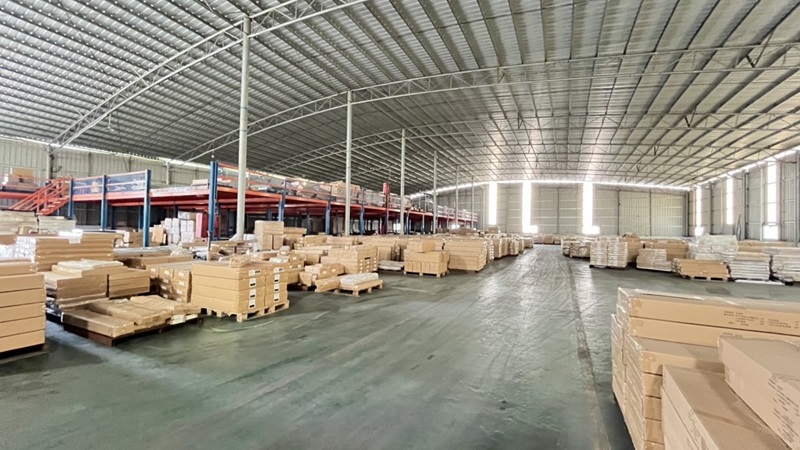
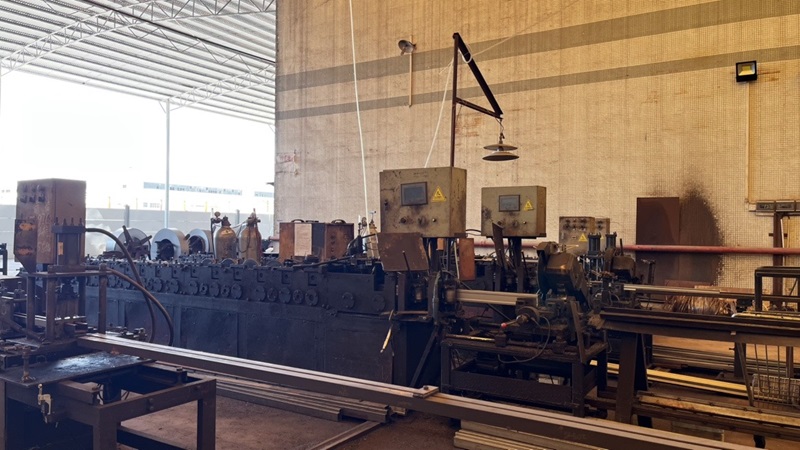
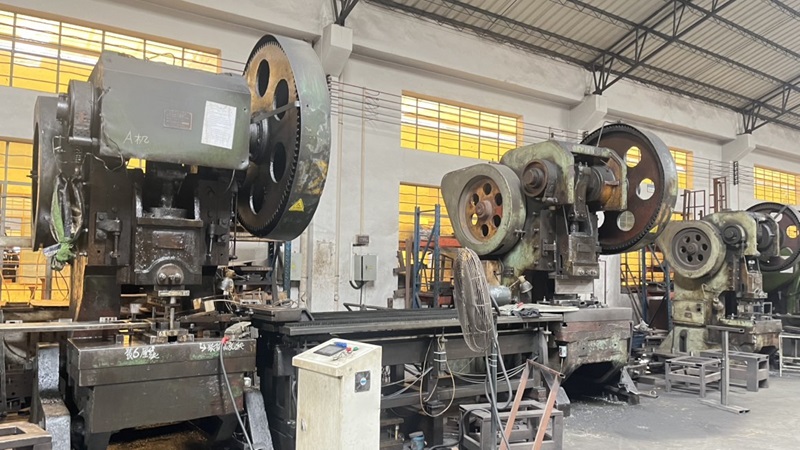
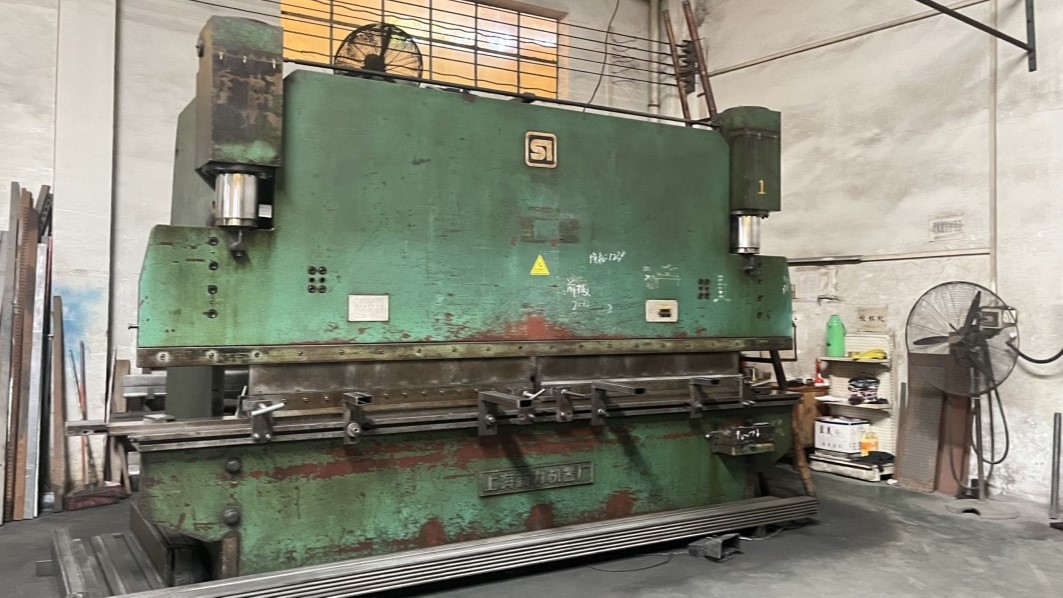
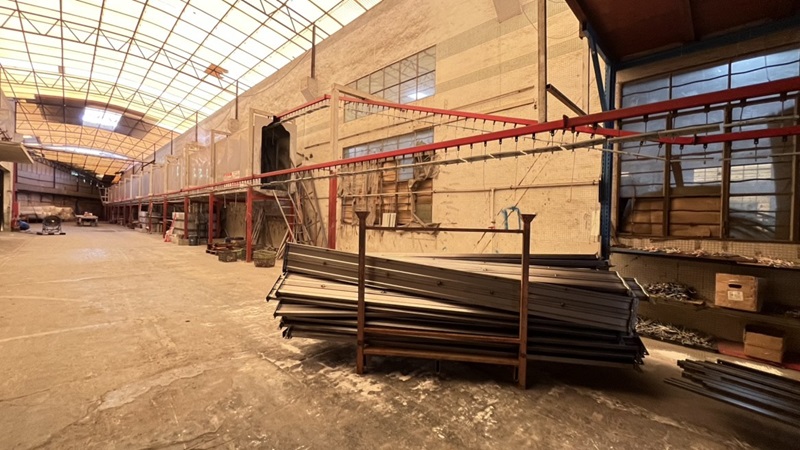
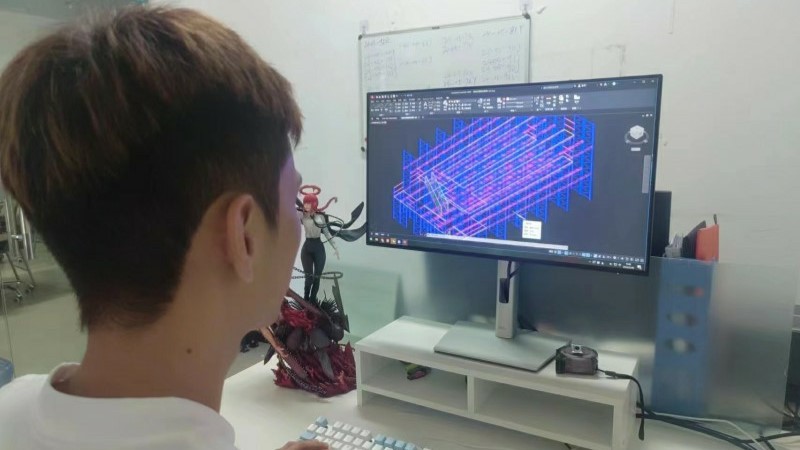
“Driven by strong innovation, our experienced R&D team of 15 structural engineers released 35 new storage products last year. We offer complete customization options, including tailored load capacities, dynamic warehouse layouts, custom dimensions, and corrosion-resistant powder coatings. Our integrated supply chain network collaborates with over 650 qualified raw material and component partners, ensuring seamless production cycles and competitive pricing.”
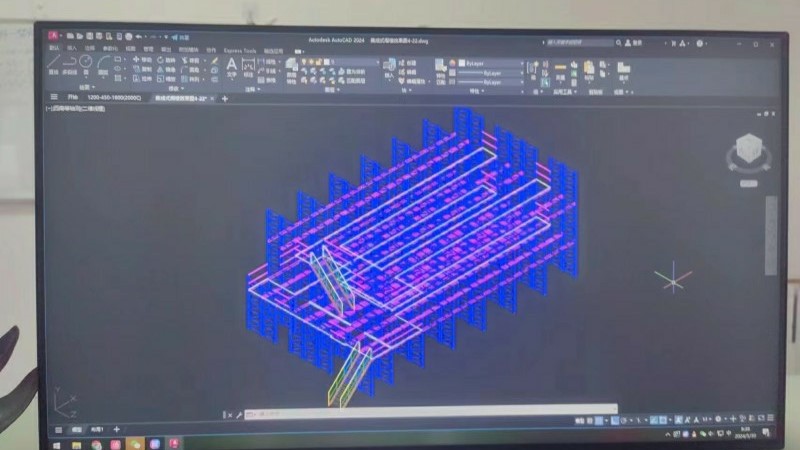
Computer-aided FEA (Finite Element Analysis) for Structural Stability Verification
The landscape of global supply chain management is undergoing a significant transition. Rising real estate costs, structural labor shortages, and the expansion of multi-channel e-commerce have made traditional warehousing methods unsustainable. Modern operations require higher density, speed, and accuracy. Automated Storage and Retrieval Systems (ASRS) address these needs by integrating structural engineering with automated robotics to optimize vertical storage volume.
As a leading exporter of heavy-duty racking and structural storage solutions, Ningbo Kelida Shelf Co., Ltd. designs and fabricates high-precision racking subsystems. These steel frameworks form the physical backbone of high-rise ASRS environments. Because automated systems rely on precise alignments, our engineering processes focus on tight dimensional tolerances. This ensures that stacker cranes, shuttle systems, and automated guided vehicles (AGVs) can operate without mechanical interference.
Utilizes ceiling heights up to 40 meters, reducing the overall building footprint by up to 60% compared to conventional storage layouts.
Enables 24/7 automated material flow, reducing reliance on manual forklift operations and lowering long-term operating costs.
Engineered using high-tensile steel (Q235B/Q355B) and validated through finite element analysis (FEA) to withstand static and dynamic load forces.
An ASRS installation is a unified system combining structural steel, mechanical drives, and software control layers. A typical system includes:
Ningbo Kelida's R&D team collaborates with automation providers to ensure that our structural components integrate with control mechanisms. This engineering alignment helps prevent crane dwell time, sensor detection errors, or structural vibrations during high-speed movements.
“As an export-oriented enterprise, our primary markets cover North America, Western Europe, Southeast Asia, and the Middle East. We proudly serve a diverse client base, including third-party logistics (3PL) providers, industrial manufacturing plants, e-commerce distribution hubs, and commercial wholesale distributors.”
Industrial procurement teams assess ASRS components based on total cost of ownership (TCO) and structural reliability. In North America and Western Europe, projects must comply with strict building codes, AISC/RMI standards, and CE machinery directives. In Southeast Asia and the Middle East, growing logistics hubs prioritize rapid deployment and modular layouts that allow for future expansion.
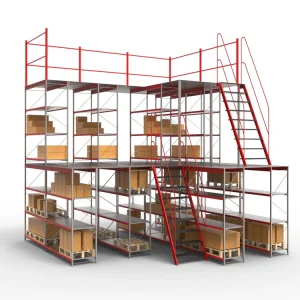
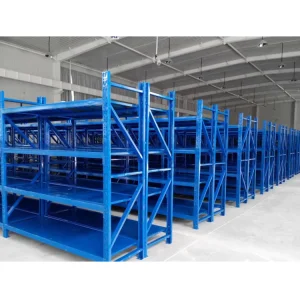
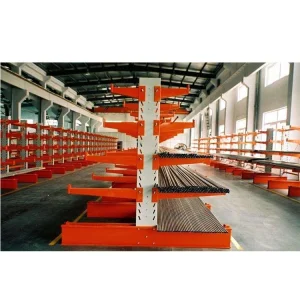
Engineered to support heavy unit loads and optimize space across industrial warehouses and logistics hubs.
 Kelida Racking