Explore our high-durability production lines designed for optimizing modern warehousing capacities and retail store layouts.
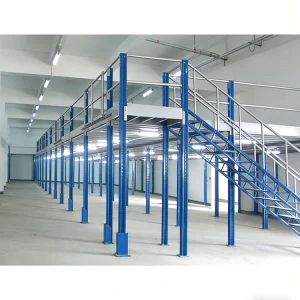
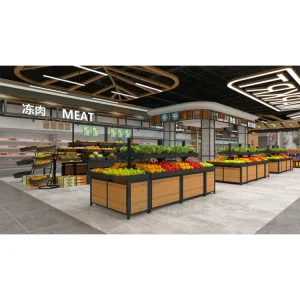
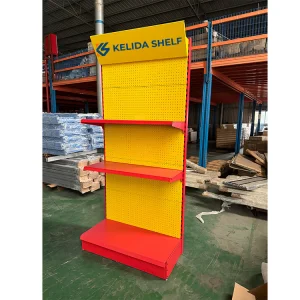
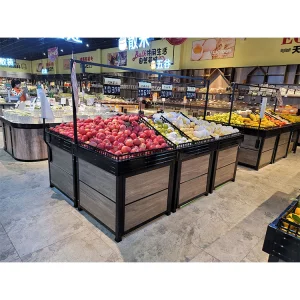
Cold chain logistics structures are significantly different from ambient warehousing systems. In sub-zero environments ranging from 0°C to -30°C, steel exhibits structural changes, specifically an increased risk of brittle fracture under tension. Achieving optimal density is crucial because temperature control in cold storage is highly energy-intensive. Operators cannot afford wasted air space. Consequently, selecting raw materials, implementing strict welding parameters, and choosing specialized surface treatments are critical engineering requirements.
As search engines prioritize "Information Gain", it is important to address the challenges that buyers face when sourcing cold storage racking systems. Buyers look for racking structures that can withstand cold temperatures without material fatigue, utilize vertical space efficiently to reduce cooling costs, and integrate seamlessly with Automated Storage and Retrieval Systems (AS/RS).
The Chinese manufacturing sector for material handling equipment has shifted from basic steel fabrication to advanced engineering solutions. Sourcing cold storage racks from a specialized Chinese manufacturer like Ningbo Kelida offers distinct competitive advantages:
| Evaluation Parameter | Ningbo Kelida Cold Storage Engineering Standards | Standard Commercial Grade Racking |
|---|---|---|
| Steel Selection | Low-temperature optimized Q235B / Q345B steel with certified impact toughness at -20°C. | Standard hot-rolled Q235 carbon steel without low-temperature batch testing. |
| Welding Integrity | Automated robotic gas-shielded welding ensuring consistent, deep-penetration joints. | Manual or semi-automated welding with varying structural penetration levels. |
| Surface Protection | Dual-layer electrostatic powder coating or Hot-Dip Galvanization (EN ISO 1461). | Standard single-coat powder finish vulnerable to condensation-induced oxidation. |
| Seismic & Load Analysis | FEM 10.2.02 and RMI standard compliant, simulated under sub-zero load-bearing profiles. | Generic load ratings calculated exclusively for ambient-temperature facilities. |
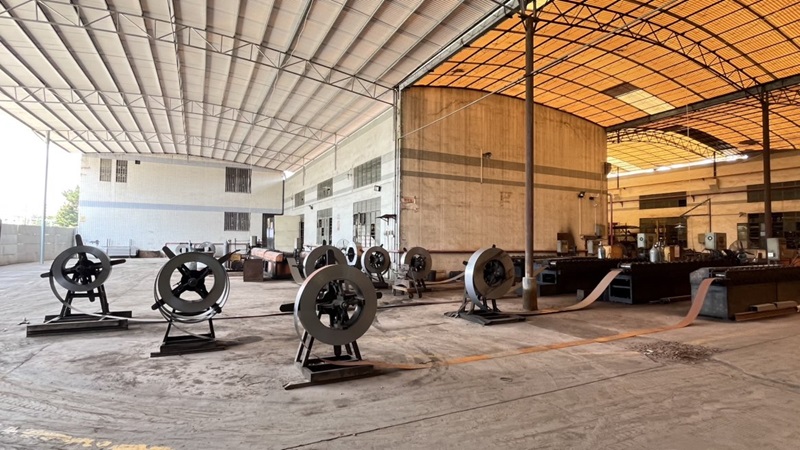
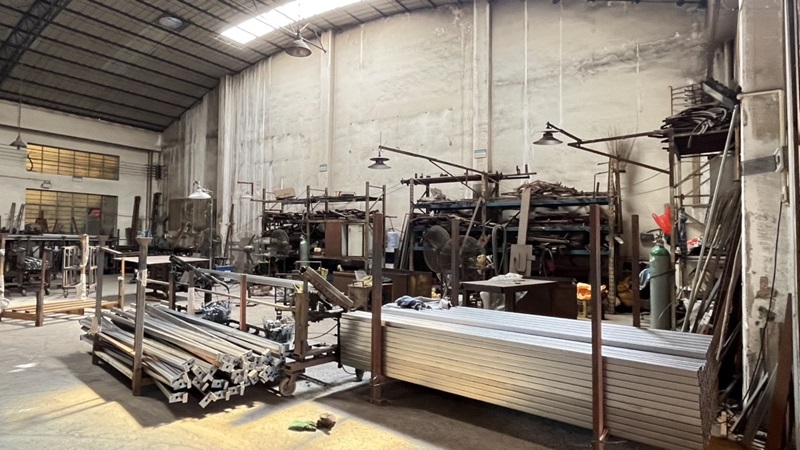
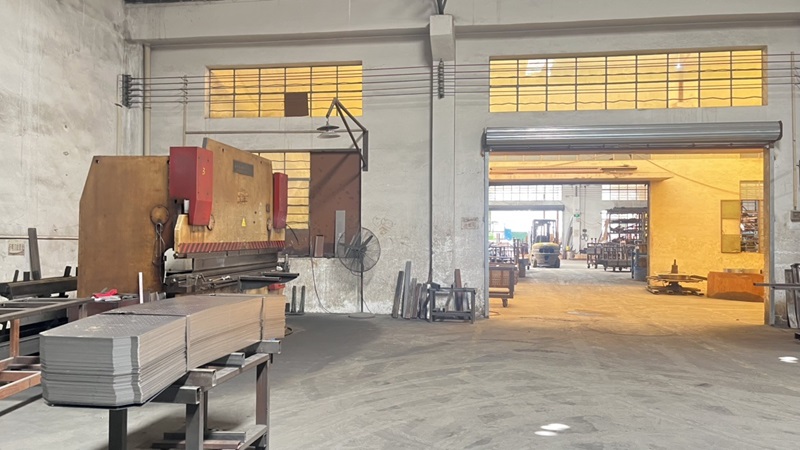
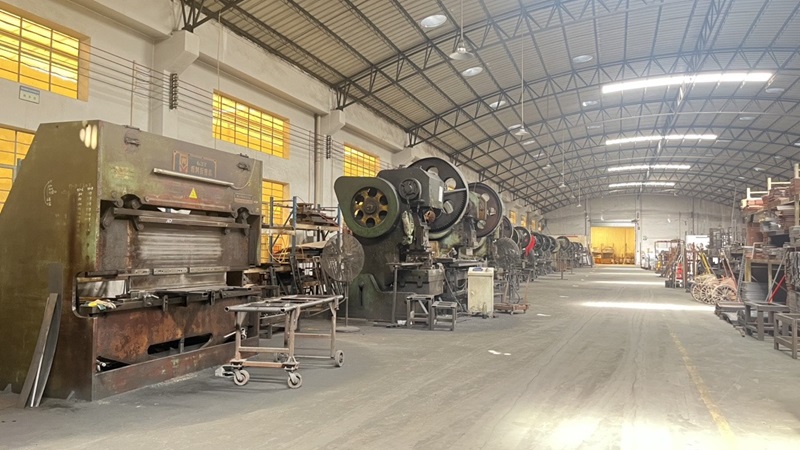
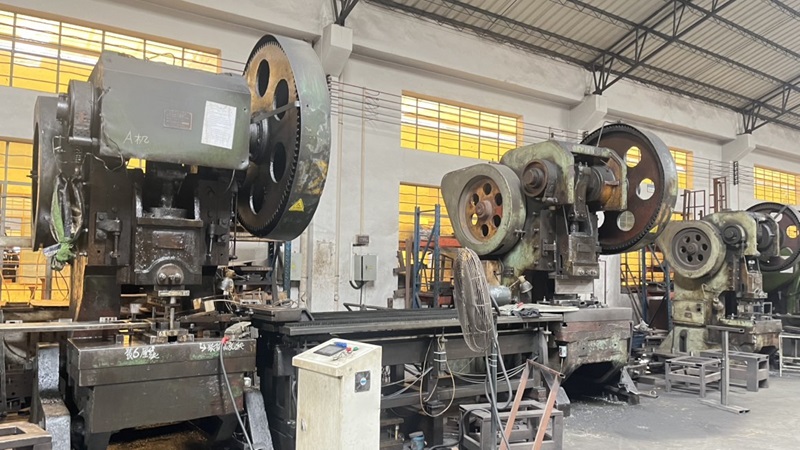
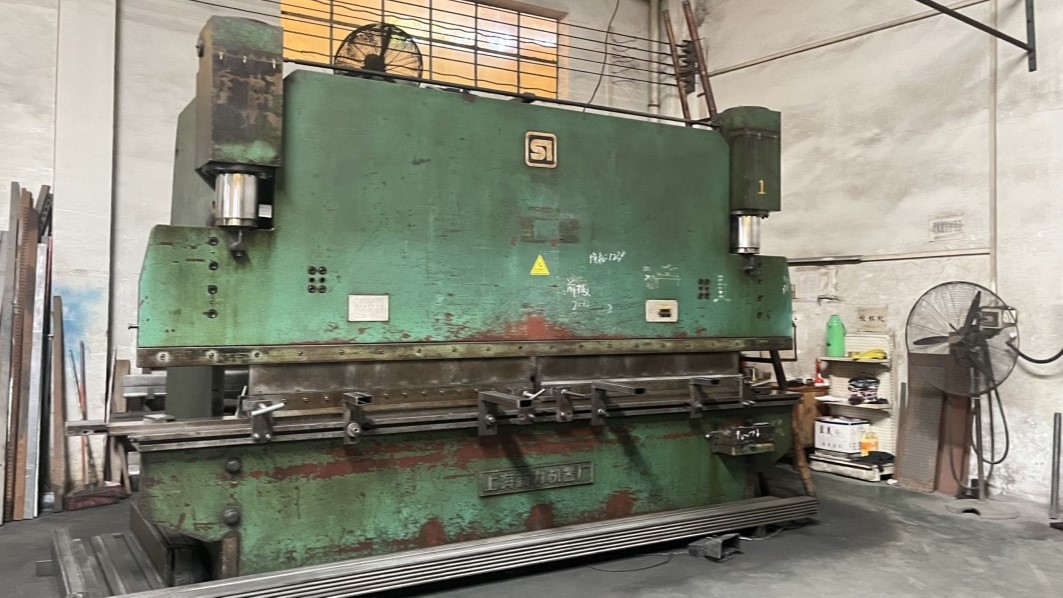
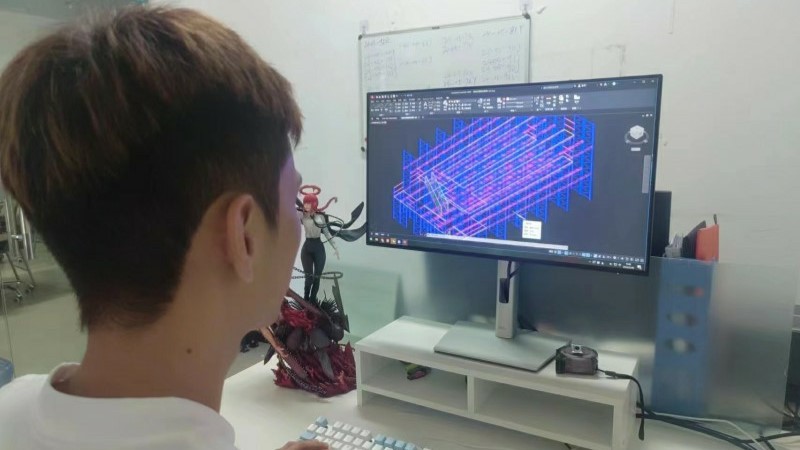
Driven by strong innovation, our experienced R&D team of 15 structural engineers released 35 new storage products last year. We offer complete customization options, including tailored load capacities, dynamic warehouse layouts, custom dimensions, and corrosion-resistant powder coatings. Our integrated supply chain network collaborates with over 650 qualified raw material and component partners, ensuring seamless production cycles and competitive pricing.
Quality control is embedded in every stage of our operations. Supported by a dedicated quality assurance team of 22 QC specialists, we implement rigorous inspection procedures—including raw material tensile testing, automated weld inspection, dynamic load capacity verification, and salt-spray corrosion testing—to guarantee that every rack meets international safety standards.
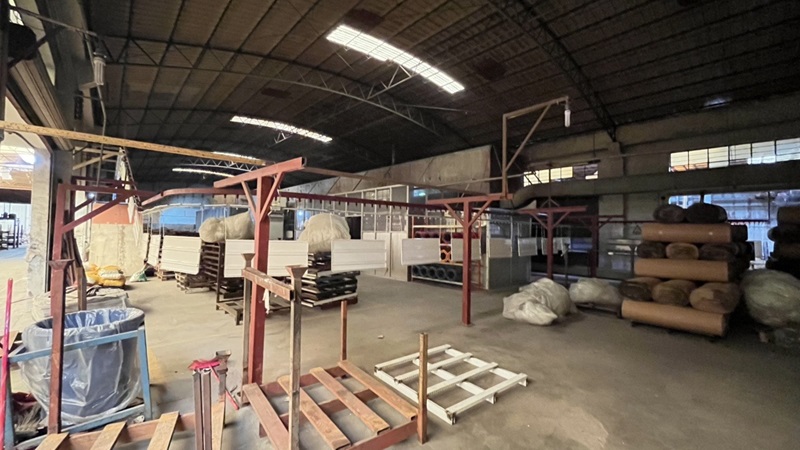
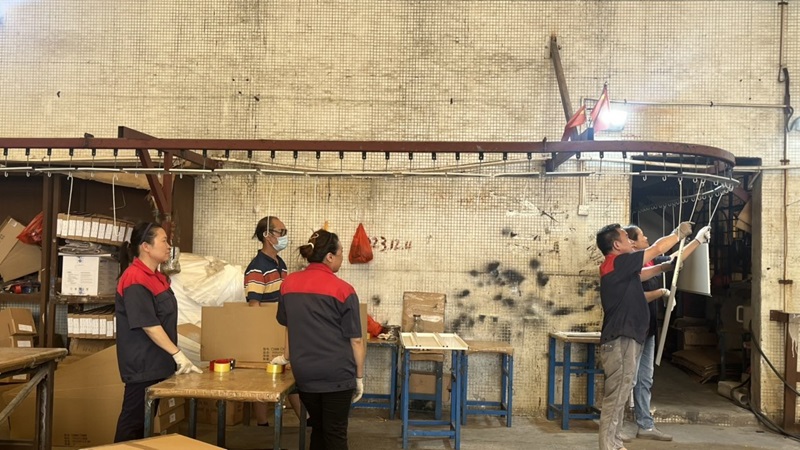
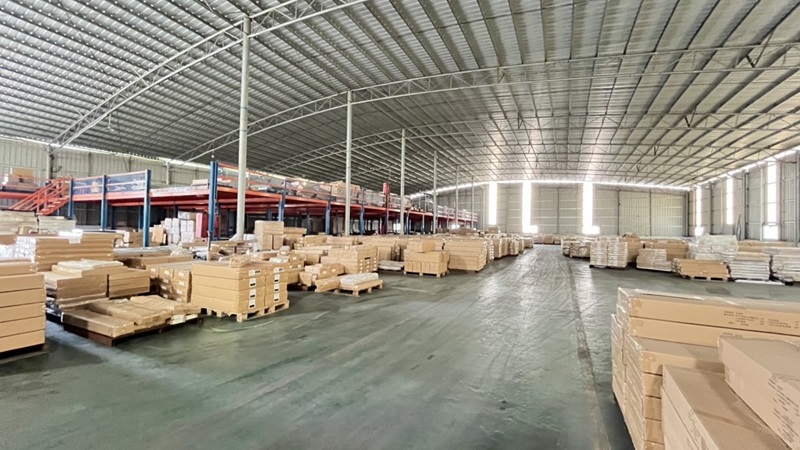
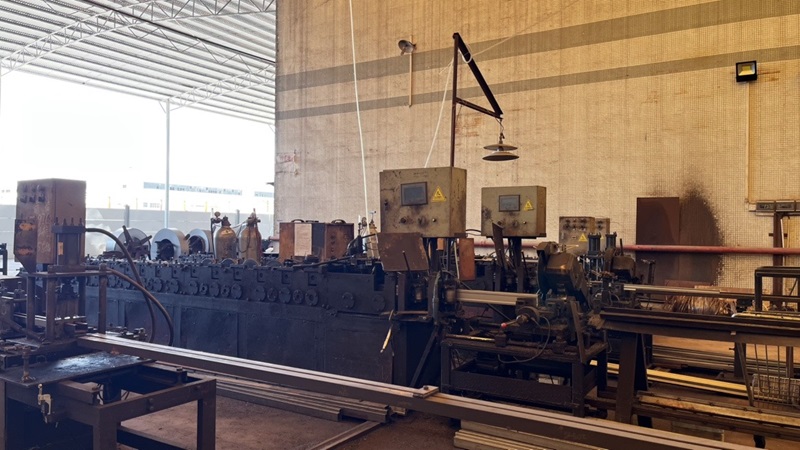
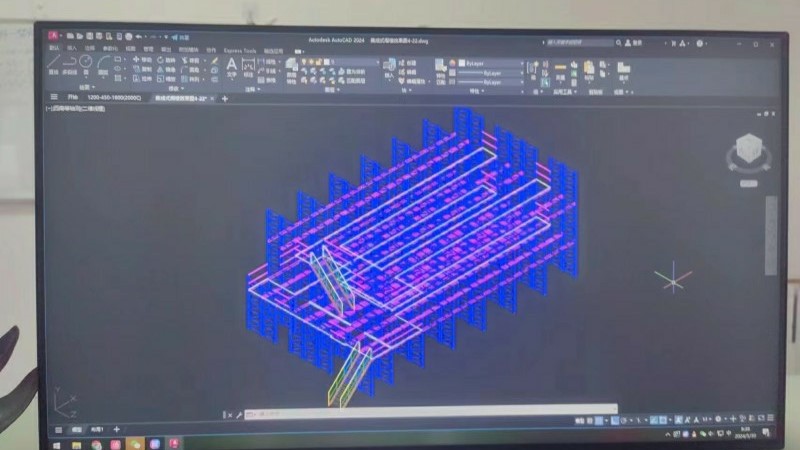
Maximizing storage density while maintaining accessibility is a key challenge in cold room environments. The cost per cubic meter in cold storage is significantly higher than in ambient facilities, making storage density a priority. We design and deliver custom engineering solutions for diverse storage systems:
Drive-In racking is a highly effective solution for cold storage facilities handling single-SKU bulk products. By eliminating dedicated access aisles, forklifts can drive directly into the racking bays to access pallets. This configuration increases storage density by up to 75% compared to standard selective pallet racking.
Radio Shuttle systems offer excellent efficiency for cold rooms. Operators use a remote-controlled platform shuttle to move pallets deep inside channels. This system minimizes forklift entry into sub-zero areas, reducing the risk of structural damage from collisions and lowering forklift maintenance requirements.
By mounting pallet racking structures onto guided mobile bases that move along floor tracks, you only open the specific aisle required for access. This configuration maximizes storage capacity while ensuring direct access to every pallet, balancing high density with ease of retrieval.
As an export-oriented enterprise, our primary markets cover North America, Western Europe, Southeast Asia, and the Middle East. We proudly serve a diverse client base, including third-party logistics (3PL) providers, industrial manufacturing plants, e-commerce distribution hubs, and commercial wholesale distributors. Through high-durability products and reliable engineering support, Ningbo Kelida Shelf Co., Ltd. remains committed to optimizing warehouse efficiency for businesses worldwide.
International procurement teams must ensure that structural solutions comply with local regulatory guidelines:
| Region | Key Regulatory Standards | Mandatory Compliance Checks |
|---|---|---|
| United States & Canada | ANSI/RMI MH16.1 (Rack Manufacturers Institute), IBC (International Building Code). | Seismic calculation reports, structural steel tensile certifications, and weld quality checks (AWS D1.1). |
| European Union | EN 15512 (Steel Static Storage Systems), FEM 10.2.02 (Design Guidelines). | CE compliance markings, safety factor calculations under maximum structural loads, and EN 10204 steel traceability certification. |
| Southeast Asia | Local adaptions of AS 4084 (Australian Standard for Steel Storage Racking). | Elevated corrosion protection and mold resistance treatments suited for humid tropical port environments. |
Different regions and product types require customized cold room configurations to address environmental factors and processing needs:
In seafood and meat storage facilities, humidity levels are high. Daily washdowns and sanitation cycles introduce moisture, which can accelerate rust on standard racking systems. For these environments, we provide hot-dip galvanized racking structures with dynamic load ratings, ensuring durability and preventing rust.
Pharmaceutical storage requires temperature stability and traceablity. Systems must be designed to minimize air circulation blockages, ensuring uniform cooling. Our configurations use specialized wire mesh deck inserts to maintain consistent airflow and prevent warm spots in the room.
Find answers to technical and procurement questions about cold storage racking design.
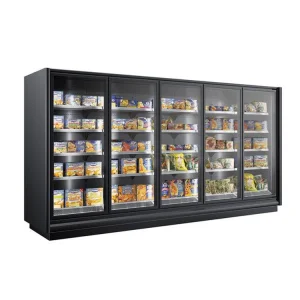
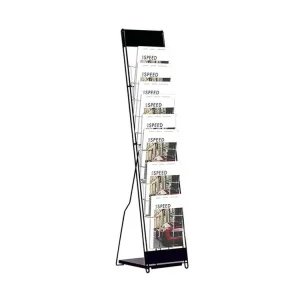
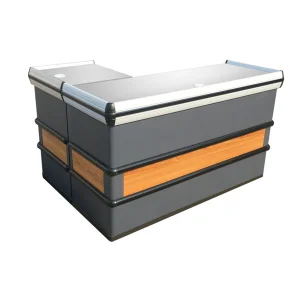
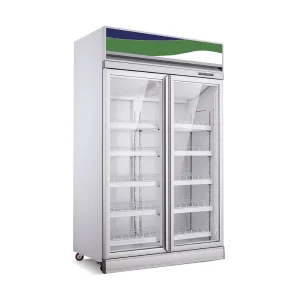
Select from our comprehensive list of warehouse racking components, specialty supermarket shelves, and commercial cooling units.
 Kelida Racking