Kelida Racking
1 / 5



Implementing a professional racking system maximizes vertical storage space, improves inventory accessibility, enhances warehouse safety, and optimizes overall operational efficiency by streamlining stock picking and organization.
The ideal system depends on factors such as your storage space layout, inventory rotation methods (FIFO vs. LIFO), load capacity requirements, pallet sizes, and the type of material handling equipment (like forklifts) you use.
Yes, most industrial racking systems are highly customizable. You can configure the heights, beam lengths, depth dimensions, and weight capacities to precisely fit your warehouse dimensions and cargo specifications.
Key safety accessories include upright protectors, row spacers, wire decking, safety mesh backstops, and load capacity plates to prevent accidental damage and overloading issues.
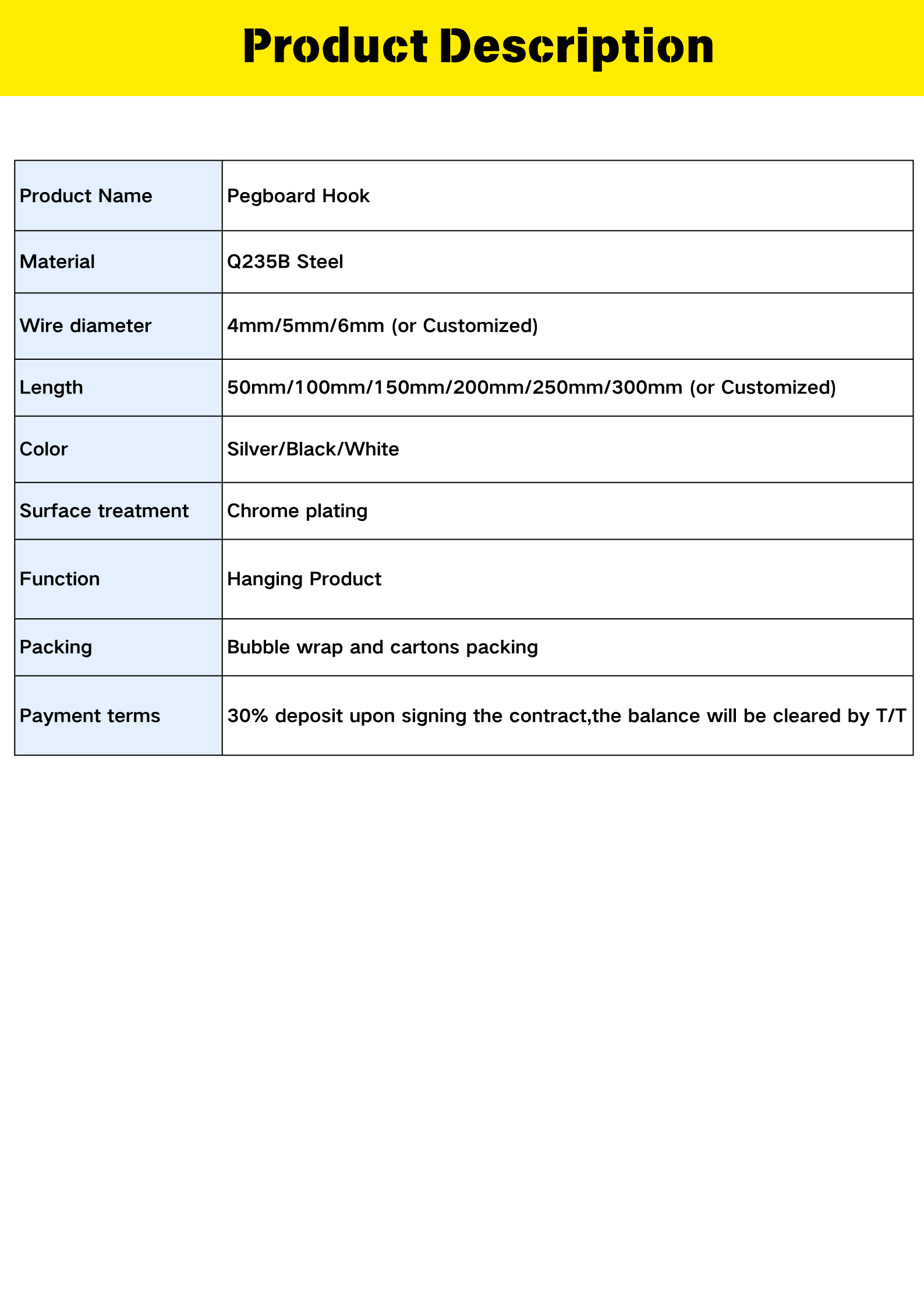
Racking systems are primarily manufactured using high-grade, Q235B or Q345B steel with a powder-coated or galvanized finish to ensure long-lasting durability, rust resistance, and high structural stability.