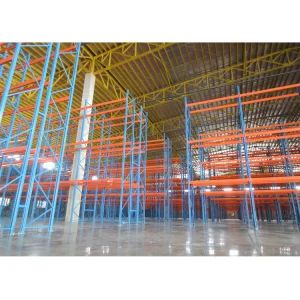
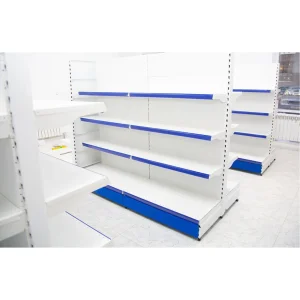
Premium load-tested storage and transport units designed to comply with local Polish safety frameworks and dynamic distribution demand profiles.
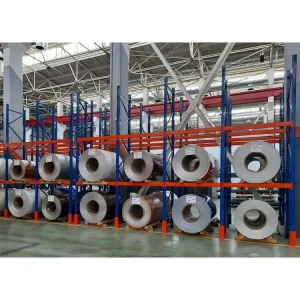
A deep analysis of Poland's positioning as Europe's premier warehousing corridor and the demand for robust, code-compliant storage systems.
Over the last decade, Poland has cemented its reputation as the logistical beating heart of Central and Eastern Europe (CEE). Positioned geographically at the crossroads of major trans-European transit routes (including the Baltic-Adriatic and North Sea-Baltic corridors), the country has become the preferred operational base for third-party logistics (3PL) providers, global e-commerce conglomerates, and international manufacturers looking to serve both Western and Eastern European markets.
With major industrial hubs centered around Warsaw, Upper Silesia (Katowice), Poznań, Wrocław, and Central Poland (Łódź), the total modern warehouse stock in Poland now exceeds 30 million square meters. This rapid real-estate expansion is fueled by structural economic advantages: competitive land prices, a highly skilled and cost-competitive engineering workforce, and massive public investments in highway network extensions (such as the A1, A2, and A4 motorways) and deepwater port facilities like the DCT Gdansk container terminal.
"Poland's strategic geographical positioning, combined with the rising demand for nearshoring operations and cross-border e-commerce fulfillment, has driven industrial warehouse demand to historic highs. To match this velocity, warehouse operators must invest in structural equipment that maximizes volumetric efficiency while minimizing structural failure risk."
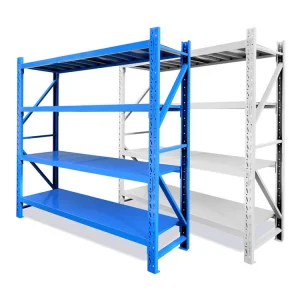
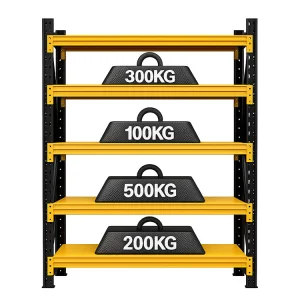
As operating margins for EU warehouse managers face inflationary pressures due to rising labor rates and energy prices, optimization of space (vertical storage density) is paramount. Selecting warehouse racking configurations is no longer merely a procurement task; it is a critical engineering decision. Polish operators are transitioning from standard selective pallet racks to high-density semi-automated systems, including shuttle systems, drive-in racks, and heavy-duty structural shelving capable of sustaining heavy payloads (often exceeding 1,000kg to 3,000kg per shelf level).
Consequently, importers and distributors in the Polish region require suppliers who do not just ship raw steel, but who can deliver certified structural designs, custom layout planning, and corrosion-resistant powder coatings tailored to cold storage, high-humidity Baltic coastal warehouses, or general retail distribution operations.
Addressing the shifting landscape of high-density logistics, automation compatibility, and strict compliance with European structural integrity mandates.
As land acquisition costs rise near major urban centers like Warsaw and Kraków, logistics operations are expanding vertically. High-bay warehouses exceeding 12 meters in height are becoming standard, necessitating structural racking designs with superior upright profile thickness, precise structural welding, and verified deflection limitations (typically L/200 or L/300 under full load).
Modern distribution warehouses are rapidly adopting Autonomous Guided Vehicles (AGVs) and Autonomous Mobile Robots (AMRs). These automated systems require extremely strict installation tolerances, flat floor profiles, and racking upright alignment tolerances. Rack designs must minimize structural deflection under dynamic braking forces generated by automated shuttle cranes.
Within the European Economic Area (EEA), industrial racking structures must adhere to the EN 15512 standard (Steel static storage systems – Adjustable pallet racking systems – Principles for structural design). This requires rigorous calculations regarding structural steel grade selection, buckling factors, base plate thickness, and safety locking pin designs to prevent accidental forklift dislodgement.
A trusted manufacturing partner delivering high-precision structural steel racking systems and specialized commercial display structures globally.
Established in 2014, Ningbo Kelida Shelf Co., Ltd. is a leading manufacturer specializing in industrial warehouse racking and heavy-duty storage shelving solutions. Operating out of a state-of-the-art 28,000 square meter facility, we combine 12 years of core industry engineering experience with 8 years of intensive international trade expertise. This integration allows us to serve complex infrastructure projects in Poland, North America, Western Europe, Southeast Asia, and the Middle East, generating an annual export revenue that exceeds $18 million.
Driven by industrial innovation, our R&D division consists of 15 structural engineers who developed and brought 35 new customized storage configurations to market last year. Kelida offers comprehensive customization, including tailored load capacities, custom rack height dimensions, and architectural-grade powder coatings. Our integrated supply chain collaborates with over 650 qualified raw material and hardware component partners, ensuring production consistency and stable cost control.
Quality control is embedded in every stage of our operations. Supported by a dedicated quality assurance team of 22 QC specialists, we implement rigorous inspection procedures—including raw material tensile testing, automated weld ultrasonic testing, dynamic load capacity verification, and ASTM B117 salt-spray corrosion testing—to guarantee that every racking upright, beam, and connector profile meets international safety standards.
As an export-oriented enterprise, our primary logistics and engineering support systems are optimized for global clients, including 3PL providers, industrial manufacturing facilities, e-commerce distribution centers, and commercial wholesale distributors.
By utilizing automated punching lines, continuous roll forming equipment, robotic welding arms, and electrostatic powder coating plants, Kelida ensures that thickness tolerances for steel sheets are maintained within +/-0.05mm, preventing structural weaknesses along the upright frames.
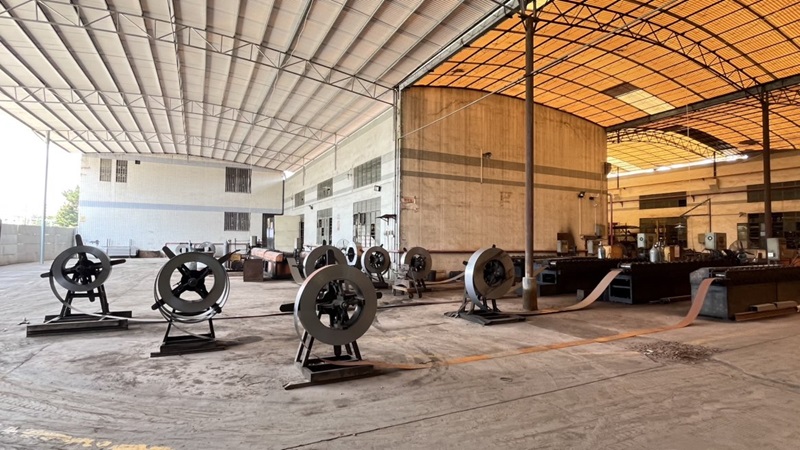
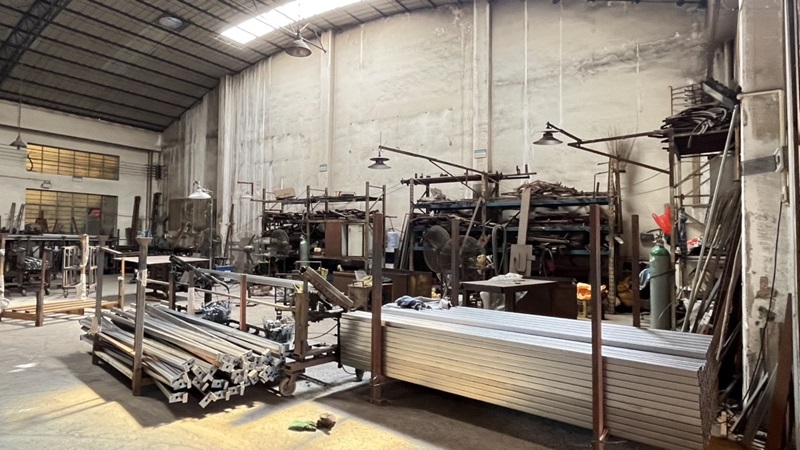
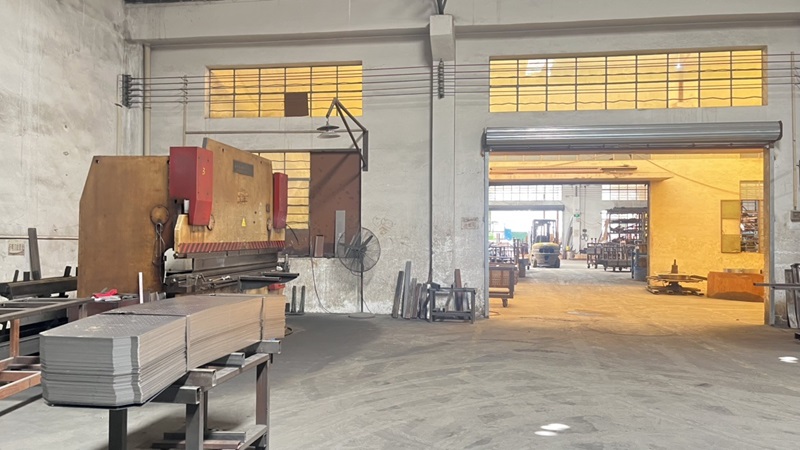
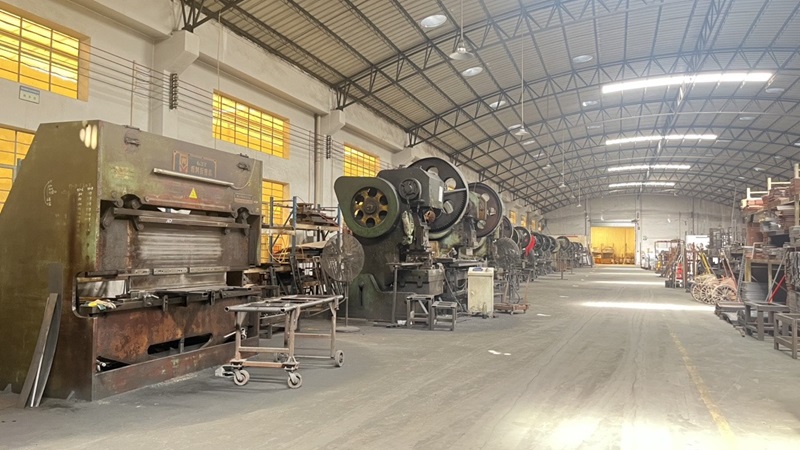
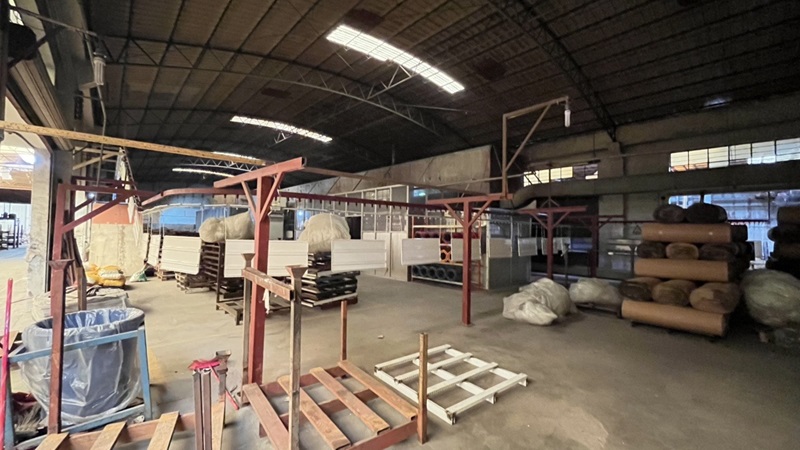
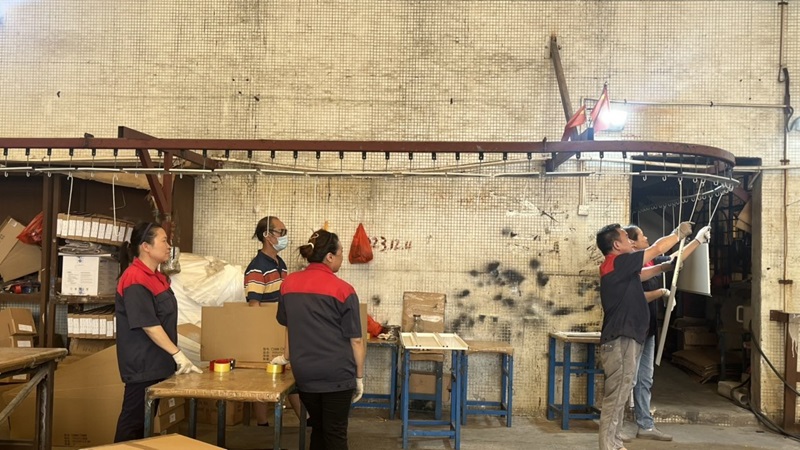
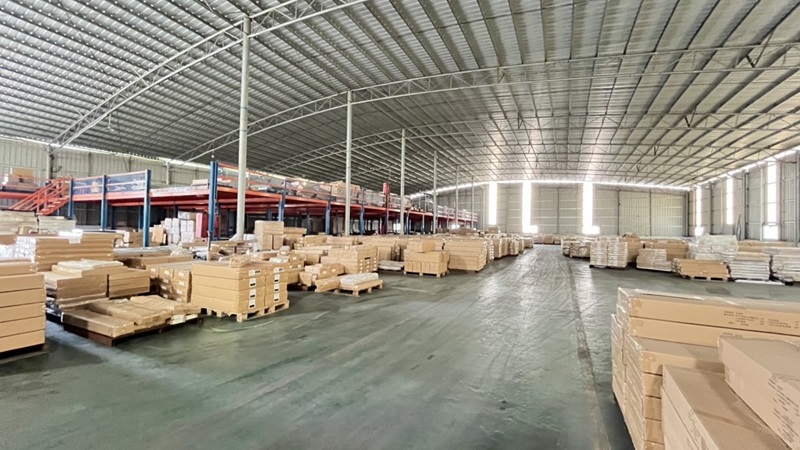
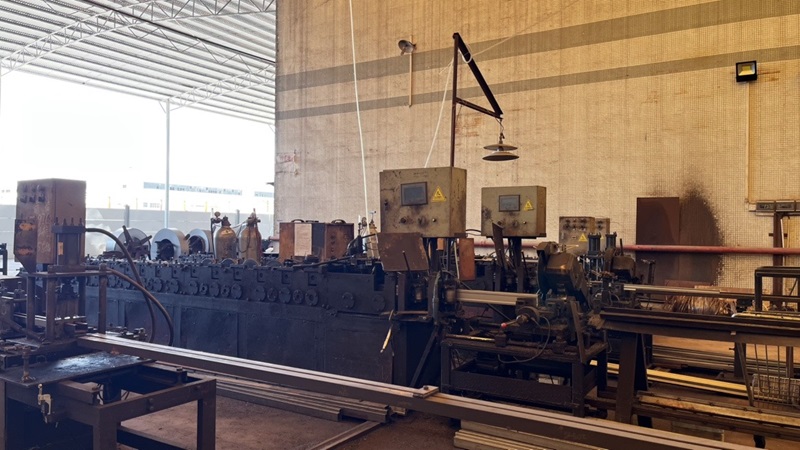
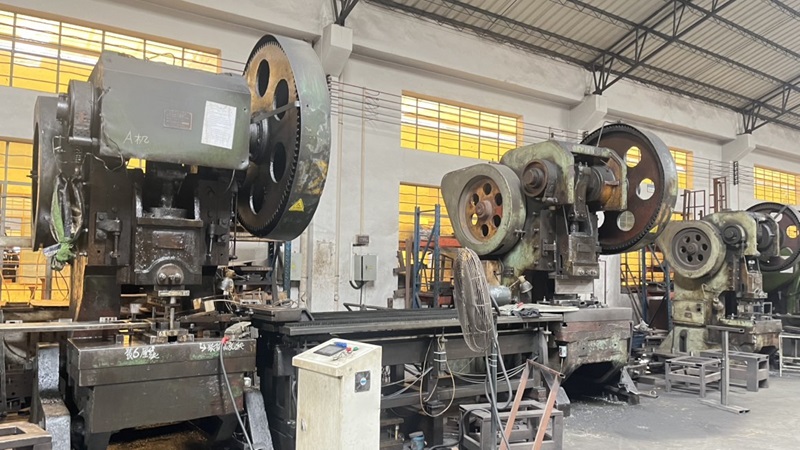
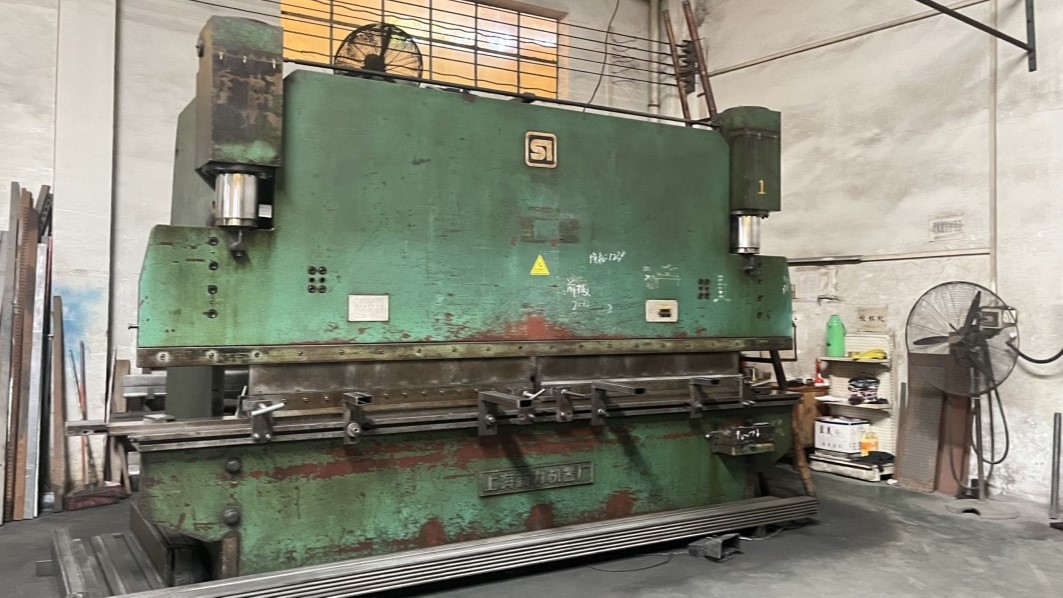
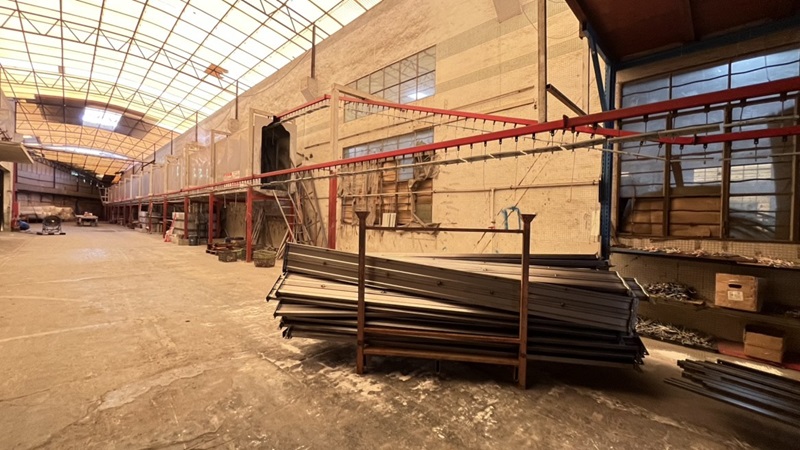
A data-driven comparison of steel grade structural capabilities, manufacturing automation levels, and procurement benefits.
For Polish business entities, sourcing storage equipment from domestic EU manufacturers is often associated with high labor premiums, limited structural customization agility, and prolonged lead times due to raw material deficits in Europe. In contrast, Kelida utilizes Ningbo's robust localized metallurgical supply chain cluster. By combining direct access to premier national steel mills with automated roll-forming and robotic welding, we provide a reliable, cost-effective alternative without compromising on quality or mechanical performance.
| Performance / Procurement Parameter | Ningbo Kelida Factory 4.0 Standards | Standard European Racking Fabricators |
|---|---|---|
| Primary Steel Grade Sourcing | Certified Q235B / Q355B (Equivalent to S235JR / S355JR under EN 10025) | Standard S235JR or S275JR |
| Upright Cold-Forming Tolerance | Within ±0.05 mm via computer-controlled roll-forming stations | Within ±0.15 mm to ±0.20 mm |
| Surface Protection Specification | AkzoNobel architectural-grade powder coating (Dry Film Thickness: 65-90μm) | Standard industrial coating (Dry Film Thickness: 50-70μm) |
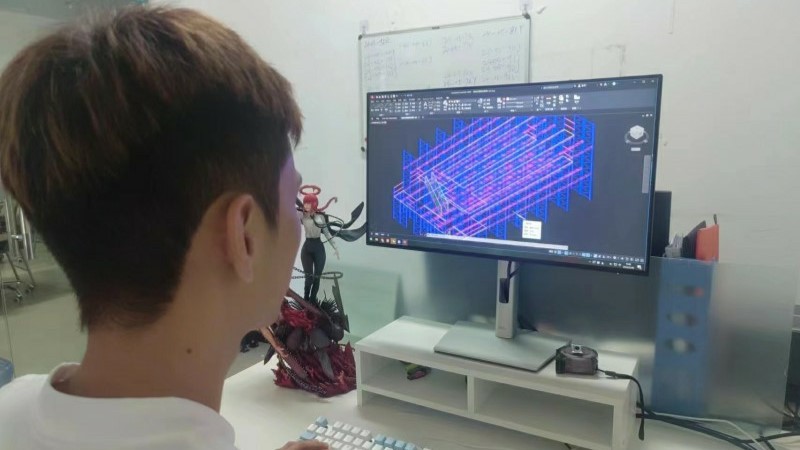
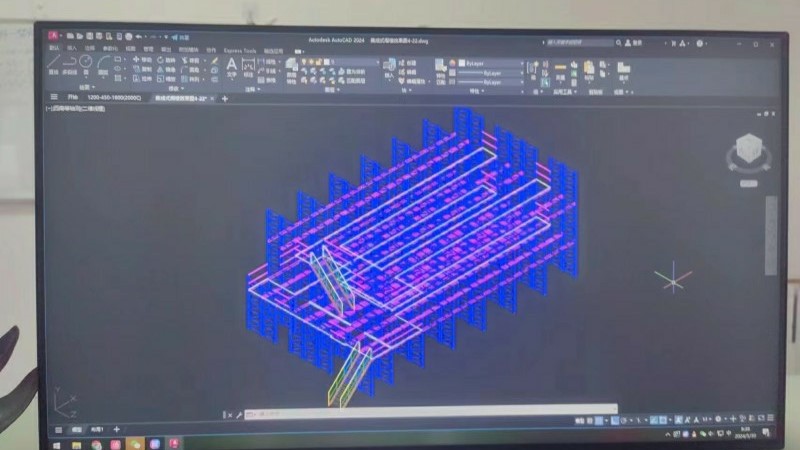
| Custom Layout / CAD Lead Time | 48 Hours for full dynamic warehouse sizing and layout designs | 7 - 14 Working days |
| Salt Spray Corrosion Resistance | Tested for up to 500 hours (ASTM B117) for cold storage projects | Typically untested or rated for 200 hours max |
| Packaging and Shipping Safety | Bubble wrap, metal strap binding, and rigid wood supports for export | Basic pallet wrap strapping (highly prone to transit abrasions) |
Environmental conditions within modern distribution warehouses vary significantly. Cold-chain storage units located in regions like Poznań operate at sub-zero temperatures (-25°C), which can compromise the integrity of low-grade steels and standard liquid coatings. Kelida utilizes an advanced pre-treatment line involving acidic de-greasing, phosphating, and pure-water rinsing before applying electrostatic powder coatings. This process ensures paint adhesion, preventing peeling or oxidation when exposed to changing humidity or mechanical impact from forklift operations.
Real-world engineering applications illustrating how our specialized racking systems optimize industrial performance across Poland.
To handle cross-docking and high pallet turnover for multi-client accounts, standard height selective racks were fitted with wire mesh decks. This configuration prevents loose items from falling, enhances sprinkler system water penetration for fire safety, and complies with local fire code regulations.
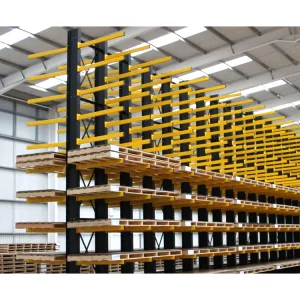
A leading German automotive supplier operating in the Silesian industrial zone required heavy duty cantilever racks to store heavy steel profiles and exhaust piping packages. Kelida provided structural steel columns designed for heavy dynamic forklift loading and adjustable arm systems.
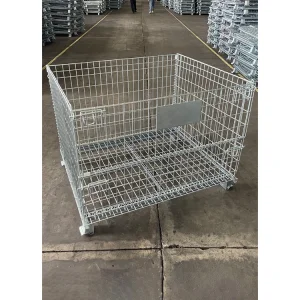
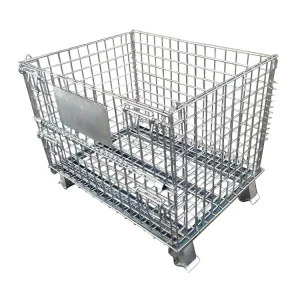
Focused on rapid sorting for Western Pomeranian and North German markets, our stackable metal wire mesh containers and transport cages allowed this facility to store loose retail packages while maintaining quick access and stackability during high seasonal demand peaks.
Get professional, direct answers to common questions about raw material structural limits, calculations, and international shipping logistics.
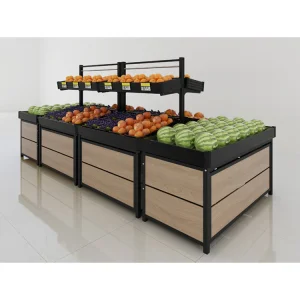
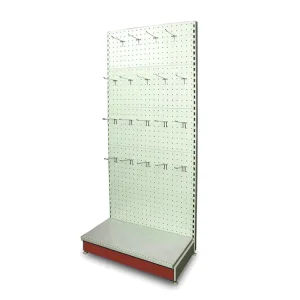
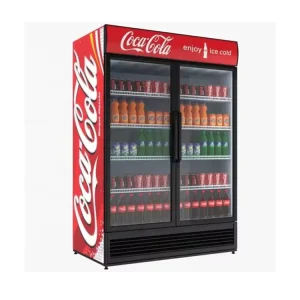
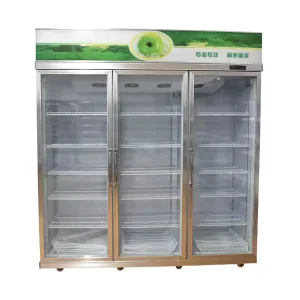
Engineered storage systems and retail display setups designed to enhance structural safety and functional efficiency.
Connect with our expert engineering team to receive customized CAD layout options, load calculation sheets, and competitive FOB/CIF quotation options tailored for your Polish operations.
Send Inquiry Now Kelida Racking