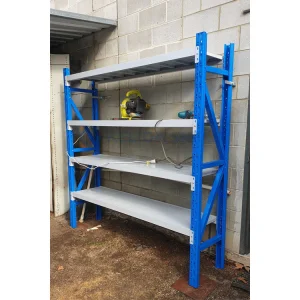
Engineered for intense supply chain environments, Jebel Ali logistics hubs, and heavy industrial distribution centers across Dubai and Abu Dhabi.
The United Arab Emirates—anchored by strategic logistics corridors like Dubai's Jebel Ali Free Zone (JAFZA), Abu Dhabi's KIZAD, and Dubai South—occupies a central position in the global supply chain. Driven by national strategies such as the UAE Centennial 2071 and Vision 2031, the federation is converting its geographic location into a highly integrated, automated maritime-air logistics engine. As 3PL networks, cold-chain grocery aggregators, and cross-border e-commerce systems swell, the physical storage layer requires deep re-engineering.
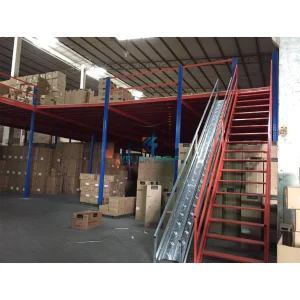
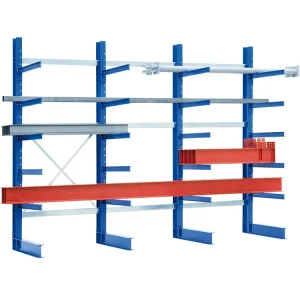
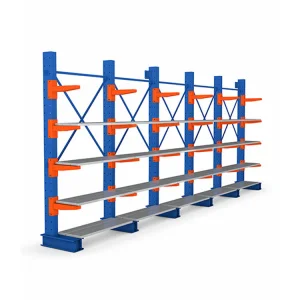
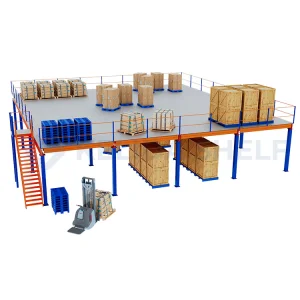
Historically, warehouse design relied on low-density selective racking. Today, high land valuations in urban proximity zones and the demands of sub-zero temperature environments require high-density vertical systems. This includes multi-tier steel mezzanine structures, drive-in racking assemblies, dynamic flow lines, and cantilever setups designed for heavy industrial pipelines and metals. Modern engineering must match international structural codes while handling localized issues like heat-induced expansion and coastal salinity.
Coastal facilities in the Gulf experience severe corrosion risks from high humidity and salinity. Racking systems deployed here require specialized powder coatings, typically hot-dip galvanization or C3-C5 corrosion-resistant electrostatic powder finishes. At Ningbo Kelida, our quality processes verify these coatings with rigorous salt-spray exposure testing to guarantee reliable structural service life.
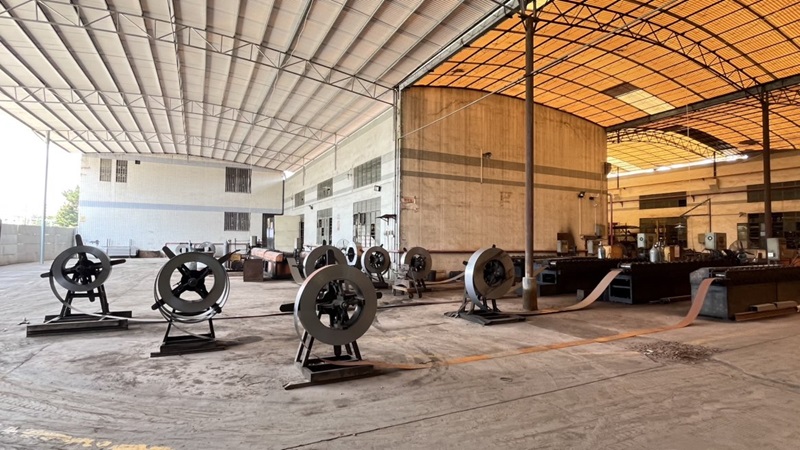
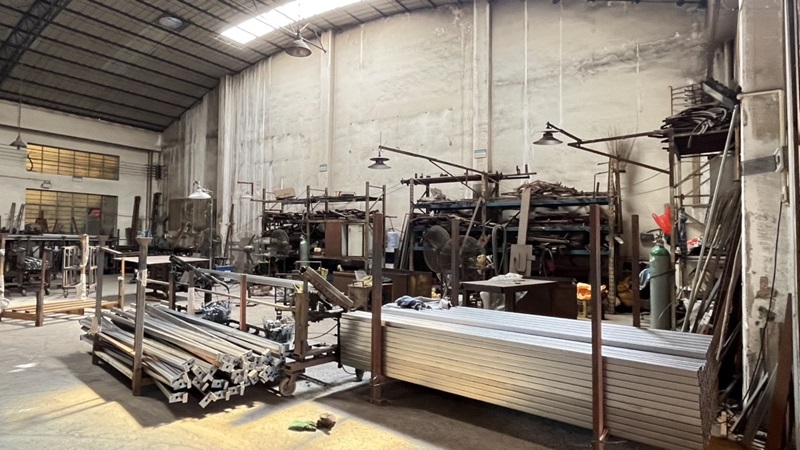
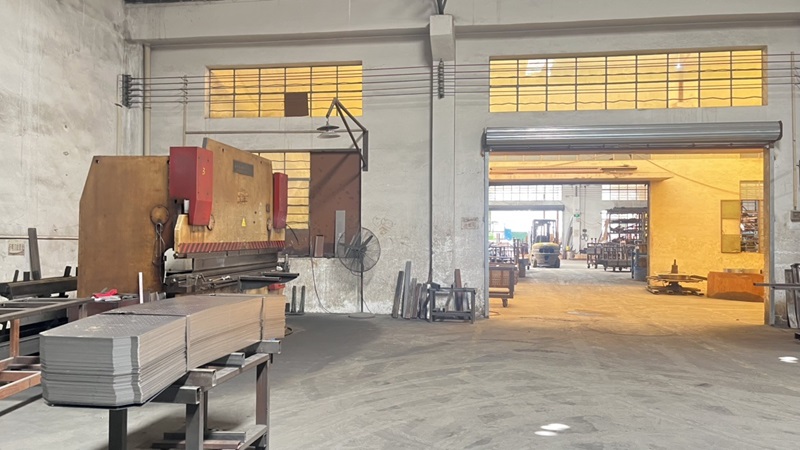
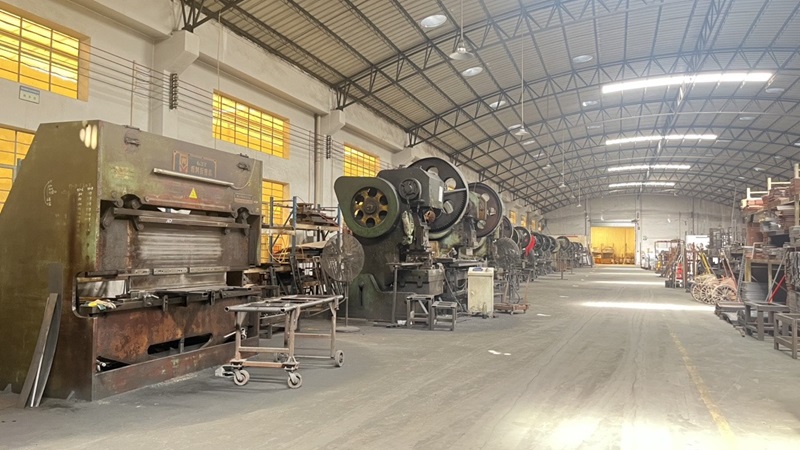
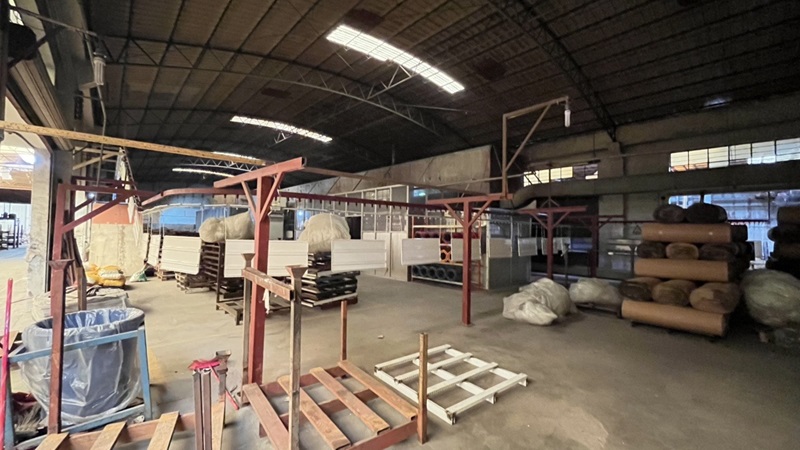
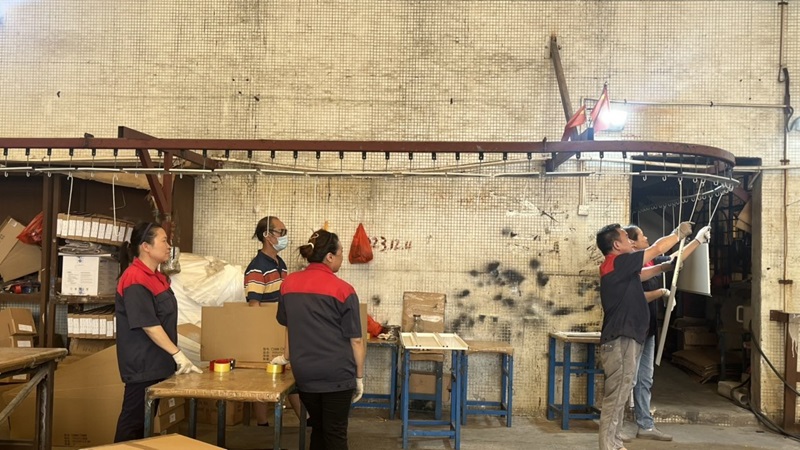
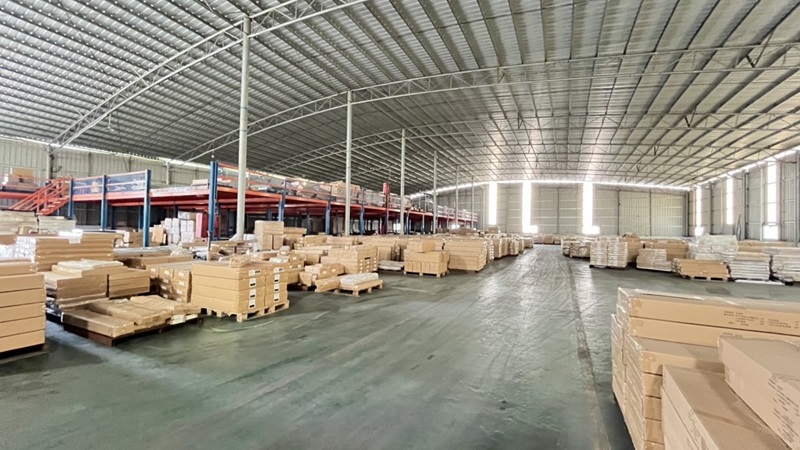
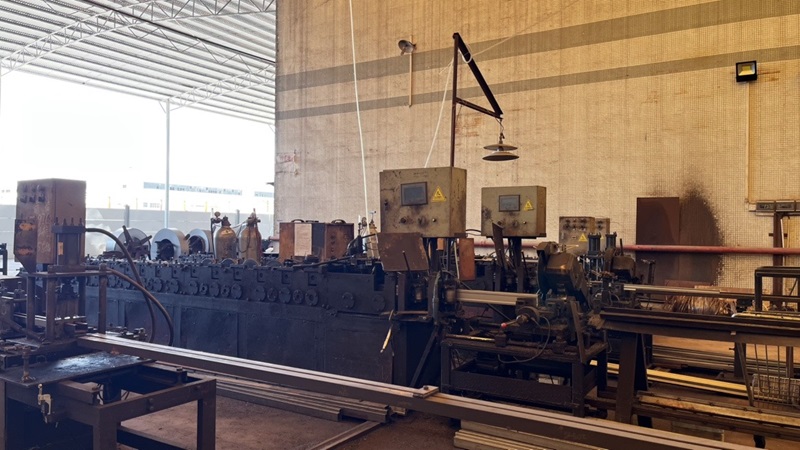
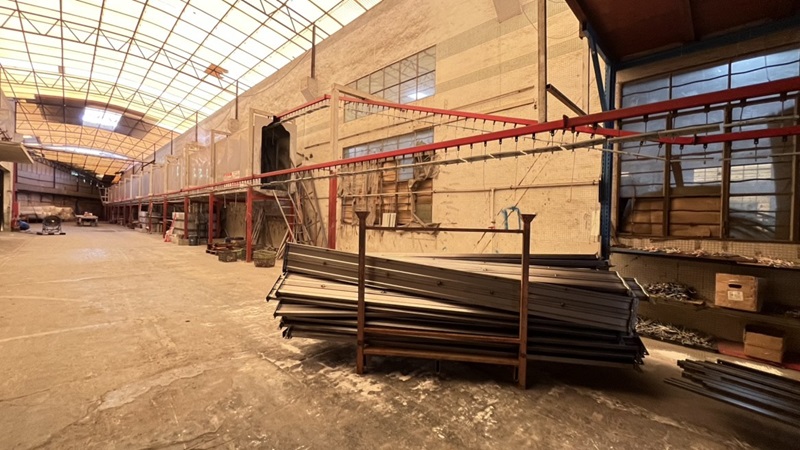
Established in 2014, Ningbo Kelida Shelf Co., Ltd. has established itself as an engineering partner for industrial racking and heavy-duty storage configurations. Operating a modern, automated 28,000-square-meter facility, we integrate structural design, precision manufacturing, and international logistics. With over 12 years of industry experience and 8 years of global export compliance, our engineers deliver structural reliability that helps reduce supply chain disruptions.
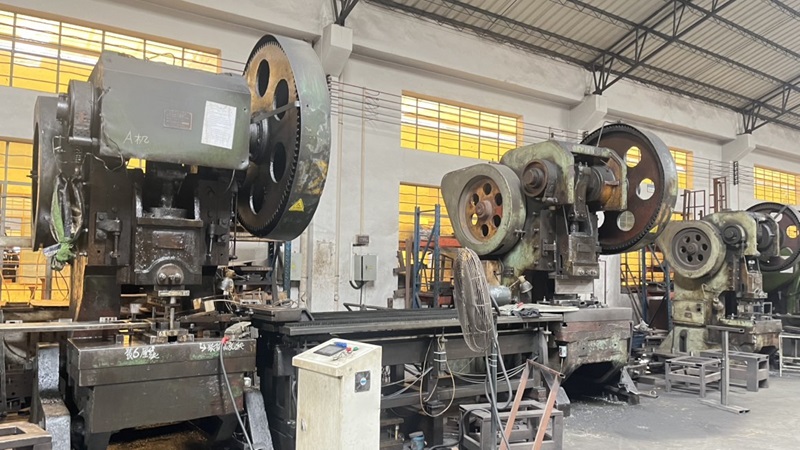
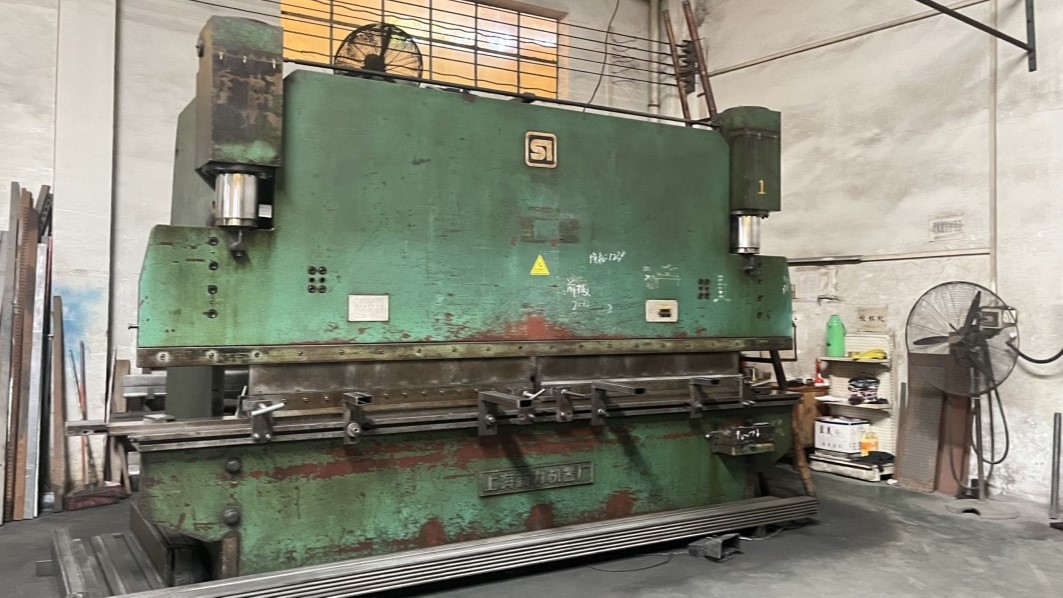
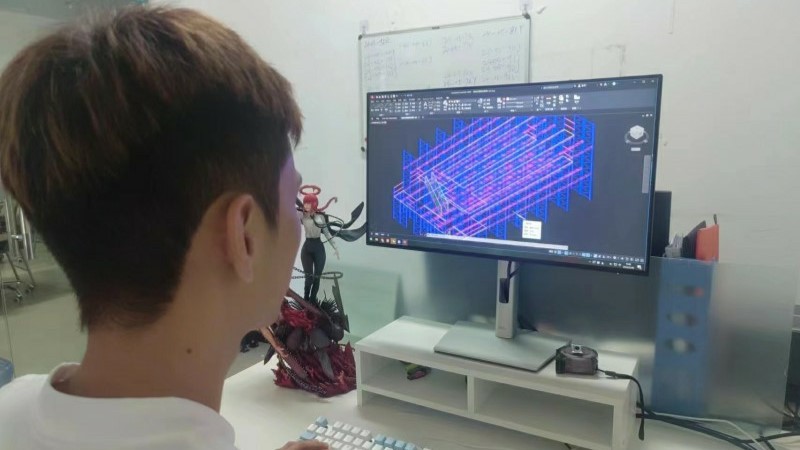
Our innovation pipeline is managed by a structural design unit containing 15 professional engineers who deployed 35 new structural profiles last year. By sourcing raw materials from a verified supplier network of over 650 certified steel mills and component manufacturers, we ensure stable mechanical performance. Our manufacturing processes include precise computer-controlled sheet metal stamping, automated robotic welding, multi-stage surface cleaning, and powder coating lines.
Racking systems deployed in the Gulf Cooperation Council (GCC) region must address distinct local environmental conditions. Designing structures for Jebel Ali, Al Quoz, or KIZAD industrial zones requires consideration of several key factors:
Kelida's structural models comply with European Federation of Materials Handling (FEM 10.2.02) and Rack Manufacturers Institute (RMI) standards. We verify column stability, load limits, and beam deflection under simulated ultimate limit state (ULS) load profiles.
The warehouse sector is evolving from simple static racking toward semi-automated and fully automated platforms. This shifts structural focus onto vertical tolerances, flatness ratings (according to TR34 standards), and floor-loading limits. Over the next decade, integration with Automated Storage and Retrieval Systems (AS/RS), Radio Shuttles, and Autonomous Mobile Robots (AMRs) will guide system specifications.
Kelida continues to develop high-tolerance upright channels, heavy-duty boltless connectors, and specialized wire-mesh components. Our R&D team works to balance load rating with dead-weight optimization, helping GCC operators increase storage capacity while reducing material costs.
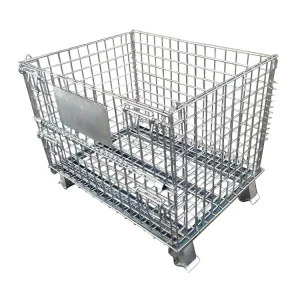
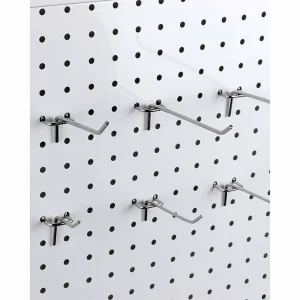
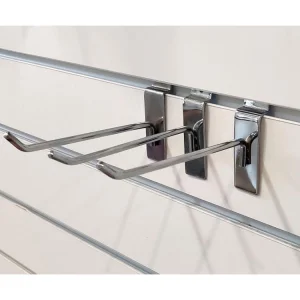
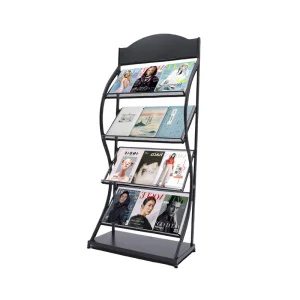
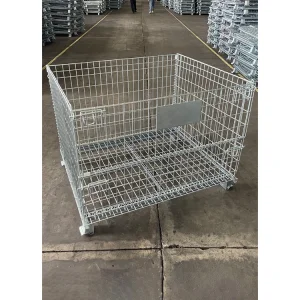
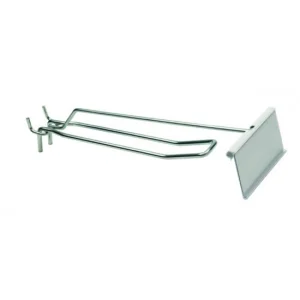
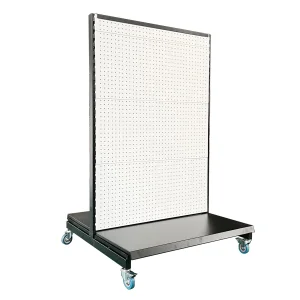
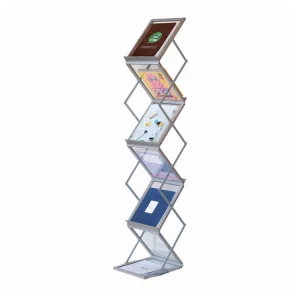
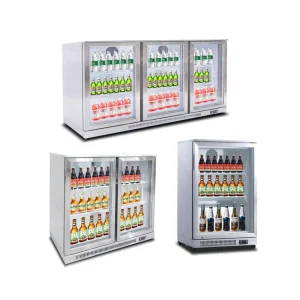
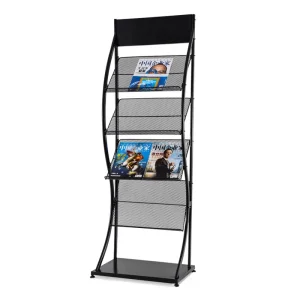
Heavy-duty racking structures, cantilever units, wire mesh storage containers, and commercial retail fixtures designed for Middle East operations.
Technical guidance, safety engineering, and commercial supply chain logistics answers for buyers in the UAE.
Partner with Ningbo Kelida Shelf Co., Ltd. for structural calculations, custom rack production, and industrial-grade storage solutions.
Send Inquiry Now Kelida Racking