Highly durable, modular floor fixtures designed to optimize customer experiences in busy Brazilian retail channels, supermarkets, and exhibitions.
Key macro trends, logistics metrics, and localization challenges faced by Brazilian retail logistics managers.
Over the past decade, Brazil's retail scene has been dominated by the hybrid "Atacarejo" (Cash & Carry) sector. These massive warehouse stores demand structural store fixtures that serve a dual purpose: high-capacity storage pallet racking on the upper tiers, combined with clean, accessible retail display shelves at the shopper level. Structuring displays to handle loads up to 1,200kg per level is critical to preventing infrastructure failure.
Transporting heavy store fixtures across vast distances, from the Port of Santos to metropolitan hubs like Belo Horizonte or far-reaching agricultural states, presents massive hurdles. High tariff structures and domestic transport costs (popularly known as the "Custo Brasil") necessitate highly optimized, flat-pack, lightweight but sturdy steel systems that minimize ocean and overland shipping volumes.
Operating inside Brazil requires strict compliance with local safety regulations. Specifically, the ABNT NBR 15524 standards dictate steel manufacturing tolerances, load structural analyses, and corrosion-resistant powder coatings. In coastal cities like Rio de Janeiro or Recife, where relative humidity and marine air speed up oxidization, standard steel fails rapidly without heavy-duty protective prep work.
How modern materials science, automated material handling, and IoT integrations are transforming retail environments globally.
Global consumer behavior shifts rapidly, requiring retail operators to reconfigure floor plans on a seasonal or weekly basis. Fixed store fixtures are being replaced with modular, interlocking metal display systems. Standardized vertical struts, pegboards, and dynamic wire baskets enable staff to quickly redesign pathways, maximizing cross-selling opportunities without relying on specialized heavy machinery.
Large multinational retailers operating in South America are prioritizing environmental impact. Traditional liquid paint coatings release volatile organic compounds (VOCs). Modern production pipelines have fully transitioned to electrostatic thermosetting powder coatings. These provide superior resistance to physical impacts, scratch marks, and industrial-strength cleaning detergents while maintaining 100% recyclability.
The convergence of physical and digital retail (phygital) demands store fixtures engineered with mounting brackets for digital displays, electronic shelf edge pricing strips, and proximity marketing hubs. Steel fixtures must be manufactured with built-in, concealed conduit channels to run high-voltage wiring and network cables safely, keeping high-traffic retail spaces clutter-free.
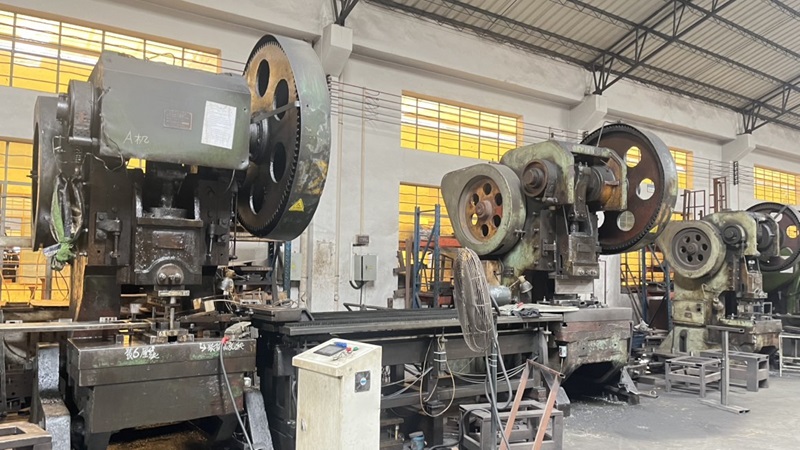
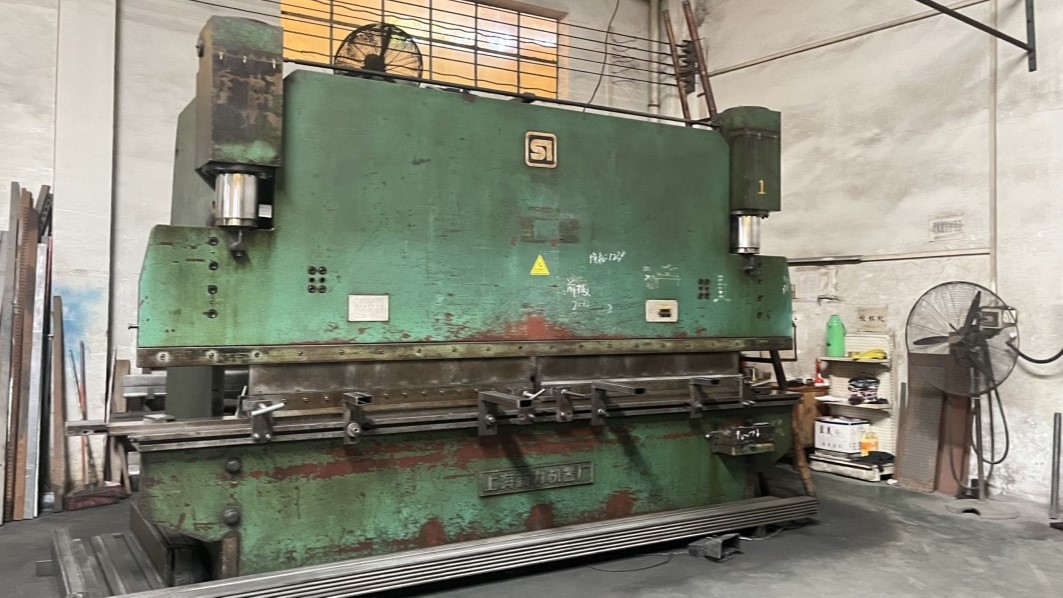
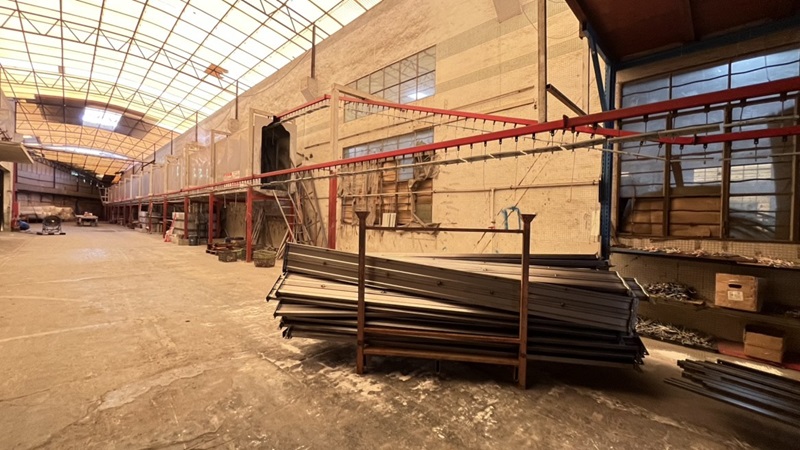
Take a virtual walk through our advanced production lines. Each facility is precision-engineered to produce robust, heavy-duty racking and store displays.
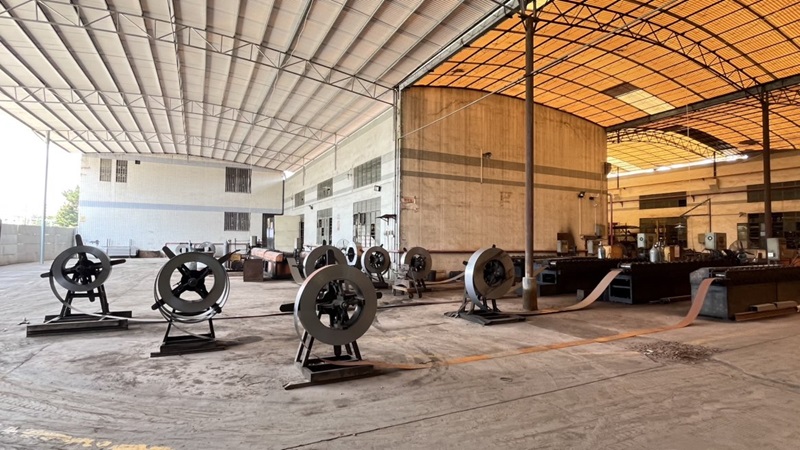
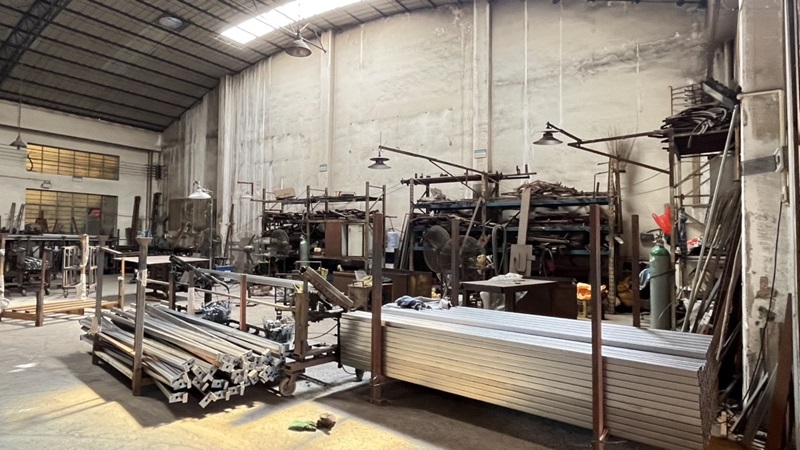
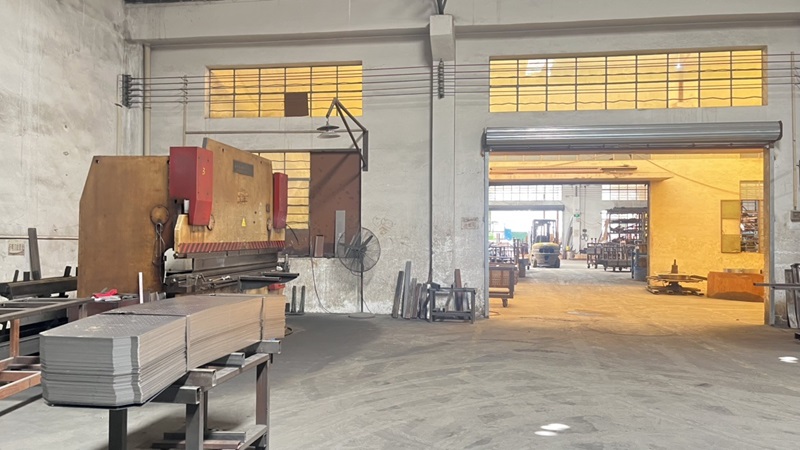
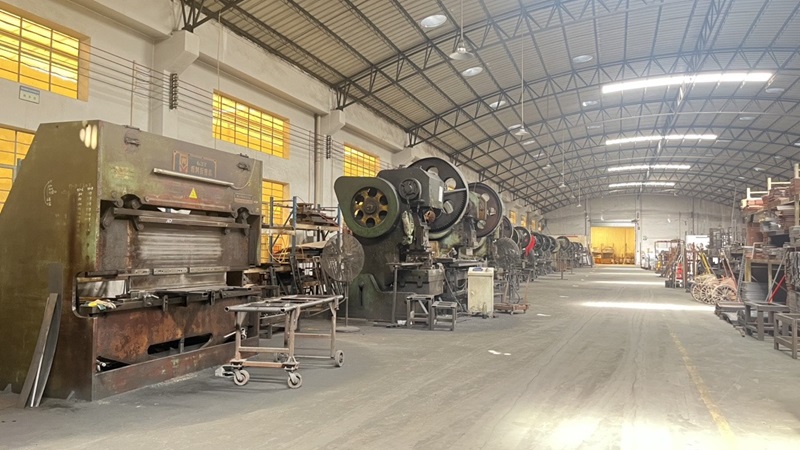
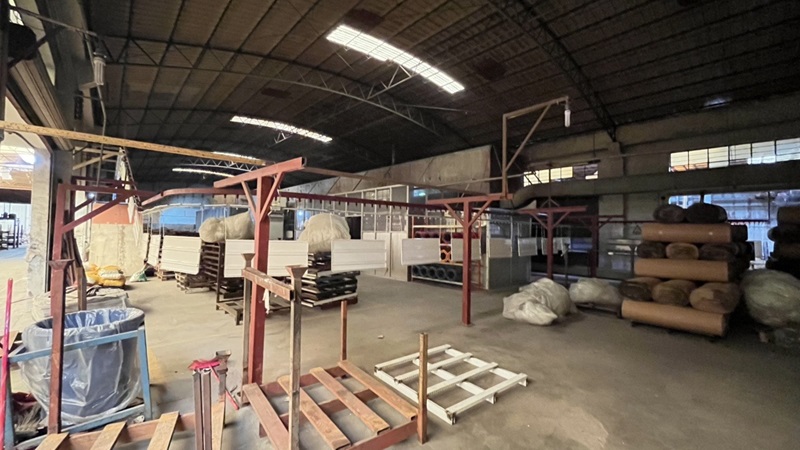
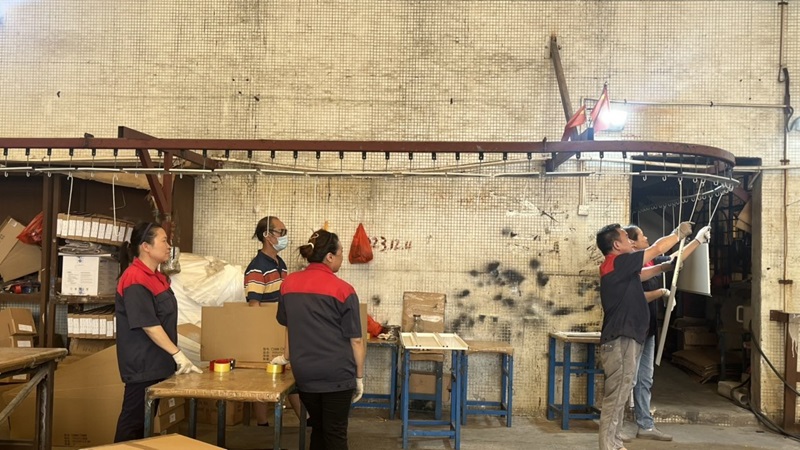
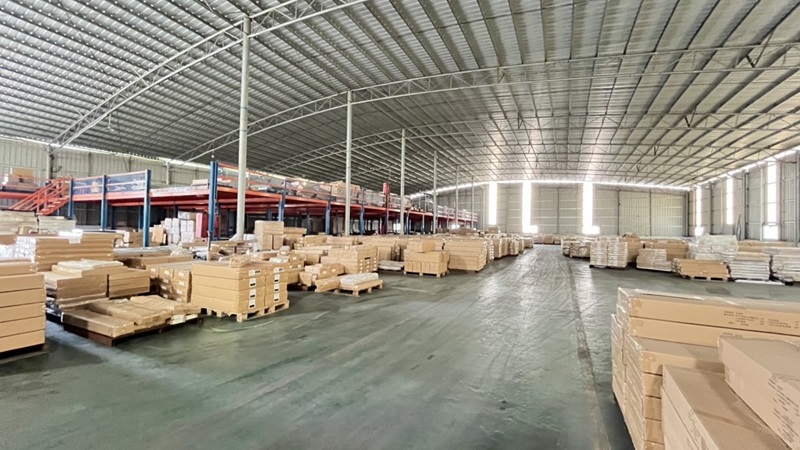
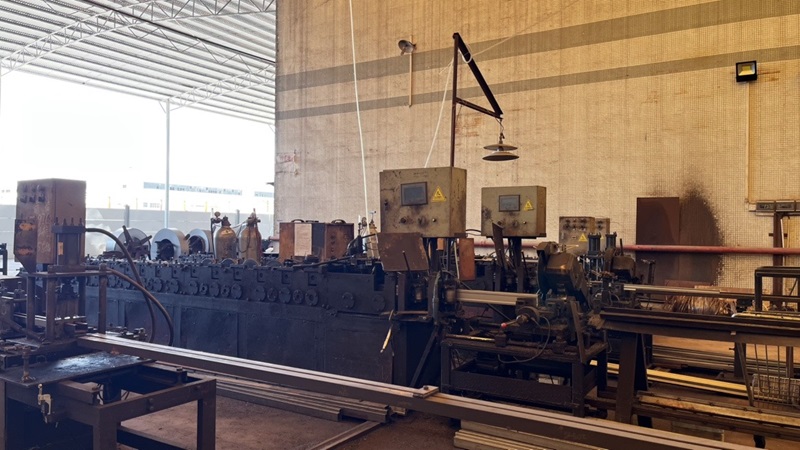
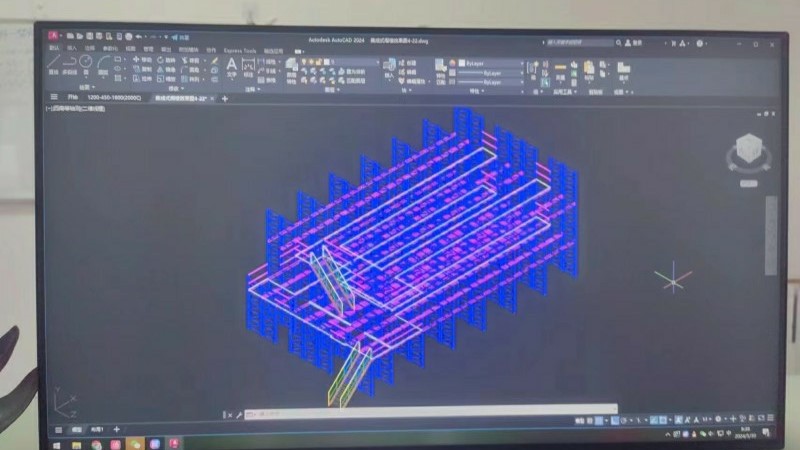
Why leading global distributors and high-volume retail operators choose our structural steel solutions.
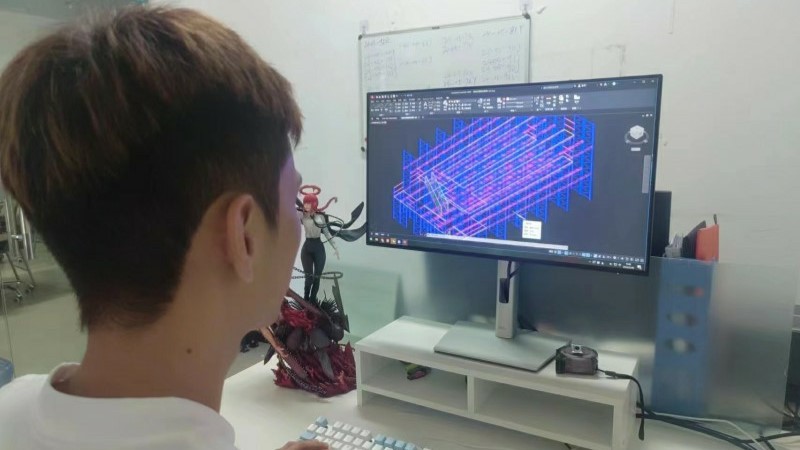
Established in 2014, Ningbo Kelida Shelf Co., Ltd. operates a modern 28,000 square meter manufacturing hub. Driven by structural innovation, our seasoned R&D team consisting of 15 senior structural engineers launched 35 new storage and display products last year. We specialize in tailoring weight capacities, modular dimensions, custom branding, and high-performance powder coatings to align with specific commercial layout requirements.
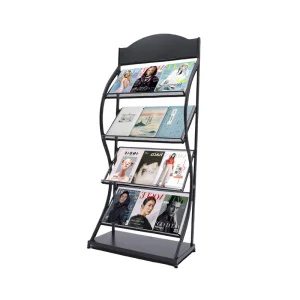
Our quality assurance workflow runs throughout the entire production lifecycle. Backed by 22 QA specialists, we implement testing protocols including raw material tensile testing, automated weld inspection, dynamic load testing, and salt-spray corrosion testing. Every rack and brochure stand is engineered to survive the most rigorous operational demands, satisfying international safety criteria.
We work closely with a network of over 650 pre-qualified raw material and component suppliers. This integrated ecosystem ensures highly stable production cycles and extremely competitive pricing. Operating as an export-driven manufacturing business, our solutions reach retail distribution networks, e-commerce hubs, and global wholesalers across North America, Western Europe, Southeast Asia, the Middle East, and South America.
Importing high-volume store fixtures into Brazilian states like São Paulo, Santa Catarina, or Paraná requires experienced handling of Mercosur custom tariffs and standardized HTS coding. Our logistics team prepares detailed custom-clearance documentation, optimises packing configurations to prevent transit container damage, and guarantees timely shipping coordination to keep your facility upgrades on schedule.
Our operational roadmap outlining the integration of sustainable technologies and digital automation through 2030.
Transitioning manufacturing components to high-strength, low-alloy (HSLA) recycled steel. Standardizing clean chemical pre-treatments that prevent chrome waste discharge, reducing overall environmental footprint by 40%.
Optimizing shelving frames to feature integrated RFID tagging channels and micro-sensor networks. Empowering large warehouse operators to track inventory changes on the sales floor automatically in real time.
Developing cloud-based structural layout software for retail buyers. Enabling operators to design retail store zones, run virtual stress tests, and generate instant CAD schematics for procurement teams.
Answers to complex questions regarding custom design modifications, quality testing, and import logistics for the Brazilian market.
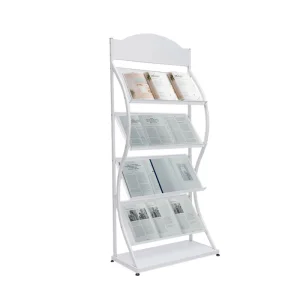
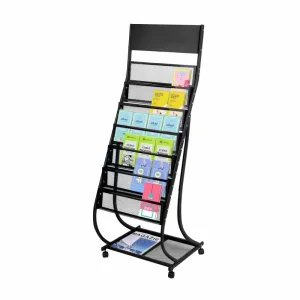
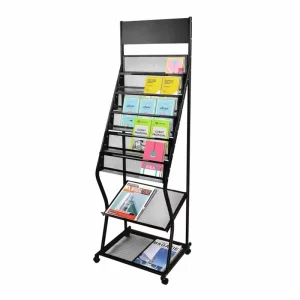
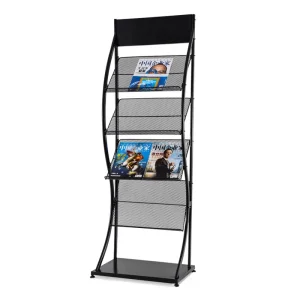
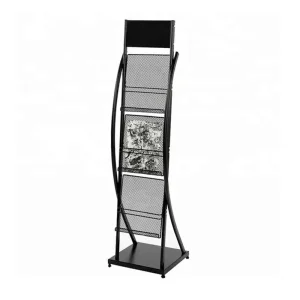
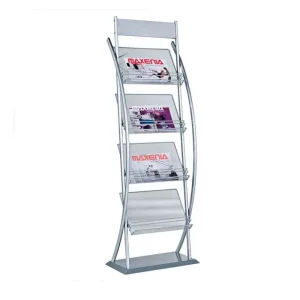
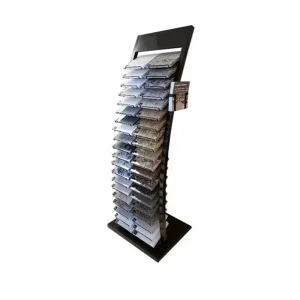
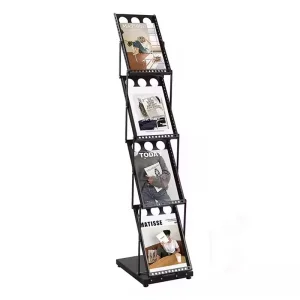
Explore our full line of commercial merchandising stands and warehouse storage systems, built for high structural performance and direct import savings.
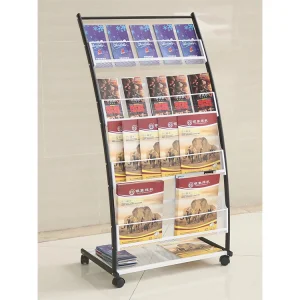
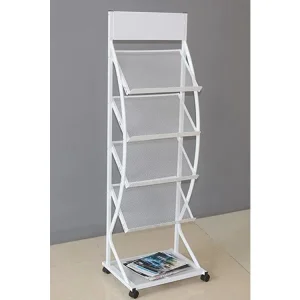
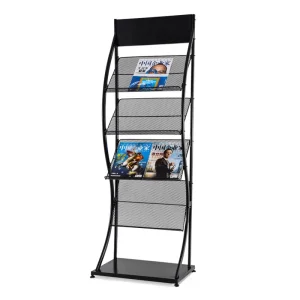
 Kelida Racking