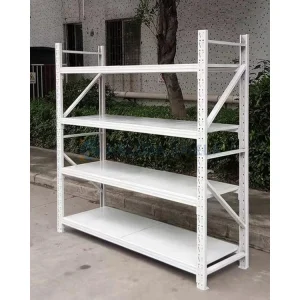
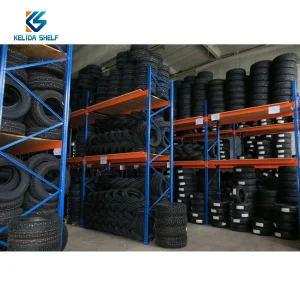
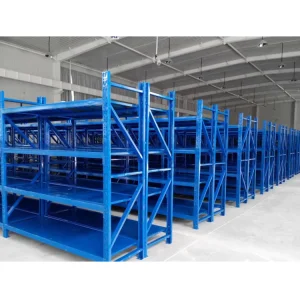
Hardware Racking Series Factories & Exporter serving Nagoya

High-Performance Industrial Storage Solutions Designed for Toyota-Supply Chain Standard Compliance, Heavy Load Distribution, and Seismic Safety across the Chubu Region.

Send Inquiry Now

The Strategic Landscape of Nagoya Industrial Warehousing

As Japan's premier manufacturing powerhouse, the Greater Nagoya region (Aichi Prefecture) drives the nation’s automotive, aerospace, and precision machinery sectors. Storage environments here are characterized by high-density operations, high land-cost efficiency, and the strict integration of Just-In-Time (JIT) / Kanban supply chains. Standard industrial racking is insufficient; warehouses serving Nagoya’s industrial leaders require customizable, modular, and seismically fortified hardware racking systems.

Our company, Ningbo Kelida Shelf Co., Ltd., specializes in engineering custom pallet racks, cantilever configurations, and heavy-duty shelving systems that meet these rigorous local operational protocols. With our location near China’s major ports, we guarantee fast, direct-to-port maritime shipping routes directly into the Port of Nagoya, reducing transshipment times and structural logistics costs.

Automotive Hub Integration
Specifically tailored dimensions to match standard Japanese plastic container boxes (Kansetsu Containers) used widely in Toyota-affiliated supply loops.
High Seismic Class Compliance
Custom anchoring systems and heavy footplates designed to withstand seismic activities, compliant with Japanese construction standards.
Localized Engineering Analysis
Modern distribution facilities in Nagoya, particularly those near Komaki, Kasugai, and Yatomi, demand optimal space utilization due to land limitations. Standard pallet racks often fall short under heavy forklift actions or regional tectonic movement.

By offering cold-rolled SS400 steel with precise structural thickness (up to 2.5mm for upright columns), our configurations provide superior yield strength ratios compared to typical light-duty shelving alternatives.
ISO 9001:2015 certified plants
Seismic dynamic test verified
Powder coating thickness > 80μm
Custom loading: 500kg to 4000kg/level
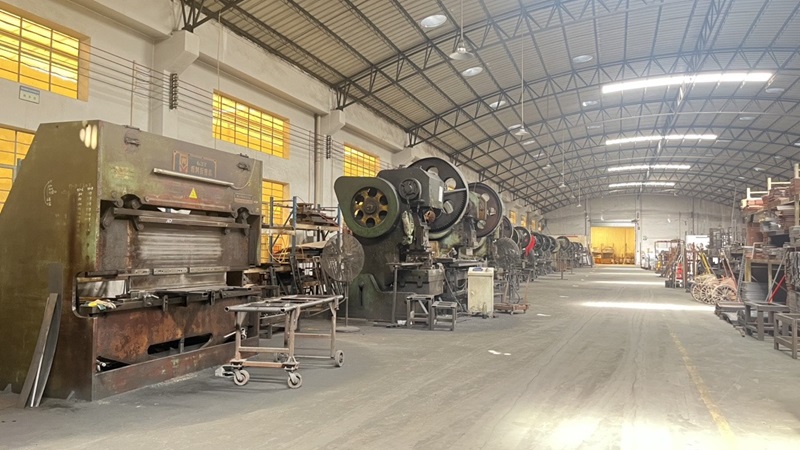
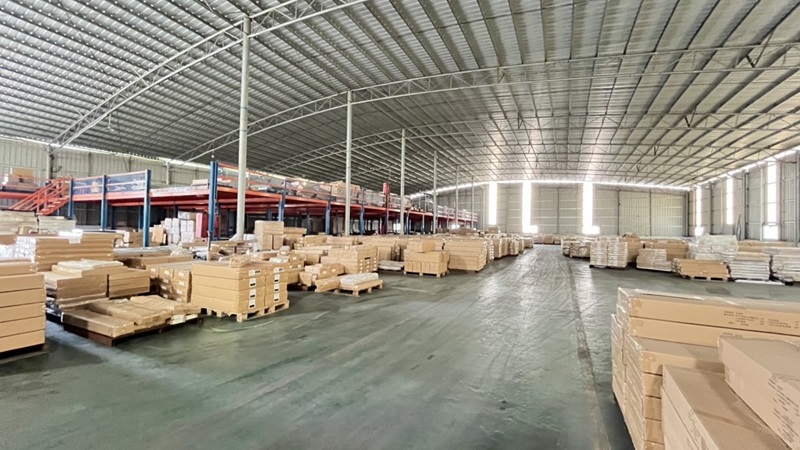
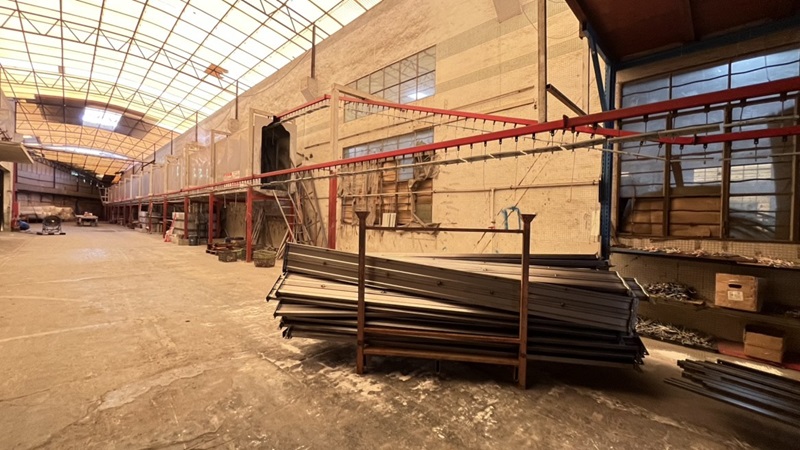
28,000m²
Modern Factory Facility
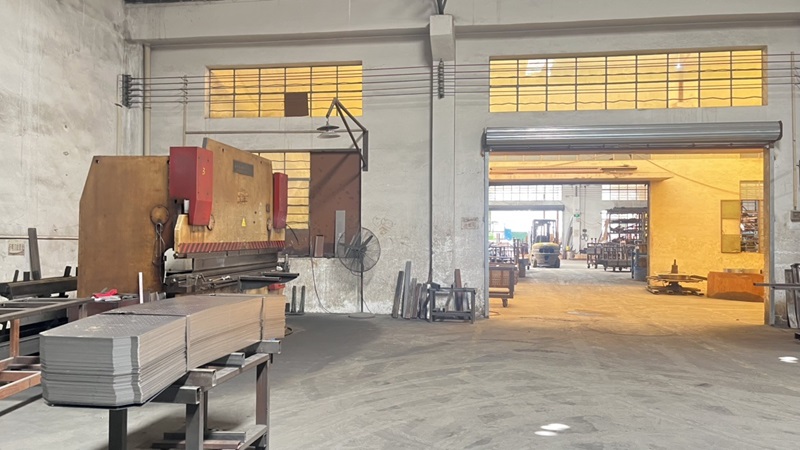
Equipped with robotic welding & CNC forming
12+ Years
Industry Expertise
Engineered for global warehouse compliance
$18M+
Annual Export Volume
Serving 3PL, auto parts, and distribution networks
15 Engrs
Dedicated R&D Team
Custom designs and dynamic layout calculations

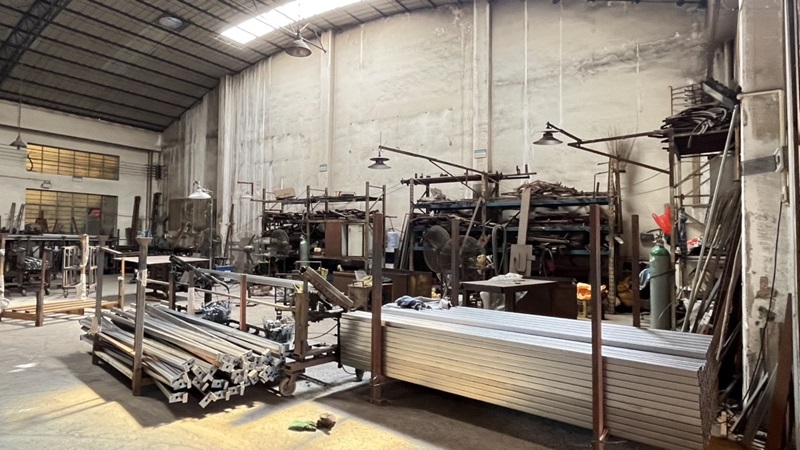
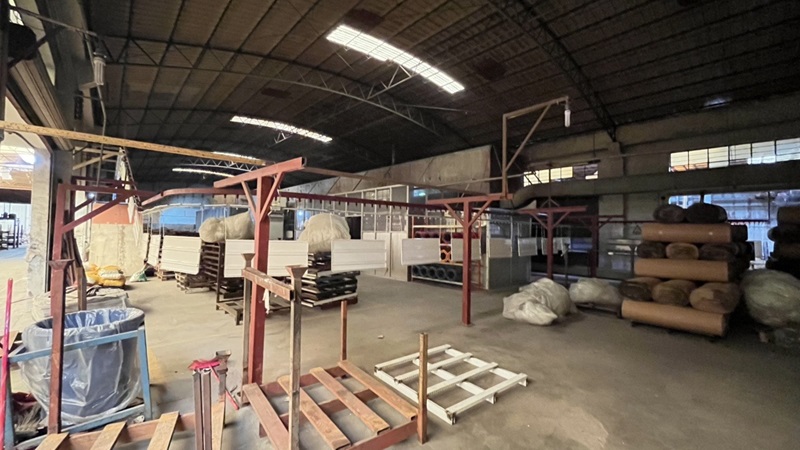
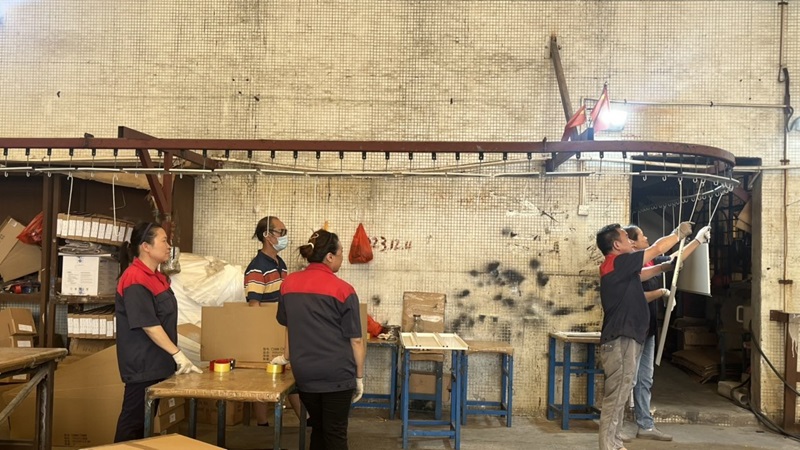
Precision Manufacturing & Quality Control Protocols

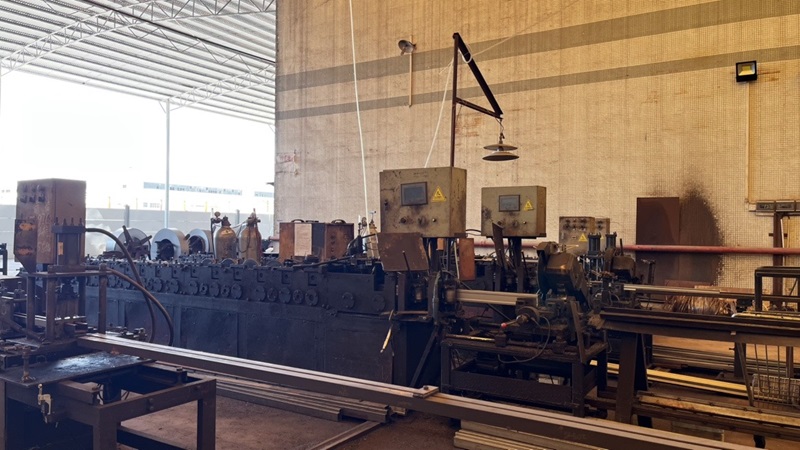
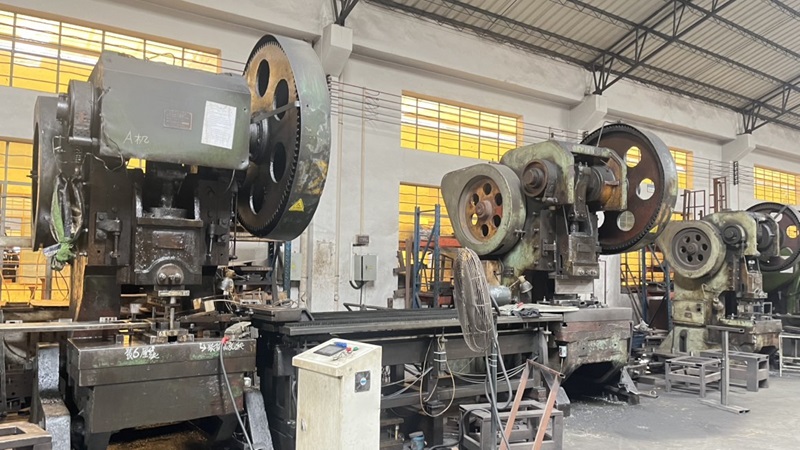
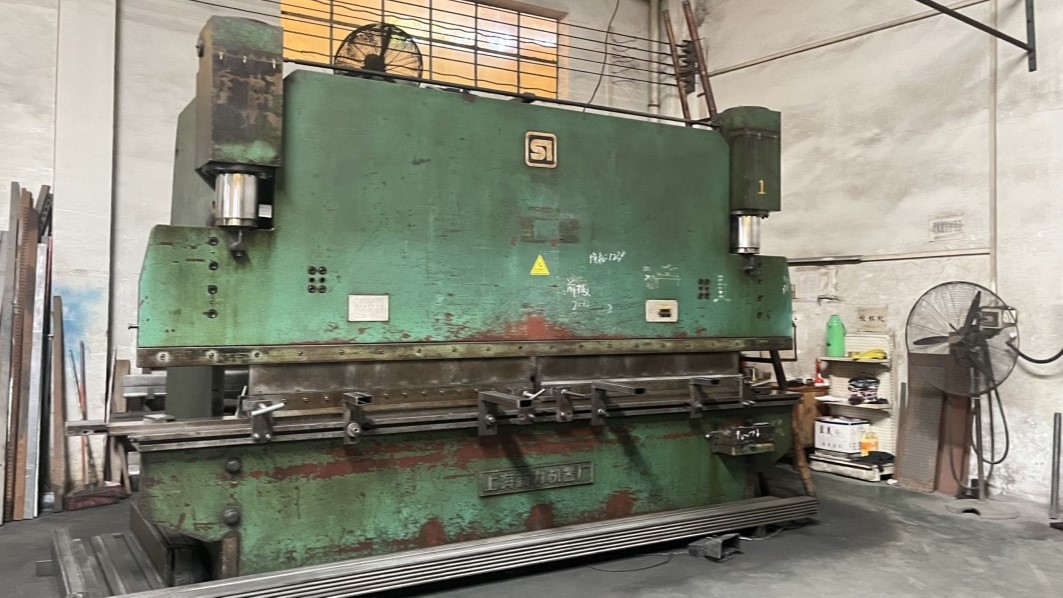
A look into how Ningbo Kelida Shelf Co., Ltd. builds international-grade racking systems.
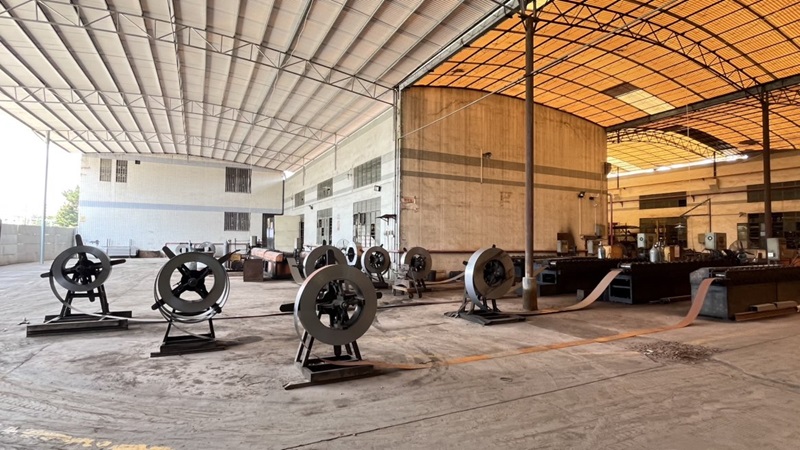
Engineered Solutions for the Chubu Logistics Corridor

How our racking series solves key warehousing problems in Japanese cold storage, electronics, and heavy industry.

1. Automotive Stamping Dies & Heavy Component Storage

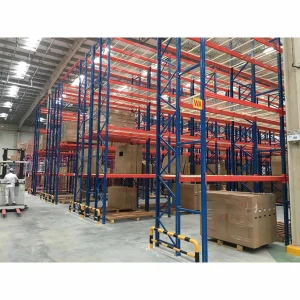
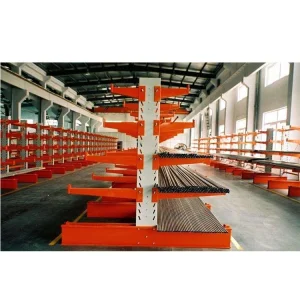
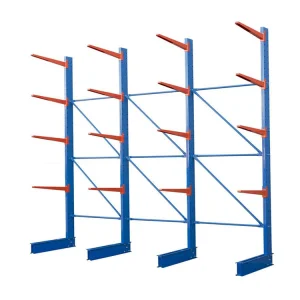
Nagoya is the center of Japan’s automotive manufacturing. Heavy press dies, engine blocks, and sub-assemblies require heavy-duty storage with high static-load support. Our Heavy Duty Cantilever Racks and custom Mold Storage Racks feature a safety factor of 1.5 times the rated load, utilizing Q235B or Q345B steel to prevent material fatigue.

2. Cold Chain Logistics (Port of Nagoya & Coastal Hubs)

Coastal cold-storage hubs experience high humidity and corrosive atmospheres. Our hot-dip galvanized racking profiles undergo a multi-stage pretreatment and electrostatic epoxy powder-coating process, which provides superior resistance to rusting and paint peeling in sub-zero environments (down to -40°C).

3. Automated Storage & Retrieval Systems (AS/RS) Compatibility

With increasing warehouse automation in Aichi Prefecture, racking verticality tolerances must be extremely precise. Our production line uses high-precision continuous roll-forming systems to ensure upright distortion is kept under 1/1000, enabling trouble-free integration with Japanese automated shuttle systems and laser-guided AGVs.

The Kelida Structural Safety Advantage

Each shipment undergoes rigorous testing before leaving our facility, including:

  • Raw Material Tensile Strength Analysis: Verifies load ratings match design parameters.
  • Salt Spray Corrosion Verification (ASTM B117): Ensures long-term durability in coastal warehousing zones.
  • Dynamic Structural Testing: Measures resistance under seismic simulation profiles.
  • Weld Penetration Ultra-Sonic Tests: Secures critical load-bearing weld points on beam connectors.

This systematic focus on product quality helps prevent catastrophic racking collapse, providing robust inventory safety for high-volume 3PL distribution networks.

The Engineering & Customization Roadmap

Our structural planning process ensures every racking system is built for the specific load profiles of our clients.

Phase 01
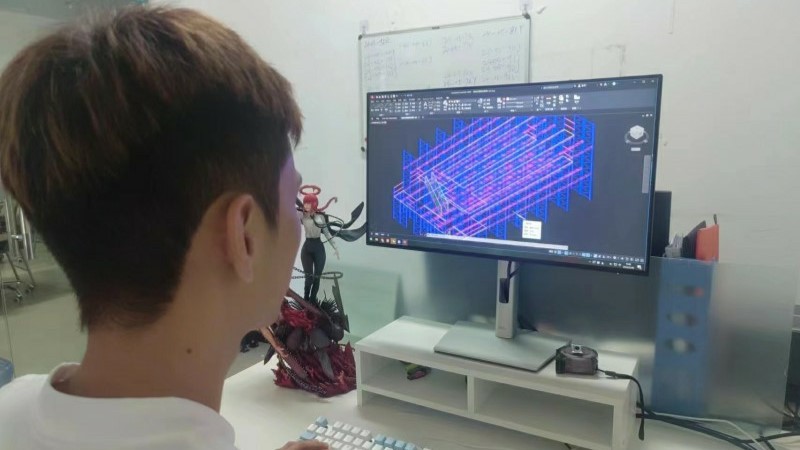
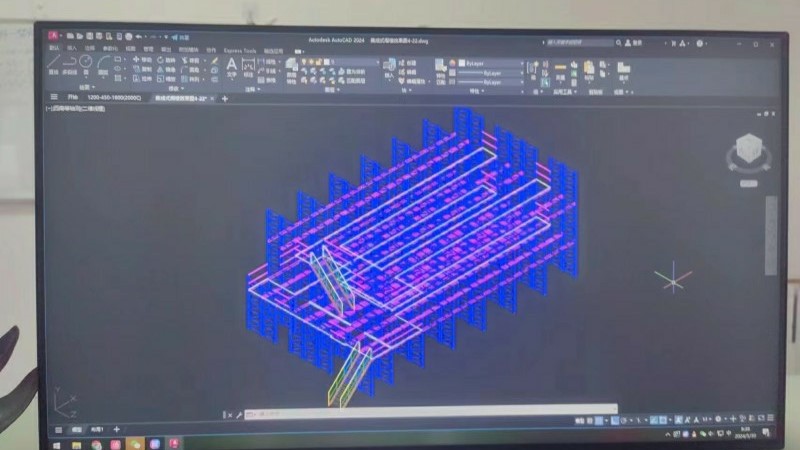
Layout & Stress Analysis
Analysis of warehouse space using CAD layout generation and Finite Element Method (FEM) load testing.
Phase 02
Material Sourcing & Prep
High-tensile steel is tested for mechanical properties before entering automated forming lines.
Phase 03
Robotic Production
Automated punching, roll-forming, and welding minimize human error and ensure product consistency.
Phase 04
Anti-Corrosion Coating
Pre-treatment wash followed by electrostatic powder coating ensures high wear resistance.

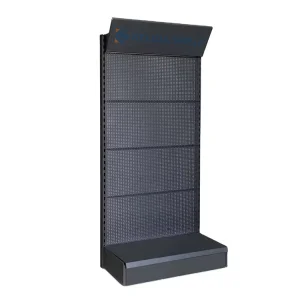
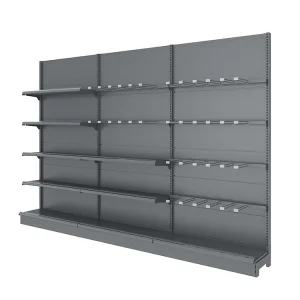
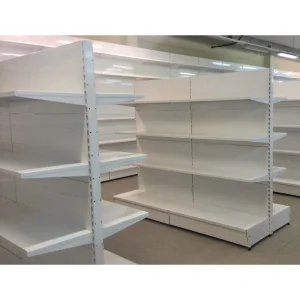
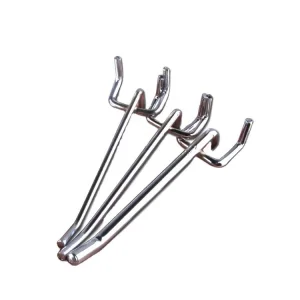
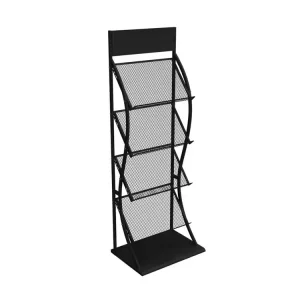
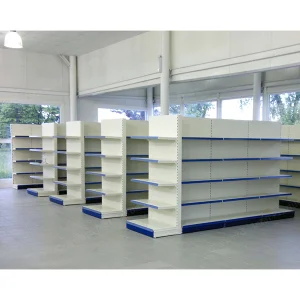
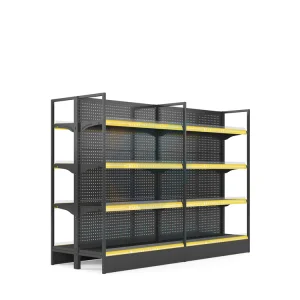
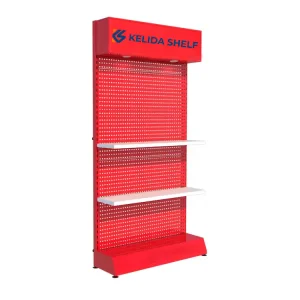
Complete Nagoya Racking & Commercial Display Catalog

Explore our full line of industrial warehouse solutions and heavy-duty retail hardware displays.
Frequently Asked Questions: Racking Optimization

Technical details regarding structural safety, seismic engineering, and logistics support for Nagoya-based imports.

Q: Do your racking systems comply with Japanese seismic standards (JIS)?
Yes. Our structural design team calculations are compliant with local structural safety standards. For installations in seismically active zones like Aichi Prefecture, we supply heavy-duty, anchorable steel footplates, thick expansion bolts, and reinforced portal bracing to secure stability during seismic activity.
Q: What is the typical shipping lead time from your factory to the Port of Nagoya?
Our modern manufacturing facility is located in Ningbo, close to major deep-water ports. Ocean transit time from Ningbo to the Port of Nagoya is typically between 4 to 7 days. Standard manufacturing timelines are 20 to 30 days depending on the customization tier, which allows us to offer faster delivery times compared to other international exporters.
Q: Can we customize dimensions to fit standard Japanese plastic container bins?
We provide full customization for rack dimensions, level spans, and beam lengths. Whether your warehouse operations use industrial pallets (e.g., Japanese T11 standard: 1,100mm × 1,100mm) or custom automotive part boxes, our R&D team can optimize frame sizes to minimize empty volume.
Q: What surface treatments do you offer for cold storage facilities in Aichi?
For temperatures down to -40°C, we recommend hot-dip galvanization or a double-layered electrostatic powder-coating finish. This protection profile prevents paint peeling and rust formation caused by dynamic temperature fluctuations and high humidity levels near marine ports.

Upgrade Your Warehouse Efficiency Today

Get in touch with our team of structural engineers to receive a free dynamic loading analysis, CAD layout draft, and customized B2B price quote for your operations in Nagoya.

Send Inquiry Now