Optimized storage products engineered for durability, structural safety, and high-frequency commercial and industrial utilization.
Belgium stands as the geographic and logistical beating heart of Europe. With the expansion of the Port of Antwerp-Bruges, the growth of cargo throughput at Liège Airport, and the hyper-dense network of motorways connecting Brussels, Flanders, and Wallonia to Germany, France, and the Netherlands, the country has become the ultimate Gateway to Europe. Consequently, demand for modern, high-throughput warehousing has reached historic peaks.
However, industrial land in Belgium is finite and expensive. Operating warehouse space efficiently requires a shift from wide-aisle storage configurations to high-density structural racking systems. This is where Drive-In Pallet Racking presents a massive operational and financial advantage. By eliminating traditional access aisles, drive-in systems allow forklifts to drive directly into the storage bays, providing up to 75% more pallet positions compared to standard selective pallet racking.
For Belgian companies handling homogeneous goods, cold chain storage (such as frozen vegetables in Flanders or dairy exports in Wallonia), and FMCG warehousing, optimizing the cubic space is not just an option—it is a critical requirement to remain competitive under rising European real estate rates and carbon compliance frameworks.
High-volume maritime container consolidation requires maximum pallet density near main waterways, driving the need for deep-lane LIFO racking.
Air cargo sorting zones near Liège demand quick staging and high capacity layouts to buffer seasonal imports and express delivery shipments.
Understanding the engineering guidelines, rail load distributions, and conformity with European standard EN 15512.
Drive-in racking is constructed on a basic principle: Last-In, First-Out (LIFO). It consists of continuous blocks of racking not interrupted by aisles. Forklifts drive into the structural upright bays to store or retrieve pallets. Because the system is subjected to dynamic movements of forklifts operating *inside* the structure, engineering design must focus intensely on structural stability, safety barriers, and steel quality.
| Racking Type | Storage Density | Access Speed (Selectivity) | Pallet Rotation Rule | Primary Use Cases in Belgium |
|---|---|---|---|---|
| Drive-In Racking | Very High (up to 85% space utilization) | Lower (restricted to lane access) | LIFO (Last-In, First-Out) | Cold storage, manufacturing buffers, bulk FMCG |
| Selective Pallet Racking | Standard (approx. 40% space utilization) | Maximum (100% direct access) | FIFO (First-In, First-Out) | Multi-SKU e-commerce, spare parts distribution |
| Radio Shuttle Racking | Ultra-High (up to 90% space utilization) | High (automated shuttle retrieval) | FIFO or LIFO options | High-throughput distribution center hubs |
Ningbo Kelida Shelf Co., Ltd. is a leading manufacturer specializing in industrial warehouse racking and heavy-duty storage shelving solutions. Established in 2014, the company operates a modern manufacturing facility spanning 28,000 square meters. Backed by 12 years of industry experience and 8 years of international trade expertise, Kelida has grown into a trusted global supplier, achieving an annual export revenue of over $18 million.
Driven by strong innovation, our experienced R&D team of 15 structural engineers released 35 new storage products last year. We offer complete customization options, including tailored load capacities, dynamic warehouse layouts, custom dimensions, and corrosion-resistant powder coatings. Our integrated supply chain network collaborates with over 650 qualified raw material and component partners, ensuring seamless production cycles and competitive pricing.
Quality control is embedded in every stage of our operations. Supported by a dedicated quality assurance team of 22 QC specialists, we implement rigorous inspection procedures—including raw material tensile testing, automated weld inspection, dynamic load capacity verification, and salt-spray corrosion testing—to guarantee that every rack meets international safety standards.
As an export-oriented enterprise, our primary markets cover North America, Western Europe, Southeast Asia, and the Middle East. We proudly serve a diverse client base, including third-party logistics (3PL) providers, industrial manufacturing plants, e-commerce distribution hubs, and commercial wholesale distributors. Through high-durability products and reliable engineering support, Ningbo Kelida Shelf Co., Ltd. remains committed to optimizing warehouse efficiency for businesses worldwide.
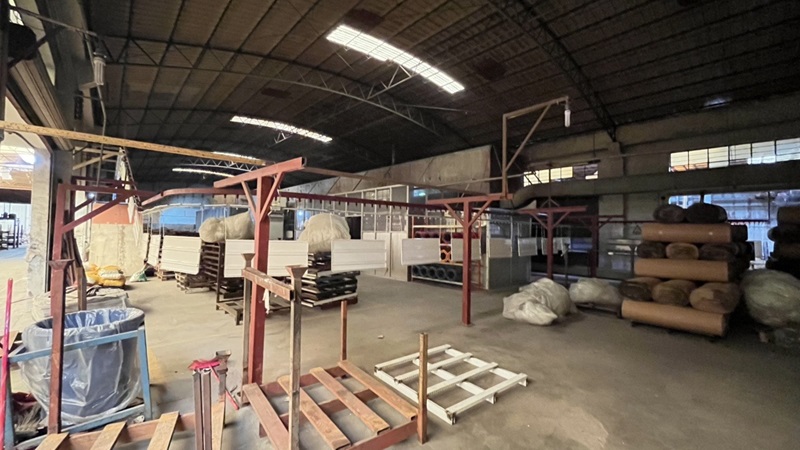
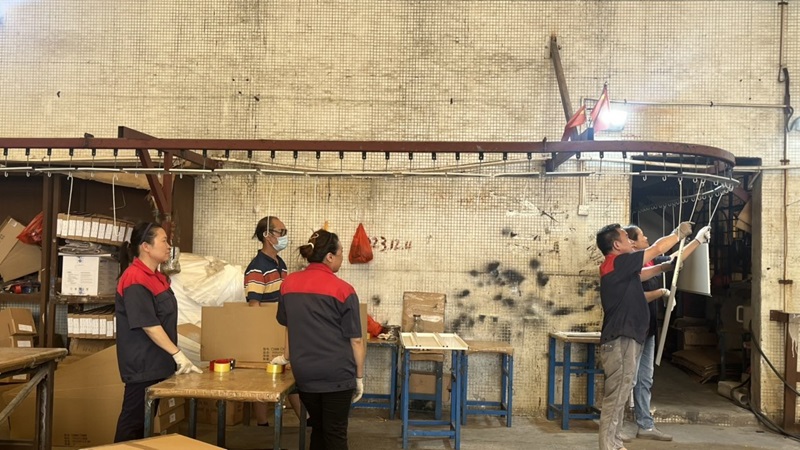
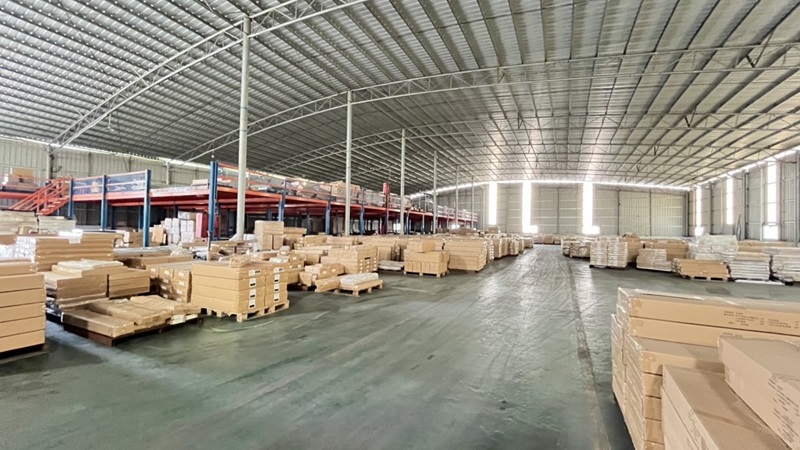
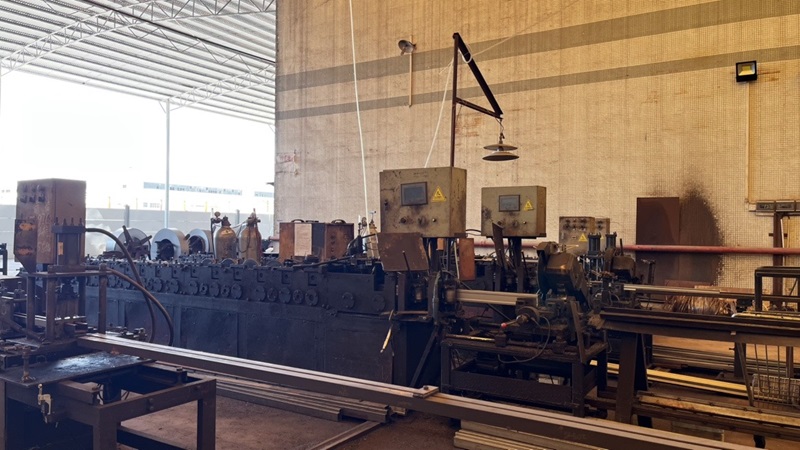
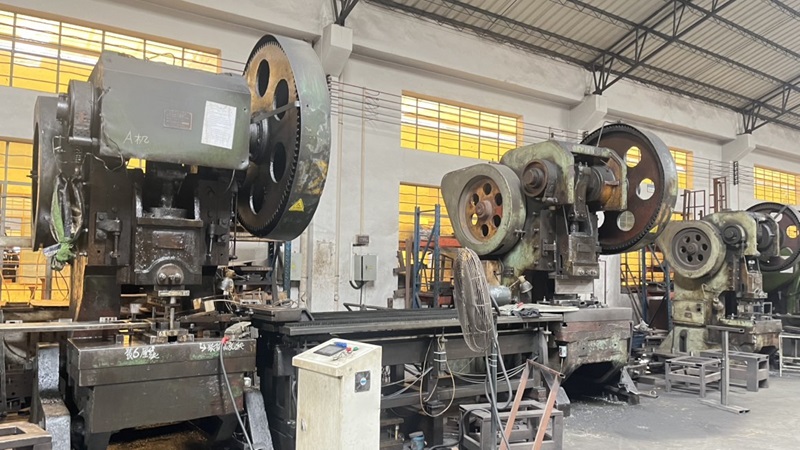
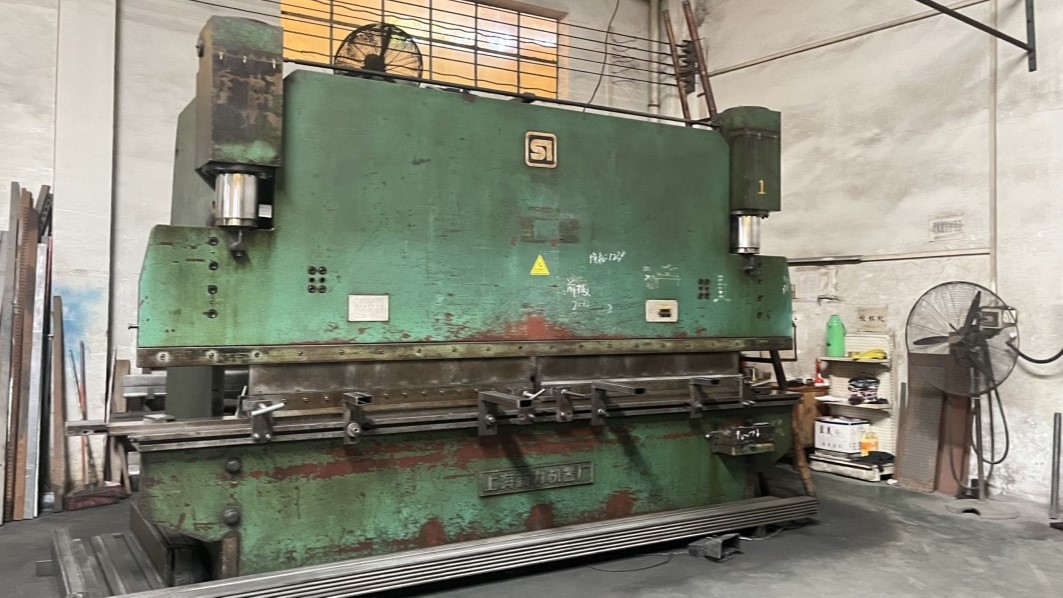
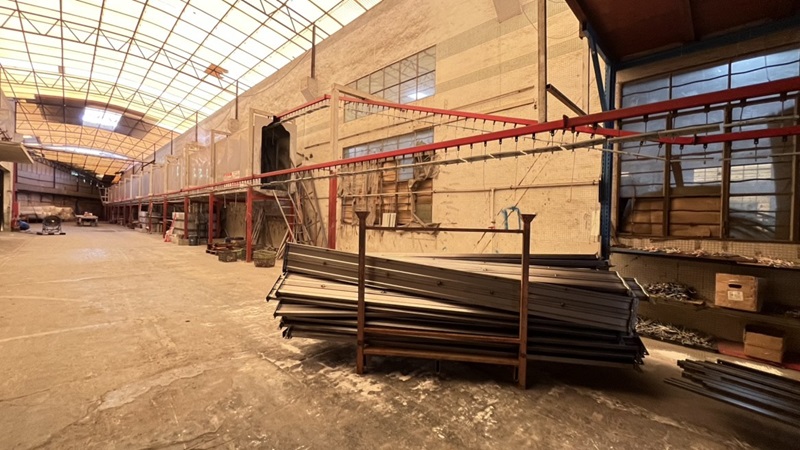
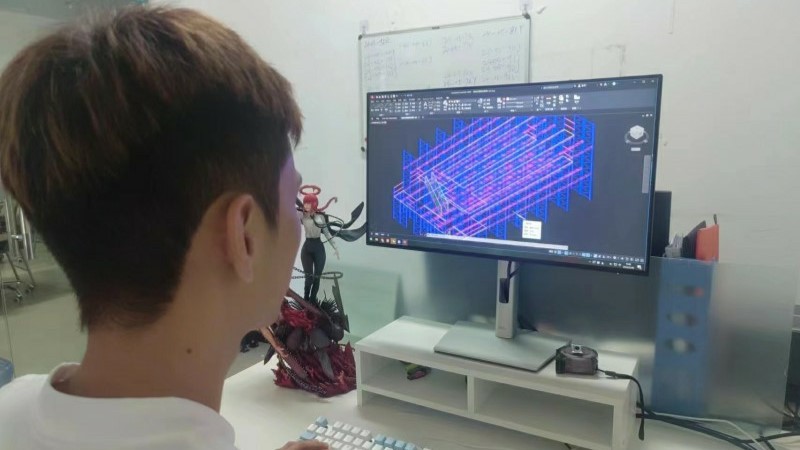
Take a look inside our 28,000 square meter plant, featuring cutting-edge automated production lines and advanced testing procedures.
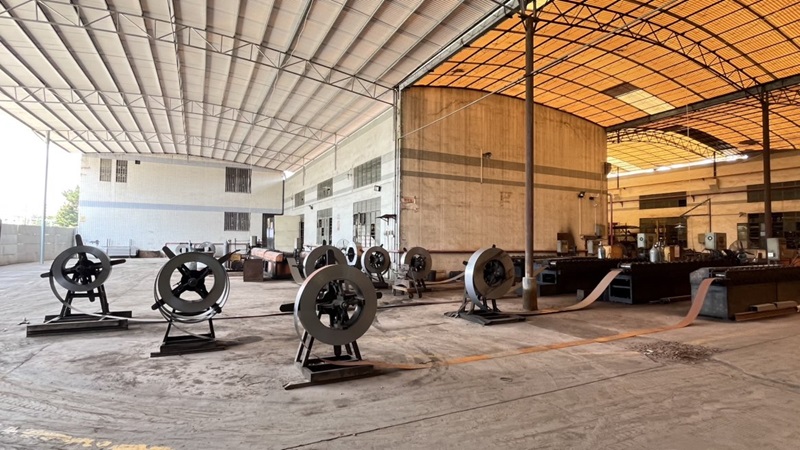
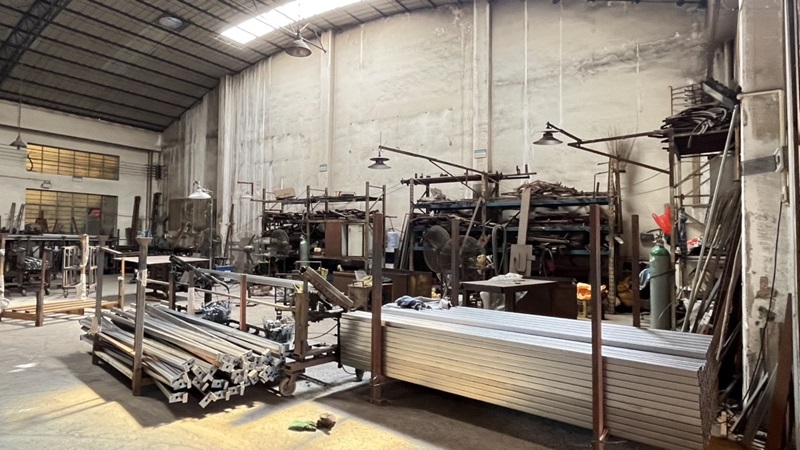
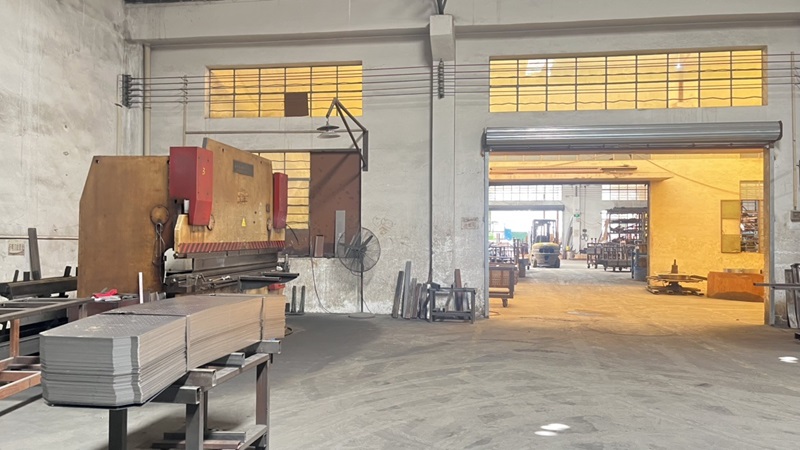
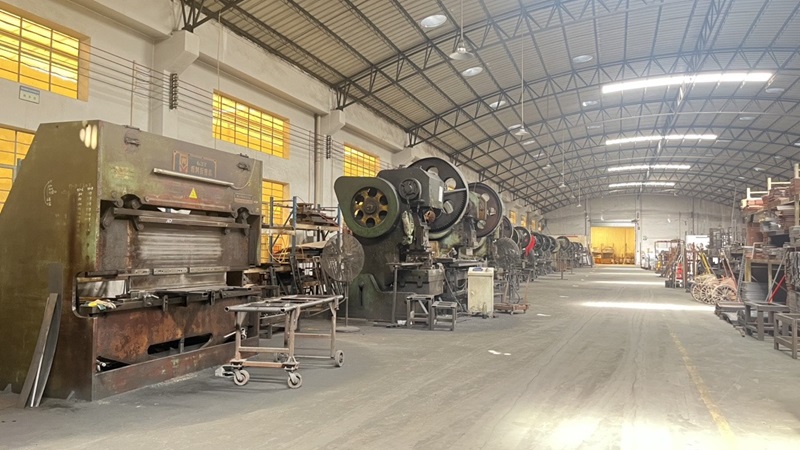
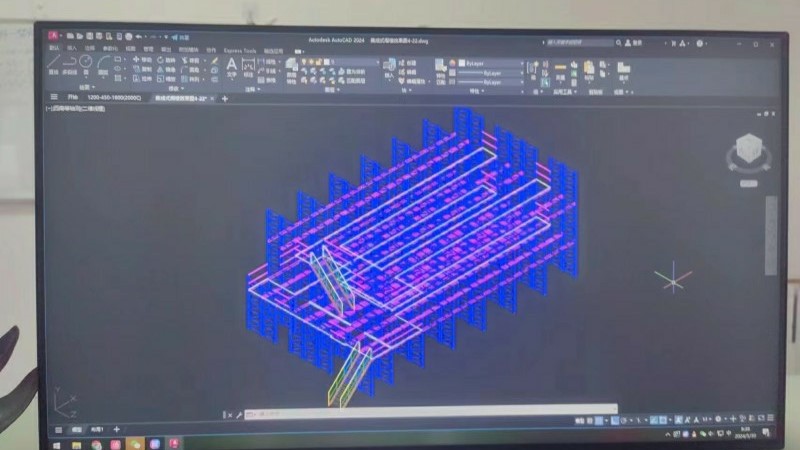
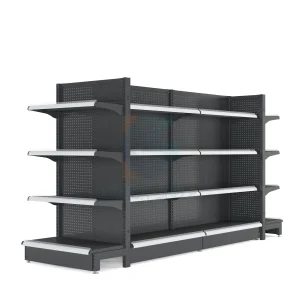
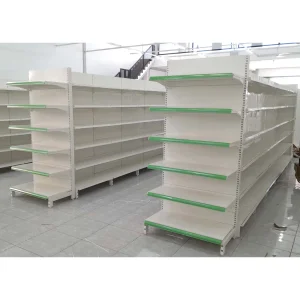
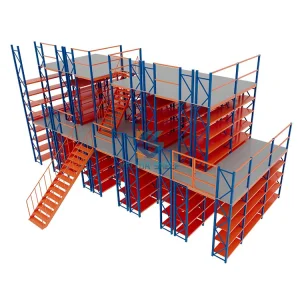
From modular heavy-duty mezzanines to retail gondolas, engineered to optimize dynamic load performance.
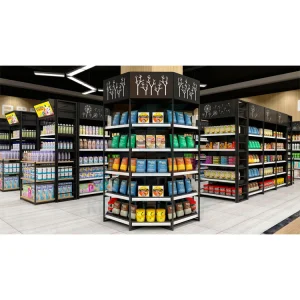
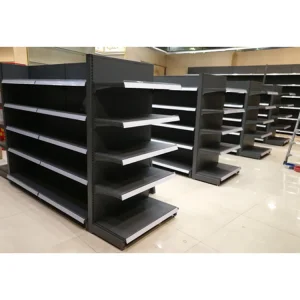
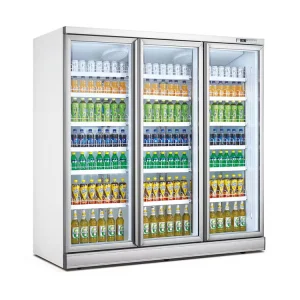
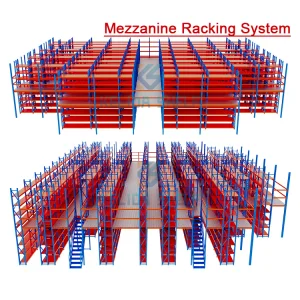
Designs compliant with Eurocode 3 standards. Accurate modeling of static structural stresses and seismic safety requirements in Flanders regions.
Our commitment to reduction of structural carbon footprint through lean supply chains and optimized roll-forming material thickness.
The industrial landscape in Belgium is transitioning rapidly towards sustainability and digitalization. Standard drive-in racking is increasingly integrated with semi-automated storage elements. By substituting manual forklifts with radio shuttle systems, warehouses can convert existing LIFO lanes into high-velocity automated operations with minimal capital expenditure.
Additionally, with Belgium's leading role in Europe's frozen food and chemical distribution, cold storage efficiency is critical. Cold warehouses consume immense quantities of electricity to maintain sub-zero temperatures. Racking configuration must prioritize maximum density to lower energy costs per pallet. A drive-in layout is the most efficient non-automated solution for cold storage, locking in conditioned air volumes and reducing overall thermal leakage.
At Kelida, we anticipate these trends by designing all drive-in frames to accommodate automated shuttle conversions down the line, ensuring that the system you install in Antwerp or Ghent today is fully compatible with the automation pathways of tomorrow.
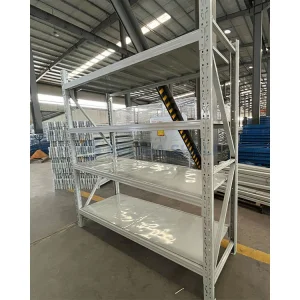
A complete selection of storage equipment, built under strict QC protocols and suited for industrial and retail environments.
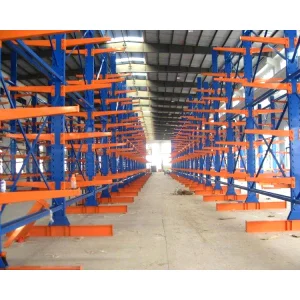
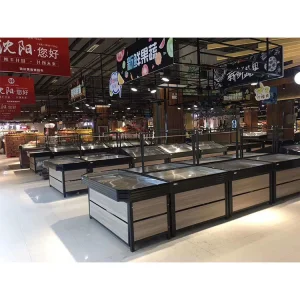
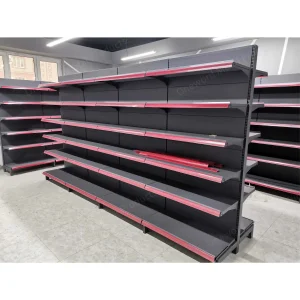
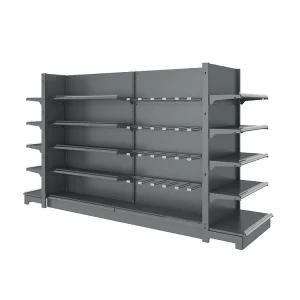
Technical expertise answering critical queries for logistics managers, structural planners, and safety inspectors.
Typically, drive-in systems are designed to store pallets between 2 to 10 deep per lane. While layouts deeper than 10 pallets are physically possible, they significantly decrease operational efficiency due to driver travel distances and increase the risk of column impacts inside the lanes. For cold storage in Belgium, a depth of 5 to 8 pallets is generally the sweet spot, providing the ideal balance between density and retrieval speeds.
Ningbo Kelida Shelf Co., Ltd. employs a dedicated R&D engineering team of 15 structural specialists. We perform finite element analysis (FEA) to verify the stress, deflection, and stability parameters of each racking system configuration. Structural calculations comply with Eurocode 3 (steel structures) and EN 15512 standards, ensuring that load capacities are certified and safety margins are fully met.
Yes, standard counterbalance or reach trucks can be used, provided their outer chassis width is designed to match the entry width of the bays. Generally, the clearance between the forklift sides and the structural racking uprights must be at least 75mm on each side. We provide full customization options to tailor rack dimensions according to the technical drawings of your existing forklift fleet.
We incorporate double-anchored heavy steel floor guide rails inside the lanes to keep forklift wheels aligned. Additionally, we use high-visibility heavy-duty column protectors on all entry-point uprights. On the engineering side, high-tensile baseplates and structural bracings prevent localized impacts from transferring stress to the broader racking framework.
Our typical production lead time is 25-35 days from technical sign-off. Since Ningbo is adjacent to one of the world's busiest ports, shipping to Antwerp or Zeebrugge takes approximately 30-40 days. We export through our experienced trade team and partner with local European freight forwarders to facilitate import declarations and delivery to your warehouse site.
Whether you are designing a greenfield distribution center or converting an existing facility in Antwerp, Brussels, or Wallonia, our engineering team is here to support you.
 Kelida Racking