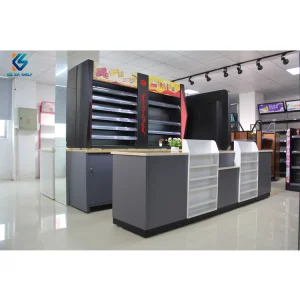
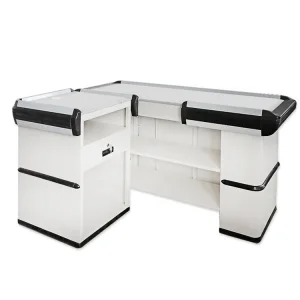
Featuring modular configurations, reinforced materials, and modern aesthetic integration tailored specifically for Moscow's high-traffic retail formats.
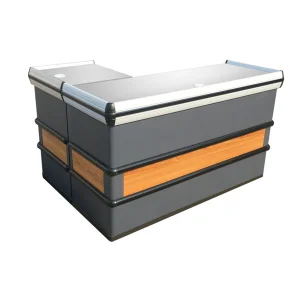
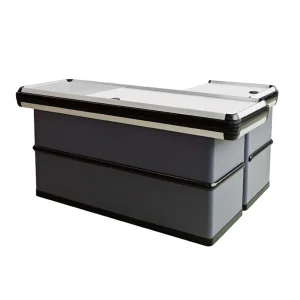
The retail sector in Moscow, encompassing the central metropolis and the surrounding Moscow Oblast, represents the largest commercial consumer market in Eastern Europe. Driven by structural shifts, digital integration, and rising consumer expectations for high-efficiency transactions, major national and regional retail chains—such as X5 Group (Pyaterochka, Perekrestok), Magnit, Lenta, and Auchan—are rapidly upgrading their physical footprints. Today, the design of checkout counters is no longer just about transactional space; it has become a core element in optimizing throughput, securing point-of-sale (POS) hardware, and managing peak customer flow.
Manufacturers looking to supply the Moscow market must understand the unique logistical and operational challenges local retailers face. From handling dense peak-hour traffic in multi-format stores to ensuring seamless compliance with local fiscal data transmission regulations (such as integration with unified cash register systems), checkout counters require highly adaptive designs. The demand for modular, robust cashier tables is increasing, as supermarkets seek to combine traditional manned cash lanes with hybrid self-checkout interfaces to maximize space utilization.
Current trends in the checkout counter manufacturing sector reflect a strong push toward heavy-duty raw materials, anti-static surfaces, and structural ergonomics. Cashiers in high-volume Moscow hypermarkets typically work extended shifts, making ergonomic seating integration, variable-height keyboard stands, and strategic cash-drawer placement essential for health and safety compliance.
Additionally, material options have evolved. High-grade stainless steel tops with brushed finishes prevent scratching from shopping baskets, while the main body panels are built using structural steel (such as Q235B) treated with electrostatic powder coating to withstand heavy cleaning agents and winter moisture. The Integration of smart LED signal lights, checkout belt conveyors with photoelectric sensors, and security plexiglass shields are standard features required by Moscow's retail leaders.
Industrial manufacturing capacity, rigorous QA frameworks, and custom design pipelines engineered to support global distributors and Moscow retail enterprises.
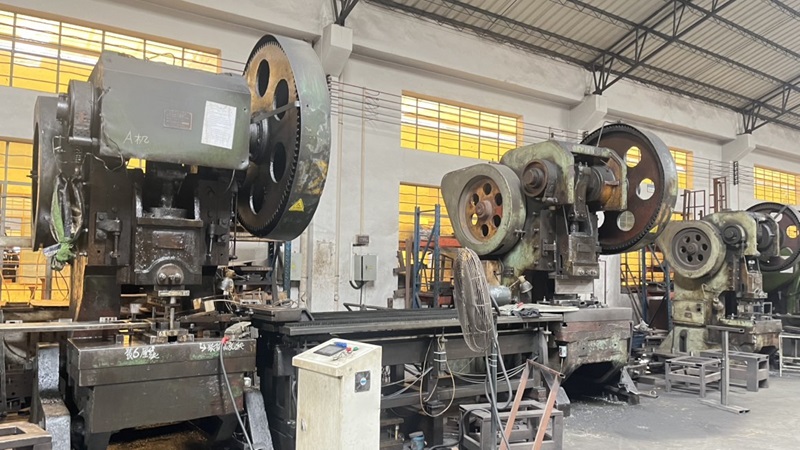
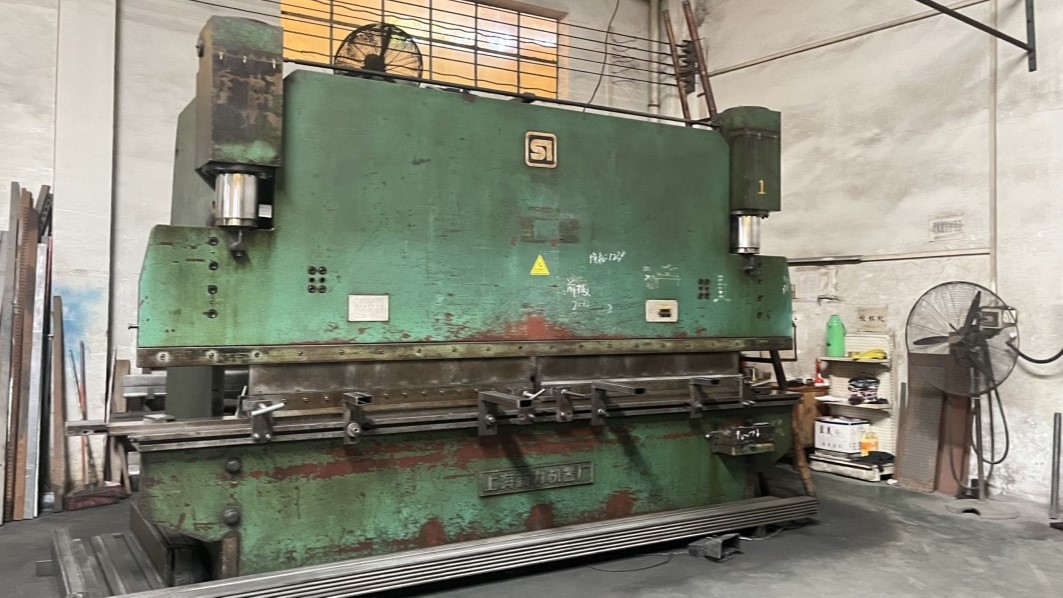
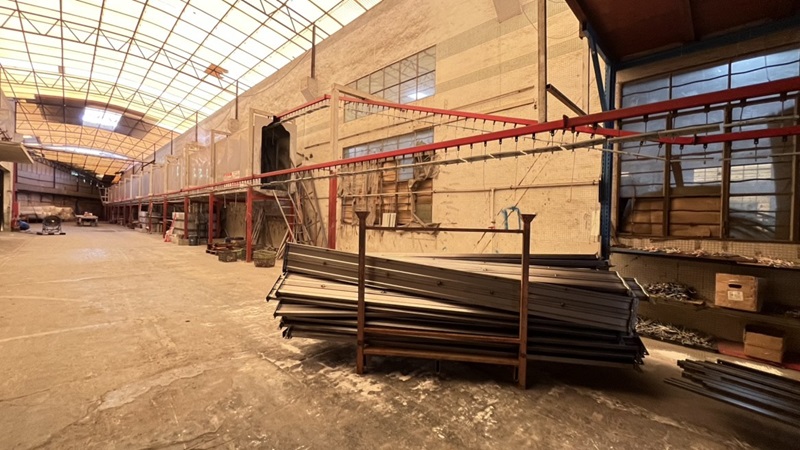
Ningbo Kelida Shelf Co., Ltd. is a leading manufacturer specializing in industrial warehouse racking, retail display shelving, and heavy-duty commercial storage solutions. Established in 2014, the company operates a modern manufacturing facility spanning 28,000 square meters. Backed by 12 years of industry experience and 8 years of international trade expertise, Kelida has grown into a trusted global supplier, achieving an annual export revenue of over $18 million.
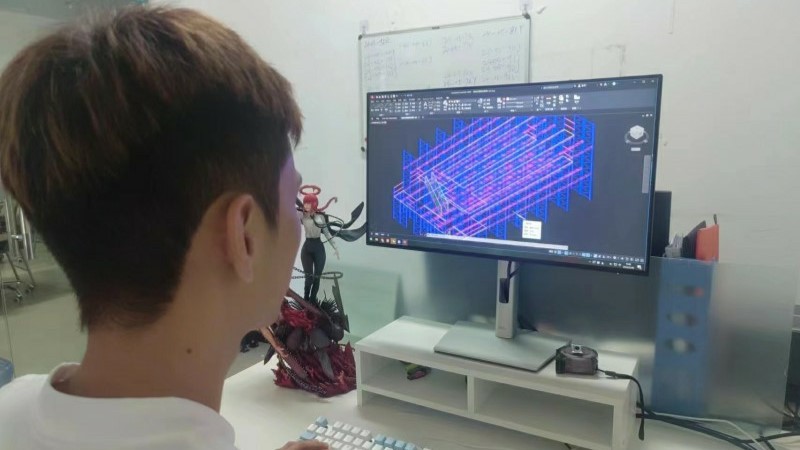
Driven by strong innovation, our experienced R&D team of 15 structural engineers released 35 new storage and display products last year. We offer complete customization options, including tailored load capacities, dynamic warehouse and shop floor layouts, custom dimensions, and corrosion-resistant powder coatings. Our integrated supply chain network collaborates with over 650 qualified raw material and component partners, ensuring seamless production cycles and competitive pricing.
Quality control is embedded in every stage of our operations. Supported by a dedicated quality assurance team of 22 QC specialists, we implement rigorous inspection procedures—including raw material tensile testing, automated weld inspection, dynamic load capacity verification, and salt-spray corrosion testing—to guarantee that every rack and checkout counter meets international safety standards.
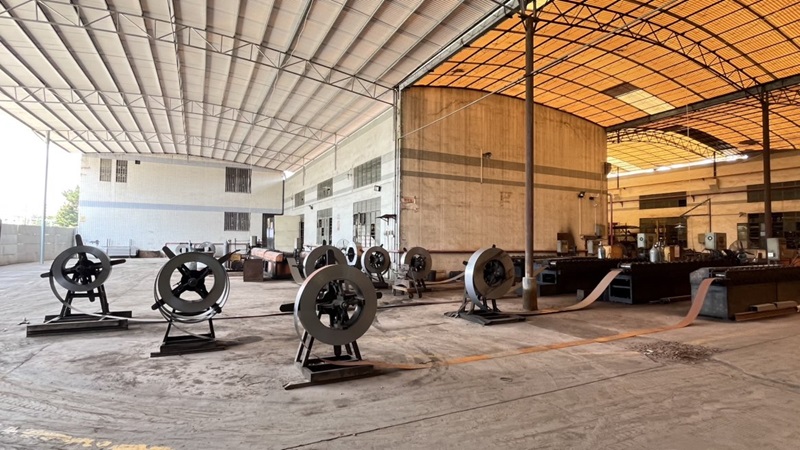
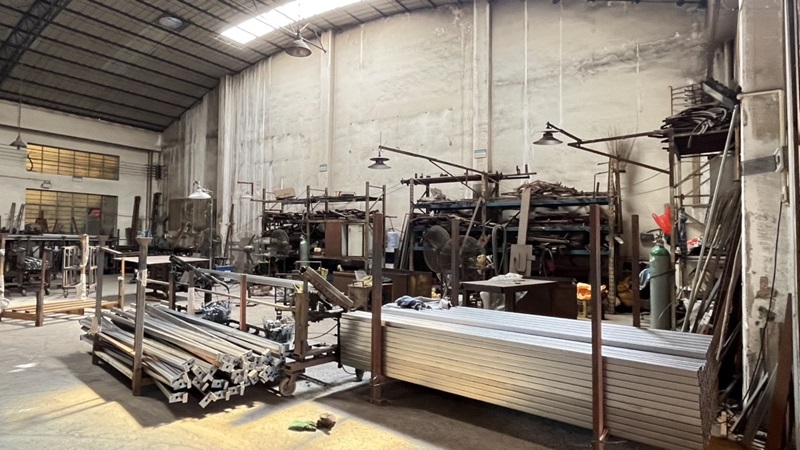
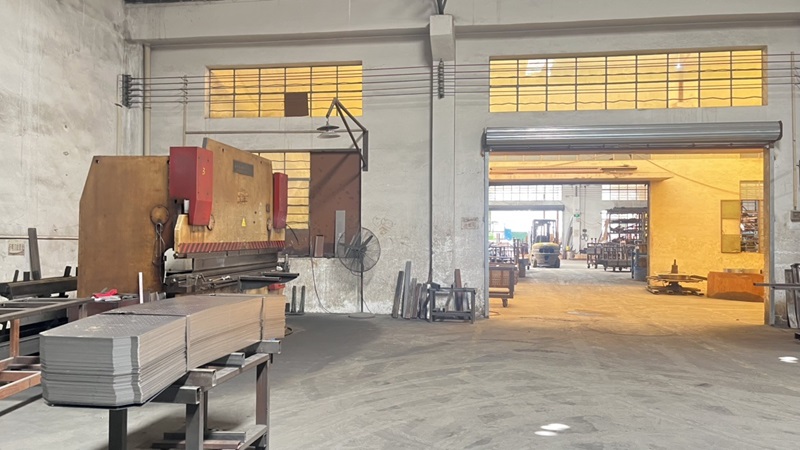
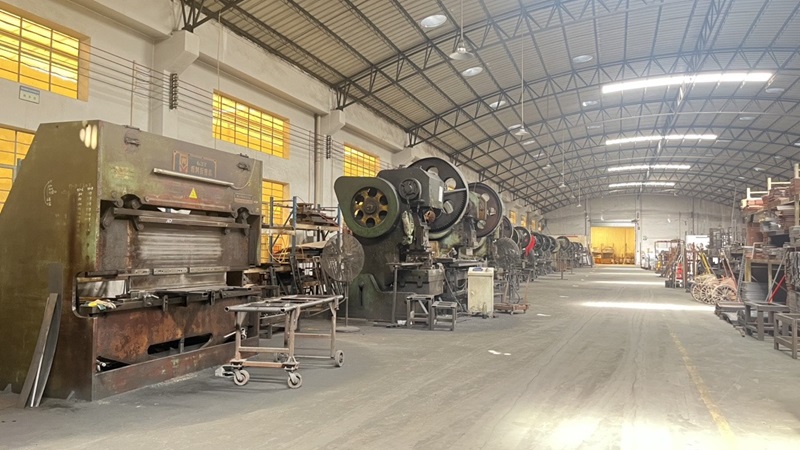
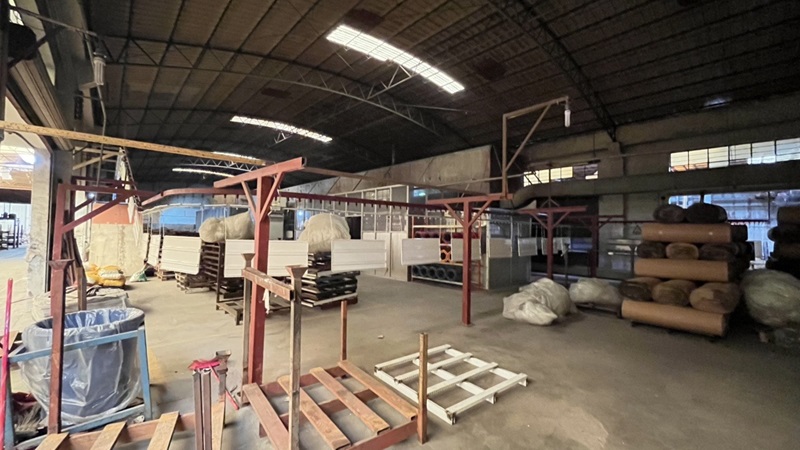
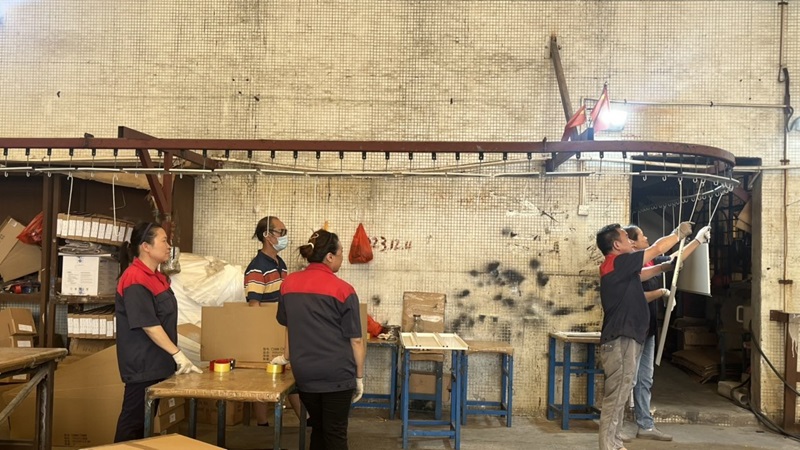
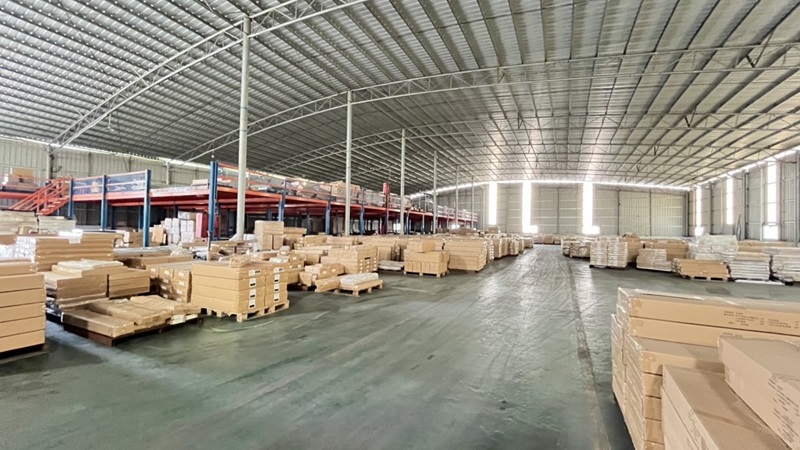
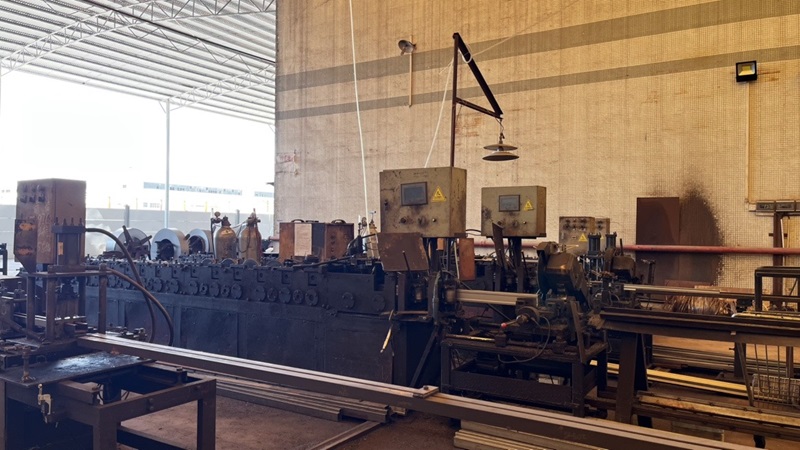
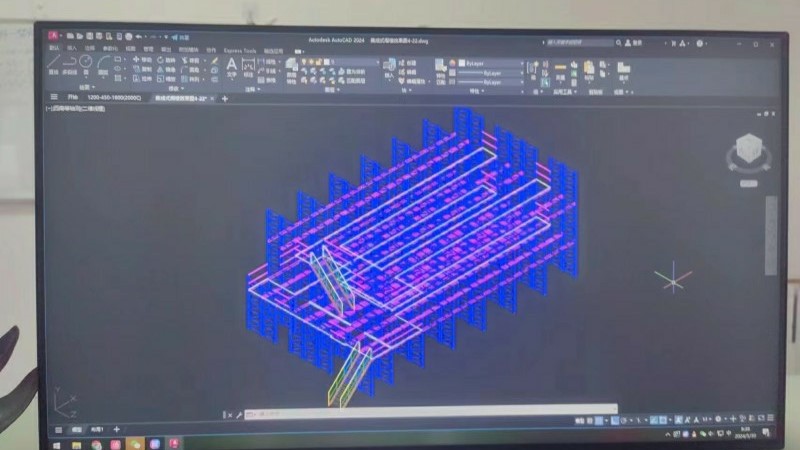
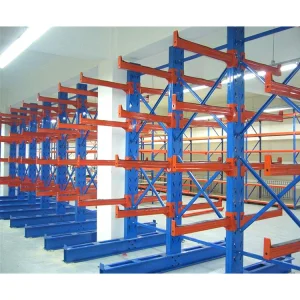
For industrial buyers, detail in engineering design determines long-term ROI. Kelida's checkout counters and storage racks are manufactured utilizing high-tensile Q235B steel. Compared to standard mild steels, Q235B offers superior yield strength (up to 235 MPa), crucial for both cantilever storage frameworks and checkout chassis. The surface treatment involves a multi-stage process: acid pickling to remove oxides, phosphating to prevent sub-film rust, and an electrostatic powder coat baked at 180°C. This ensures high scratch resistance and stability under fluctuating humidity conditions, typical for Moscow regional logistics parks and commercial facilities.
| Material Property / Component | Technical Value / Standards | Russian / EAEU Market Suitability |
|---|---|---|
| Steel Grade Selection | Q235B High-Yield Carbon Steel | High load bearing, seismic compliance, suitable for unheated warehouse zones. |
| Anti-Corrosion Coating | Electrostatic Dry Powder Coat (60–80 μm) | Resistant to road salt tracked into vestibules, chemical cleaners. |
| Modular Interface Support | Universal VESA Mounts & Conduit Paths | Compatible with Russian fiscal cash registers (Atol, Shtrih-M) & POS systems. |
| Quality Certification | ISO 9001:2015, CE, Factory Load Verifications | Meets Russian GOST-R requirements and EAC declaration regulations. |
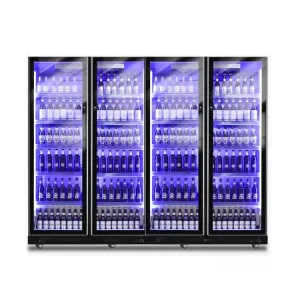
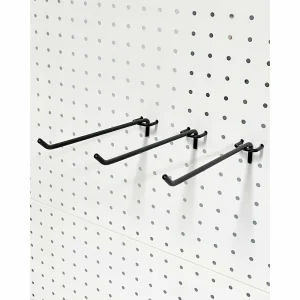
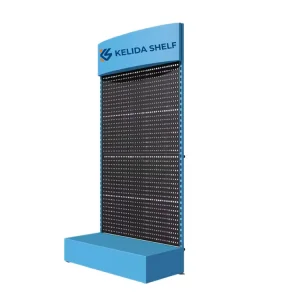
A comprehensive list of products designed to optimize front-of-house checkout lanes and back-of-house logistical operations for Moscow enterprises.
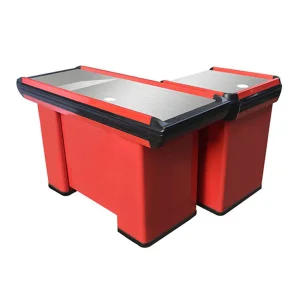
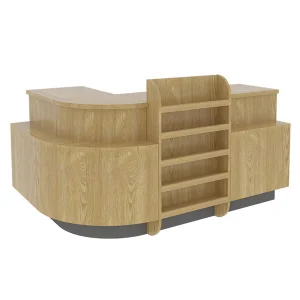
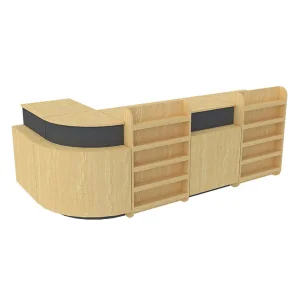
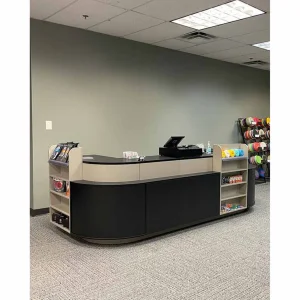
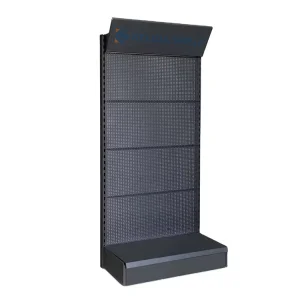
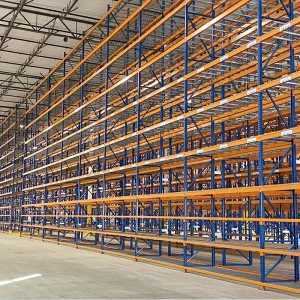
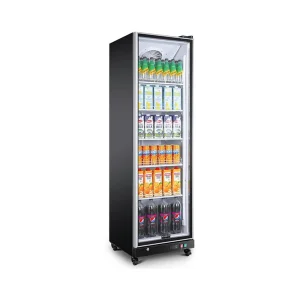
Operating successfully in the Moscow market requires compliance with local standards and technical frameworks. The Eurasian Economic Union (EAEU) mandates technical regulations for steel structures and electronics integrated into commercial venues. Kelida ensures all structural shelving complies with the structural safety criteria verified by ISO 9001:2015, and electrical parts integrated into belt-driven checkouts carry certified components.
For large-scale hypermarket fit-outs, we work closely with localized engineering and installation agencies within the Moscow Oblast. This cooperation allows for prompt installation of checkout lanes and pallet racks, guaranteeing that municipal and regional building regulations, warehouse safety checks, and retail fire codes are completely fulfilled.
The digital roadmap for retail counters is shifting toward self-checkout (SCO) units and cashier-manned hybrid systems. As labour dynamics change, retail networks in Moscow are prioritizing layouts that allow a single supervisor to oversee 4 to 8 SCO lanes. Our R&D team is constantly engineering modular checkout series that can switch from a manned cash counter to an automated kiosk station with minimal mechanical adjustments.
In parallel, integration of weight-sensing security platforms, optical scanner trays, and cash recyclers is standard. Our future iterations incorporate anti-microbial paint options and dynamic LED guidance systems that interface directly with the store's central queue management software.
Essential insights covering logistics, customization, local compliance, and technical support for Moscow retail and logistics networks.
 Kelida Racking