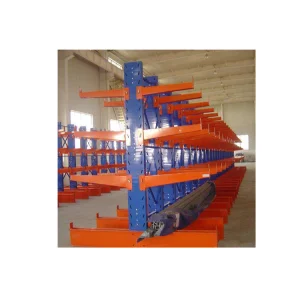
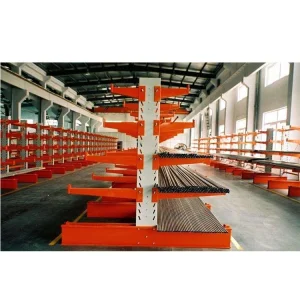
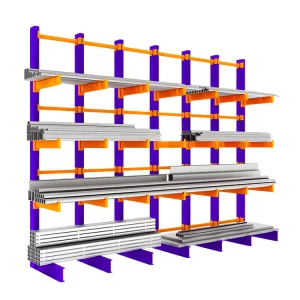
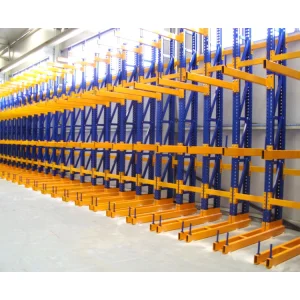
The Greater Los Angeles Area, encompassing major distribution nodes such as Ontario, Rancho Cucamonga, and the Inland Empire, presents some of the highest warehouse real estate costs in the United States. Utilizing high-capacity structural storage systems like cantilever racking is not just an organizational preference—it is a critical optimization strategy to exploit vertical headspace and reduce foot-print overheads.
Operating in Southern California means adhering to stringent structural guidelines defined by the Los Angeles Department of Building and Safety (LADBS) and the California Building Code (CBC). Standard racking designs cannot withstand local seismic forces (Seismic Design Categories D, E, and F). Our designs utilize RMI-compliant heavy structural steels, oversized baseplates, and certified high-tensile anchoring.
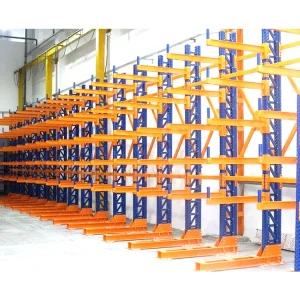
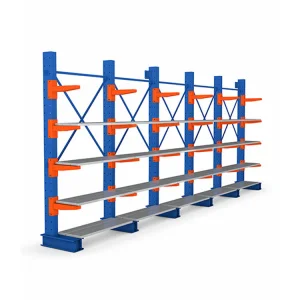
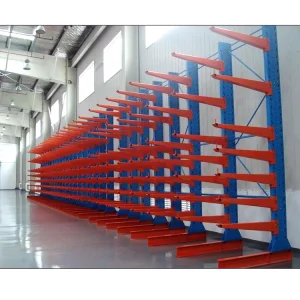
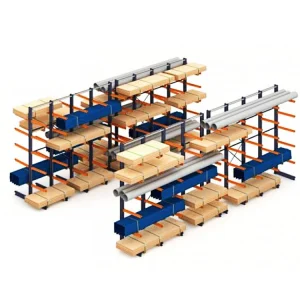
Traditional pallet rack systems have front vertical pillars that restrict the insertion and removal of long, bulky inventory. Cantilever systems completely eliminate these front columns. This allows forklift operators safe, linear access to steel structural beams, aluminum profiles, construction timber, and commercial piping systems without load obstruction.
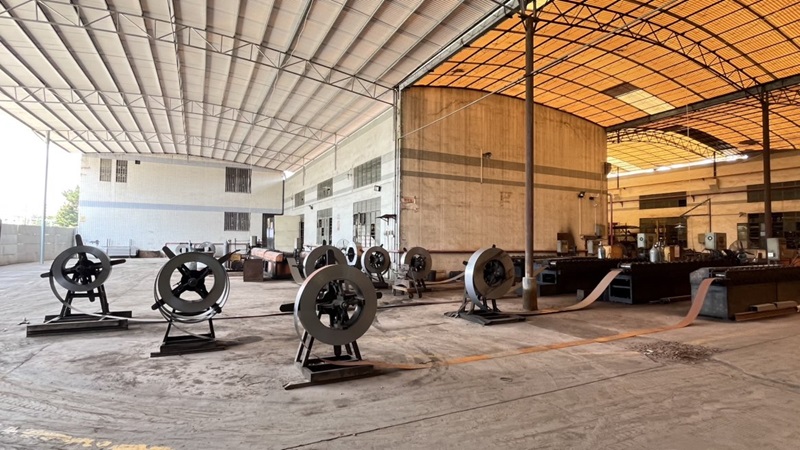
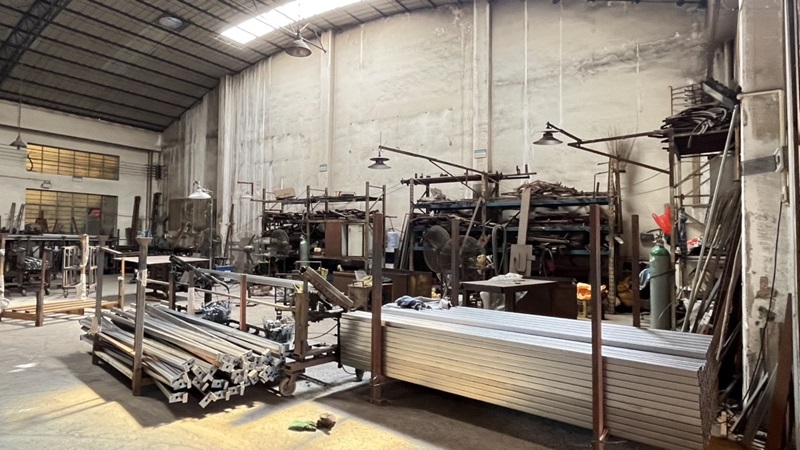
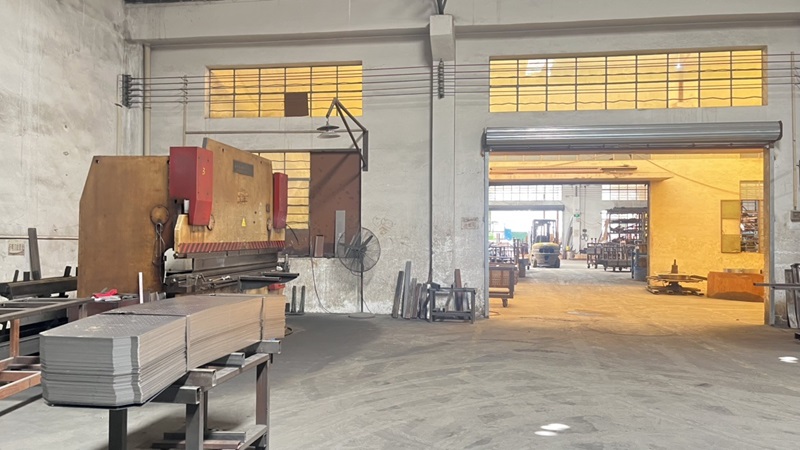
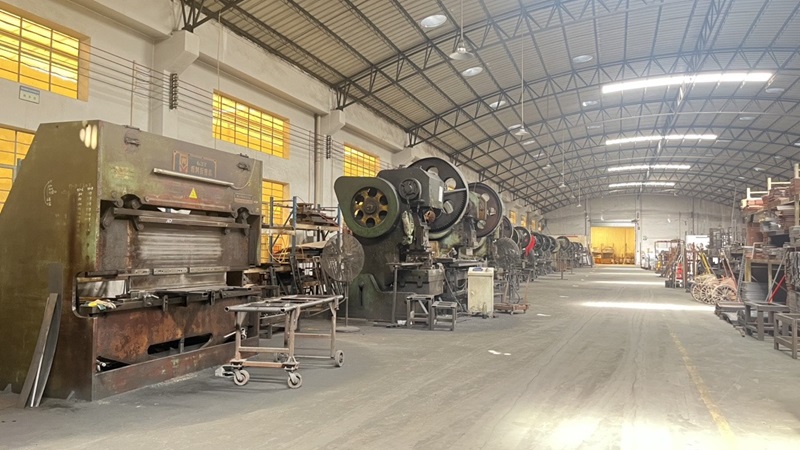
Established in 2014, Kelida combines 12 years of heavy structural manufacturing experience with 8 years of direct international trade to major distribution channels in the US, Europe, and the Middle East.
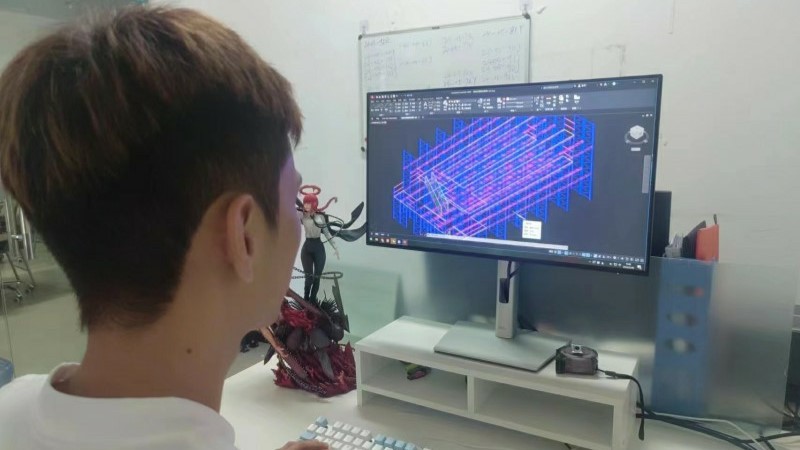
Kelida's dynamic R&D division has pioneered specialized column base connections and high-strength arm-locking mechanisms designed to mitigate shear forces during seismic tremors. Using advanced finite element analysis (FEA) software, our engineers calculate the ideal gauge thickness—spanning high-grade structural Q235B and Q355B steel profiles—to match your exact storage height and load configuration.
Our raw materials are sourced through an elite supply chain of over 650 qualified material partners, ensuring cost efficiency that is directly passed on to our global clients. Whether your operations require automated weld inspections, precise structural sizing, or specialized outdoor-rated hot-dip galvanized coatings for coastal environments, Kelida provides unmatched, verifiable manufacturing precision.
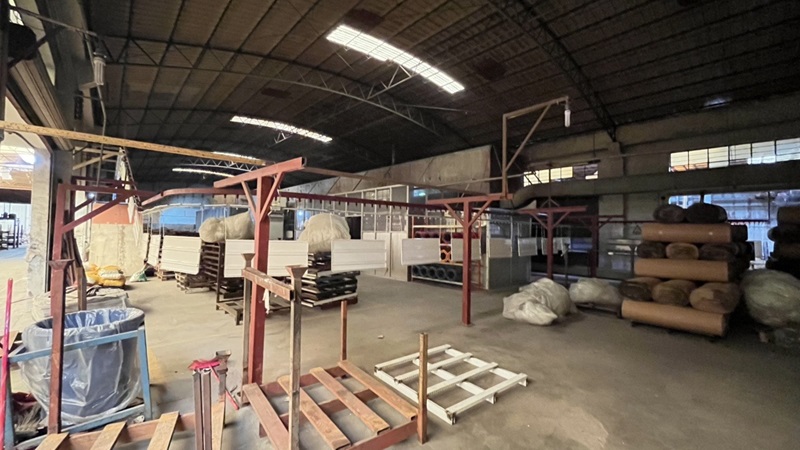
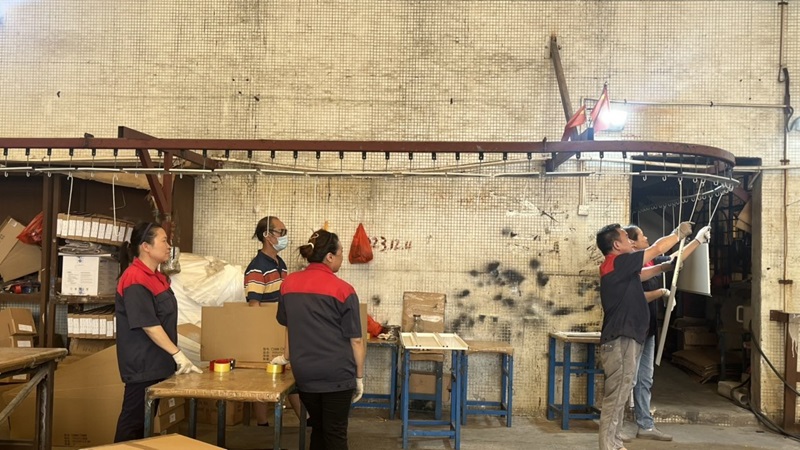
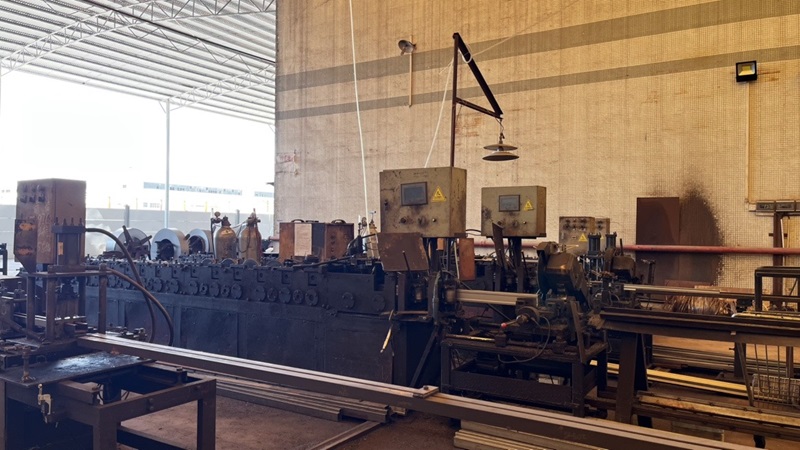
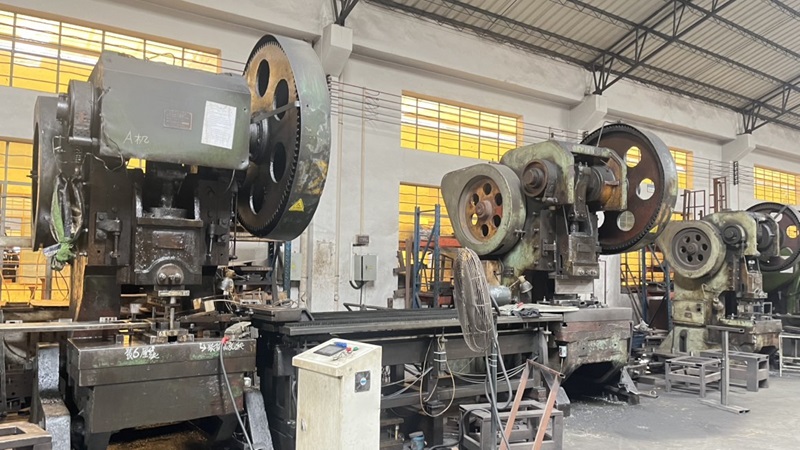
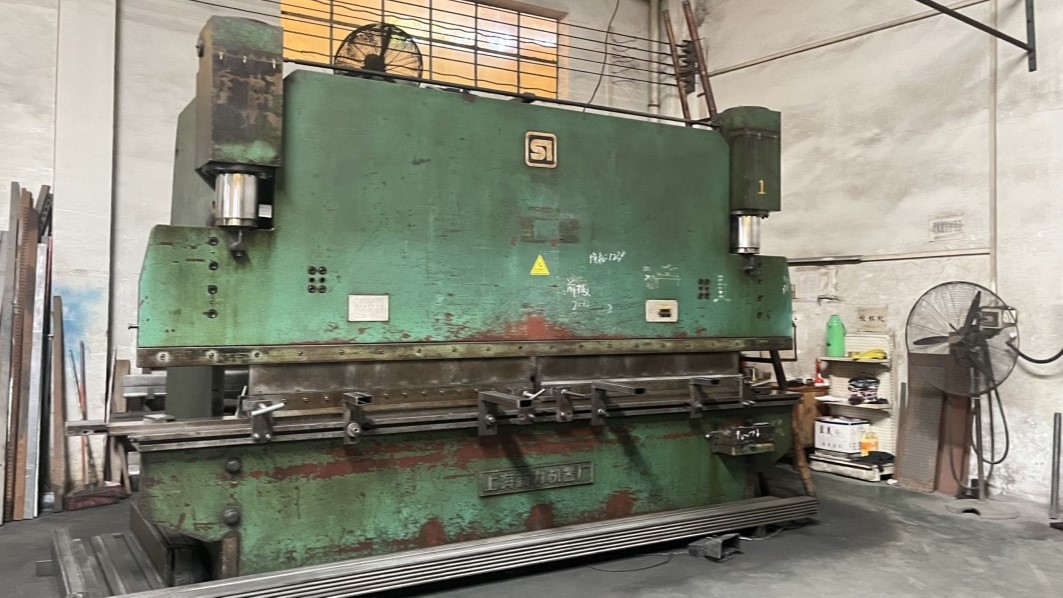
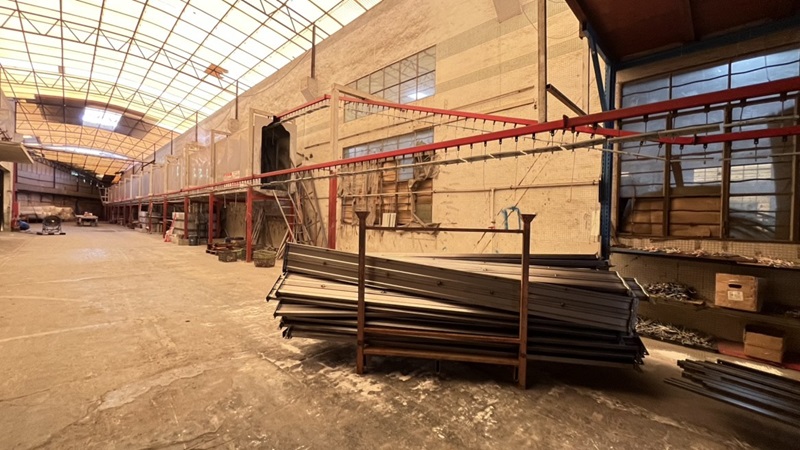
Quality control is built directly into our manufacturing sequence. Every step, from initial raw sheet steel slicing through robotic gas-metal arc welding to final electrostatic powder coating, is documented and monitored by our 22 QC specialists.
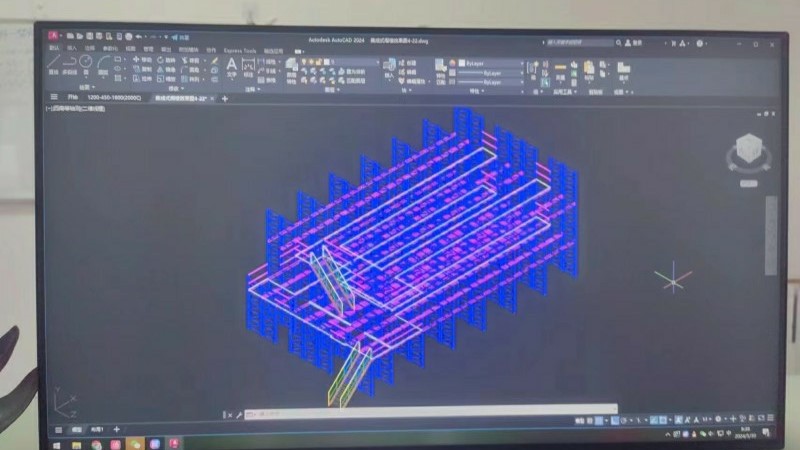
Southern California serves as a primary logistical entry point for North America. Cantilever rack architectures are critical for the efficiency of several core regional industrial sectors:
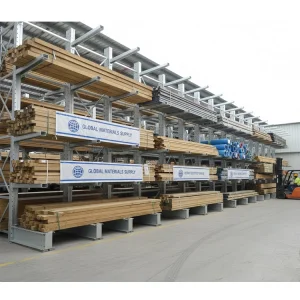
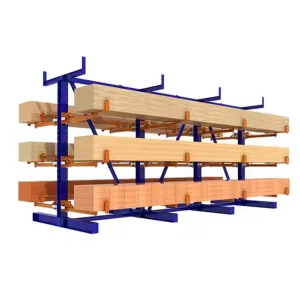
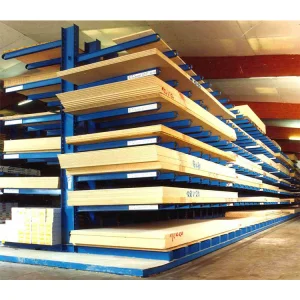
Whether storing structural softwoods, long engineered lumber, sheet drywall, or composite structural decking, our heavy-duty rack towers prevent sagging. Standard arm profiles can be customized with dynamic pipe stops to secure cylindrical timber bundles or rounded metal products.
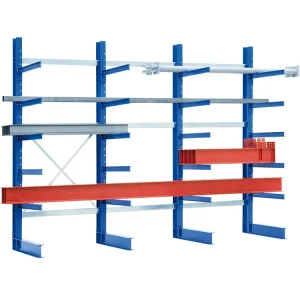
For raw metal storage yards dealing in rebar, heavy steel tubing, long flat bars, and structural channels, our Q355B structural steel configurations manage up to 5,000 lbs per column side, allowing safe forklift retrieval and dense horizontal sorting.
We design dedicated double-sided rack runs for PVC conduit yards, heavy copper plumbing runs, and lightweight aluminum extrusions. Adjusting the arm angles prevents profile slippage and ensures rapid sorting for local distribution trucks.
Managing international supply lines requires logistical transparency and reliable scheduling. Ningbo Kelida Shelf Co., Ltd. utilizes its proximity to the Port of Ningbo—one of the world's most efficient shipping hubs—to arrange direct container shipping routes to the Port of Los Angeles and Port of Long Beach.
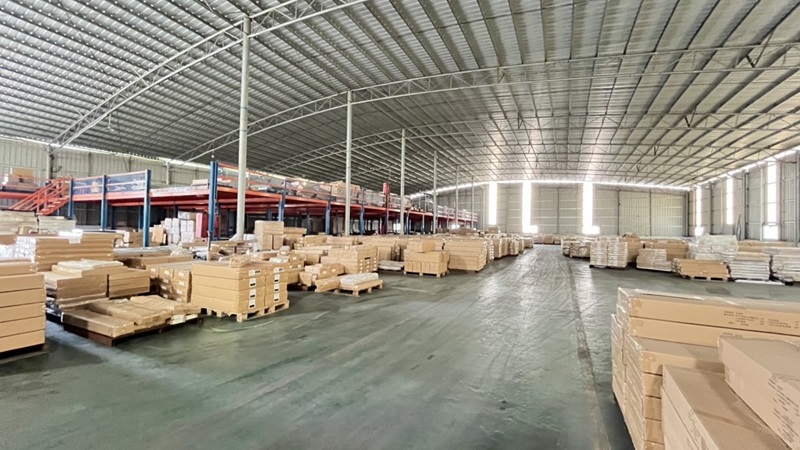
Our typical shipping timeline to the United States West Coast ranges from 18 to 22 days of ocean transit. All racking systems are packed using heavy-duty steel bands and protective wood blockings to prevent shifting during transit. Every export shipment includes full engineering load calculations, weld certificates, component diagrams, and an illustrated step-by-step assembly manual to support quick assembly and local building department approvals.
To secure an LADBS or local permit, you must submit structural calculations signed by a registered civil or structural engineer licensed in the State of California. These calculations must verify that the racking system can handle the required product load and seismic forces (IBC Chapter 16 and RMI standards). Kelida provides detailed structural drawings and factory material certifications to assist your consulting structural engineer in preparing the permit submittal package.
Roll-formed racking is fabricated from coiled sheet steel bent into shapes, suitable for light-to-medium loads. Structural steel racking is manufactured using heavy hot-rolled C-channel steel. Structural steel is far more resistant to forklift impact damage and supports much higher capacity ratings, making it the preferred option for heavy manufacturing and seismically active areas like Los Angeles.
Arm capacity depends on the steel grade, arm profile (height and thickness), and the length of the arm. It is critical to calculate based on a uniformly distributed load (UDL). Point loading at the tip of the arm reduces its effective carrying capacity by half. Our standard arm capacities range from 600 lbs to over 3,500 lbs per arm.
For California installation projects, base plates are typically larger and thicker than standard installations (e.g., 3/4-inch to 1-inch thick plate). Heavy anchor bolts (often 3/4-inch or 7/8-inch diameter with deep embedment depths of 6 to 8 inches into reinforced concrete) are used. Exact spacing and diameters are determined by engineering calculations based on local geological conditions.
For outdoor applications, we recommend a hot-dip galvanized (HDG) finish. This immersion process coats both the internal and external steel surfaces with a thick layer of zinc-iron alloys, offering long-term protection against humidity and rain. For indoor applications, our standard thermoset powder-coat finish offers excellent durability and scratch resistance.
 Kelida Racking