Optimized configurations for high-capacity warehouse efficiency across Kazakhstan, designed to withstand extreme cold and high-load metrics.
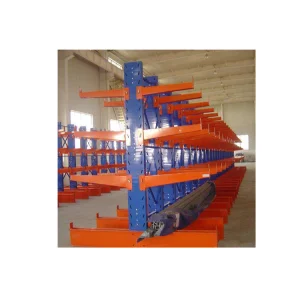
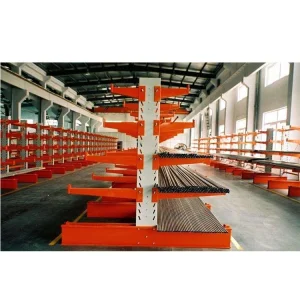
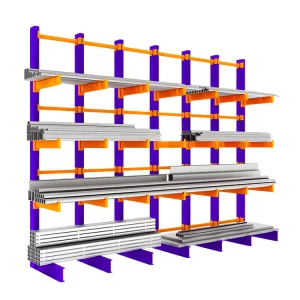
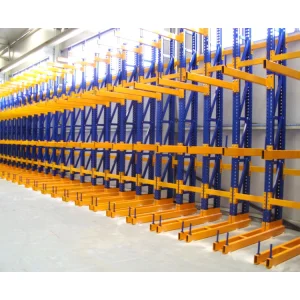
As the primary logistical artery of Central Asia, Kazakhstan is experiencing an unprecedented structural transition. The nation's strategic position along the Middle Corridor (Trans-Caspian International Transport Route) has forced a massive modernization of warehousing infrastructure. Major industrial clusters in Almaty, Nur-Sultan (Astana), Shymkent, Karaganda, and Aktau Port are pivoting toward high-efficiency distribution systems to accommodate heavy metallurgy, steel pipe production, construction panels, and industrial timber processing.
Operating in this market demands compliance with rigid environmental and physical constraints. Structural designs must resist significant seismic events—specifically in the southern regions of Almaty where earthquakes present high horizontal acceleration hazards. Standard shelving is entirely inadequate; industrial warehouses require heavy-duty cantilever racking systems calculated precisely to withstand lateral shear forces and dynamic loading under GOST and Eurocode 8 standards.
Unlike standard pallet racking, cantilever racks are engineered as statically determinate structures. Each arm must safely carry isolated point loads or uniformly distributed loads without structural deflection that exceeds the ratio of L/300. The mechanical properties of raw steel are paramount to this equation.
To safely organize long, heavy loads such as extruded aluminum, rebar bundles, structural tubing, and wood panels, racking systems rely on distinct component customization:
Column Profiles: Columns are manufactured from heavy roll-formed steel profiles or hot-rolled H-beams. Double-sided configurations neutralize dynamic tipping moments, whereas single-sided racks placed against walls require specialized heavy floor anchoring designs.
Arm Connectors: Adjustable arms are joined to the main uprights using high-tensile locking pins. This allows toolless height configuration adjustments in 75mm or 100mm increments, keeping pace with changing industrial inventory structures.
Anti-Corrosion Finishes: For high-humidity storage spaces, mining environments, or outdoor depots near Aktau port, hot-dip galvanizing (HDG) is mandatory. For standard indoor setups, electrostatic powder coating provides a durable, impact-resistant finish.
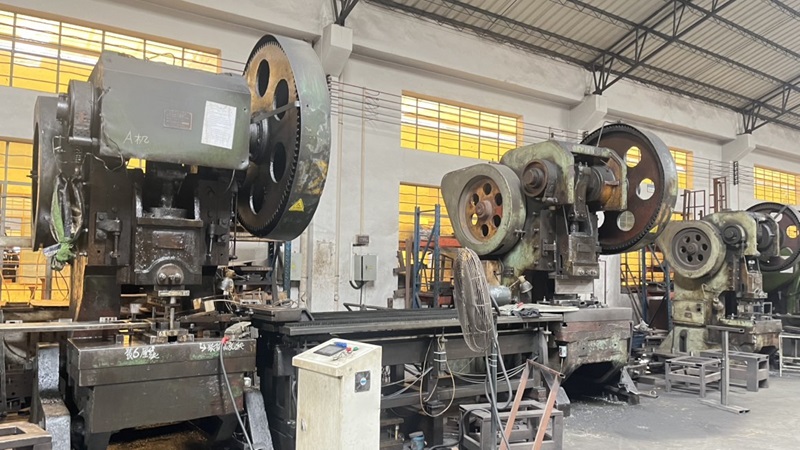
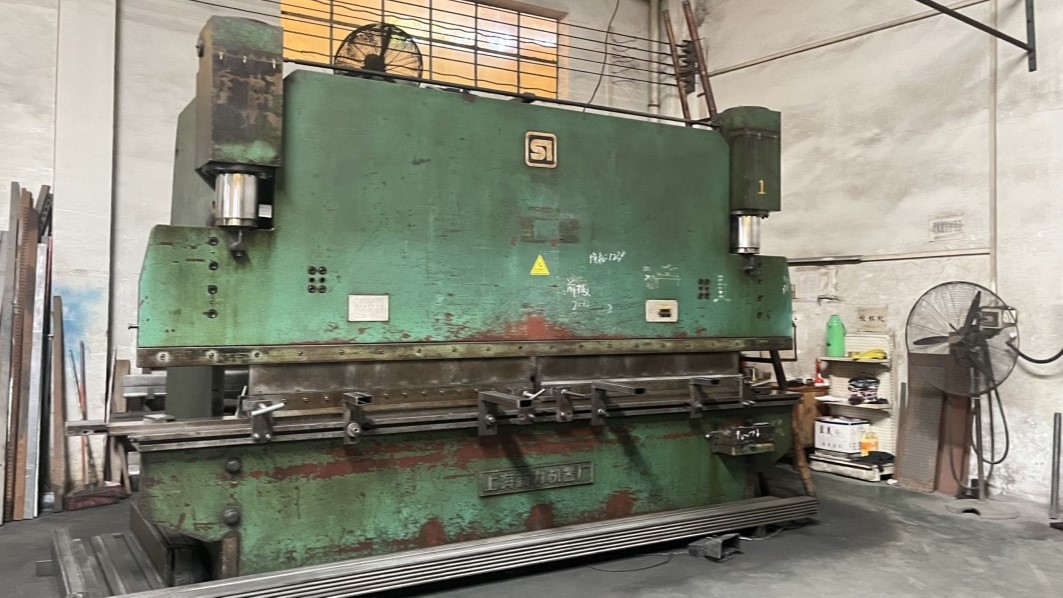
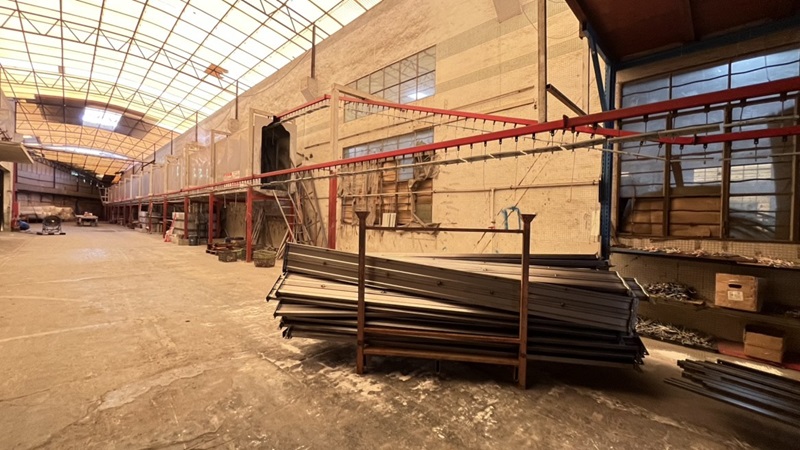
Ningbo Kelida Shelf Co., Ltd. is a leading manufacturer specializing in industrial warehouse racking and heavy-duty storage shelving solutions. Established in 2014, the company operates a modern manufacturing facility spanning 28,000 square meters. Backed by 12 years of industry experience and 8 years of international trade expertise, Kelida has grown into a trusted global supplier, achieving an annual export revenue of over $18 million.
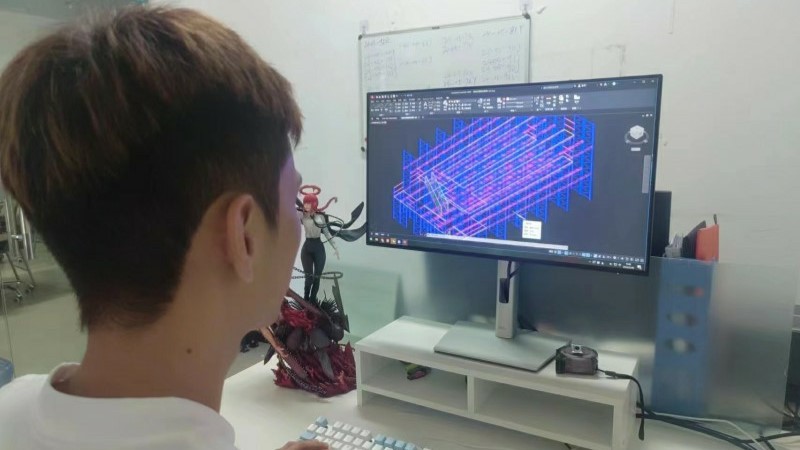
Driven by strong innovation, our experienced R&D team of 15 structural engineers released 35 new storage products last year. We offer complete customization options, including tailored load capacities, dynamic warehouse layouts, custom dimensions, and corrosion-resistant powder coatings. Our integrated supply chain network collaborates with over 650 qualified raw material and component partners, ensuring seamless production cycles and competitive pricing.
Quality control is embedded in every stage of our operations. Supported by a dedicated quality assurance team of 22 QC specialists, we implement rigorous inspection procedures—including raw material tensile testing, automated weld inspection, dynamic load capacity verification, and salt-spray corrosion testing—to guarantee that every rack meets international safety standards.
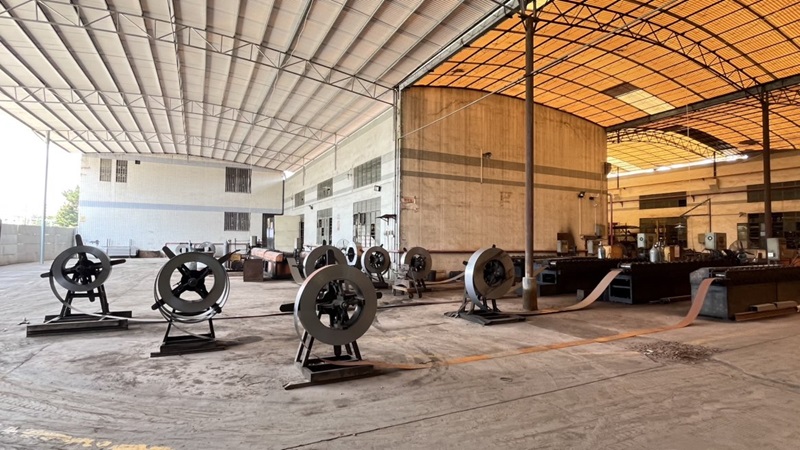
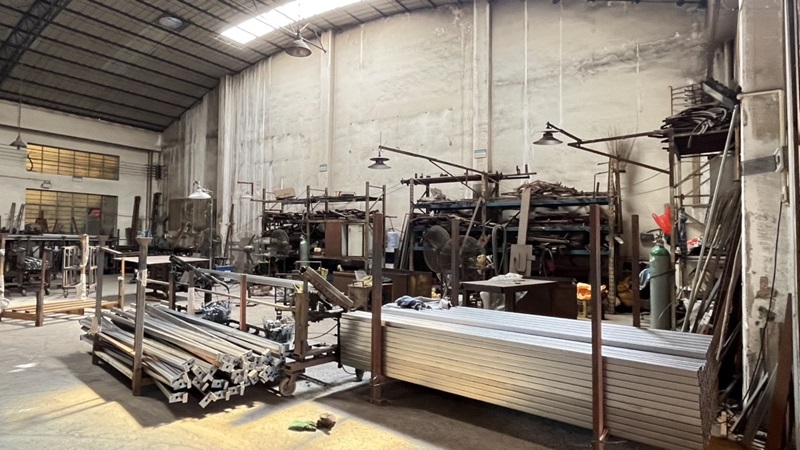
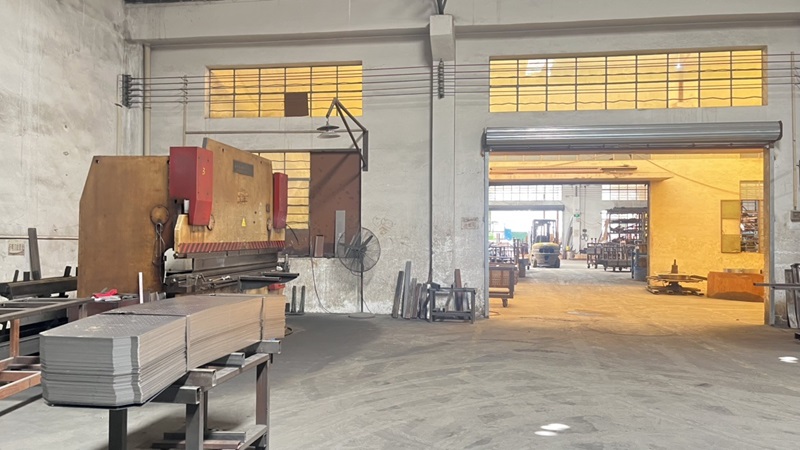
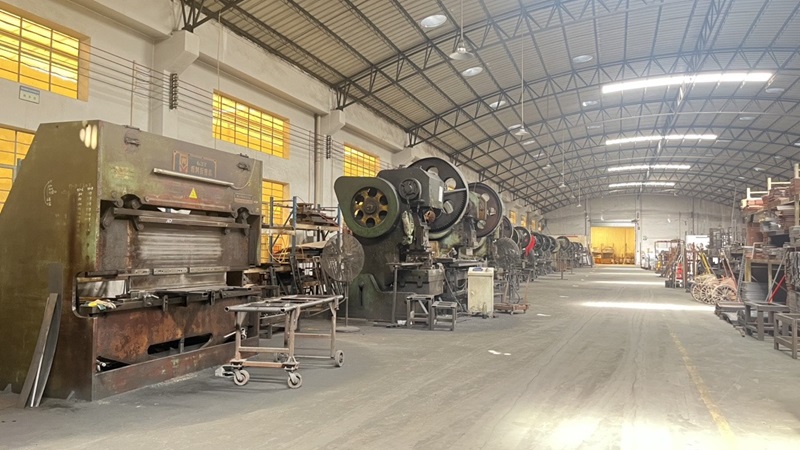
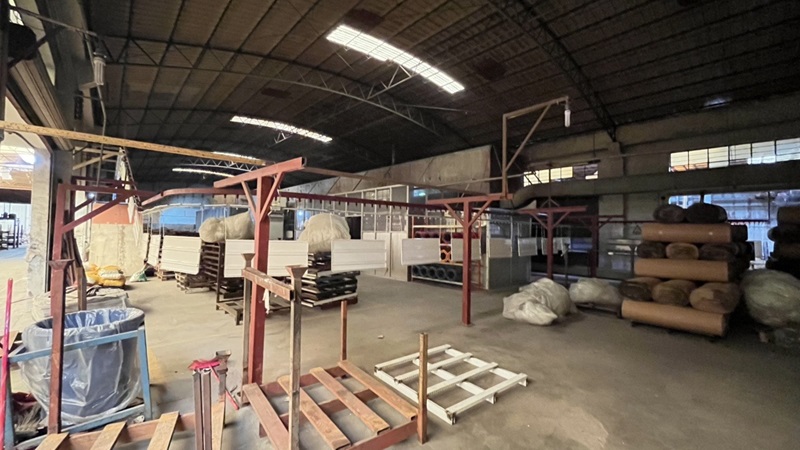
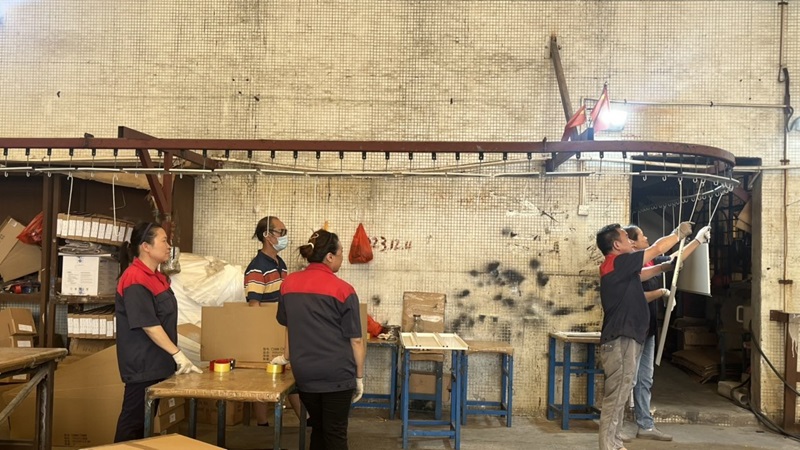
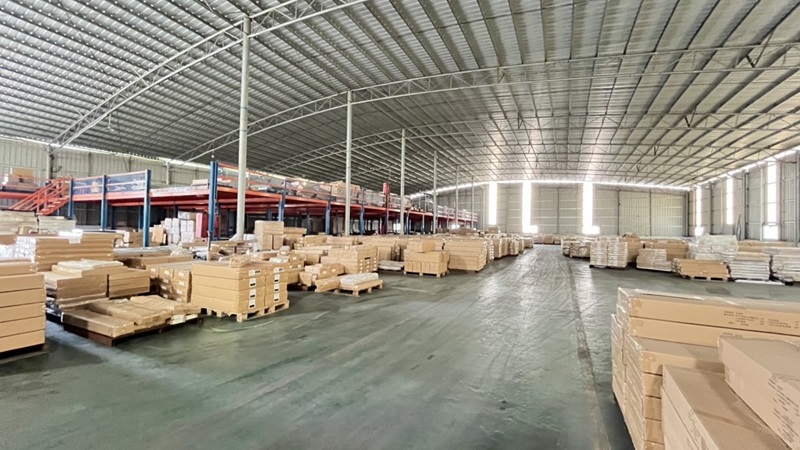
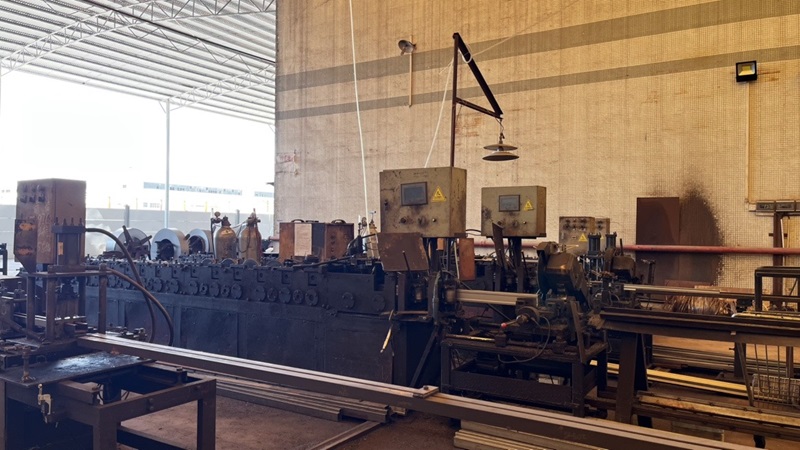
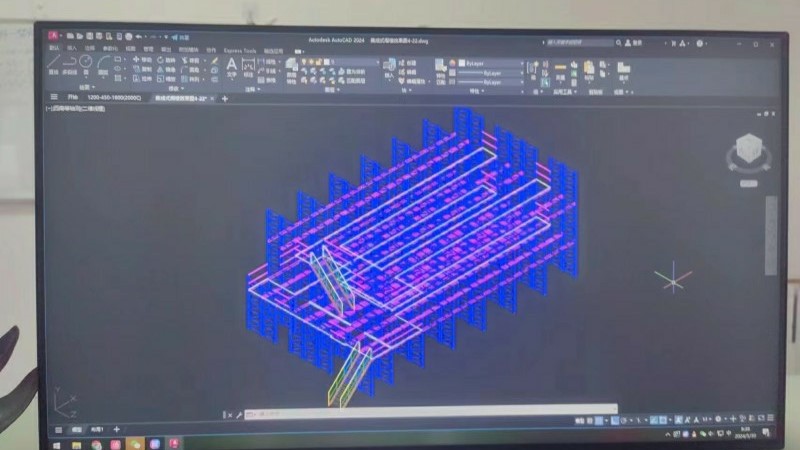
Engineered options tailored for wood mills, steel supply centers, and PVC tube warehouses across the Eurasian continent.
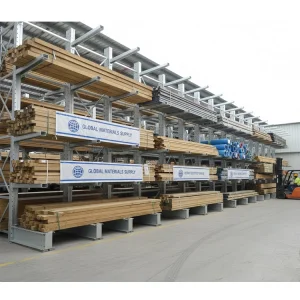
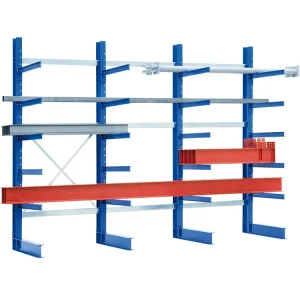
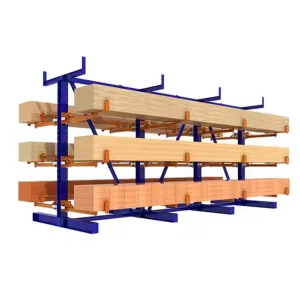
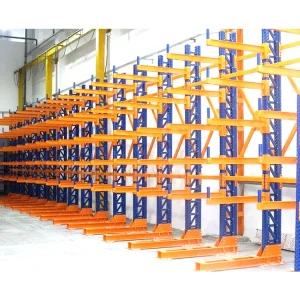
Purchasing raw steel and racking products directly from China involves careful coordination of logistics, border handling, and overland transit times. Our sales and transport teams have years of experience with cross-border rail and road logistics networks connecting Ningbo to major Central Asian commercial hubs:
Rail Freight (China-Europe Express): Departs from Ningbo, moving via the Alashankou/Dostyk rail port to Almaty or Nur-Sultan. Average shipping times range from 12 to 18 days, offering a cost-effective alternative for high-volume structural systems.
Intermodal Road Transport: Ideal for specialized, long columns or structural loads that exceed shipping container parameters. Transit goes directly through the Khorgos border terminal, avoiding rail transshipment delays.
Customs Clearance Compliance: We supply all documentation required for rapid customs processing in Kazakhstan, including packing lists, certified steel mill reports, dynamic testing sheets, and Eurasian Economic Union (EAEU) compliance documents.
Our complete range of customizable warehouse solutions, featuring heavy-duty structural steel designs for pipes, panels, and bulk materials.
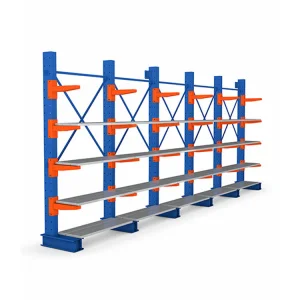
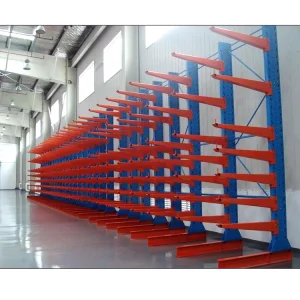
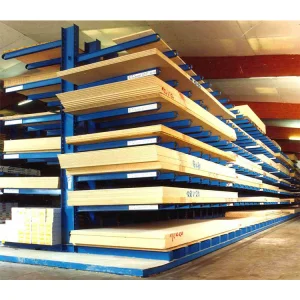
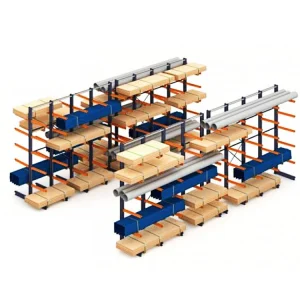
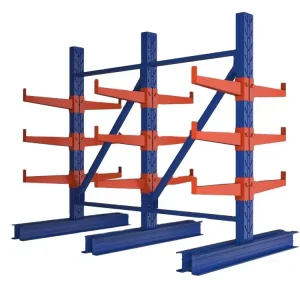
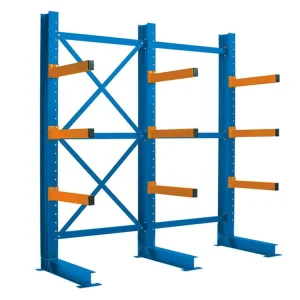
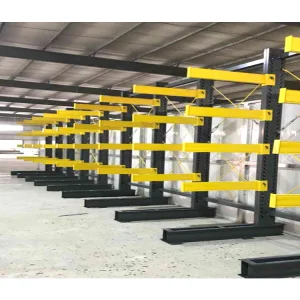
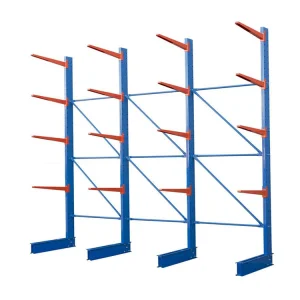
Understanding safety factors, installation requirements, and design standards for cantilever racks in Kazakhstan.
For seismic regions, standard structural designs must be reinforced with heavy floor dynamic plates, larger-diameter anchor bolts, and cross-braced vertical structures. We use specialized finite element analysis (FEA) software to model stress points and guarantee resistance to lateral movements in compliance with local SP RK construction rules.
Arm load limits are determined assuming a Uniformly Distributed Load (UDL). Upright columns and cantilever arms are engineered with an upward incline (typically 2 to 4 degrees) so that when under load, the arms align horizontally rather than bowing downward. This prevents stored inventory from slipping off.
For extreme outdoor humidity or exposure to chemical operations, we recommend hot-dip galvanized (HDG) steel components. This chemical treatment coats the steel inside and out with zinc, protecting it from corrosion in freezing, dusty, or coastal environments.
Custom manufacturing takes approximately 20 to 30 days depending on project size and finishing specifications. Detailed engineering approval drawings are usually completed within 3 to 5 business days from order placement.
 Kelida Racking