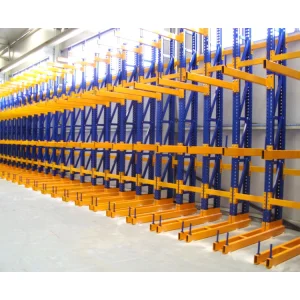
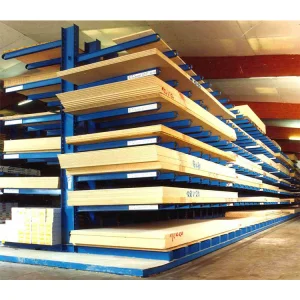
Engineered high-capacity storage configurations deployed across industrial workshops and warehouse hubs in Turkey.
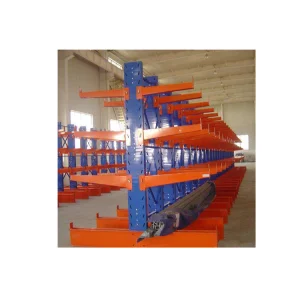
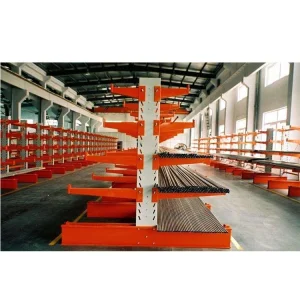
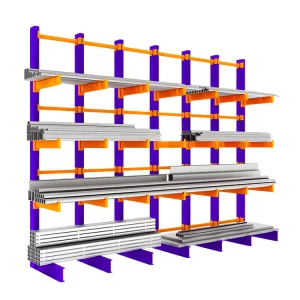
Turkey’s geographic positioning as the primary transcontinental link between Europe, Asia, and the Middle East has accelerated its development into a world-class manufacturing and logistics powerhouse. Driven by the expansion of automotive plants in Bursa, steel fabrication hubs in Iskenderun and Karabük, and massive timber processing and PVC extrusion facilities in the Marmara and Aegean regions, the demand for highly efficient storage systems has reached unprecedented heights. Traditional pallet racking falls short when storing non-standard, long, or bulky materials. This is where engineered cantilever racking systems play a decisive role.
As international supply chains shift toward nearshoring, Turkey has emerged as the premier manufacturing partner for European Union businesses. Consequently, warehouses and distribution centers (3PLs) in industrial zones like Gebze, Dilovası, and Tuzla are forced to maximize horizontal density and vertical clear height. Standard storage infrastructure is ill-equipped to handle structural profiles, metal tubes, timber bundles, and sheet metals. Global steel racking trends point toward the adoption of high-yield, adjustable cantilever assemblies designed to maximize warehouse space while minimizing floor footprints. High-capacity cantilever arms allow for uninterrupted horizontal storage without the restriction of front columns, enabling safer and faster forklift handling.
Turkey’s geographical location on active fault lines (such as the North Anatolian Fault) mandates strict adherence to seismic safety. Heavy-duty cantilever racks installed in Turkish warehouses must be engineered to withstand dynamic lateral loads. In accordance with Turkish seismic codes and EN 15620/EN 16681 standards, base plates must be oversized, upright columns must use high-grade structural steel (such as Q355B or S355JR), and arm connections must possess designated energy-dissipation mechanisms. Choosing a manufacturer with a dedicated R&D engineering team is vital for ensuring structural compliance in high-risk zones.
A global leader in structural engineering, heavy-duty racking manufacturing, and international trade excellence.
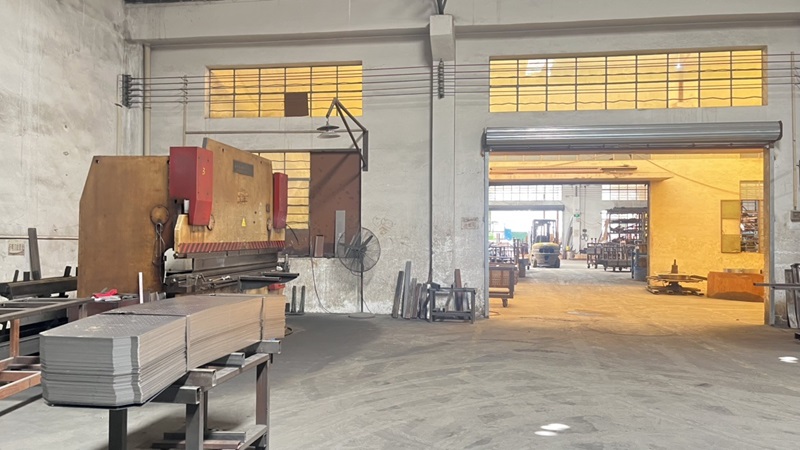
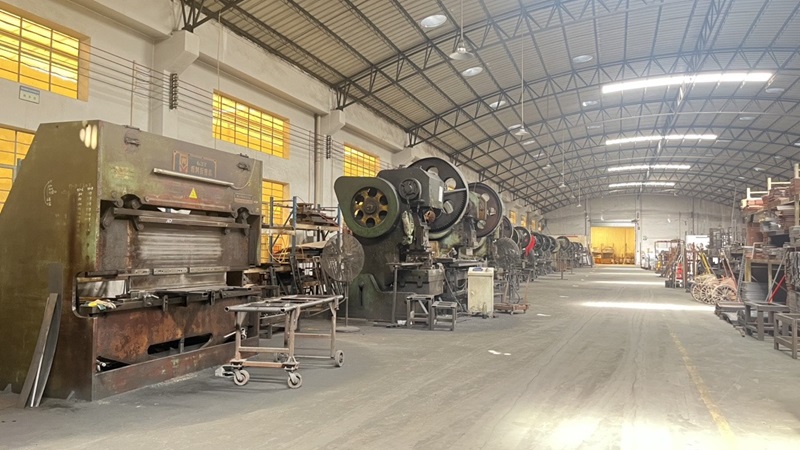
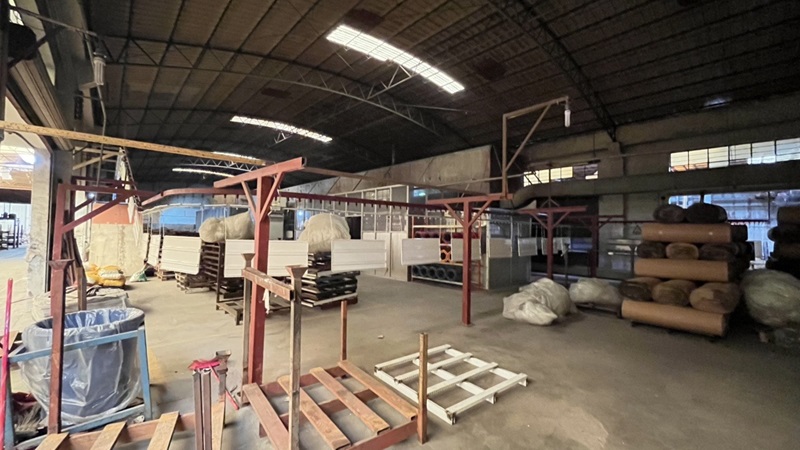
Ningbo Kelida Shelf Co., Ltd. is a leading manufacturer specializing in industrial warehouse racking and heavy-duty storage shelving solutions. Established in 2014, the company operates a state-of-the-art manufacturing facility spanning 28,000 square meters. Backed by 12 years of industry experience and 8 years of international trade expertise, Kelida has grown into a trusted global supplier, achieving an annual export revenue of over $18 million.
Driven by strong innovation, our experienced R&D team of 15 structural engineers released 35 new storage products last year. We offer complete customization options, including tailored load capacities, dynamic warehouse layouts, custom dimensions, and corrosion-resistant powder coatings. Our integrated supply chain network collaborates with over 650 qualified raw material and component partners, ensuring seamless production cycles and competitive pricing.
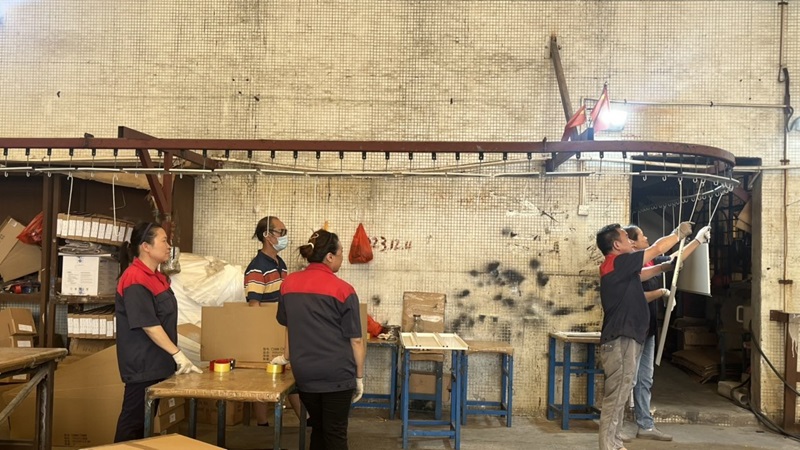
Quality control is embedded in every stage of our operations. Supported by a dedicated quality assurance team of 22 QC specialists, we implement rigorous inspection procedures—including raw material tensile testing, automated weld inspection, dynamic load capacity verification, and salt-spray corrosion testing—to guarantee that every rack meets international safety standards.
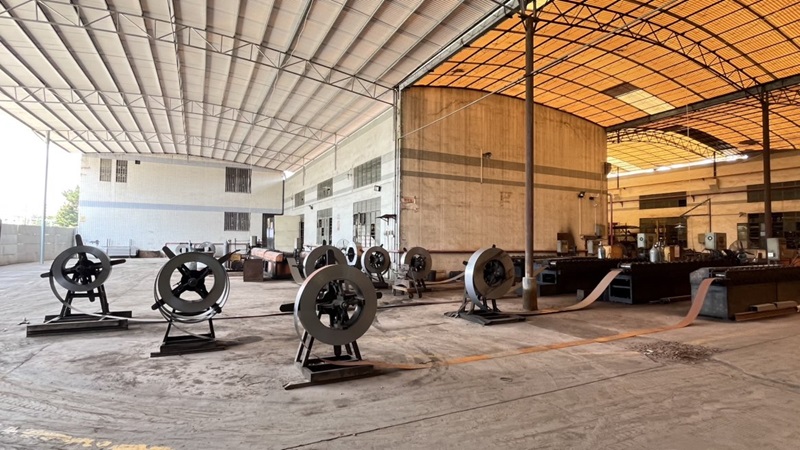
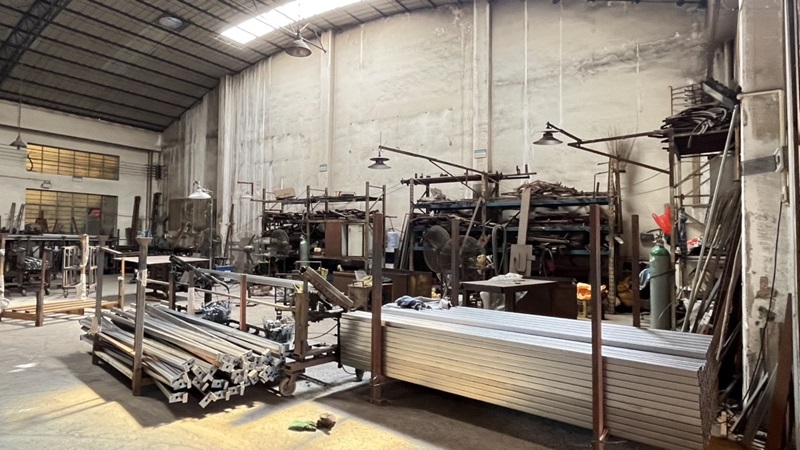
Take a look inside our high-tech manufacturing stages, executing rigorous quality standards for global exports.
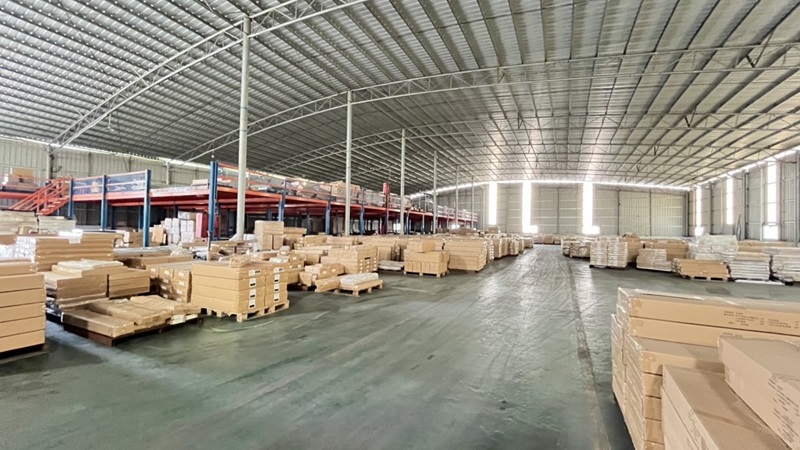
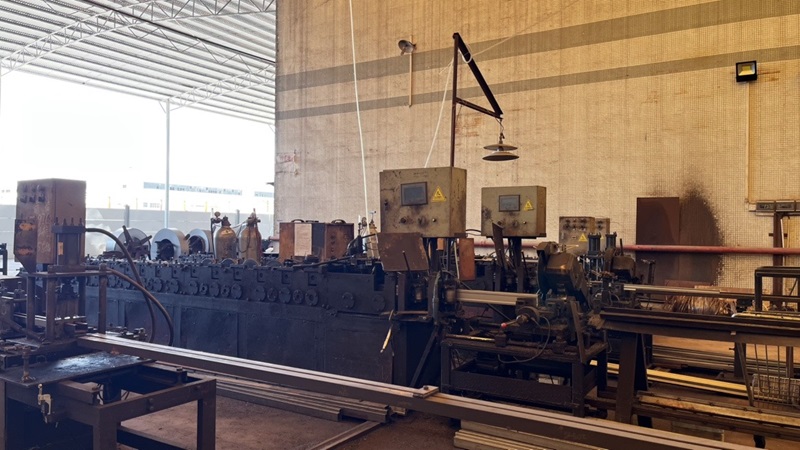
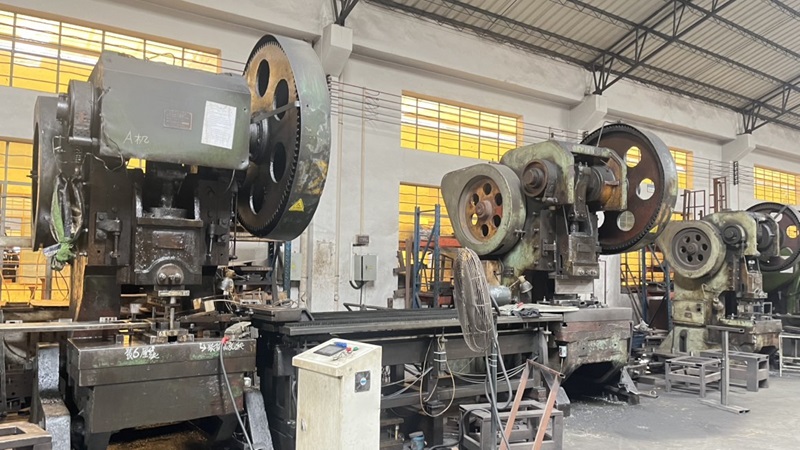
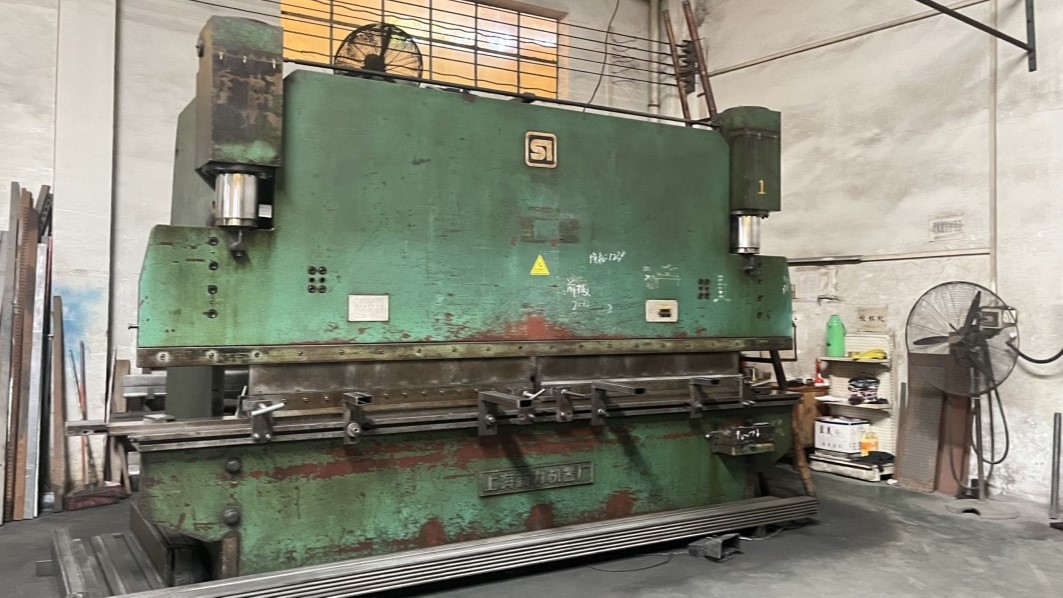
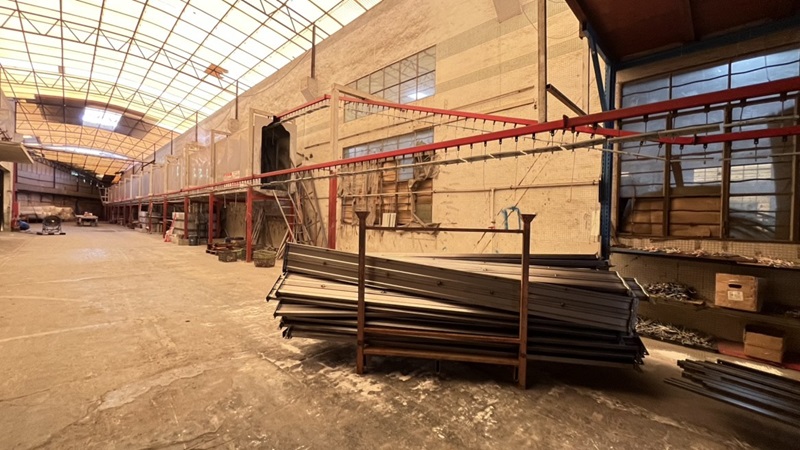
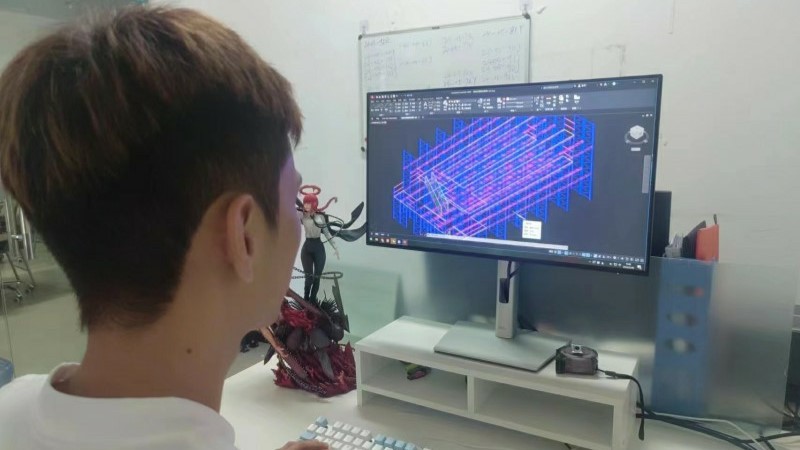
Understanding the physics behind cantilever racking is essential for choosing the right system. Unlike standard pallet racks that distribute weight across two parallel beams supported by columns at both ends, a cantilever system relies on a single column base connection to support structural arms. This means the load calculation must account for vertical shear, bending moments, and torsional deflection.
To prevent structural failure, our engineers determine the load-carrying capacity based on the formula:
Crucially, the load must be *uniformly distributed* along the length of the arm. Concentrating a load at the tip of the arm doubles the bending moment on the column connector, reducing the safe load capacity by 50%. Our structural designs utilize custom tapered arms that are thicker at the column connection point and narrower at the tip. This optimal design prevents tip deflection and increases the system's longevity.
For systems installed in Turkey's coastal industrial regions like Izmir or Mersin, corrosion protection is paramount. Kelida offers two main finishes:
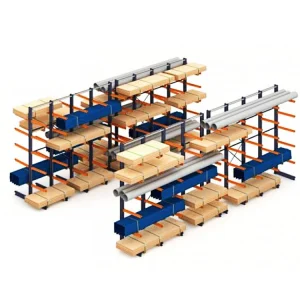
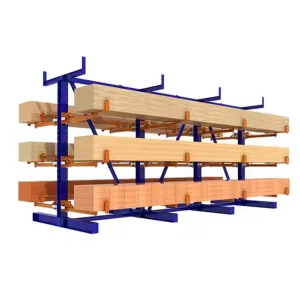
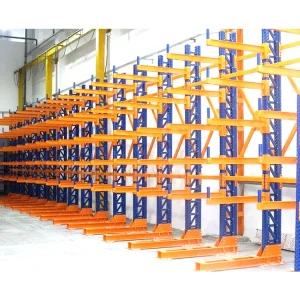
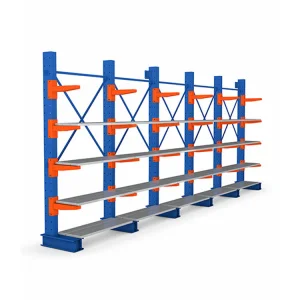
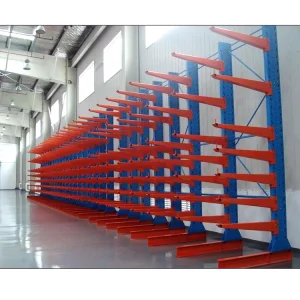
Examine our complete selection of custom configurations engineered for pipes, timber, metal profiles, and heavy industrial boards.
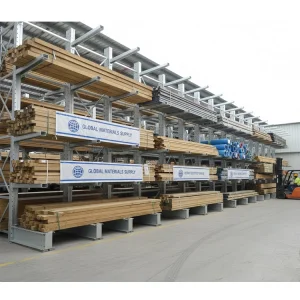
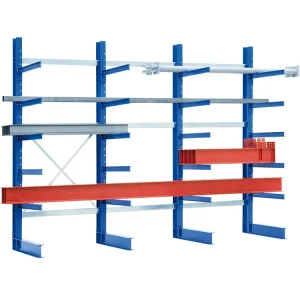
As the industrial sector transitions toward Industry 4.0, warehouse logistics must adapt. Modern racking installations are no longer static steel structures; they are active components of smart supply chains.
Traditional cantilever racks require manual operation via side-loaders or heavy forklifts. The future trend focuses on the integration of Automated Cantilever Storage Systems. Using automated cranes and rail-guided shuttles, companies can access long profile bundles without human intervention. This maximizes storage density, speeds up cycle times, and significantly improves safety in heavy-duty environments.
For warehouses operating in seismically active regions like Turkey, structural integrity is a constant priority. A key development is the integration of IoT-enabled strain gauges and acceleration sensors onto the upright columns of cantilever racks. These sensors send real-time structural health data to cloud dashboards, alerting warehouse managers to potential overload situations, impacts, or structural shifts before failures occur.
Industrial manufacturing is shifting toward stricter environmental compliance. Future powder coatings will utilize low-temperature curing formulas and zero-VOC materials, minimizing carbon footprints without compromising scratch resistance or rust-mitigation performance. This is crucial for Turkish exporters aiming to comply with EU green supply chain directives.
Get answers to critical technical questions regarding cantilever racking design, delivery, and safety compliance.
Ready to optimize your warehouse storage capacity?
Send Inquiry Now Kelida Racking