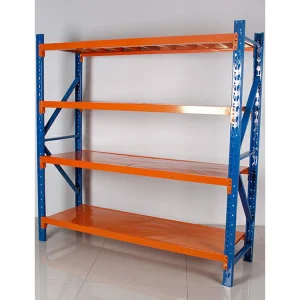
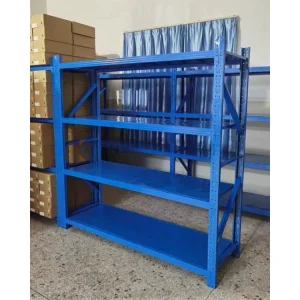
High-load density storage shelves tailored for Ethiopian industrial zones, dry ports, and warehouse distribution facilities.
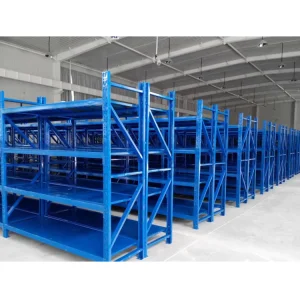
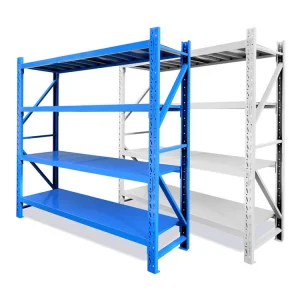
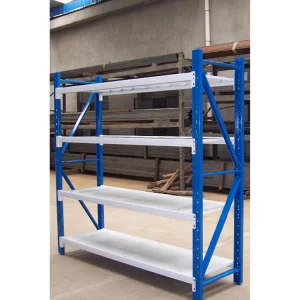
An in-depth analysis of warehousing demands, cargo logistics, and the strategic advantages of deploying boltless racking systems in modern Ethiopian supply chains.
Ethiopia is undergoing a rapid economic transformation. Under the framework of the Ten-Year Development Plan and the expansion of the Homegrown Economic Reform, the government has prioritized industrial park development. Special Economic Zones (SEZs) such as the Hawassa Industrial Park, Bole Lemi Industrial Park, Eastern Industrial Zone, and Adama Industrial Park have successfully attracted multi-million-dollar global investments in textile production, agro-processing, pharmaceuticals, and manufacturing assembly. This concentration of manufacturing output requires state-of-the-art warehouse operations to store materials and manage regional distribution.
Furthermore, the Djibouti-Addis Ababa transport corridor remains the lifeline of Ethiopia's international trade, routing over 95% of the nation's import-export volume through dry ports like Modjo Dry Port. With large cargo quantities arriving daily, logistics providers require dynamic, space-maximizing, and scalable storage solutions. Boltless racking systems are becoming the gold standard for these setups. Because they do not require specialized heavy tools or complex locking nuts for assembly, they minimize installation timelines by up to 60%, allowing local warehouses to scale capacity instantly to handle surges in cargo arrivals.
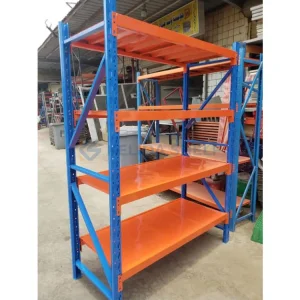
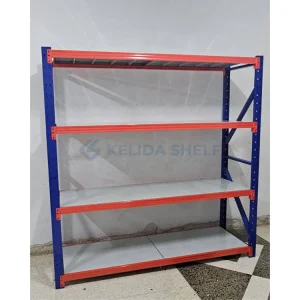
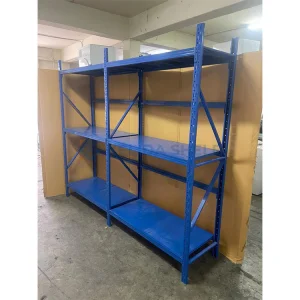
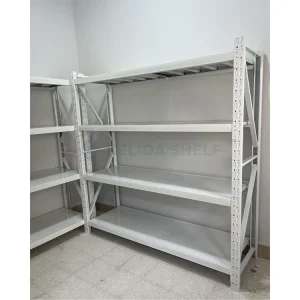
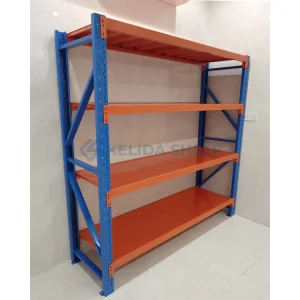
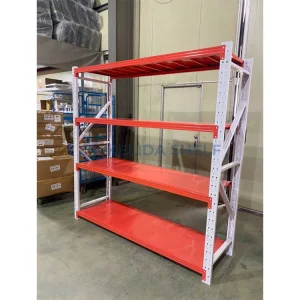
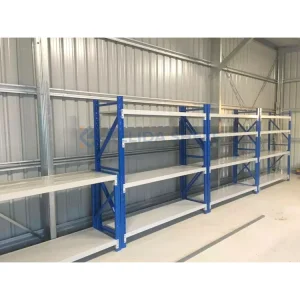
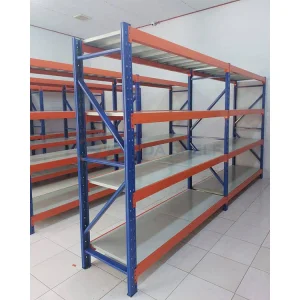
In developing logistics markets, speed of deployment and flexibility are key differentiators. Traditional storage systems rely on welded or nut-and-bolt steel shelves. These systems pose challenges in the Ethiopian context. First, they require skilled structural assemblers to build, driving up commissioning costs. Second, they lack adaptability. In contrast, the boltless racking system utilizes a rivet, keyhole, or butterfly-hook mechanism. Upright posts are pre-punched with precise intervals, allowing storage beams to drop in and lock securely using gravity and load force.
This design allows operators to adjust shelving heights manually without disassembling the entire unit—ideal for warehouses dealing with varied pallet sizes, FMCG inventory, or manufacturing components. Additionally, from a durability standpoint, cold-rolled Q235B structural steel is utilized. This material provides optimal yield strength under heavy dynamic loads. To protect against the varying climatic conditions in Ethiopia—from the dry, hot Rift Valley zones to the humid highland climates—the steel is coated with high-performance, electrostatic powder finishes, ensuring decades of corrosion-free performance.
"For modern logistics managers in Ethiopia, optimizing warehouse storage is not just about vertical space—it is about the rate of inventory rotation. Boltless racking provides the physical flexibility to reorganize configurations overnight, drastically reducing pick times and operational costs."
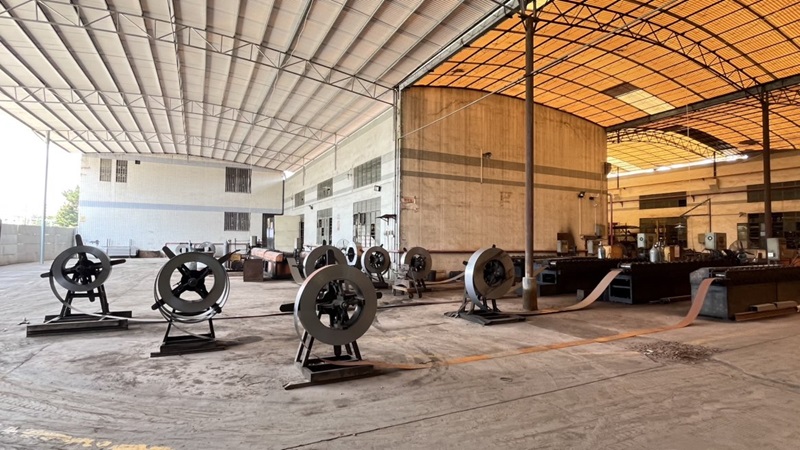
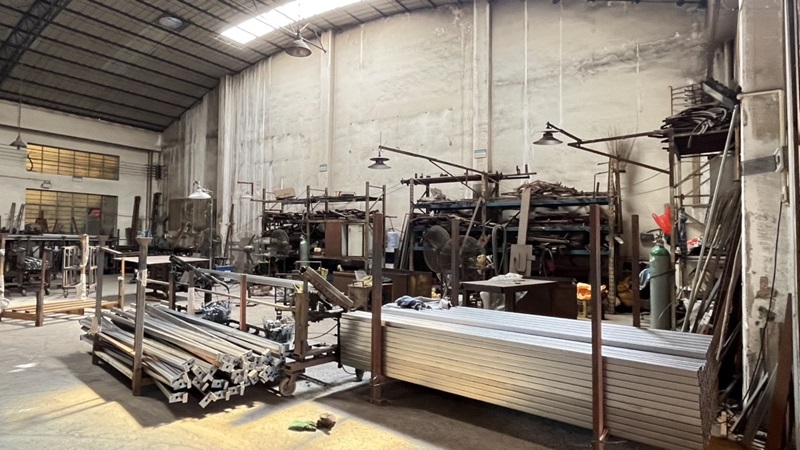
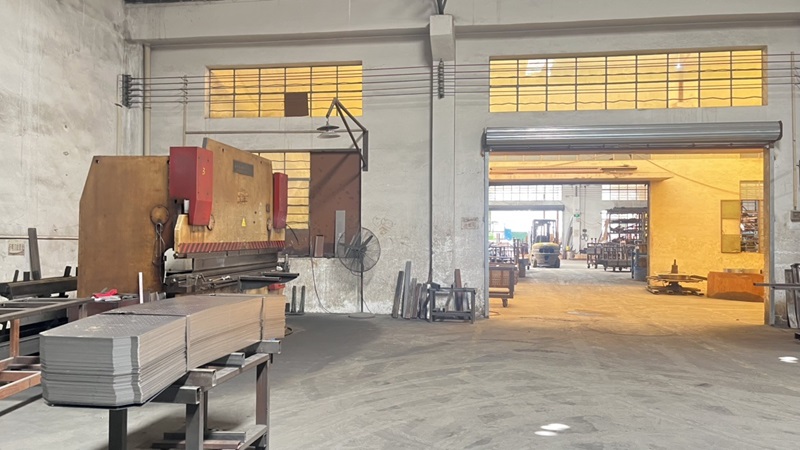
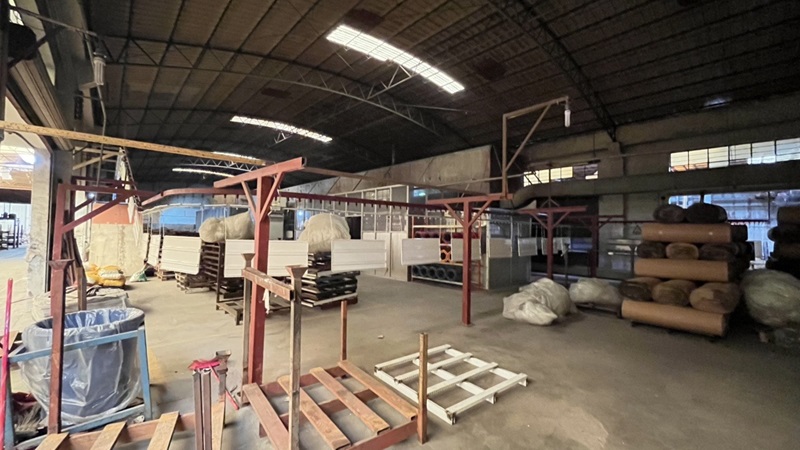
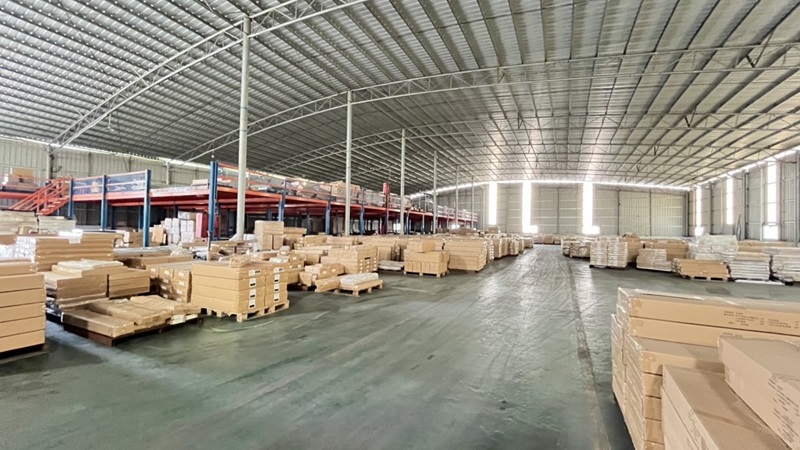
Ningbo Kelida Shelf Co., Ltd. is a global leader in high-performance warehousing racking manufacturing. Spanning a 28,000-square-meter modern industrial plant, Kelida integrates advanced Chinese metallurgical expertise and automation to produce racking solutions at scale. Leveraging a robust supply network composed of over 650 qualified raw material and component partners, we maintain a secure, uninterrupted production cycle, insulated from price spikes.
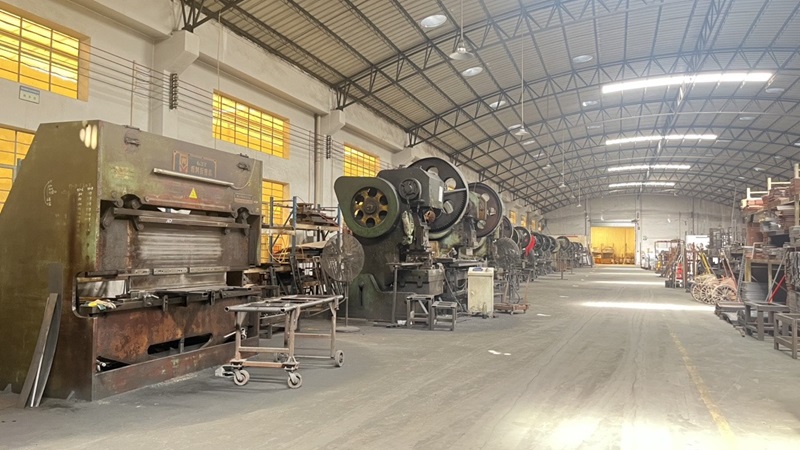
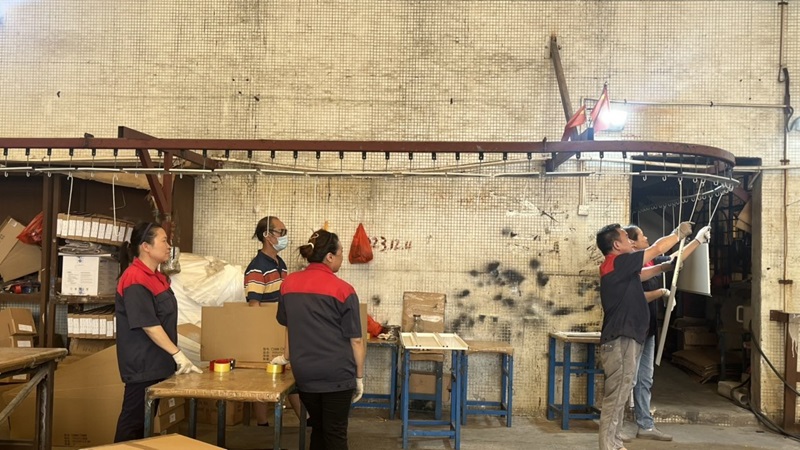
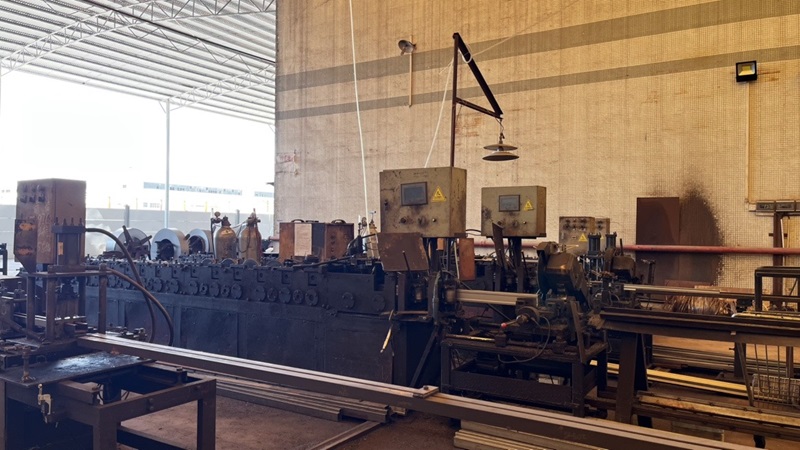
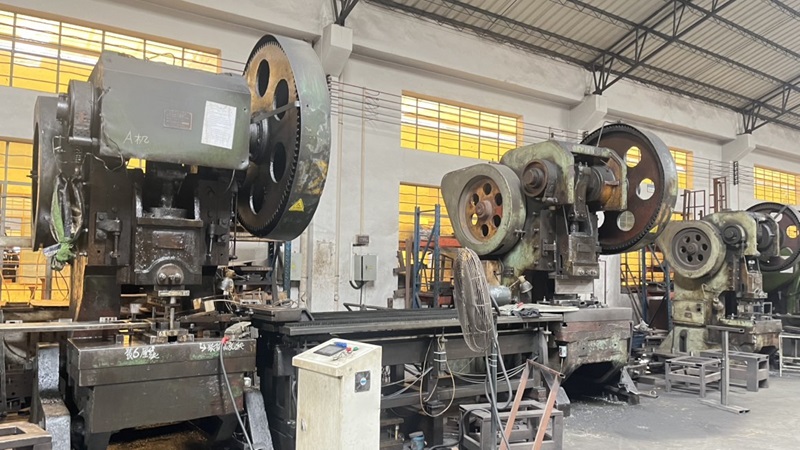
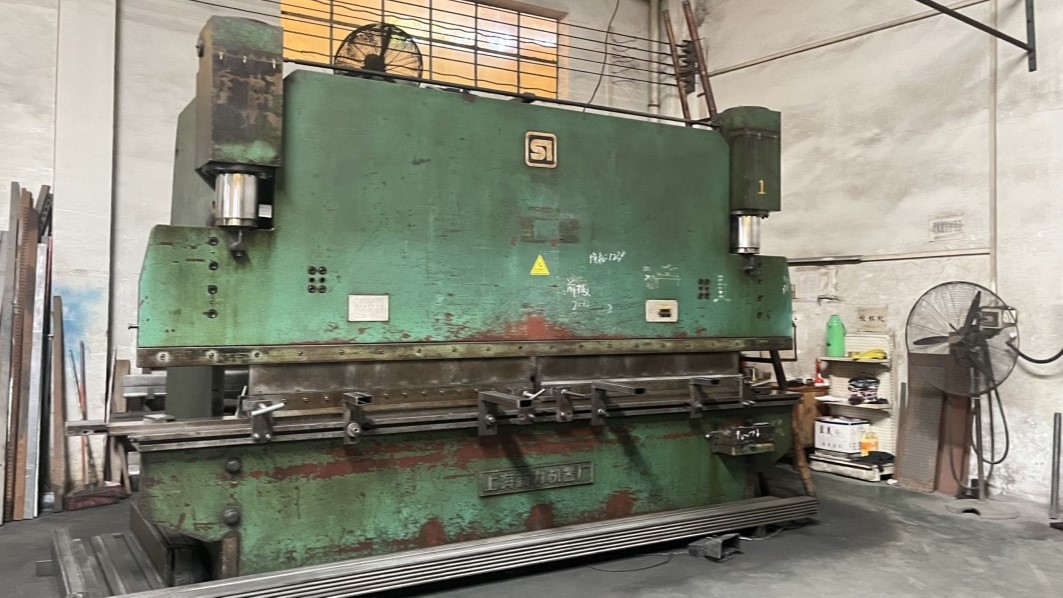
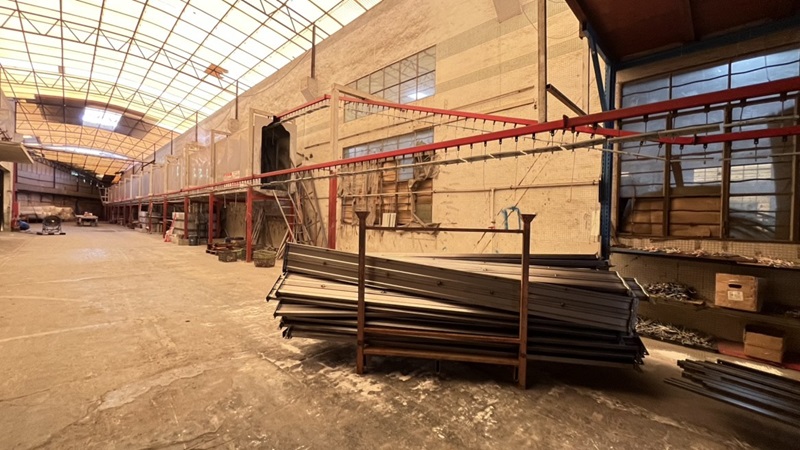
Our facility houses high-precision CNC bending machines, automated multi-station punching presses, robotic welding cells, and a fully continuous automated electrostatic powder coating line. By producing at high volumes, we pass significant economies of scale on to Ethiopian enterprise purchasers, offering competitive pricing that cannot be matched by localized, low-capacity fabricators. When importing to Ethiopia, buyers benefit from our strategic proximity to Ningbo Port, allowing for direct shipments to Djibouti Port, and streamlined container loading layouts that maximize CBM capacity, reducing overall maritime shipping costs.
Under the leadership of our 22-specialist Quality Assurance division, Ningbo Kelida Shelf Co., Ltd. implements a multi-stage inspection framework. We start by verifying raw material chemical compositions and checking tensile strength to ensure all incoming steel complies with international standards. During production, weld integrity is checked using automated systems, and powder coating thicknesses are monitored to prevent future corrosion. Finally, random assemblies undergo dynamic load capacity tests, ensuring the structural safety margins of our racking systems. This commitment to engineering excellence protects our clients' capital investments and warehouse staff.
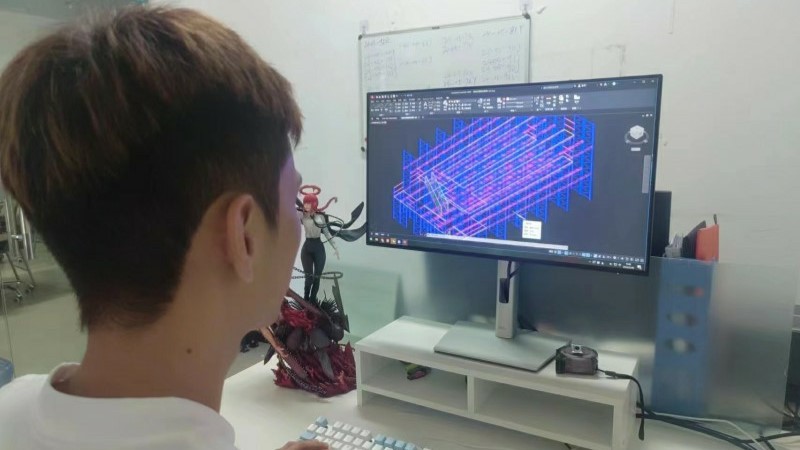
Explore our complete catalog of industrial-grade storage shelves, fully compatible with Ethiopian warehouse configurations.
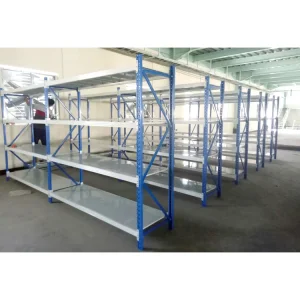
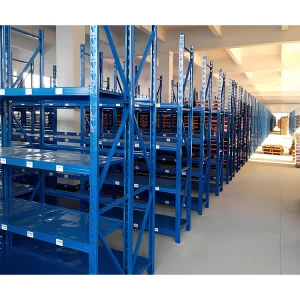
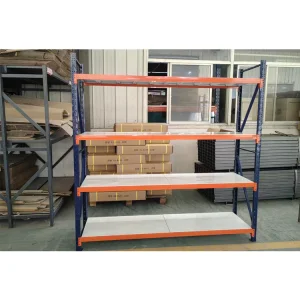
Critical considerations for logistics directors, procurement officers, and warehouse consultants importing storage solutions to East Africa.
Importing industrial equipment into Ethiopia requires strict compliance with the National Standardization Body, the Ethiopian Standards Agency (ESA). Racking shipments must have clean bills of lading, detailed packing lists, and certificates of conformity (CoC). Since most cargo enters through the Port of Djibouti and is transported via the Ethio-Djibouti Railway or trucks to dry ports, choosing a manufacturer like Kelida that provides comprehensive export documentation avoids costly delays. Our team ensures that load capacity certifications and raw material test sheets are included, streamlining customs clearance at Modjo or Akaki Dry Ports.
Addis Ababa sits at an elevation of 2,355 meters, creating unique atmospheric factors. While high altitude limits humidity, warehouses must still account for dust accumulation and temperature swings. Our powder coatings are designed to resist peeling and chalking under these conditions. When designing warehouse layouts, maximizing vertical space is crucial due to rising industrial land costs. Boltless racking allows for high-density storage configurations, allowing you to maximize vertical storage space while maintaining direct access to all stored items.
When selecting a supplier, look beyond the initial purchase price. The Total Cost of Ownership (TCO) includes maritime freight costs, inland transit fees from Djibouti to Ethiopia, local installation time, and the service life of the racks. Welded shelves may seem cost-effective initially but incur high assembly costs and damage rates. Kelida's boltless systems lower TCO by allowing rapid installation by non-specialized local teams and packing flat in shipping containers to reduce ocean shipping costs per unit.
Answers to common questions regarding logistics, customization, installation, and procurement of boltless racking for the Ethiopian market.
Partner with Ningbo Kelida Shelf Co., Ltd. for factory-direct prices, certified engineering quality, and reliable delivery to your facility in Addis Ababa, Hawassa, or Modjo.
Send Inquiry Now Kelida Racking