Top Trusted Steel Platforms Exporter & Exporters

Precision Engineering, Global Supply Chain Compliance, and High-Density Spatial Optimization Solutions for Modern Industrial Infrastructure

Global Industrial Landscape & Spatial Challenges

The global warehousing and logistics industry is experiencing an unprecedented structural shift. Driven by the exponential growth of e-commerce, third-party logistics (3PL) expansion, and localized manufacturing strategies, the demand for industrial floor space has skyrocketed. However, industrial real estate acquisition costs have escalated globally, making physical horizontal expansion financially restrictive for most enterprises. In this macroeconomic climate, industrial operators are forced to look upward, turning to vertical space optimization as a strategic imperative.

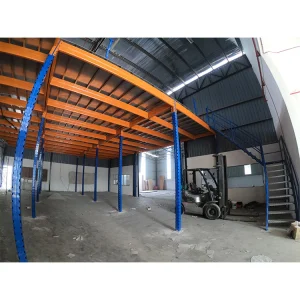
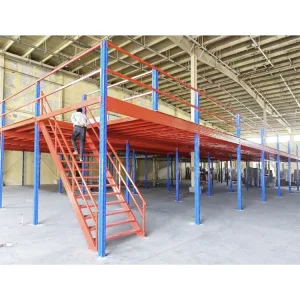
Structural steel platforms and mezzanine floors represent the most cost-effective and structurally sound solution to this spatial constraint. By converting underutilized overhead volume into usable, high-load-bearing working areas, companies can double or triple their operational square footage without modifying the existing building envelope. As a premier steel platforms exporter, Ningbo Kelida Shelf Co., Ltd. engineering solutions are designed to address this exact paradigm—balancing high load capacities, rapid assembly times, and strict compliance with international structural standards.

"Industrial spaces must be measured in cubic meters, not square meters. Dynamic spatial optimization is no longer just a facility layout choice; it is a critical driver of operational bottom-line performance."

Global Enterprise Sourcing Dynamics & Sourcing Intent

When procurement officers, structural engineers, and facility directors from North America, Western Europe, and the Middle East source steel platforms, their evaluation criteria extend far beyond simple material pricing. They require structural integrity, long-term safety, and supply chain transparency. A modern industrial buyer looks for several key risk-mitigation factors:

  • Structural Engineering Compliance: Guaranteeing that platform designs adhere to regional building codes (such as AISC and RMI standards in the USA, and Eurocodes/FEM standards in Europe).
  • Dynamic Load Calculations: Platforms must support heavy racking, forklift traffic, robotic systems (AMRs/AGVs), and concentrated static loads.
  • Material Traceability & Coatings: High-grade structural steel (e.g., Q235B or Q355B) coupled with industrial-grade, corrosion-resistant powder coatings to withstand harsh industrial environments.
  • Seamless System Integration: Steel platforms must integrate flawlessly with existing material handling systems, fire protection sprinklers, and safety egress paths.

Ningbo Kelida: Engineered Excellence Since 2014

A deep dive into our manufacturing capacity, quality control framework, and global supply footprint.

28,000㎡
Modern Manufacturing Facility
$18M+
Annual Export Revenue
15
R&D Structural Engineers
22
Dedicated QC Specialists

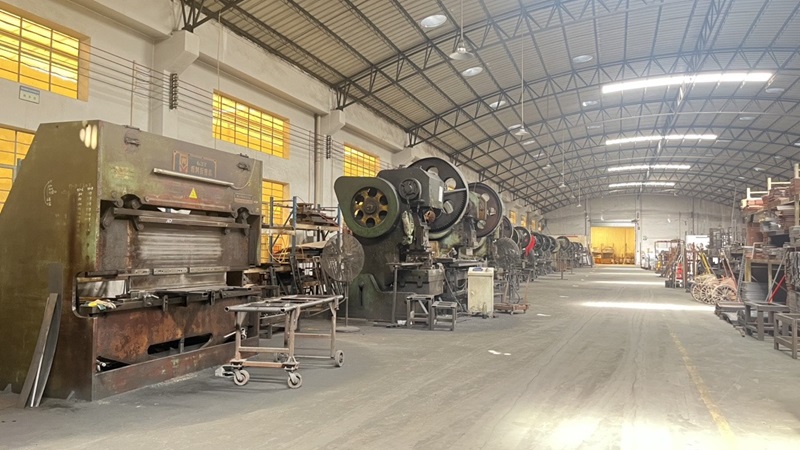
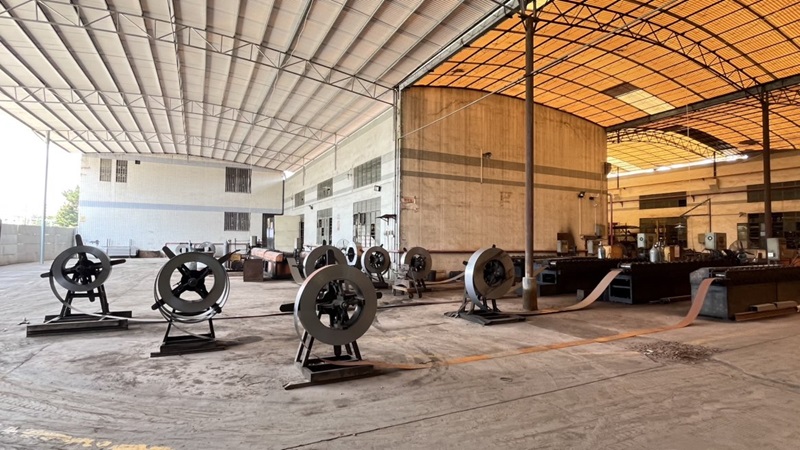
Ningbo Kelida Shelf Co., Ltd. stands at the forefront of industrial warehouse racking and heavy-duty storage shelving design. Operating from our advanced facility spanning 28,000 square meters, we bring 12 years of deep manufacturing expertise and 8 years of dedicated international trade experience to the table. Our strong innovation engine is driven by an elite R&D team that released 35 new storage products last year alone, offering customized solutions tailored to specific loading criteria, custom dimensions, and dynamic layouts.

Our comprehensive supply chain features a pre-qualified network of over 650 component partners, guaranteeing raw material availability and stabilizing costs. This structural efficiency is paired with a strict quality assurance protocol, led by 22 QC specialists who oversee tensile testing, automated weld inspection, dynamic load capacity verification, and salt-spray corrosion analysis.

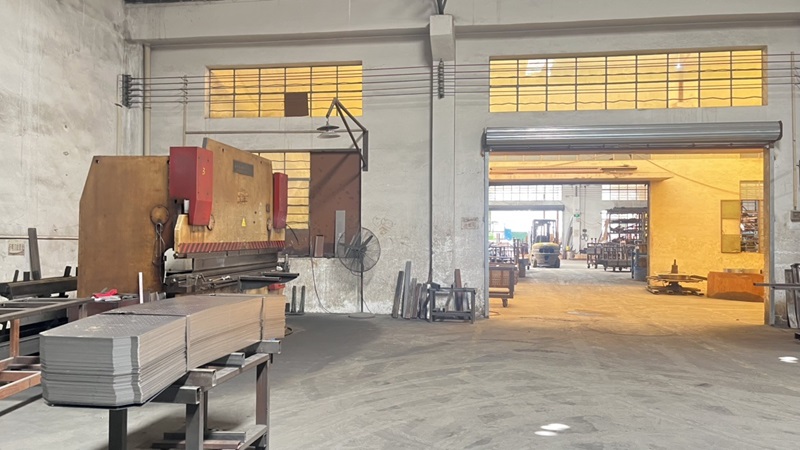
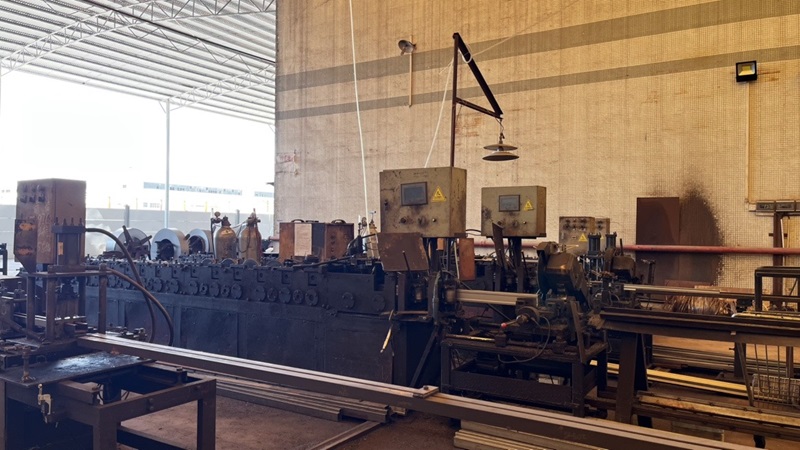
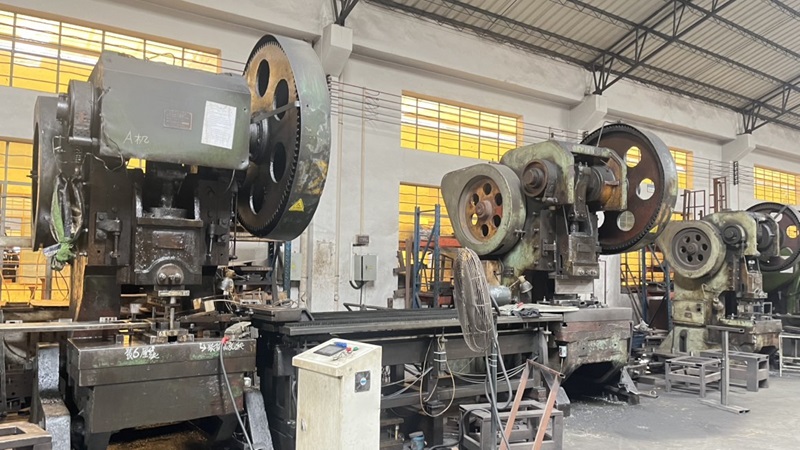
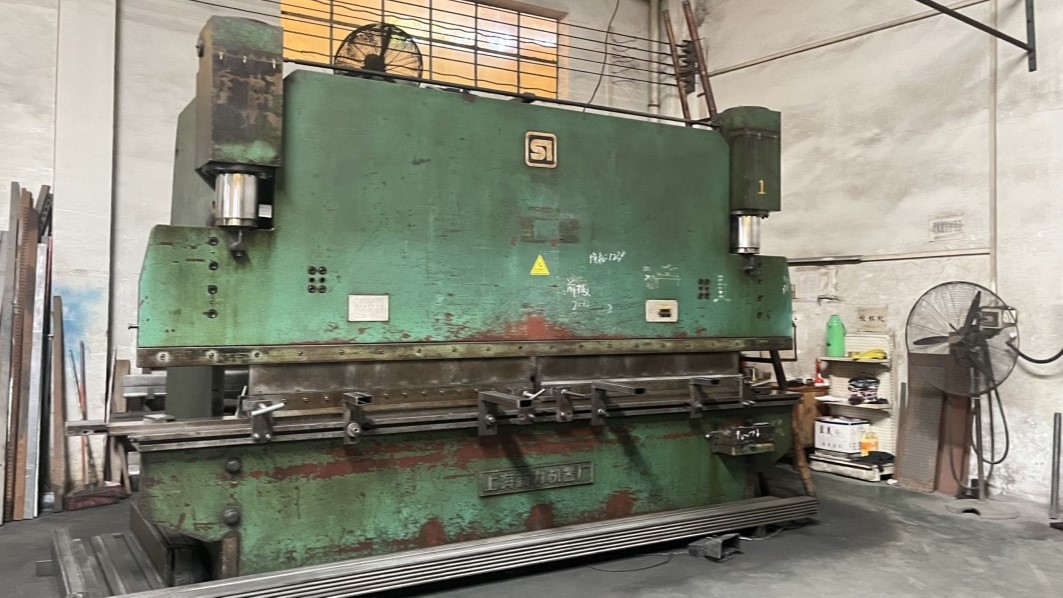
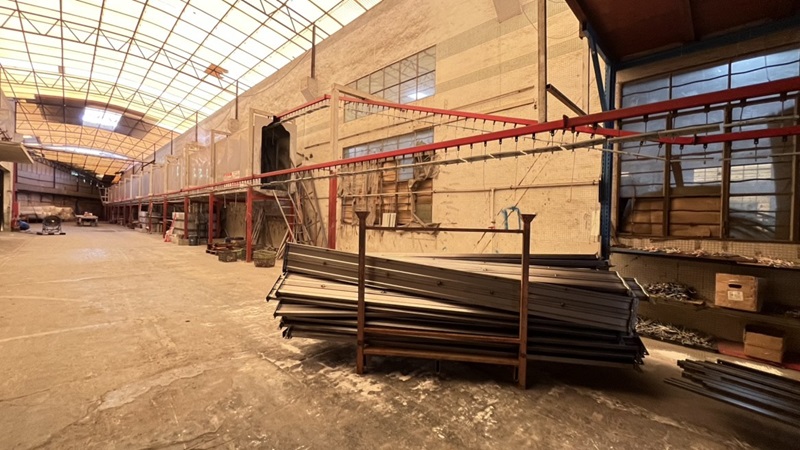
Integrated Production Process & Precision Machinery

From raw steel feedstocks to high-durability finished assemblies, our manufacturing execution is controlled at every stage.
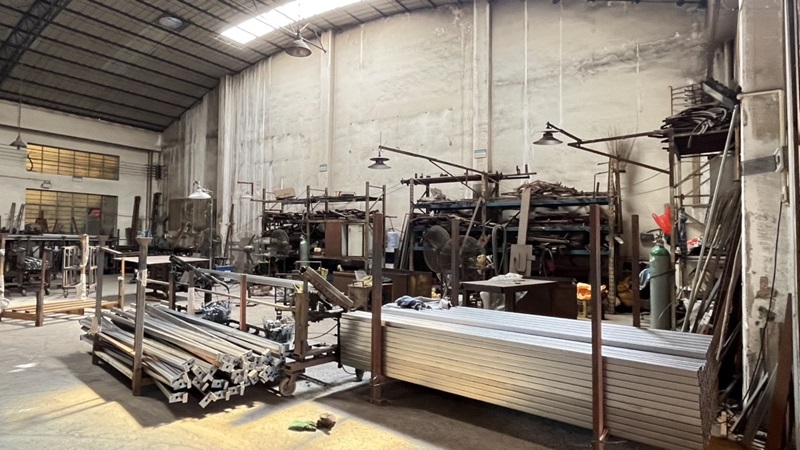
Steel cutting process
Cutting
Structural welding process
Welding
Metal bending process
Bending
Precision punching process
Punching
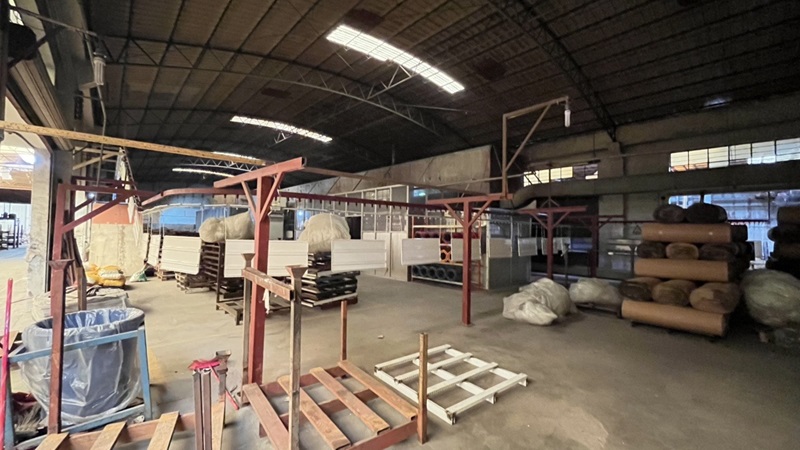
Powder coating spraying process
Spraying
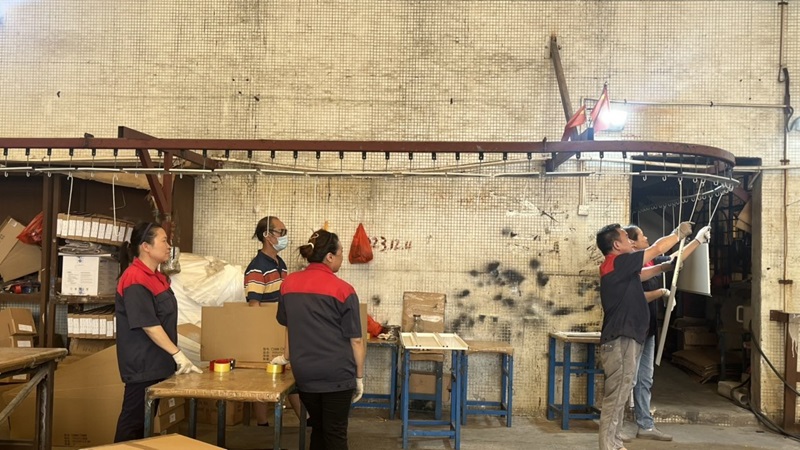
Product packaging
Packing
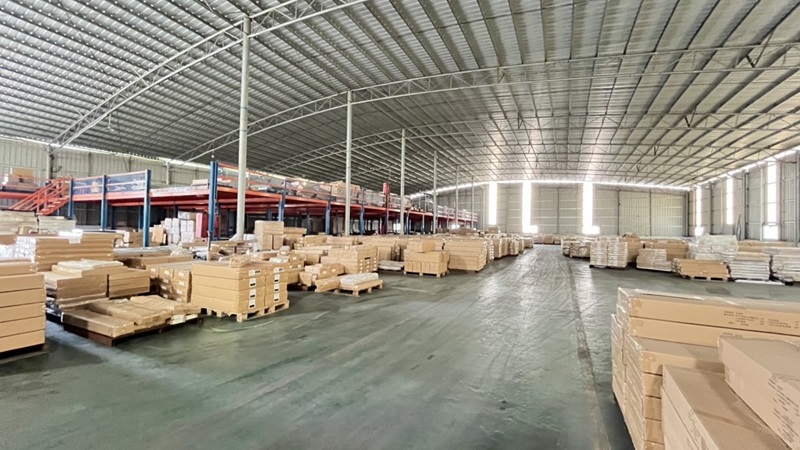
Completed product inventory
Warehouse Storage
Advanced cutting machinery
Cutting Machine
CNC punching machinery
Punching Machine
Hydraulic bending machine
Bending Machine
Automated powder coating line
Spraying Production Line
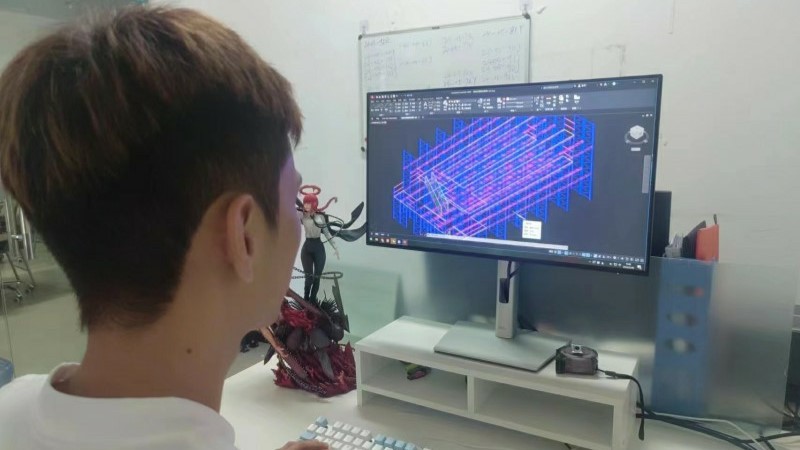
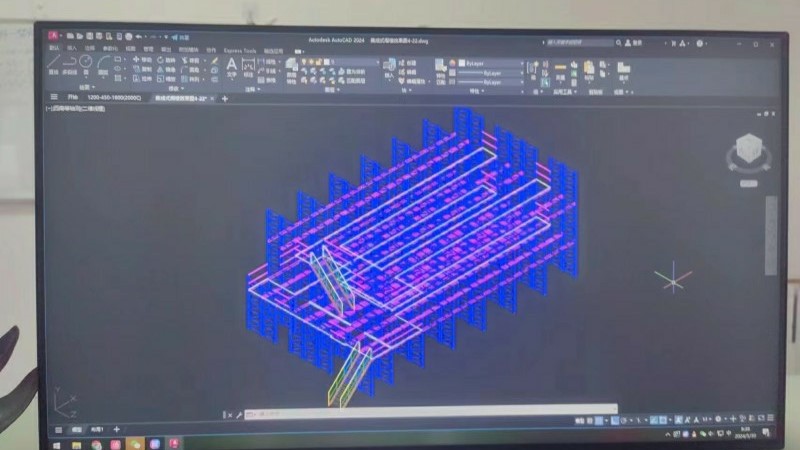
3D CAD design layout
Warehouse Design
Finite Element Analysis workstations
FEA & Design Workstations

Macro Industry Solutions & Structural Classification

As warehouse operators scale up, they must match the platform structural typology with their specific handling mechanisms. Steel platforms generally fall into three major industrial categories:

Structural Steel Mezzanines
Constructed from structural steel columns and I-beams. Offers maximum open span distances underneath, making it ideal for ground-level manufacturing equipment, assembly zones, or forklift traffic pathways.
Rack-Supported Platforms
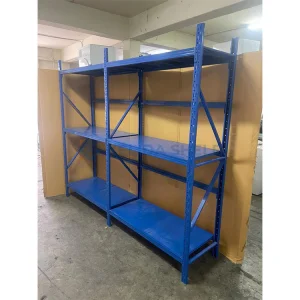
Supported directly by high-capacity pallet racking uprights. Highly cost-effective for multi-level order fulfillment setups, as it merges storage racks and overhead floor spaces into a single, unified footprint.
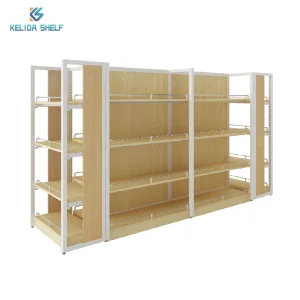
Modular Shelving Mezzanines
Designed for high-density, low-load commercial picking, e-commerce fulfillment, and auto parts distribution. Highly configurable to adapt to changing inventory profiles.

Structural Comparison Table

System Type Typical Load Range Max Column Span Ideal Application Structural Profile Material
Heavy-Duty Structural Platform 500 - 1500 kg/㎡ 6m to 10m Heavy assembly, machinery platforms, bulk storage Hot-rolled H-Beam & Tube Steel columns
Rack-Supported Mezzanine 300 - 800 kg/㎡ Depends on rack layout Pallet storage + manual picking floors Cold-rolled roll-formed upright profiles
Light Modular Platform 200 - 500 kg/㎡ 3m to 5m E-commerce bin shelving, manual packing lines Standard light-gauge structural channel

Technical Roadmap & Future Outlook

The industrial warehouse space is evolving towards complete automation. The next generation of structural steel platforms will need to support and co-exist with complex robotics. As an innovative manufacturer, Ningbo Kelida's R&D department is focused on several key technological tracks:

  • AGV/AMR Grid Alignment: Ensuring platform deflection limits remain well within L/300 or L/400 ratios to prevent guidance errors in autonomous mobile robots traversing elevated floors.
  • Structural Health Monitoring (SHM): Investigating the integration of strain gauges and IoT load sensors within key column supports to track structural stress levels in real-time.
  • Green Powder Coatings: Implementing VOC-free, low-emission electrostatic powder spraying that provides superior durability and meets strict environmental regulations in North America and Western Europe.

Local Support, Logistics, & Compliance Engineering

Operating as a global steel platforms exporter requires deep expertise in customs clearance, heavy load ocean freight shipping, and international structural code compliance. We ensure that our design packages include comprehensive structural calculations, connection details, and step-by-step installation drawings.

By using standard bolt-together connections, our platforms require no on-site welding, drastically reducing construction times and minimizing safety risks on-site. Our export cargo is packaged to withstand long-duration marine shipping, utilizing heavy-duty steel bands, custom protective wrapping, and robust crating to prevent transport scratching and moisture damage during transit.

Frequently Asked Technical Questions (FAQ)

Clear, engineering-focused answers to guide your spatial optimization planning.

What standard deflection limit is applied to Kelida steel platforms?
We generally design for a deflection limit of L/300 for static storage loads, and up to L/400 or L/500 for platform applications that support human traffic, sensitive automation, or AGV/AMR robotics. This minimizes floor bounce and keeps structures completely stable.
How does Kelida verify the load capacity of its customized structures?
Our 15 structural engineers perform Finite Element Analysis (FEA) using specialized design software to simulate real-world loading conditions. In addition, our QA team runs dynamic load verification and tensile testing on raw materials to confirm that actual performance matches calculated values.
Can Kelida steel platforms be customized to fit irregular warehouse layout configurations?
Yes. Customization is one of our primary strengths. We design around columns, piping, conveyor lines, and ceiling height changes to maximize your warehouse volume.
What corrosion protection options are available?
All our platforms feature high-quality electrostatic powder coating. The steel undergoes multi-stage pre-treatments (acid washing, phosphating) before powder application, ensuring excellent adhesion. We run regular salt-spray testing to verify long-term resistance to rust in humid or industrial environments.
Do your systems require specialized on-site welding during installation?
No. All our structural components are pre-punched and pre-cut at our factory according to engineering drawings. This bolt-together modular design makes installation fast, safe, and cost-effective, with no hot-work permits needed.
How are your systems packed for international shipping?
We package all components using heavy-duty steel bands, custom protective wrapping, and robust crating to prevent transport scratching and moisture damage during transit, ensuring they arrive on-site in perfect condition.