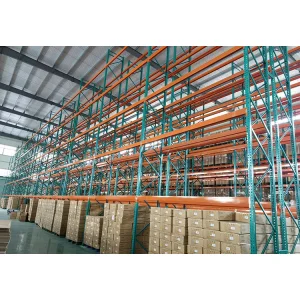
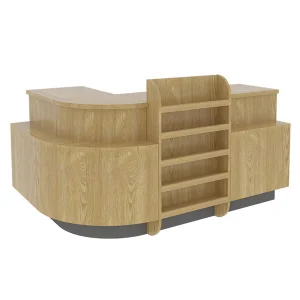
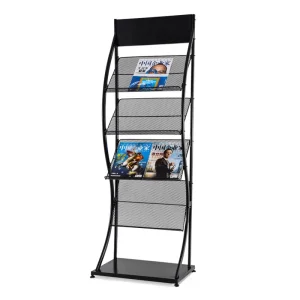
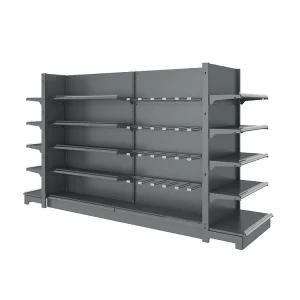
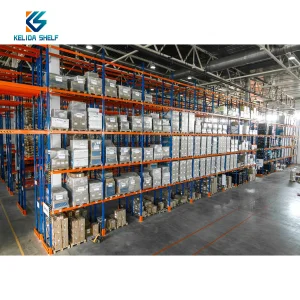
The modernization of supply chains globally has catapulted the demand for automated storage systems to unprecedented heights. Industrial operators, e-commerce giants, and third-party logistics (3PL) providers are transitioning rapidly from static racking frameworks to highly integrated dynamic warehousing infrastructures. Driven by skyrocketing urban land costs, shrinking labor pools, and the necessity for zero-error fulfillment, automated storage systems serve as the structural backbone of contemporary smart factories. High-bay warehouses utilizing robotic cranes, shuttle devices, and automated guided vehicles (AGVs) demand rack engineering tolerances far exceeding conventional standards. In high-density configurations, even a minor millimeter-level structural deflection can disrupt automated sensor arrays and trigger system-wide operational downtime.
In markets across North America, Western Europe, and East Asia, intralogistics performance indicators are strictly governed by structural reliability. Under seismic activity, dynamic loads, and massive vertical load stress, the physical integrity of the automated rack system directly dictates warehouse safety and long-term operating costs. Consequently, procurement officers are shifting their evaluation metrics away from simple unit costs toward total lifecycle value, choosing engineering partners who can demonstrate deep technical compliance, dynamic finite element analysis (FEA) capabilities, and absolute quality consistency.
Established in 2014, Ningbo Kelida Shelf Co., Ltd. has cemented its reputation as a global engineering leader specializing in heavy-duty industrial warehouse racking, retail display networks, and customized automated storage components. Operating out of a state-of-the-art 28,000 square meter manufacturing plant, we blend structural expertise with digital-era design methodologies. With over 12 years of core manufacturing heritage and 8 years of international trade operations, we have established robust delivery capabilities across North America, Western Europe, Southeast Asia, and the Middle East, generating an annual export turnover exceeding $18 million USD.
Our operational model is built around technical innovation and customer-centric customization. Guided by our R&D team of 15 professional structural engineers, we successfully designed, developed, and deployed 35 new advanced storage designs last year alone. Kelida offers comprehensive customization, configuring steel grades, loading tolerances, physical layouts, anti-corrosive powder applications, and seismic calculations to suit unique customer specifications.
To construct racks that align with international standards such as FEM 10.2.02 and RMI codes, Kelida maintains absolute control over the production loop. Through our integrated logistics and supply chain partnerships, we coordinate raw material sourcing and precision processing across all manufacturing stages:
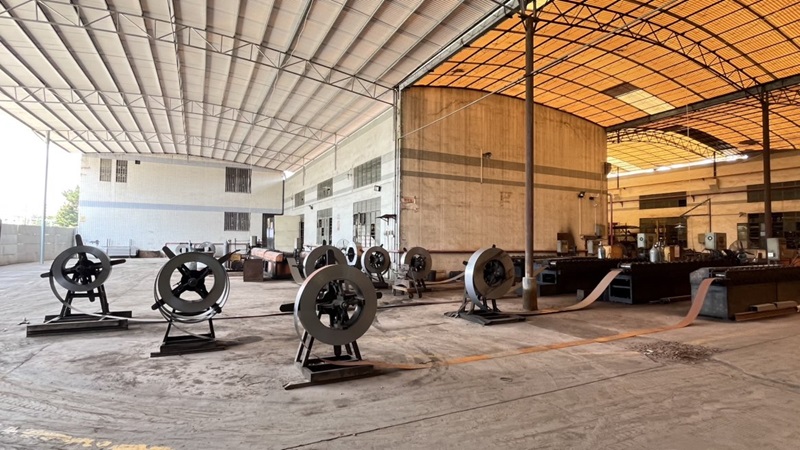
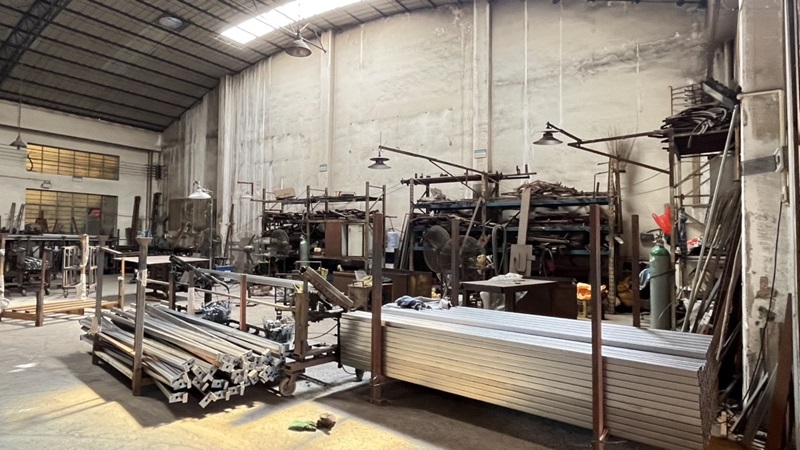
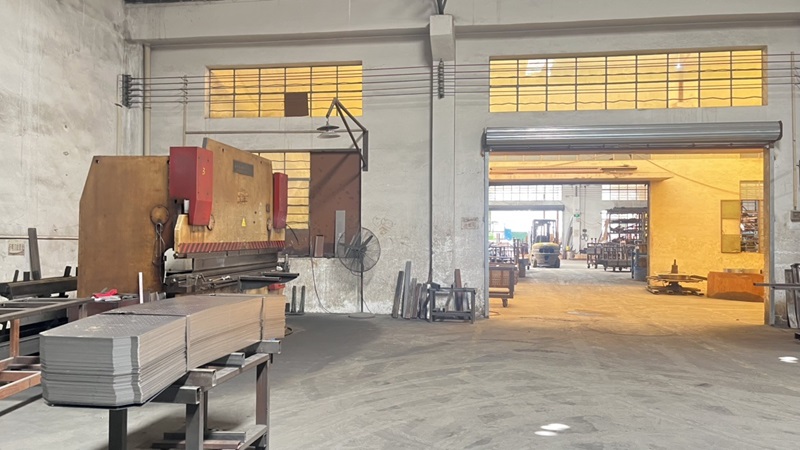
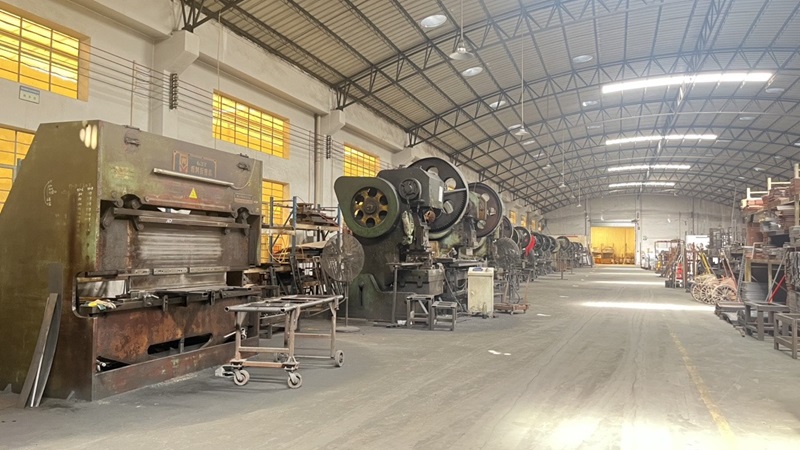
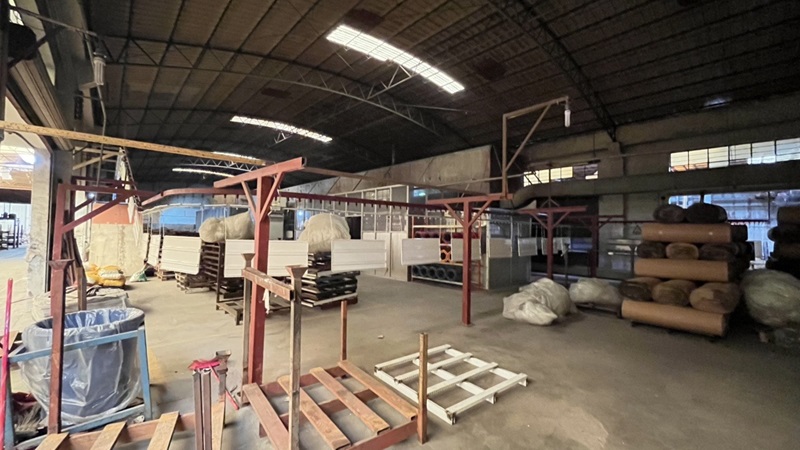
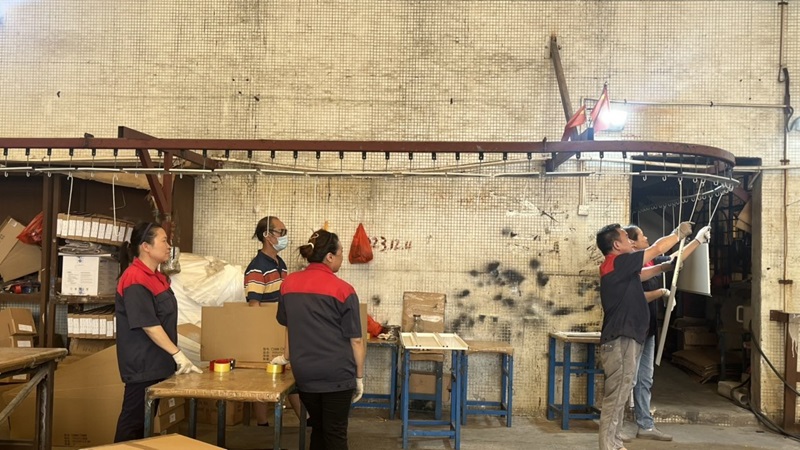
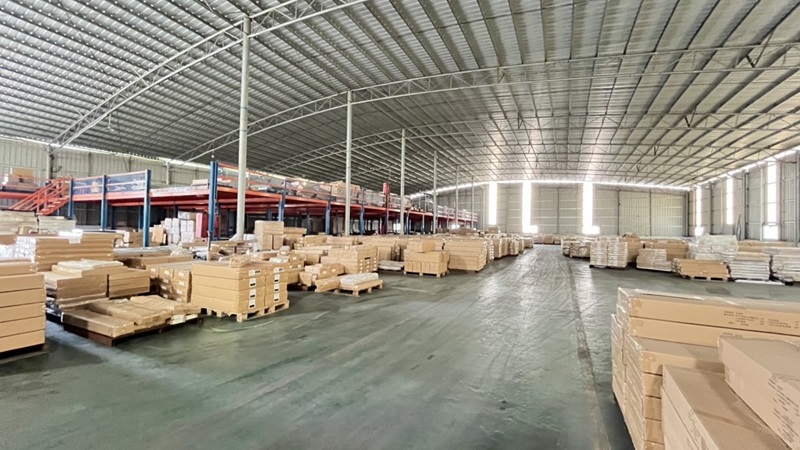
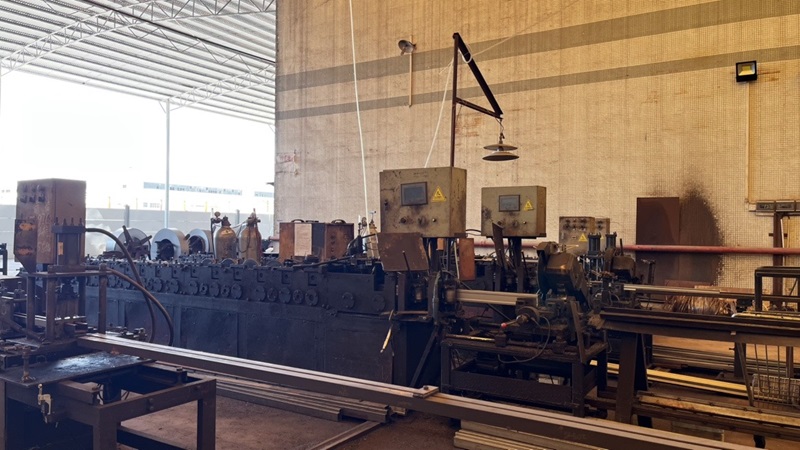
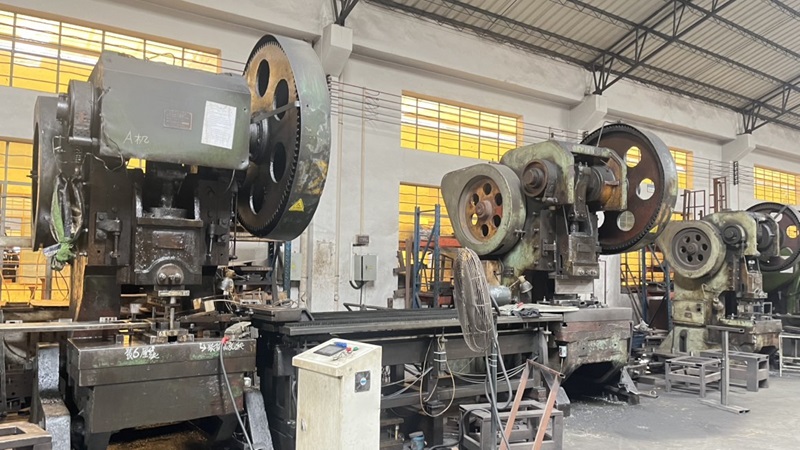
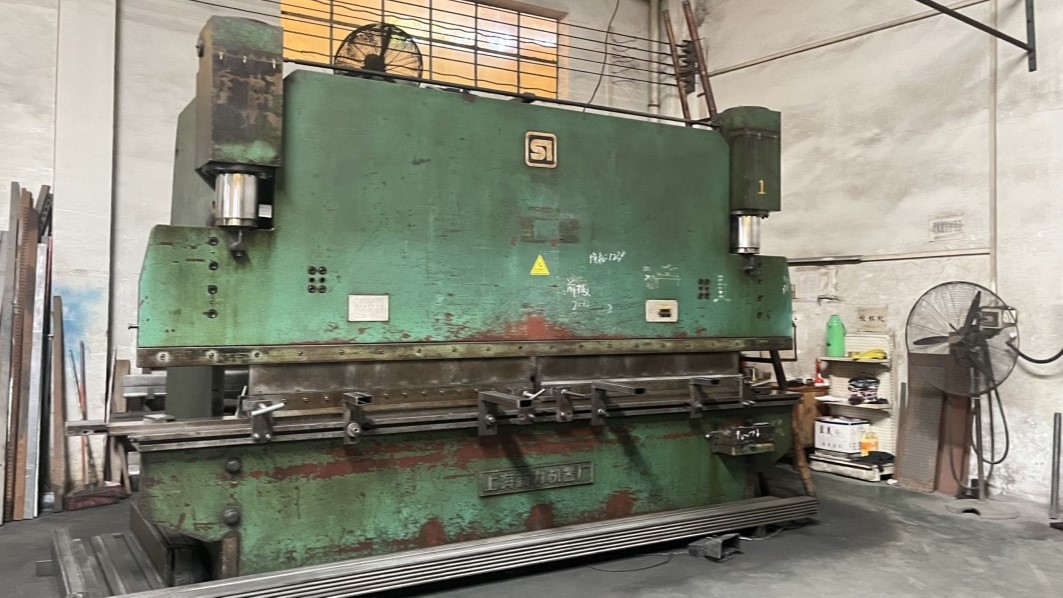
Our automated production floor features specialized machinery, designed to maximize throughput while minimizing dimensional variances. Raw Q235B and Q355B structural steel coils undergo roll-forming and laser cutting, followed by robotic welding lines that ensure deep weld penetration and high joint strength.
In automated storage environments, mechanical structural failures are extremely costly. Ningbo Kelida’s dedicated team of 22 quality control professionals performs comprehensive verification throughout the entire manufacturing process. Our quality check program guarantees that every batch matches design tolerances and material specifications.
We perform destructive mechanical testing on raw structural steel to confirm yield point, ultimate tensile strength, and elongation percentage align with design specifications.
Our technicians perform non-destructive ultrasonic and magnetic flaw testing on structural welds to ensure uniform penetration and prevent micro-fissures.
Racks undergo physical loading trials that exceed rating limits to verify safety factors, analyze structural deflection, and prevent dynamic buckling.
We perform accelerated salt-spray testing to verify that our protective powder coating provides reliable long-term resistance in cold-storage and high-humidity environments.
Every warehousing vertical requires a distinct approach to layout, load profiles, and automated material handling workflows. Kelida designs and delivers turnkey racking systems tailored to specific industrial operations:
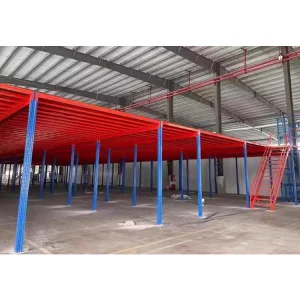
We design ultra-dense pallet systems and structural mezzanines that help 3PL operators maximize space utilization, accommodate mixed SKU dimensions, and achieve fast pallet turnaround times.
We optimize racking configurations specifically for sub-zero environments, utilizing low-temperature steel alloys and specialized coatings that maintain structural ductility down to -30°C.
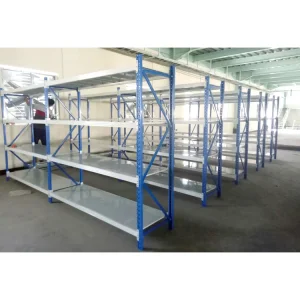
We engineer multi-tier shelving networks and automated shuttle racks that integrate seamlessly with conveyors, enabling fast pick-and-pack operations and high-throughput order fulfillment.
As warehouse automation continues to advance, several key technology trends are reshaping structural rack design. At Kelida, we are actively incorporating these changes into our product roadmap:
Modern AS/RS stacker cranes and radio shuttles operate at high speeds, requiring precise alignment. We utilize automated roll-forming equipment and continuous quality checks to limit rack straightness tolerances to 1:1000, ensuring smooth robotic movement and preventing collisions.
High-bay warehouses hold massive structural loads. Using finite element analysis (FEA), we model structural behavior under seismic conditions, adjusting upright dimensions and bracing configurations to ensure safety in earthquake-prone regions.
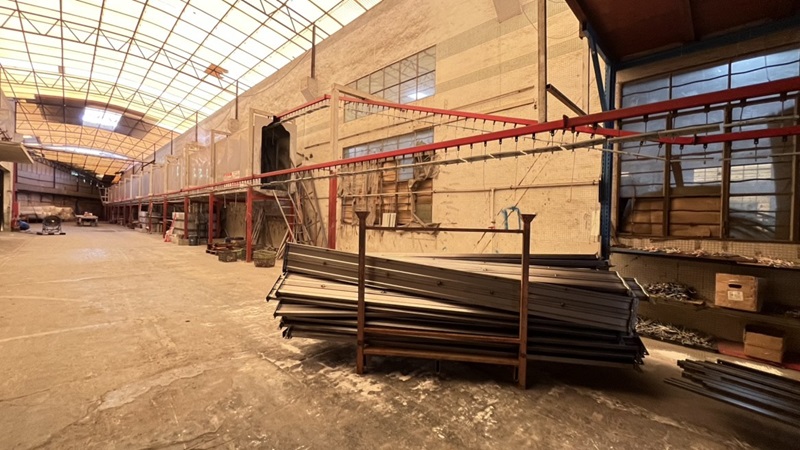
Our modern powder-coating line applies electrostatically charged coatings that are cured under heat to form a durable, impact-resistant shield. These lead-free coatings are designed to withstand constant forklift contact and resist chemical exposure.
We are developing smart racking prototypes with integrated strain gauges and deflection sensors. These IoT-enabled components track real-time loading stress, allowing operators to monitor structural health and receive alerts before load limits are exceeded.
AS/RS operations require tight structural tolerances to ensure automated handling equipment runs smoothly. Standard pallet racks allow deflection rates up to 1/200, whereas automated crane systems require tolerances limited to 1/1000 or less. Upright vertical deviation must not exceed 1.5mm over a 3-meter section to prevent automated sensors from triggering collision faults. At Kelida, we achieve these tight tolerances through robotic welding and advanced roll-forming machinery.
We manufacture our racks using high-strength structural carbon steel, primarily Q235B and Q355B (equivalent to ASTM A36 and ASTM A572 Grade 50). These materials offer the optimal balance of ductility, tensile strength, and weldability. Every batch of raw steel undergoes mechanical testing to verify its yield point, ensuring our heavy-duty storage designs safely support up to 4,000 kg per pallet level.
Our engineering team uses finite element analysis (FEA) software to model local seismic factors (such as peak ground acceleration) for each project. We customize the system by thickening baseplates, adding heavy-duty floor anchors, reinforcing upright bracing, and selecting appropriate steel profiles to absorb lateral dynamic loads in compliance with local structural codes.
For cold-storage and high-humidity locations, we utilize an automated multi-stage pre-treatment process followed by an electrostatic powder coating. For harsher environments, we offer hot-dip galvanized finishes. These coatings are tested in salt-spray chambers to ensure long-term corrosion resistance and prevent oxidation.
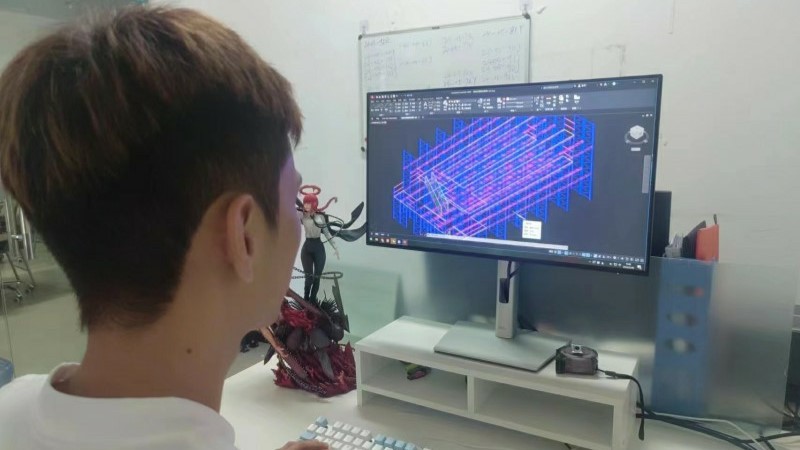
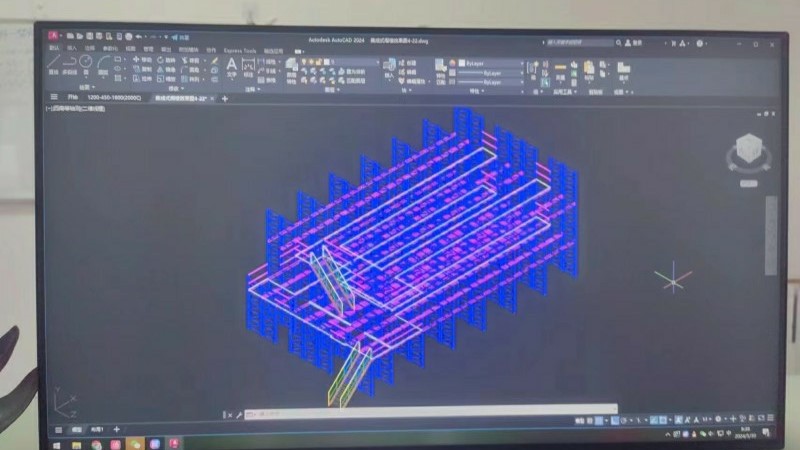
Yes, our R&D team can design custom components to integrate with existing material handling systems. We can match specifications for special deck plates, custom guide rails, rack protectors, and shuttle channels. We provide CAD layouts and 3D models for customer approval before starting volume production.
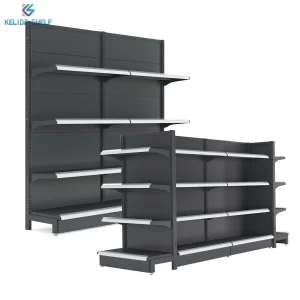
 Kelida Racking