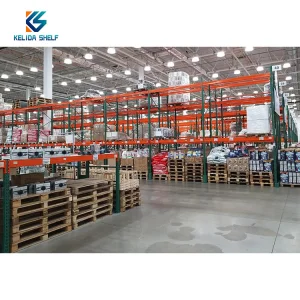
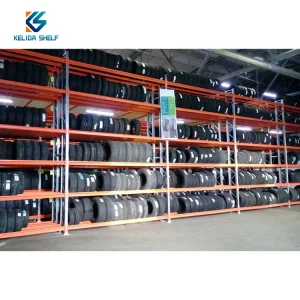
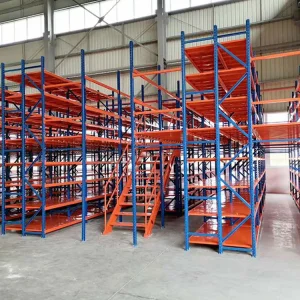
Engineered structural solutions and display systems configured for immediate global distribution
In modern industrial logistics, optimization of warehouse volume is critical for maintaining healthy supply chain operational margins. Push-back racking stands out as an elite high-density storage solution. Designed for Last-In, First-Out (LIFO) inventory management, push-back storage systems utilize nested wheeled carts that glide along inclined structural steel rails under the influence of gravity. When a forklift operator loads a pallet, it pushes the preceding pallet back into the system, exposing the nested cart beneath. During unloading, the removal of the front pallet triggers a controlled deceleration slide, bringing the subsequent pallets forward to the picking face.
This dynamic layout yields unique operational advantages over other high-density configurations like Drive-In and Gravity Flow systems. While Drive-In racking requires forklifts to physically enter the rack structure—creating substantial risks of structural damage and slower cycle times—push-back storage allows the forklift to remain in the access aisle. This dramatically decreases pallet load/unload cycles, reduces collision risks, and enhances warehouse safety metrics.
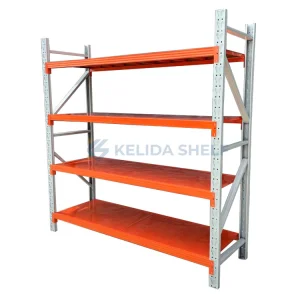
Ningbo Kelida Shelf Co., Ltd. is a leading manufacturer specializing in industrial warehouse racking and heavy-duty storage shelving solutions. Established in 2014, the company operates a modern manufacturing facility spanning 28,000 square meters. Backed by 12 years of industry experience and 8 years of international trade expertise, Kelida has grown into a trusted global supplier, achieving an annual export revenue of over $18 million.
Furthermore, push-back racking offers superior SKU occupancy flexibility. Because each lane operates independently, warehouses can store distinct SKUs in adjacent channels. This mitigates the severe "honeycombing" effect common in deep-lane Drive-In racks, where an entire bay must be dedicated to a single SKU to prevent buried stock. Consequently, push-back structures routinely maintain warehouse utilization rates exceeding 85% of physical capacity, compared to the 50-60% typical of selective racking configurations.
At the core of Kelida's success is a rigorous engineering ethos and sophisticated structural design capability. Led by our dedicated structural engineering department, we conduct dynamic Finite Element Analysis (FEA) to simulate wind load, seismic activities, and continuous loading stress. This ensures every installation remains structurally stable over decades of intensive operation.
Driven by strong innovation, our experienced R&D team of 15 structural engineers released 35 new storage products last year. We offer complete customization options, including tailored load capacities, dynamic warehouse layouts, custom dimensions, and corrosion-resistant powder coatings. Our integrated supply chain network collaborates with over 650 qualified raw material and component partners, ensuring seamless production cycles and competitive pricing.
Our choice of raw material utilizes premium Q235B and Q345B structural steel, processed via high-precision cold-rolling mills to guarantee high yield strength and dimensional consistency. Heavy-duty applications require structural upright frame configurations, which are designed to support cumulative vertical loads and resist the accidental dynamic impact of material handling equipment.
State-of-the-art automated manufacturing processes guarantee structural precision and compliance with global safety standards
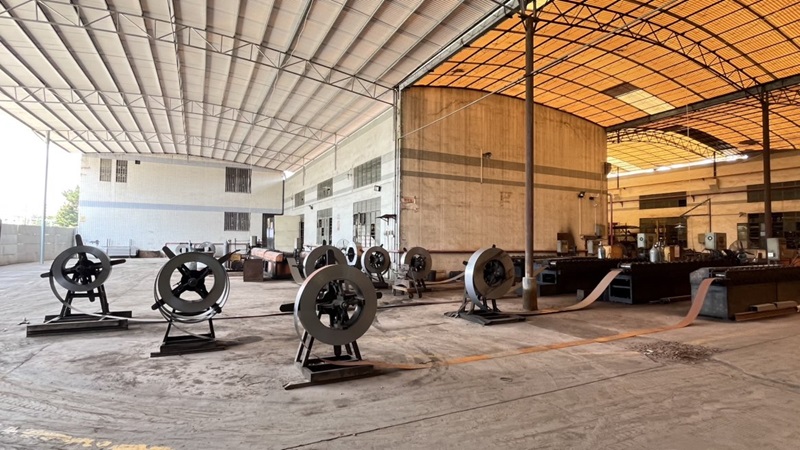
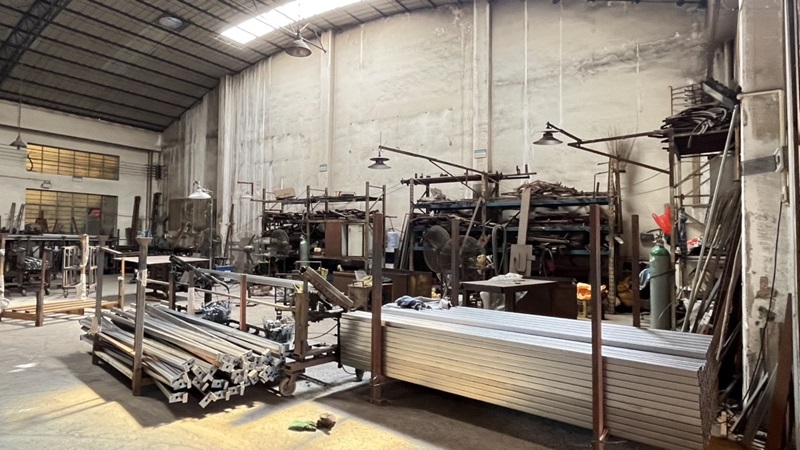
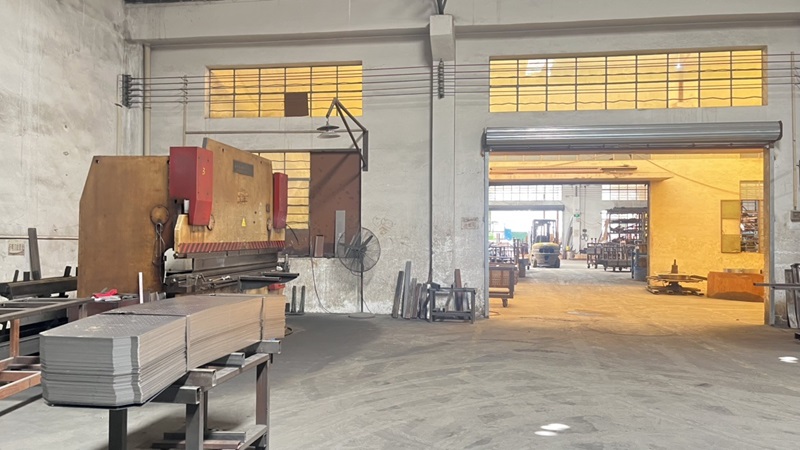
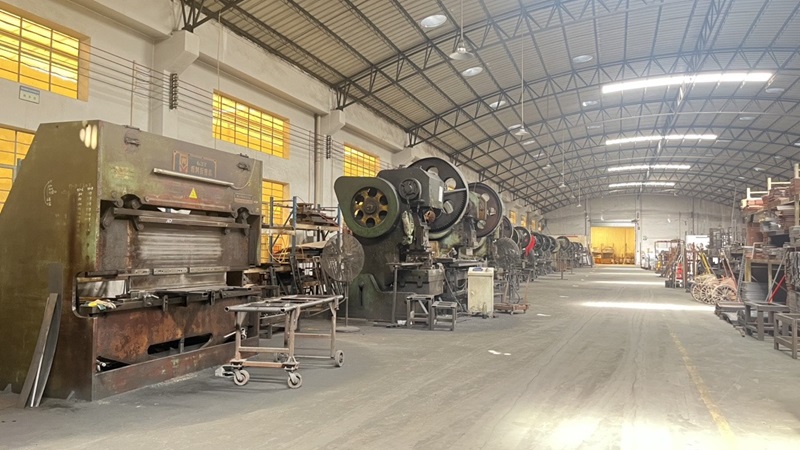
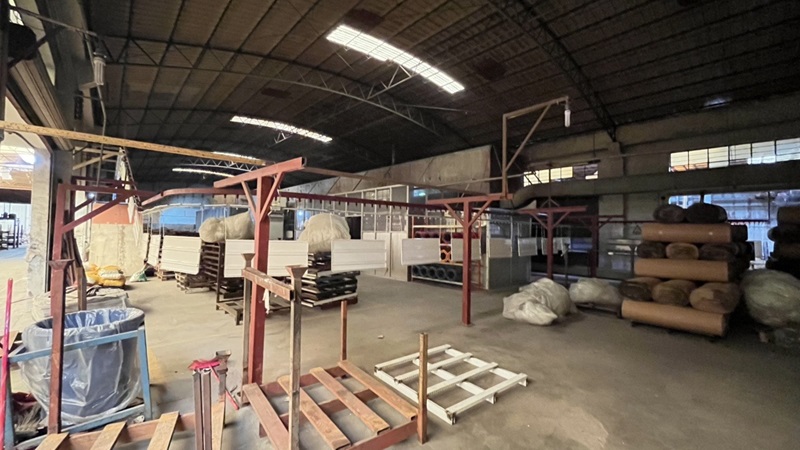
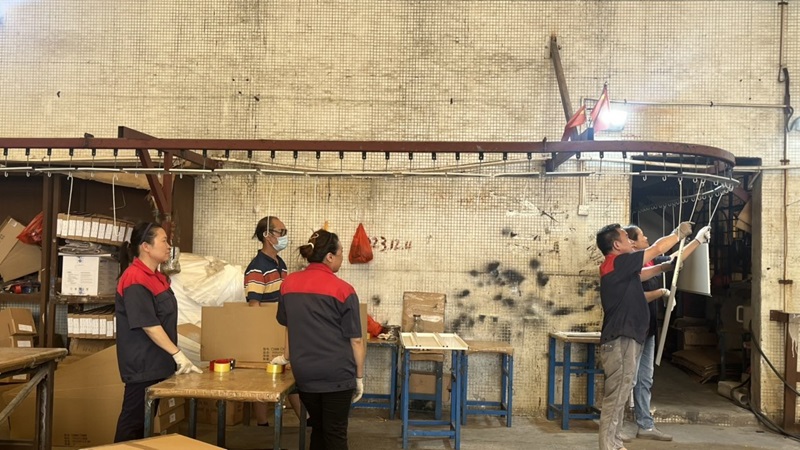
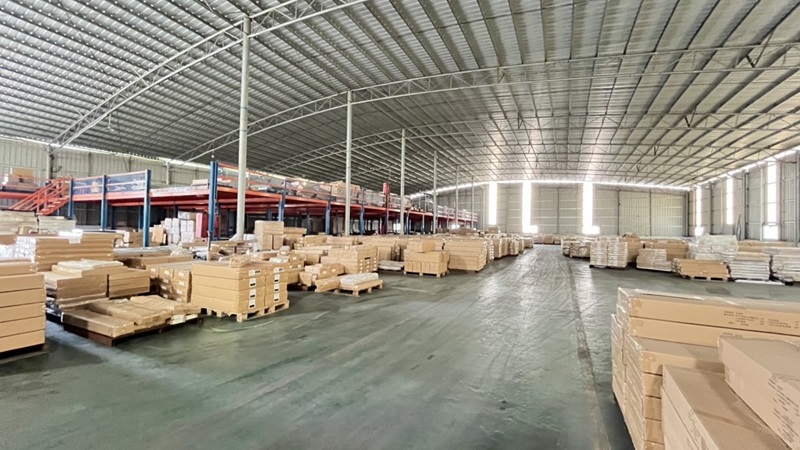
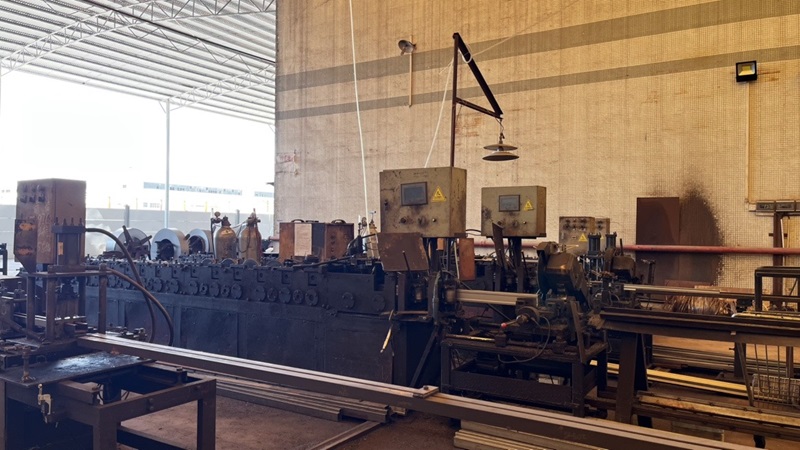
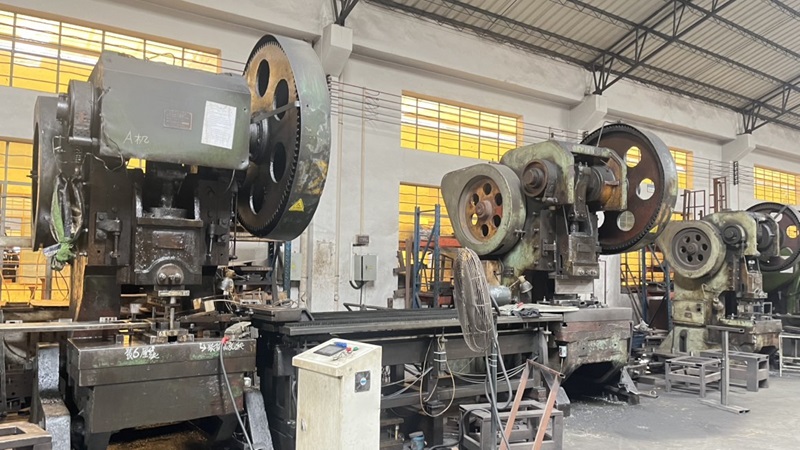
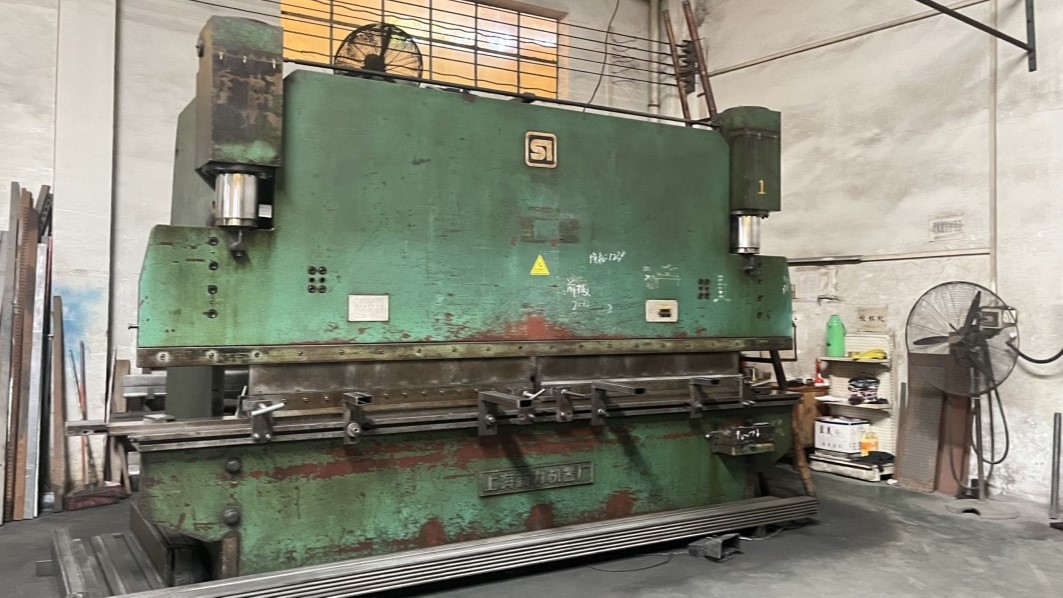
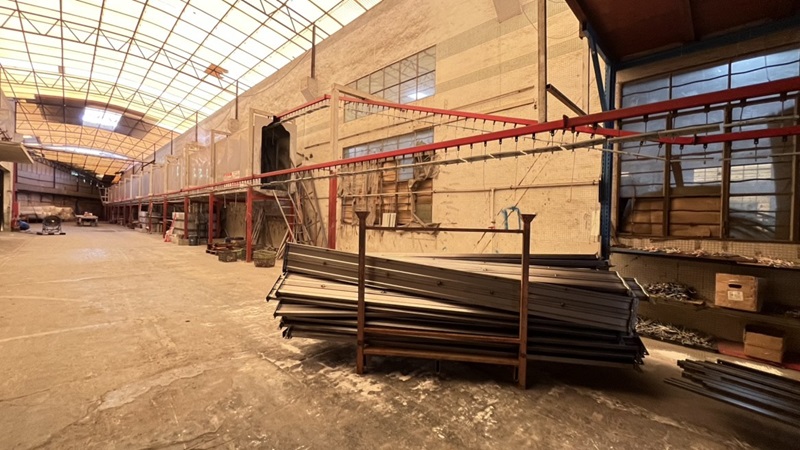
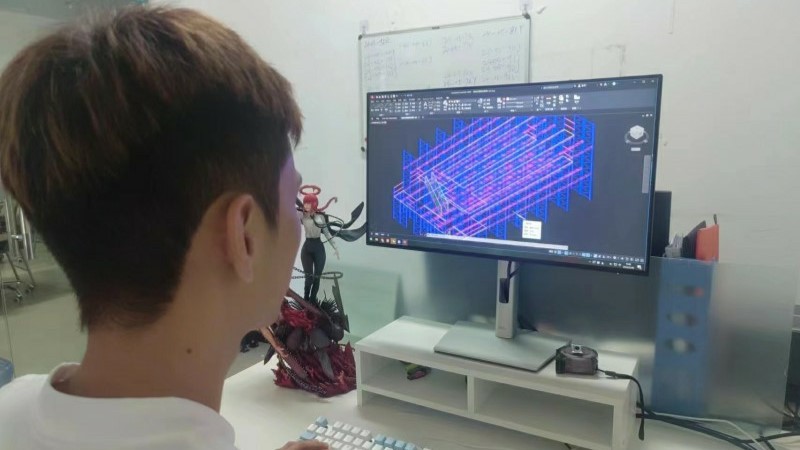
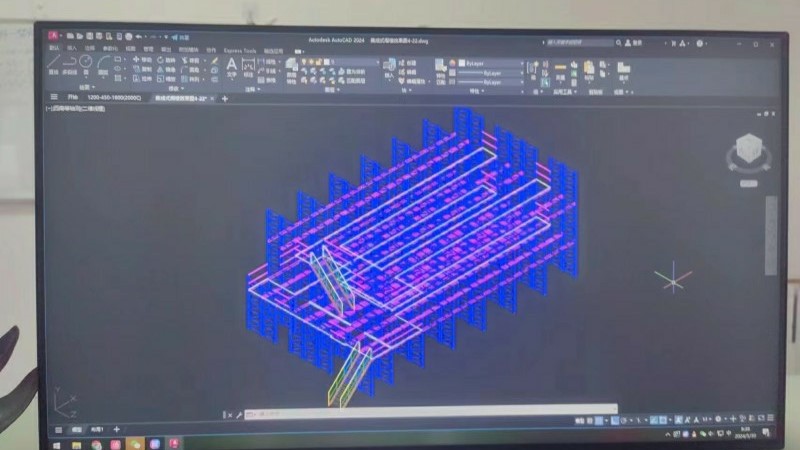
Safety is the primary metric by which industrial storage configurations are judged. A single structural failure can lead to catastrophic losses, personnel injuries, and complete operational halts. To eliminate this risk, Ningbo Kelida utilizes a comprehensive inspection workflow that tests components far beyond their nominal safe operating limits.
Quality control is embedded in every stage of our operations. Supported by a dedicated quality assurance team of 22 QC specialists, we implement rigorous inspection procedures—including raw material tensile testing, automated weld inspection, dynamic load capacity verification, and salt-spray corrosion testing—to guarantee that every rack meets international safety standards.
By enforcing certifications that correspond to international standard frameworks, we guarantee our racks are compatible with ANSI/RMI MH16.1 specifications, FEM European codes, and AS4084 Australian standards. Our salt-spray corrosion tests confirm the longevity of our epoxy-polyester coatings, ensuring they resist moisture and chemical exposure in demanding industrial environments.
Capitalizing on supply chain density, automated engineering, and strategic port access
Proximity to localized steel clusters allows us to source certified, structural-grade steel coils with minimal logistical overhead. This raw material advantage is passed directly to global buyers as stable, competitive pricing.
Collaborating with over 650 verified components suppliers allows us to bypass sourcing bottlenecks. From precision bearing assemblies for wheeled carts to specialized fastening hardware, every part is sourced on-demand.
Our manufacturing facility in Ningbo grants us direct access to the Port of Ningbo-Zhoushan, one of the world's busiest container hubs. This guarantees reduced transit times, optimized container loading, and lower sea freight costs.
Push-back racking systems are not a one-size-fits-all product. Different industrial sectors place unique operational stresses on racking components. Analyzing these localized requirements ensures long-term system success.
Cold storage facilities bear extremely high operating costs due to continuous refrigeration. Consequently, maximizing density within the refrigerated envelope is paramount. Push-back racking is highly effective here because it allows multi-lane density (up to 6 pallets deep) while operating reliably down to -30°C. In these environments, Kelida uses low-temperature-grade grease in shielded cart bearings and applies special organic powder coatings to prevent moisture condensation from causing rust.
E-commerce and 3PL fulfillment centers experience highly dynamic inventory profiles and rapid SKU shifts. Unlike traditional high-density systems like Drive-In, which restrict access to single SKUs across entire bays, push-back storage allows forklift operators to store and access individual lanes independently. This flexibility dramatically boosts picking efficiency, accommodates seasonal inventory spikes, and increases throughput speeds.
Automotive parts are typically dense, heavy, and stored in bulk. For these applications, structural calculations must accommodate dynamic loads reaching up to 1,500 kg per pallet position. Kelida handles these requirements by implementing reinforced heavy-duty structural upright frames, heavy-gauge steel cart tracks, and robust mechanical back-stops to ensure safety during loading and unloading sequences.
As an export-oriented enterprise, our primary markets cover North America, Western Europe, Southeast Asia, and the Middle East. We proudly serve a diverse client base, including third-party logistics (3PL) providers, industrial manufacturing plants, e-commerce distribution hubs, and commercial wholesale distributors. Through high-durability products and reliable engineering support, Ningbo Kelida Shelf Co., Ltd. remains committed to optimizing warehouse efficiency for businesses worldwide.
How automation, smart diagnostics, and materials science are shaping the next generation of warehouse racks
Modern push-back systems are shifting from standard mechanical gravity carts to smart cart designs featuring speed-retarding dampers. These decelerators regulate descent speed, preventing fast run-outs and protecting fragile loads.
Push-back systems are increasingly used as buffer zones in automated storage and retrieval systems (AS/RS). Automated stacker cranes load the push-back lanes, combining high-density buffer storage with automated flow.
Sustainable operations require green components. Industry leaders are adopting zero-VOC, heavy-metal-free electrostatic powder coatings that resist scratching and corrosion while minimizing ecological impact.
Addressing core mechanical, structural, and integration questions for industrial storage buyers
Explore our complete commercial and industrial inventory for wholesale and project supply
 Kelida Racking