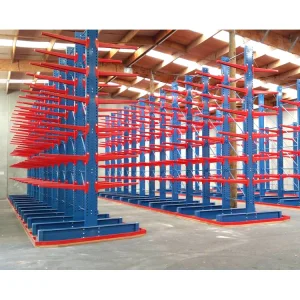
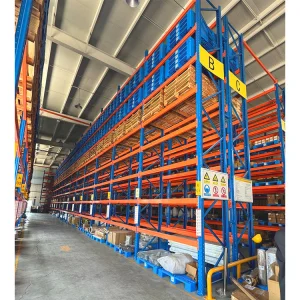
Engineered structural solutions built to exceed international safety regulations. Explore our top heavy-duty racking models.
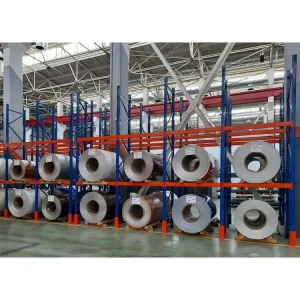
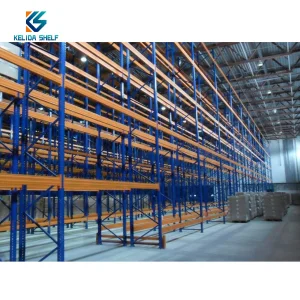
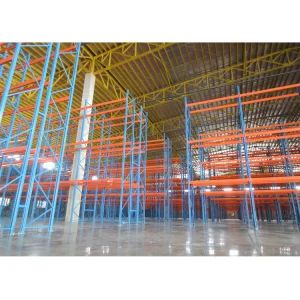
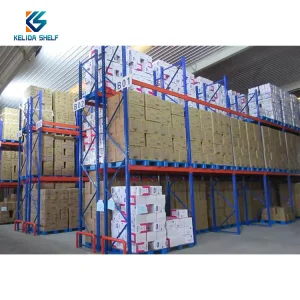
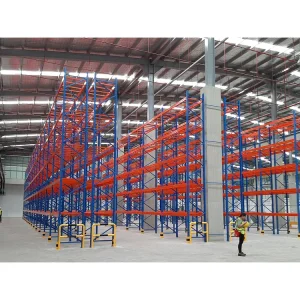
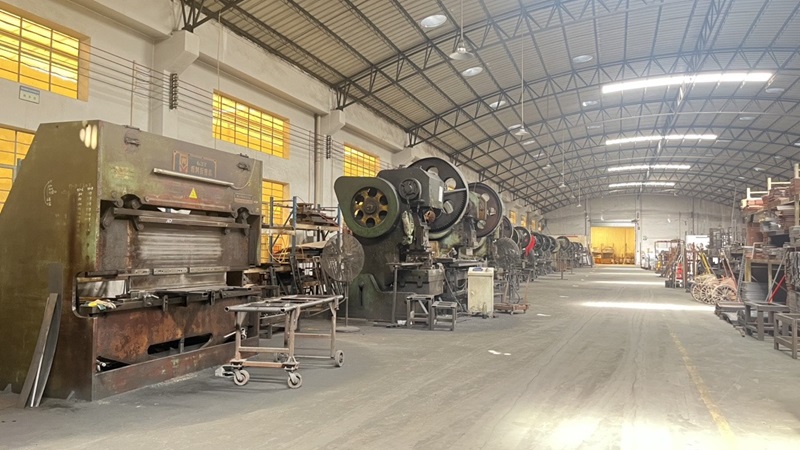
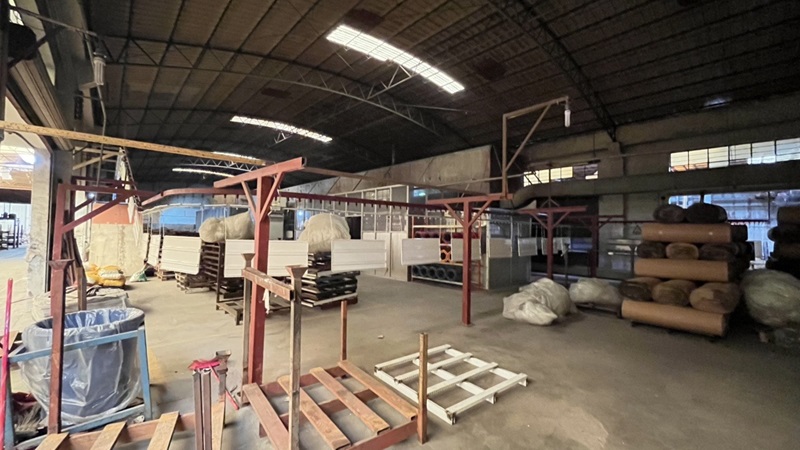
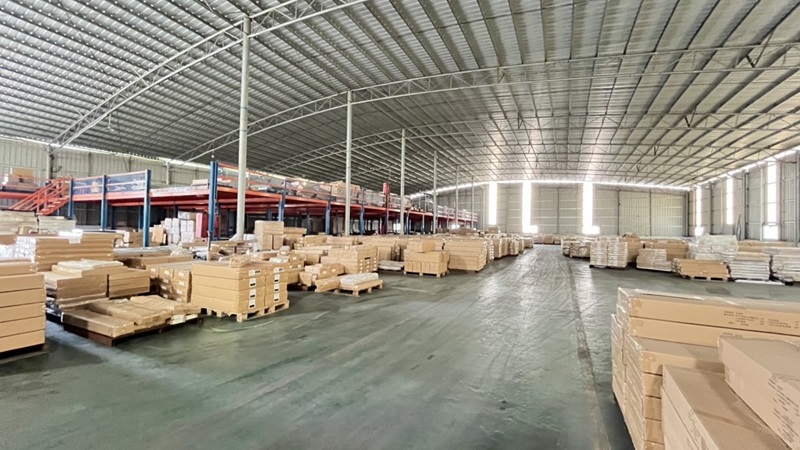
Established in 2014, Ningbo Kelida Shelf Co., Ltd. has cemented its reputation as a leading manufacturer specializing in industrial warehouse racking and heavy-duty storage shelving solutions. Operating a modern, state-of-the-art manufacturing facility spanning 28,000 square meters, Kelida integrates 12 years of core industry experience with 8 years of intensive international trade expertise to deliver high-performance dynamic structural shelving systems globally. Our current annual export footprint generates over $18 million, serving critical infrastructure installations across global markets.
Advanced Production Facility
Annual International Exports
Structural R&D Team
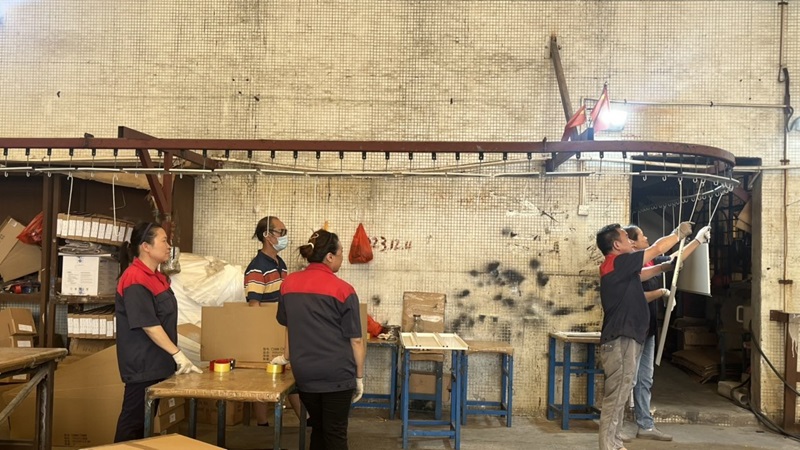
Dedicated QC Inspection Team
Innovation guides our engineering and structural developments. Backed by an experienced R&D division comprising 15 specialized structural engineers, Kelida successfully engineered and launched 35 new storage architectures last year. We handle complete customization requirements, catering to complex variables:
"We embed quality control into every operational juncture. Assisted by our 22-person Quality Assurance division, we run rigorous physical verification procedures, covering raw-material tensile verification, automated ultrasonic weld line inspection, dynamic load testing, and long-cycle salt-spray corrosion tests to ensure compliance with global safety requirements."
Experience precision at scale. Our automated facilities process high-strength structural profiles with dimensional accuracy.
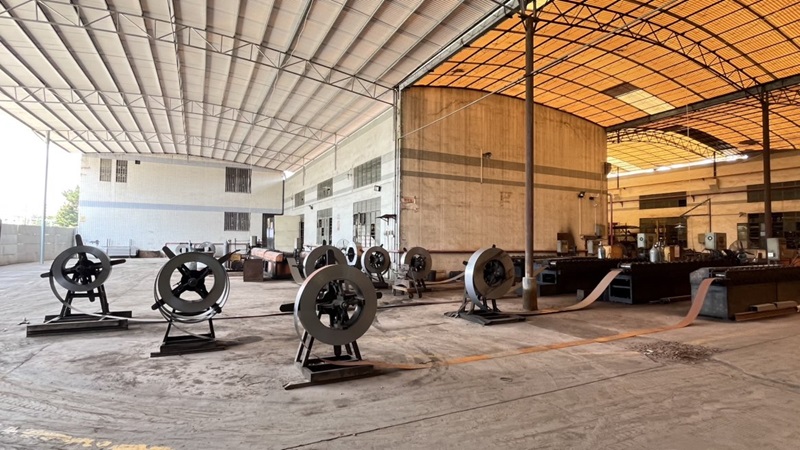
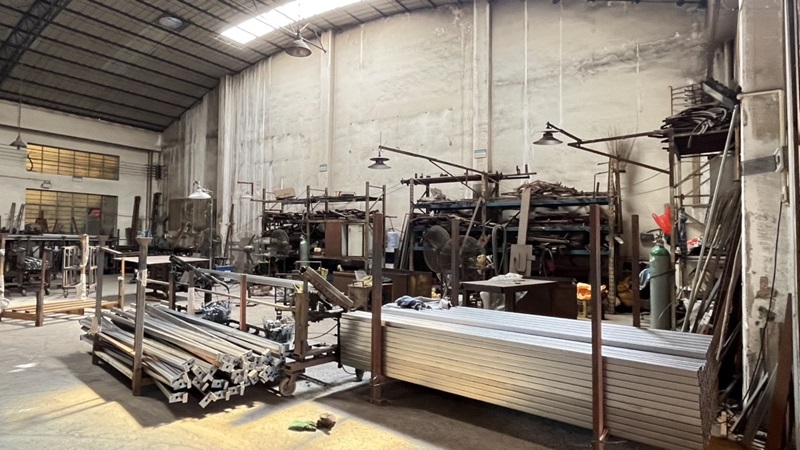
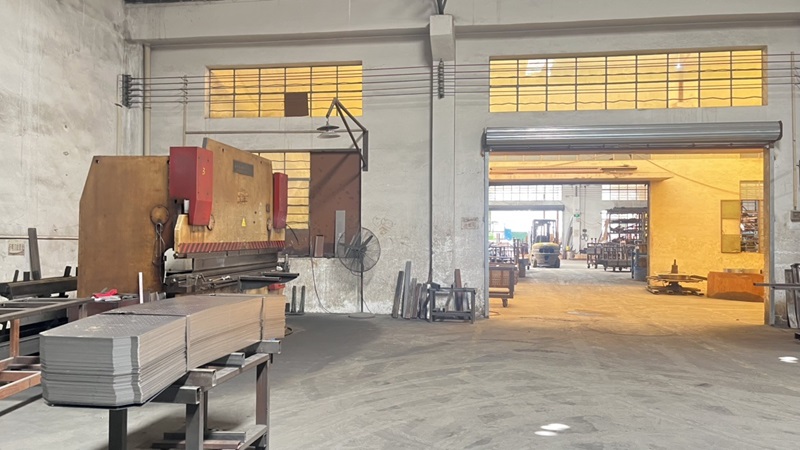
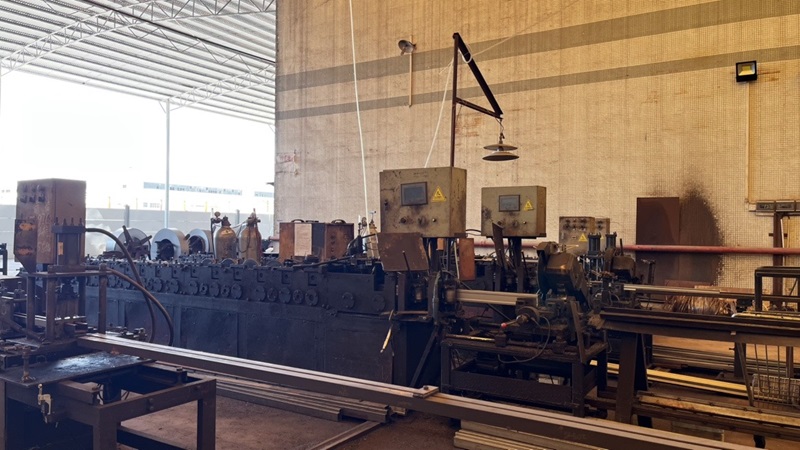
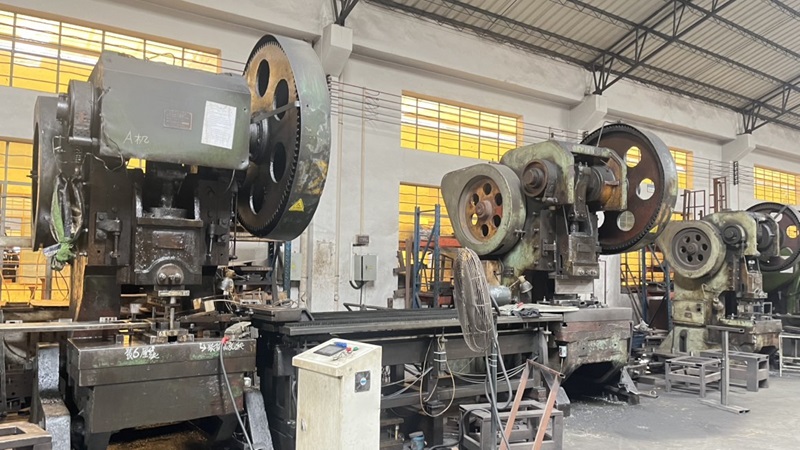
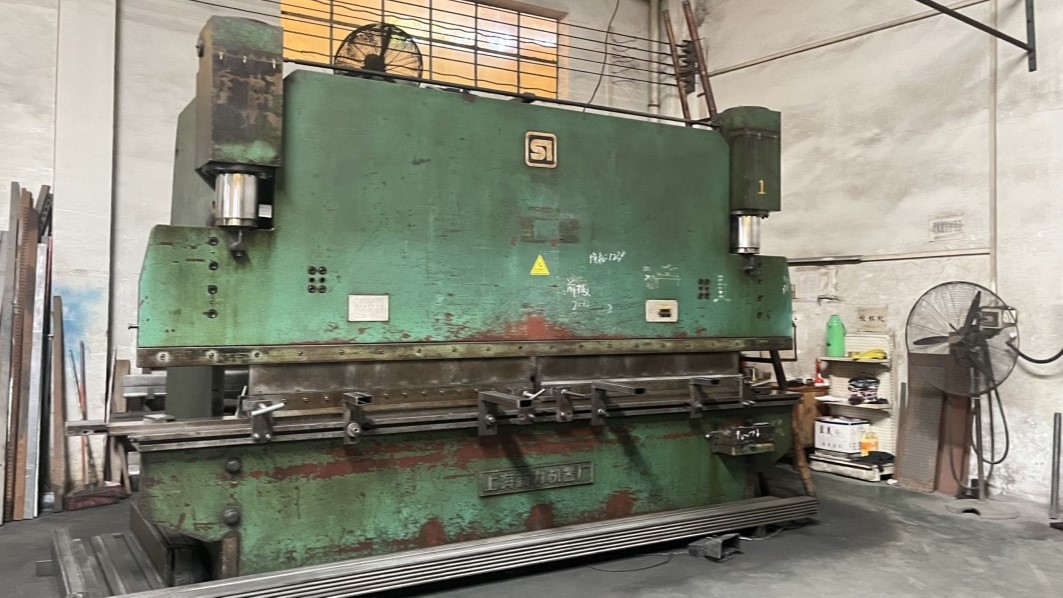
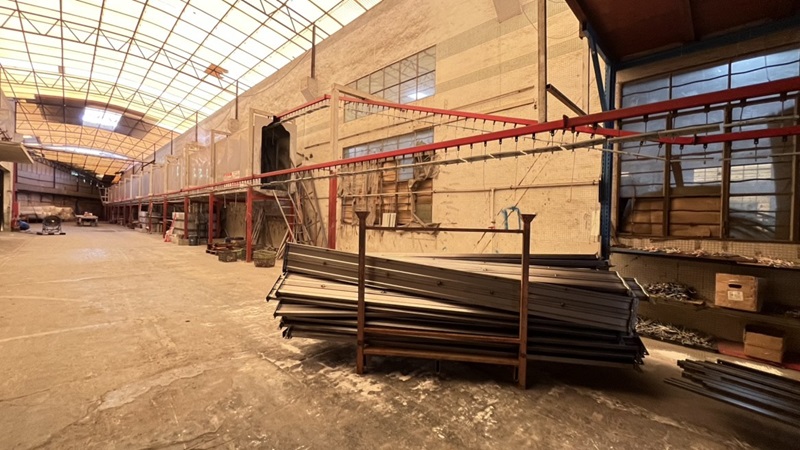
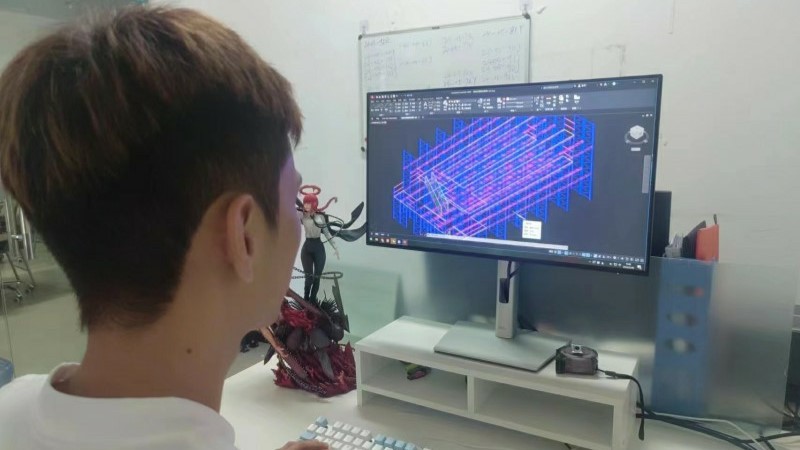
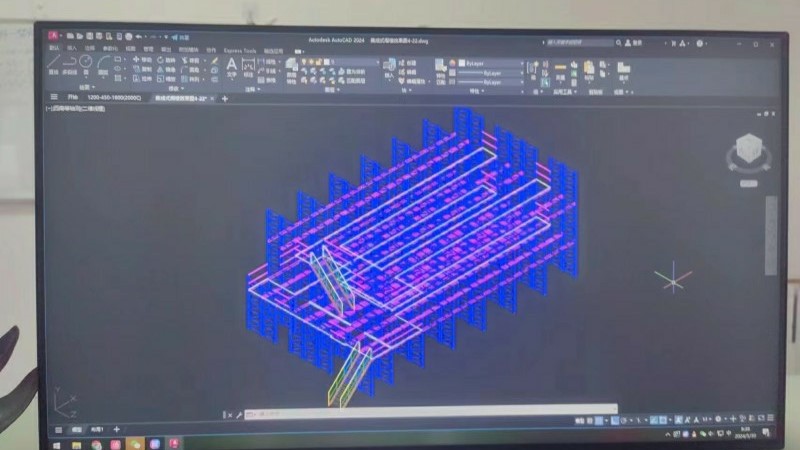
The global logistics space is undergoing a seismic shift. The continuous expansion of e-commerce, combined with increasing real estate valuations, demands optimal utilization of vertical warehouse airspace. The tech roadmap for modern multi-tier storage systems focuses on three foundational concepts: adaptive modularity, robot-ready pathways, and advanced material composition.
Conventional heavy structural steel profiles are being phased out in favor of lightweight, ultra-high tensile cold-rolled steel profiles (typically grade Q235B or Q345B). Continuous cold-roll forming processes enable the production of optimized structural profiles with intricate shapes. These custom profiles reduce structural deadweight while improving load distribution capacity. Modern racking columns employ complex multi-bend sections to achieve high buckling resistance. This design maximizes safety factors while reducing overall raw material consumption.
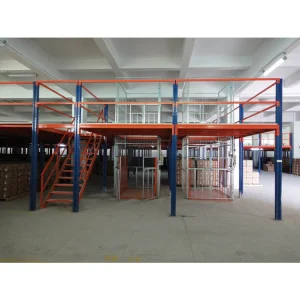
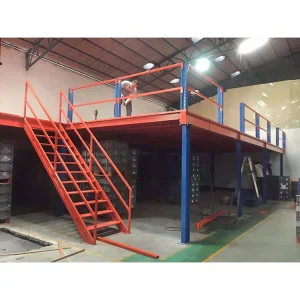
The future of multi-tier warehouse systems relies heavily on robotic integration. Conventional platforms are transitioning into robot-compatible multi-tier platforms. These advanced configurations feature reinforced steel floor systems, dynamic load-bearing profiles, and precise deflection ratios (within L/300 to L/400 limits) to support Autonomous Mobile Robots (AMRs) and Automated Guided Vehicles (AGVs). By integrating mesh grids, dynamic pathways, and smart structural sensors, multi-tier platforms can safely withstand the static and dynamic forces exerted by moving autonomous units.
Advanced finite element analysis (FEA) software allows Kelida's R&D engineers to model structural behavior under varying load combinations and seismic conditions. Future layouts emphasize boltless, fully adjustable connector sets that enable rapid relocation and structural reconfiguration. Heavy-duty vertical columns are pre-punched with precise pitch layouts (typically 50mm or 75mm). This allows warehouse operations to adjust shelf levels to match shifting product sizes without compromising the structural integrity of the racking system.
Multi-tier mezzanine configurations require tailored designs to meet the distinct operational demands of different industries. Kelida specializes in matching structural specifications with targeted industrial applications.
| Industry Sector | Core Structural Requirement | Optimal Configuration | Operational Advantage |
|---|---|---|---|
| Third-Party Logistics (3PL) | High-volume sku capacity & rapid inventory turnover | Multi-tier racking with dynamic pallet flow lanes | Increases floor space utilization by up to 250% |
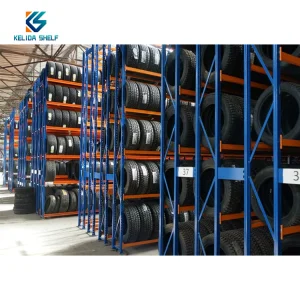
| Automotive Components | High load capacity & bulk volume compatibility | Heavy-duty racking & integrated cantilever sections | Accommodates heavy, irregular products and machinery parts |
| E-commerce Fulfillment | Multi-level pedestrian picking walkways | Light-duty mezzanine platforms with integrated chute channels | Enables rapid pick-and-pack routing for fast shipping |
| Cold Storage Logistics | Sub-zero temperature stability & corrosion resistance | Stainless/Hot-dip galvanized racking structures | Resists thermal contraction and premature surface oxidation |
International buyers prioritizing quality over initial cost focus on key procurement parameters:
Installing multi-tier racking systems requires strict adherence to safety standards. Our engineering team designs all racking configurations to meet local building codes and site-specific seismic requirements.
For installations in active seismic zones, standard structural designs are insufficient. Kelida's engineering team calculates ground acceleration, structural damping, and dead load distribution to determine optimal base plate anchoring and structural bracing. We design system components using high-yield steel and heavy-duty frame connections to prevent buckling during seismic activity.
To simplify international project execution, Kelida provides detailed 3D installation layouts, step-by-step assembly guides, and video documentation. For large-scale multi-tier configurations, we can coordinate with local installation teams or deploy on-site supervisors to manage construction, safety checks, and load verification.
Get answers to common engineering, procurement, and design questions from our structural technical team.
Standard design parameters support floor loads from 300kg/㎡ to 1,000kg/㎡. For specialized industrial storage, we can engineer configurations that exceed 1,500kg/㎡. The load capacity is determined by column spacing, structural beam profiles, and concrete slab specifications.
Our design team uses advanced finite element analysis (FEA) software to model frame loading, deflection limits, and safety factors. Raw material selection is verified through mill test certificates, and structural components undergo physical destructive testing to confirm calculated load ratings.
We recommend hot-dip galvanizing for high-humidity or cold storage facilities. This process creates a thick zinc layer that protects steel components from moisture-driven oxidation, preventing premature structural degradation.
We offer multiple decking options depending on project requirements: heavy-duty powder-coated steel plates, perforated steel gratings (which support ventilation and fire sprinkler coverage), and high-density plywood floor panels.
Our standard production cycle is 30 to 45 days following layout approval and material confirmation. The exact timeline depends on the level of customization, beam profiling, and current production capacity.
All upright frames and beams are bundle-packed using cardboard protectors and heavy-duty plastic wrapping. Small components and assembly hardware are secured in durable wooden crates to prevent movement and damage during shipping.
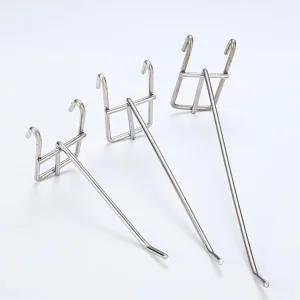
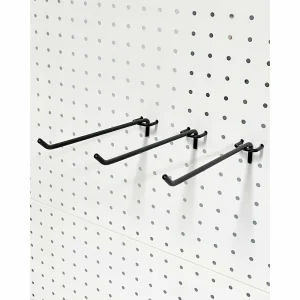
Explore our range of heavy-duty displays, accessories, and industrial mezzanine components.
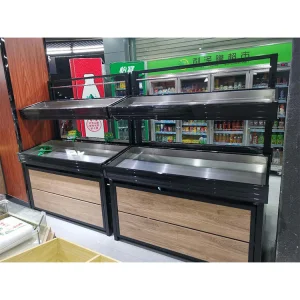
 Kelida Racking