Premium industrial racks engineered for high capacity, extreme durability, and spatial efficiency.
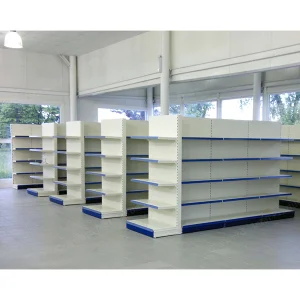
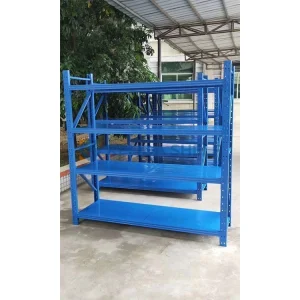
Strategic research on logistics optimization, material handling infrastructure, and industrial space utilization.
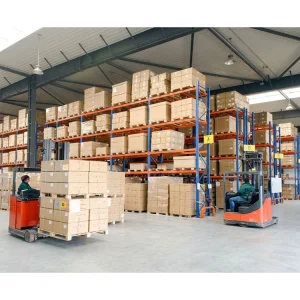
The landscape of modern industrial warehousing is undergoing a profound paradigm shift. As land values rise and global logistics supply chains demand tighter throughput cycles, utilizing vertical storage capacity has evolved from an option to a core operating strategy. Heavy equipment and industrial storage systems must support increasingly dense weights while ensuring maximum structural integrity, accessibility, and operator safety. Today's facilities require structural steel profiles that handle load capacities from 1,000 kg to over 4,000 kg per level, designed in compliance with modern safety codes like the European FEM 10.2.02 and US RMI (Rack Manufacturers Institute) standards.
In parallel, the rise of automation and IoT-integrated warehousing systems has reshaped expectations for traditional racking. Modern racking is no longer a static steel framing system. It functions as the skeletal infrastructure that interfaces with Automated Storage and Retrieval Systems (AS/RS), stacker cranes, and automated guided vehicles (AGVs). This technological integration requires narrow tolerances in engineering deflection, precision punch alignments, and high durability coatings to prevent structural distortion under dynamic stresses. Manufacturers must continuously innovate to deliver systems that handle high weight thresholds while seamlessly integrating with computerized inventory control pathways.
Racks are built with tight geometric tolerances, designed to interface seamlessly with robotic picking systems and AGVs to maximize cycle speeds.
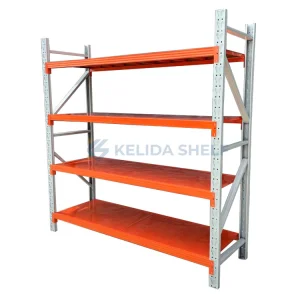
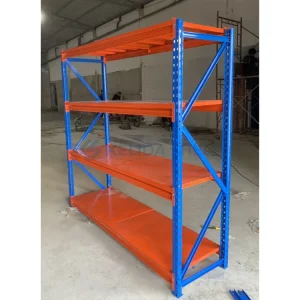
Engineered using Q235B cold-rolled steel, ensuring robust yield strength capable of supporting up to 4,000kg load capacities per shelf layer safely.
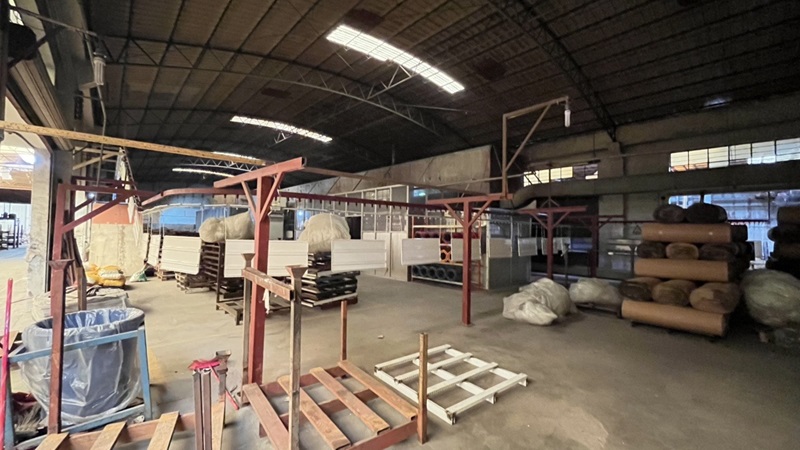
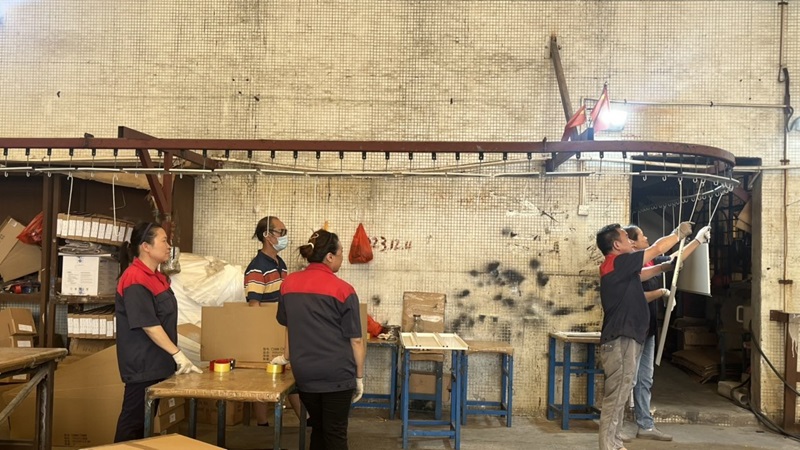
Surface treatments undergo a multi-stage chemical wash followed by electrostatic powder-coating, passing 500-hour salt-spray corrosion tests.
Your trusted global partner in high-capacity storage and warehouse structural systems.
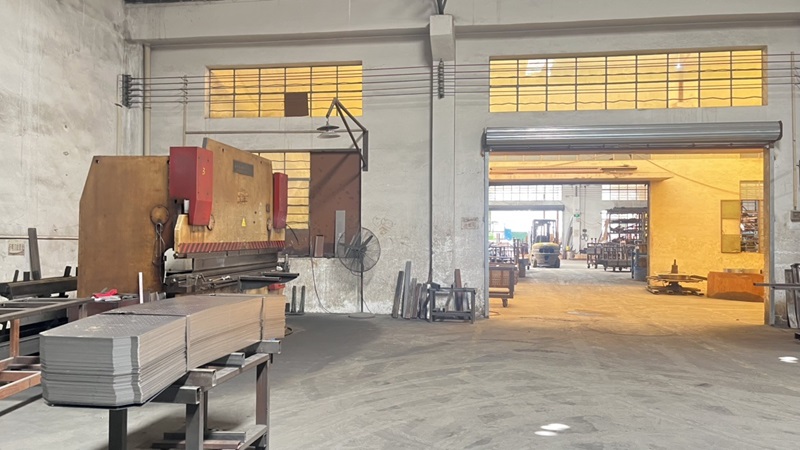
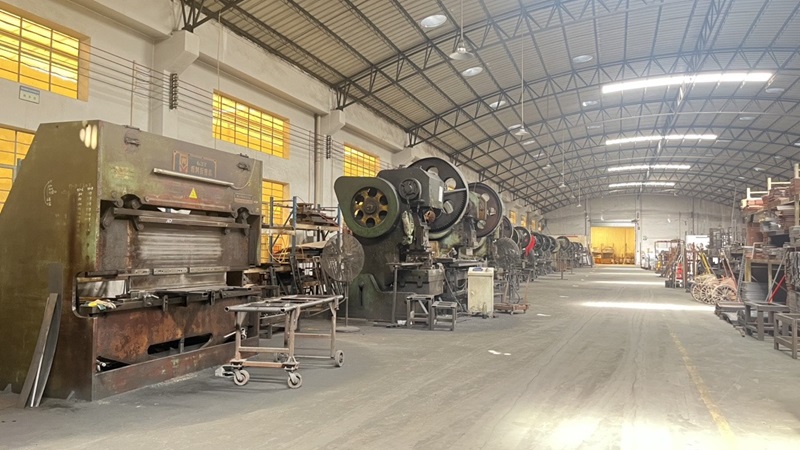
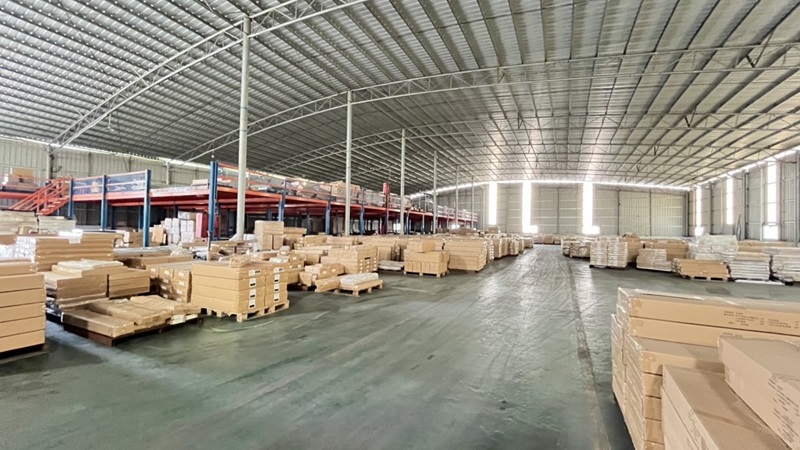
Established in 2014, Ningbo Kelida Shelf Co., Ltd. has emerged as a premier manufacturer specializing in industrial warehouse racking and heavy-duty storage solutions. Operating a modern, state-of-the-art facility spanning over 28,000 square meters, Kelida translates raw engineering concepts into high-integrity steel storage products. Guided by 12 years of core industry manufacturing experience and 8 years of sophisticated international trade expertise, Kelida has successfully built a reliable global supply footprint, driving annual export revenues past the $18 million mark.
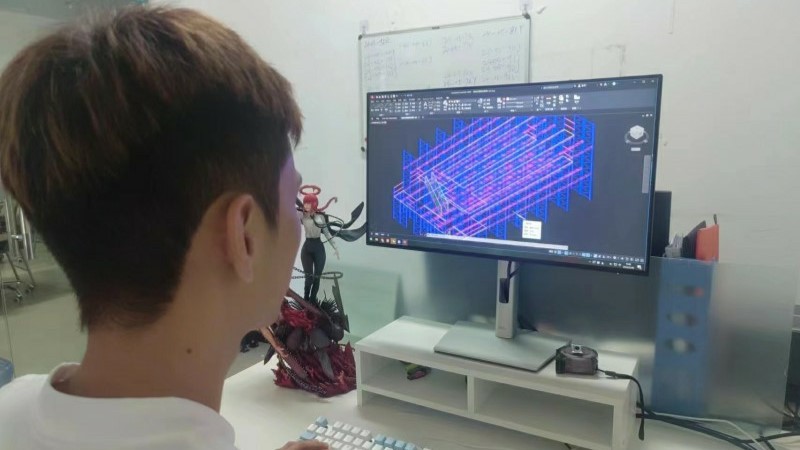
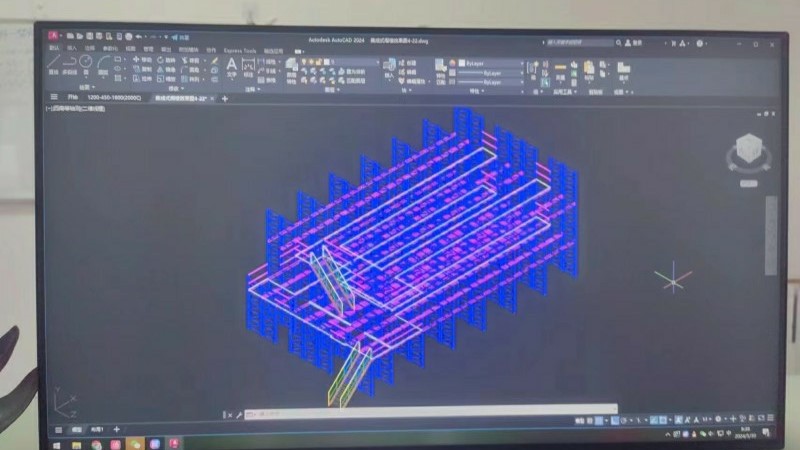
Innovation is the core driving principle behind Kelida’s product expansion. Our dedicated R&D division, featuring 15 professional structural engineers, released 35 newly developed storage solutions last year alone. Our capability to customize storage setups ensures that clients receive tailored systems optimized for unique load distributions, dynamic warehouse configurations, specific physical footprints, and custom corrosion-resistant profiles. Supported by an extensive supply network of 650+ verified material partners, Kelida maintains production consistency, resilient material sourcing, and highly competitive cost frameworks.
Combining automated machinery with strict engineering standards to build world-class industrial racking systems.
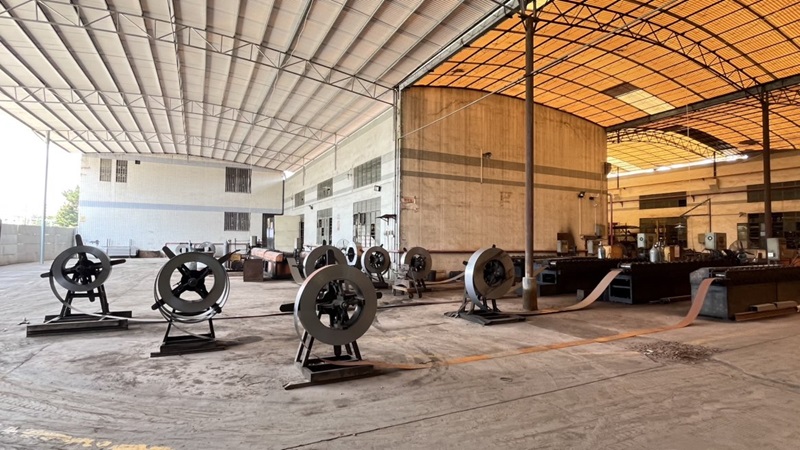
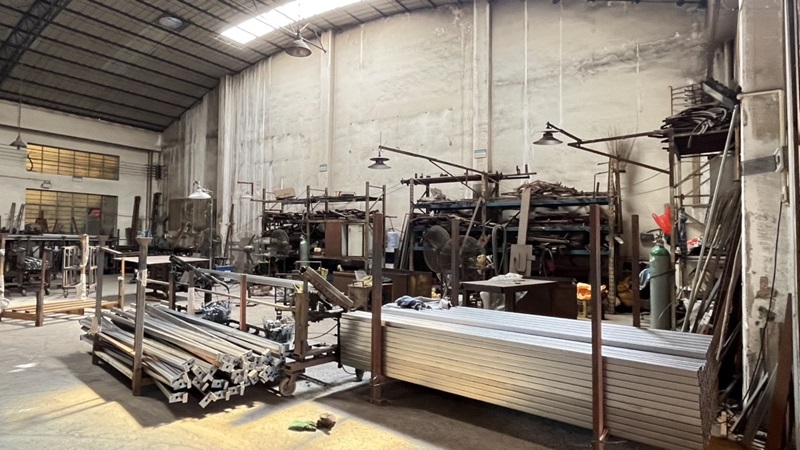
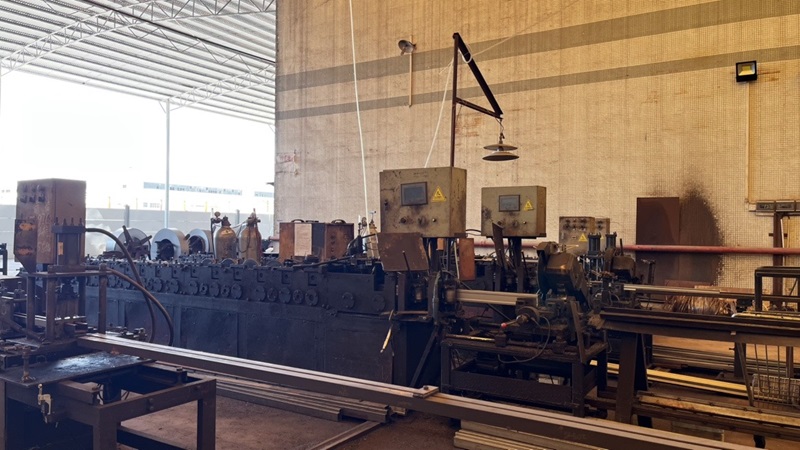
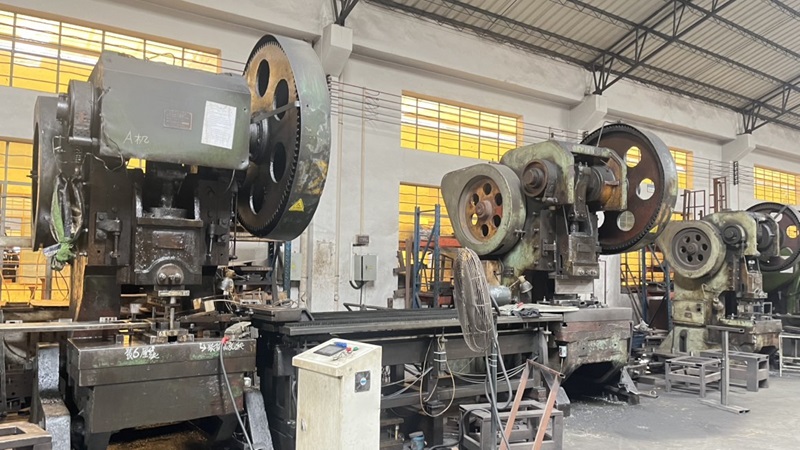
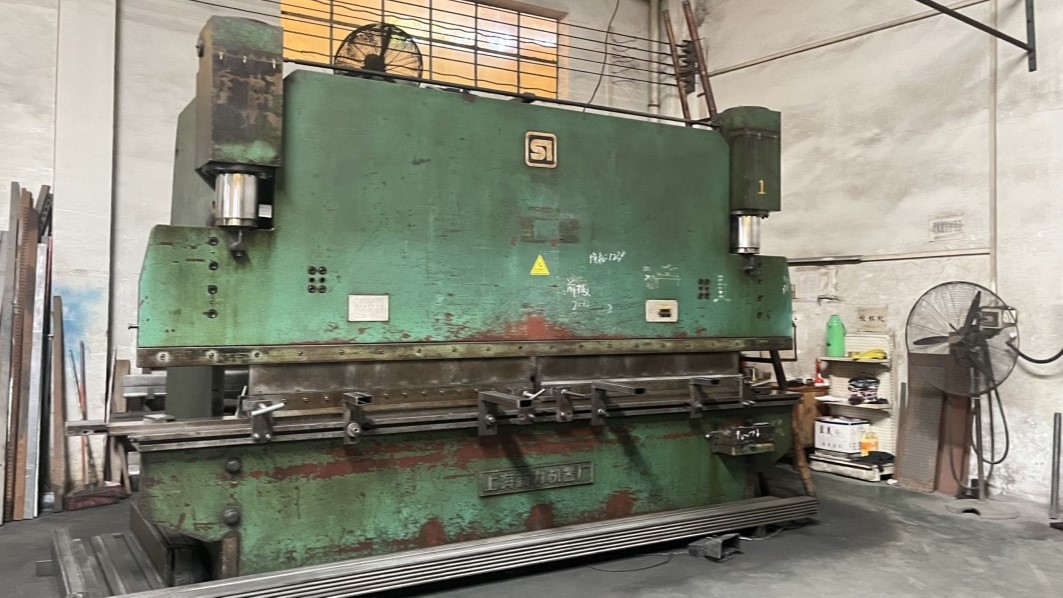
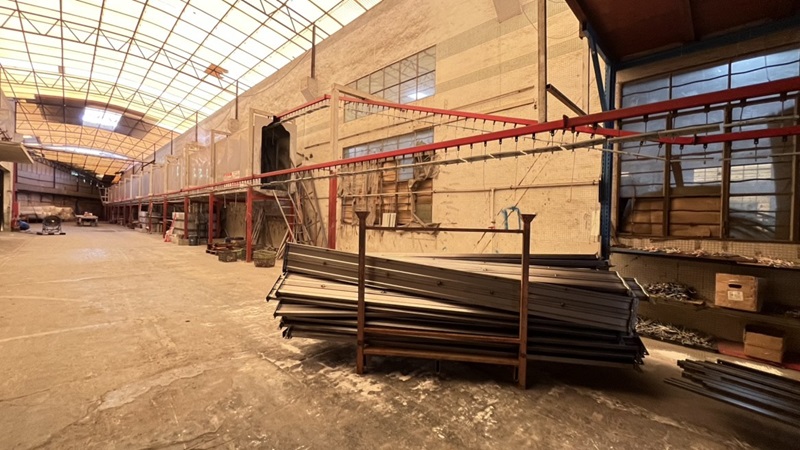
Kelida operates automated production systems designed to eliminate structural deviations and weld weaknesses. Quality control procedures are embedded at every production step. Under the supervision of 22 specialized Quality Control inspectors, raw structural steels like Q235B are subjected to rigorous tensile strength tests, automated ultrasonic weld checking, load limits verification, and ISO-standard chemical corrosion testing. This strict protocol guarantees that every batch leaving the factory meets international safety and regulatory codes.
Analyzing sourcing pain points and matching them with practical, localized warehouse configurations.
International warehouse operators, wholesale buyers, and third-party logistics (3PL) providers share three primary concerns: structural safety factors, component modularity, and corrosion resilience. For instance, high-humidity storage hubs in Southeast Asia require heavy galvanized finishes or thick powder coatings to prevent corrosion. Meanwhile, warehouses in seismically active areas like Western North America depend on racking systems designed to withstand seismic forces, using robust anchorage designs and certified steel grades.
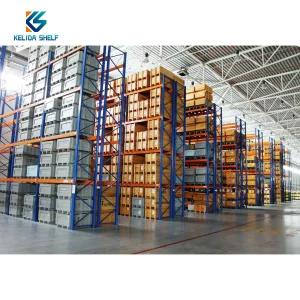
Our industrial racking systems are designed to address these distinct global needs. By utilizing high-grade, cold-rolled carbon steel, we guarantee load stability and structural resistance to frame fatigue. Whether setting up standard selective pallet configurations, high-density Drive-In setups, or automated gravity-flow systems, Kelida’s structural platforms adapt to diverse regional parameters, ensuring compliance with local engineering codes.
1. Third-Party Logistics (3PL) Distribution Hubs: These systems require flexible layouts to handle constantly changing goods. Adjustable steel racks allow operators to reposition beams to accommodate variable pallet sizes, maximizing slot efficiency.
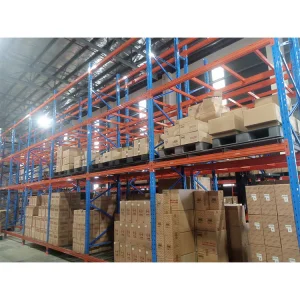
2. Industrial Manufacturing Facilities: Storage environments handling heavy castings, steel coils, and machinery components require strong static structures. Our 1000kg to 4000kg pallet racking provides the necessary load support and structural durability.
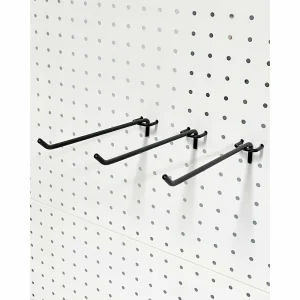
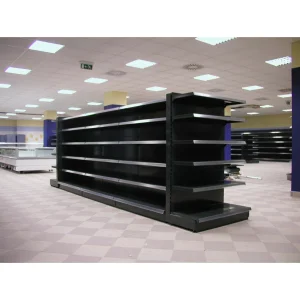
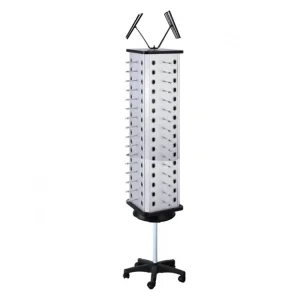
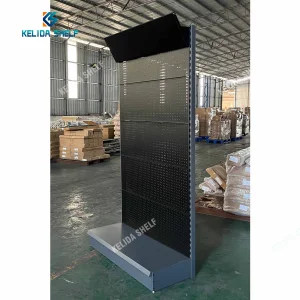
3. Automotive Spare Parts Depots: Storing heavy auto parts requires a mix of medium-duty longspan shelving and heavy-duty racks. Integrating pegboards, tool display hooks, and rotating racks helps organize components for fast access.
Technical insights on material specifications, safety standards, customizations, and logistics.
Heavy duty rack structures, custom retail pegboards, and industrial component storage units.
 Kelida Racking