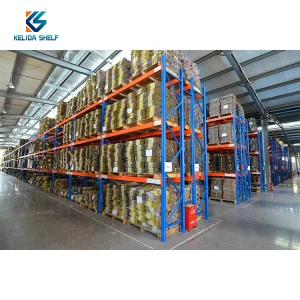
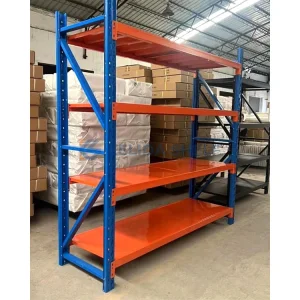
In an era defined by rapid SKU proliferation, complex multichannel logistics, and the necessity of immediate inventory access, the architectural integrity of bulk storage system design represents the cornerstone of operational profitability. Whether operating a Third-Party Logistics (3PL) fulfillment node, a heavy manufacturing facility, or a localized retail distribution center, selecting the right bulk storage industrial partner is a vital strategic decision.
As global companies shift toward high-density configurations to mitigate rising real estate costs, structural engineering standards, customizable loading parameters, and corrosion-resistance profiles have emerged as non-negotiable specifications. Ningbo Kelida Shelf Co., Ltd. addresses these complex challenges through dynamic engineering, bringing heavy-duty warehouse racking and industrial steel storage platforms designed to exceed international standards to the global market.
Securing heavy-duty bulk storage racks from a qualified Chinese supplier offers significant operational scaling advantages. However, top-tier value is only achieved through raw material stability and deep manufacturing automation. The Chinese industrial steel ecosystem, localized primarily around major export hubs like Ningbo, benefits from concentrated integration.
By collaborating with over 650 qualified raw material and component partners, Kelida guarantees uninterrupted raw structural steel supply (such as Q235B and Q355B cold-rolled steel grades) even during global market shifts.
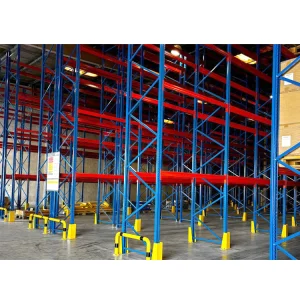
Engineered to support load capacities ranging from 1,000kg to over 3,000kg per level. Utilizing Finite Element Analysis (FEA) to simulate localized seismic events, wind loads, and frame buckling thresholds.
Finished with automated electrostatic powder coating systems. Ensures long-term corrosion resistance, mechanical impact deflection, and meets rigorous safety protocols in sub-zero cold storage operations.
By manufacturing within a centralized infrastructure, lead times are compressed, enabling rapid customized engineering design-to-delivery cycles. The ultimate benefit is structural resilience that complies with RMI (Rack Manufacturers Institute) and FEM structural standards while keeping capital expenditures highly competitive.
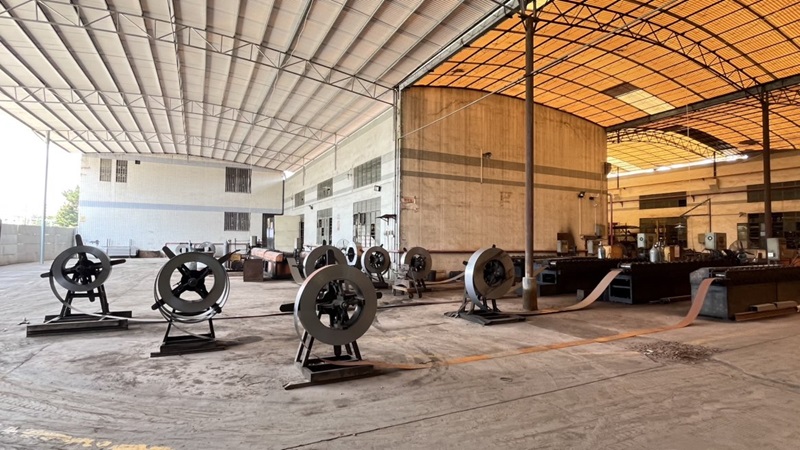
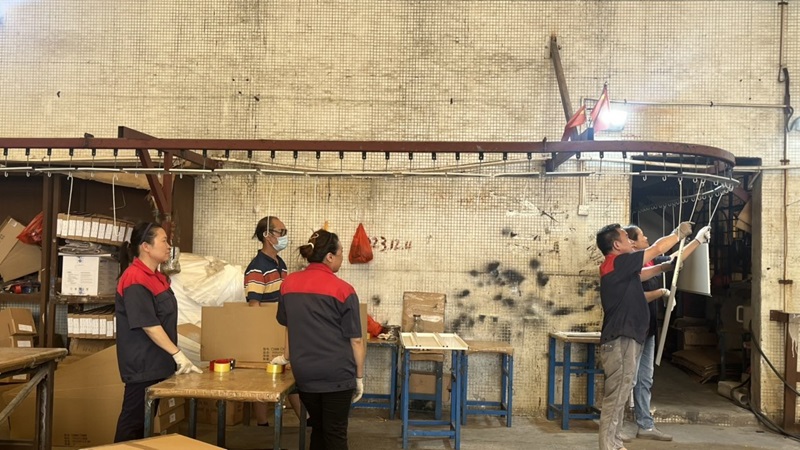
Every system developed by Ningbo Kelida Shelf Co., Ltd. undergoes a structured, multi-stage production sequence. Quality assurance is embedded directly into the production line. From raw steel tensile validation to robotic welding inspections, every post, beam, and diagonal brace is built for zero-defect field installation.
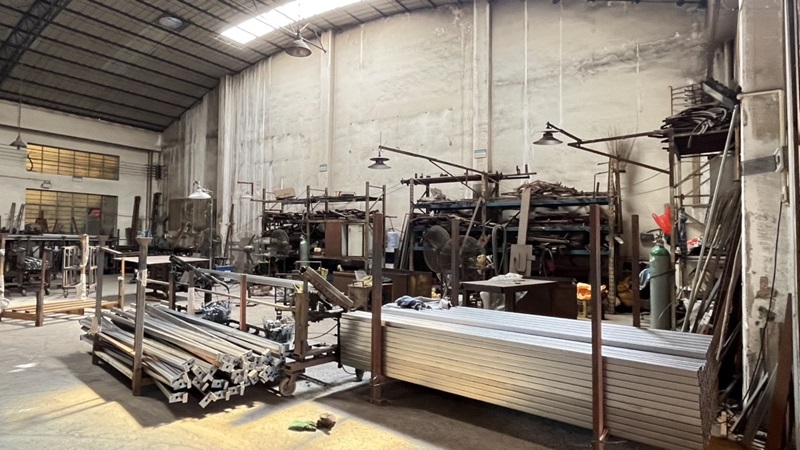
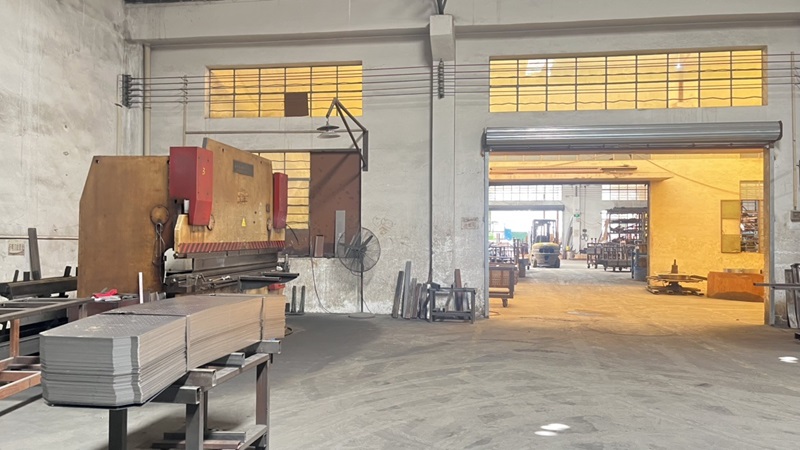
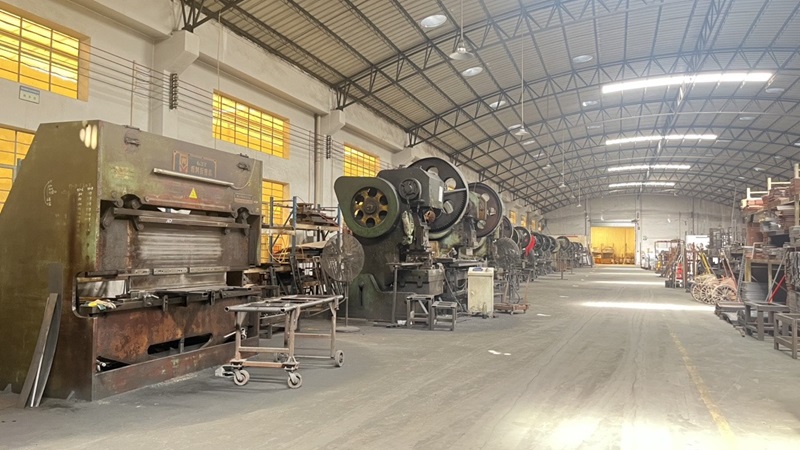
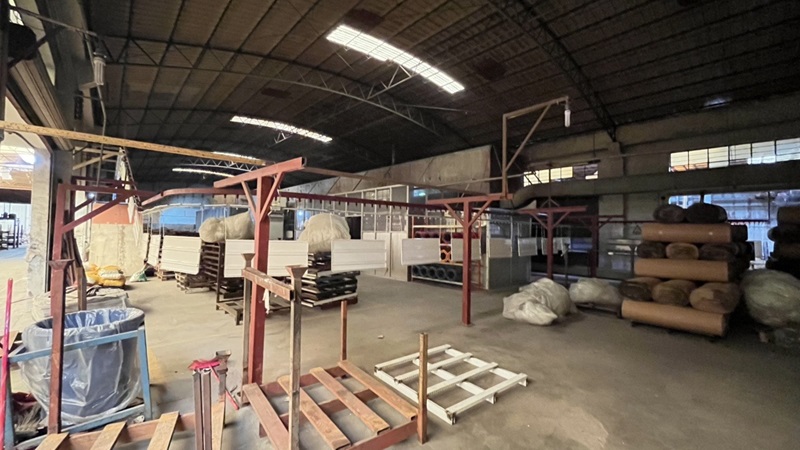
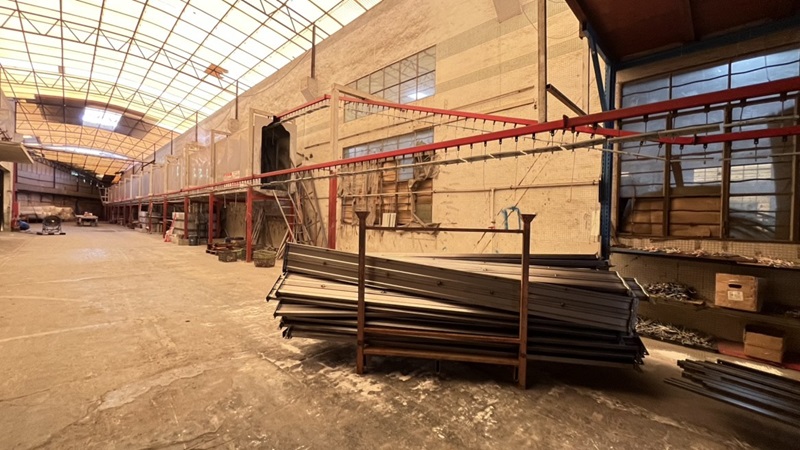
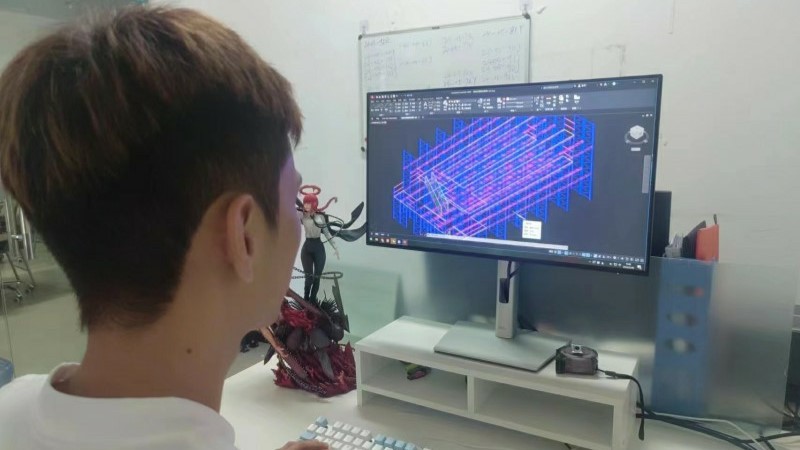
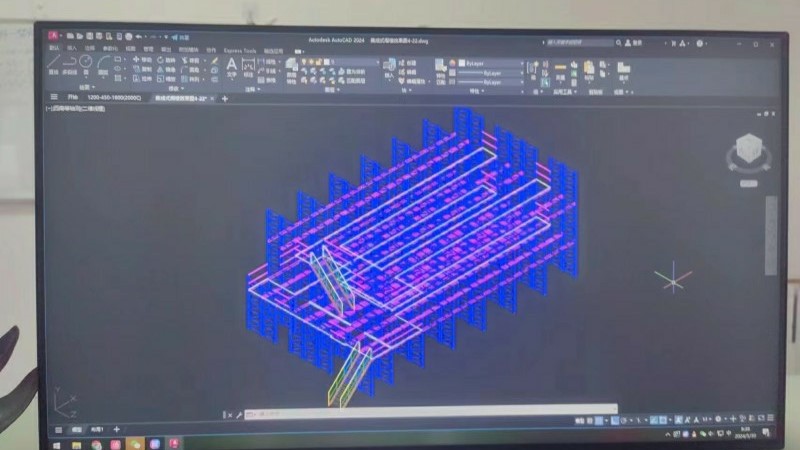
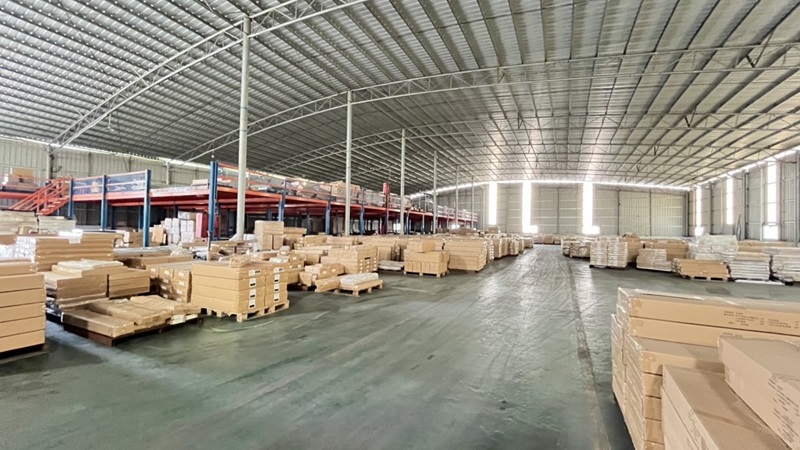
Deploying structural racking is not merely a purchase of steel; it is an integration of complex civil engineering inside localized building jurisdictions. Every country enforces distinct structural compliance parameters. In the United States, rack designs must strictly conform to ANSI MH16.1 (RMI), including strict seismic design categories (SDC) dictated by localized USGS maps. For European installations, compliance with EN 15512 / FEM 10.2.02 is required, mandating specific structural safety factor calculations.
Kelida resolves local compliance challenges by delivering detailed calculation books with FEA output parameters tailored to the regional coordinates of the installation site. Additionally, our global partnership model ensures access to certified local installation crews who manage municipal permitting, safety inspections, and third-party professional engineer (PE) structural stamps.
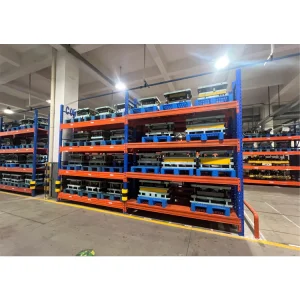
Bulk storage requires varying product profiles based on the storage application. The following high-density warehousing configurations show how Ningbo Kelida translates physical variables into custom structural layouts:
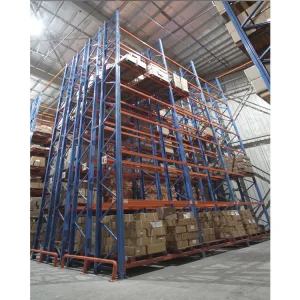
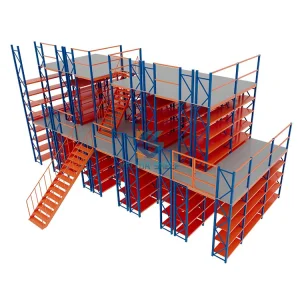
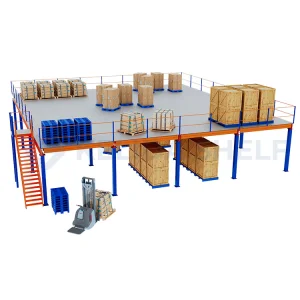
Focuses on high-turnover throughput. Uses multi-level mezzanine racking systems that expand vertical pick faces, tripling active storage volume without expanding the warehouse footprint.
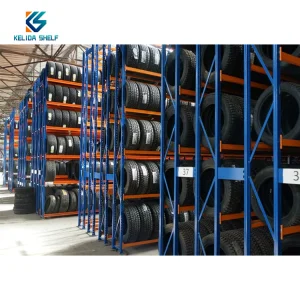
Heavy, bulky, dynamic cargo require specialized storage solutions. Heavy-duty tire racking systems ensure optimal weight distribution, stopping rubber deformation and simplifying crane access.
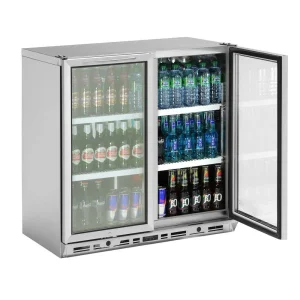
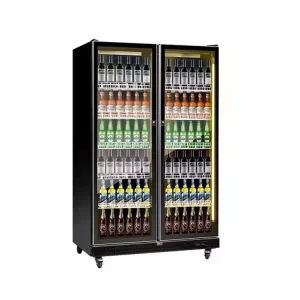
Requires stainless steel displays, food-safe shelving finishes, and corrosion-resistant profiles that can withstand damp, low-temperature environments (-30°C) without losing load-bearing strength.
The global logistics landscape is transitioning toward automated material handling. Standard static selective racks are adapting to interface with Automated Storage and Retrieval Systems (AS/RS), automated guided vehicles (AGVs), and autonomous mobile robots (AMRs).
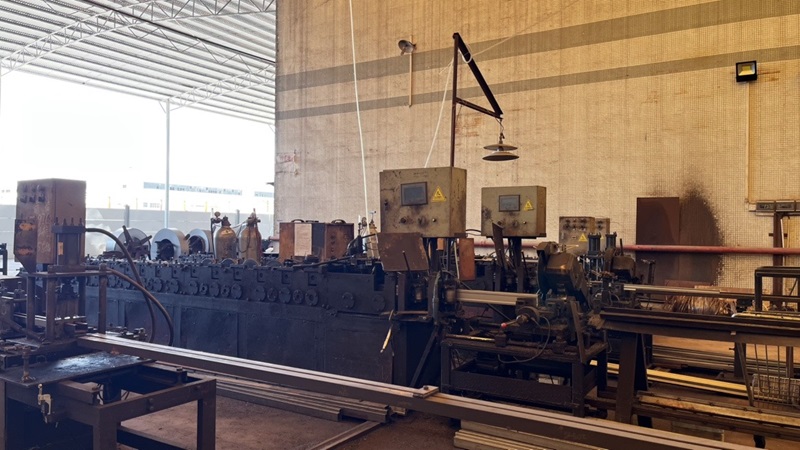
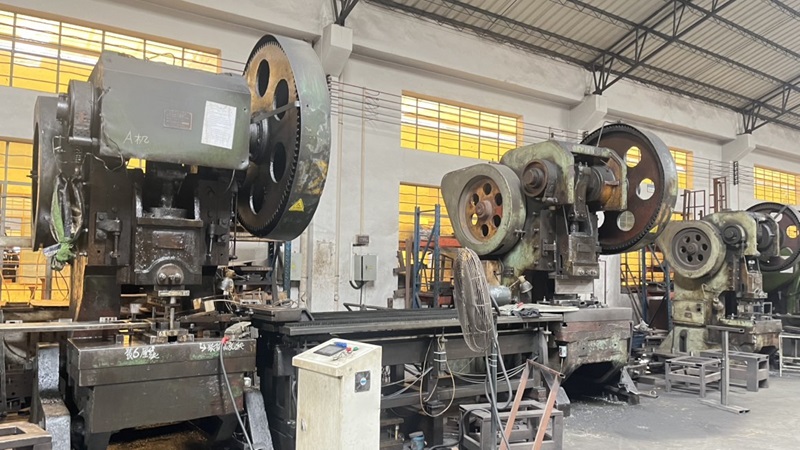
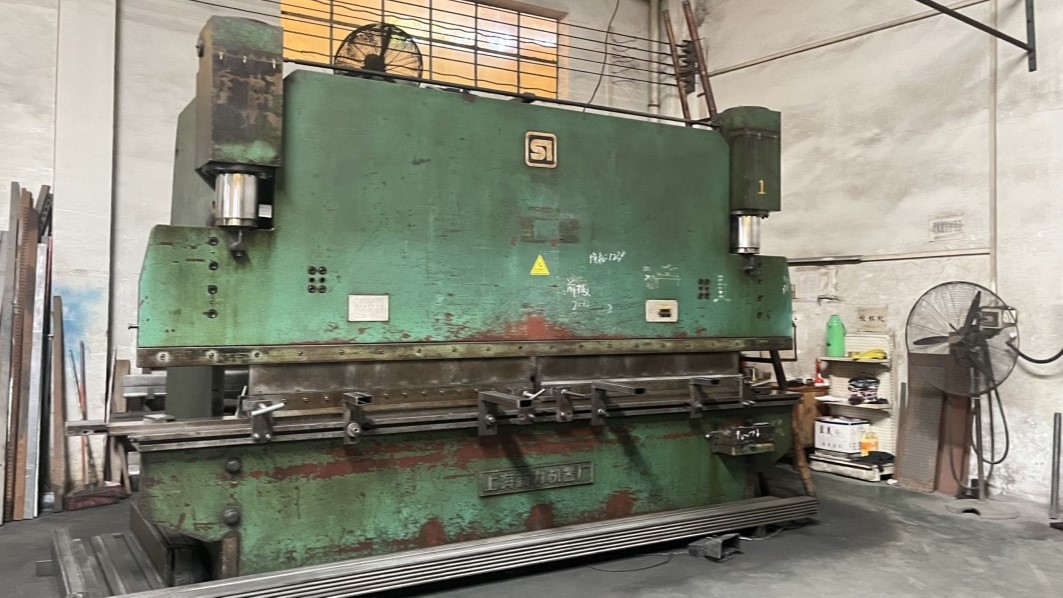
To support these integrations, structural engineering must meet extremely tight alignment tolerances. A deflection variation of just a few millimeters could trigger a sensor shutdown in an automated crane corridor. By utilizing CNC laser-cutting systems, advanced roll-forming machinery, and automated robotic welding arms, Kelida maintains the precise tolerances required for seamless automation compatibility.
 Kelida Racking