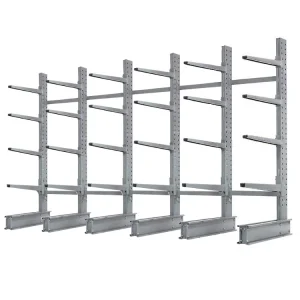
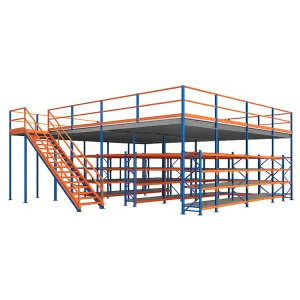
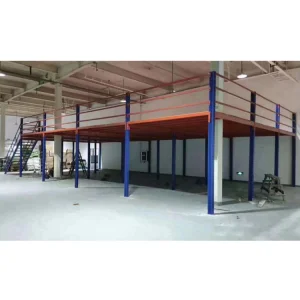
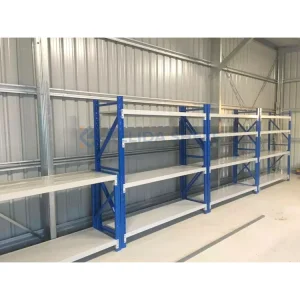
Discover our highly customized commercial refrigeration lines and structural industrial platforms designed for space optimization.
Unlocking unparalleled warehousing efficiency through high-density logistics automation
In the contemporary industrial ecosystem, global supply chains are facing an unprecedented squeeze. Land prices in prime manufacturing and logistical hubs continue to skyrocket, labor costs are surging globally, and customer expectations for fast, error-free fulfillment are higher than ever. These macroeconomic pressures have pushed traditional static racking systems to their limits. Modern operations can no longer afford to waste up to 60% of their floor footprint on empty access aisles. This is where automated high-density warehouse solutions, specifically the 4-Way Radio Shuttle Storage System (AS/RS), change the game.
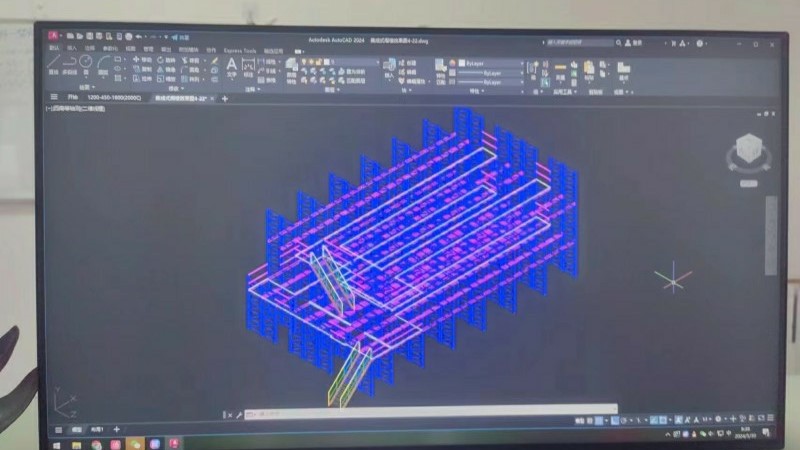
A 4-way shuttle is an autonomous, intelligent vehicle capable of moving on both longitudinal (X-axis) and transverse (Y-axis) rails inside a high-density racking grid. Powered by lithium batteries or supercapacitors and coordinated by central Warehouse Control Systems (WCS), these shuttles communicate via industrial Wi-Fi networks to transport pallets directly to their designated storage cells. By combining the flexibility of horizontal travel with vertical lifters, the 4-way shuttle system offers a modular, highly scalable alternative to traditional automated storage and retrieval systems (AS/RS).
Unlike standard racking configurations that require wide aisles for forklift maneuvers, a 4-way shuttle setup stores goods in a dense, continuous matrix. This can increase storage capacity by up to 200% over standard pallet racking, turning dead warehouse height and floor space into highly active revenue zones.
Unlike fixed-crane AS/RS systems where failure of a crane shuts down an entire aisle, 4-way shuttle fleets can scale dynamically. If throughput requirements increase, businesses simply add more shuttles to the existing grid. If one shuttle requires maintenance, other units automatically reroute to cover the workflow.
4-way shuttles are significantly lighter than heavy stacker cranes, requiring far less electrical energy per pallet movement. The system utilizes kinetic energy recovery systems (KERS) during deceleration and descent, drastically lowering overall industrial carbon footprints.
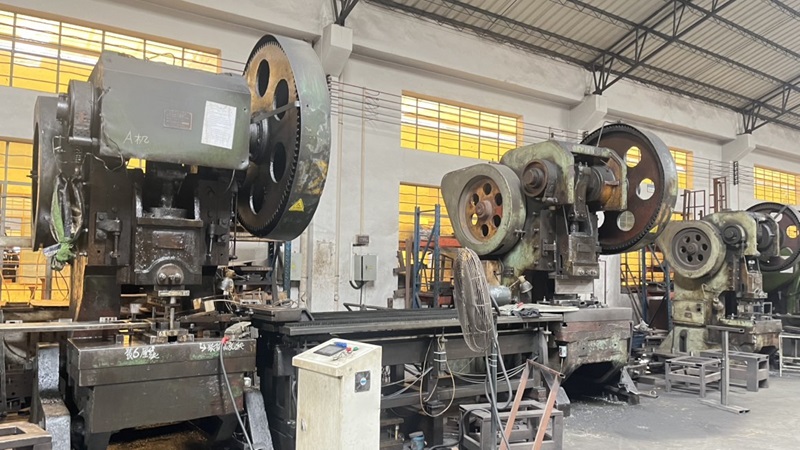
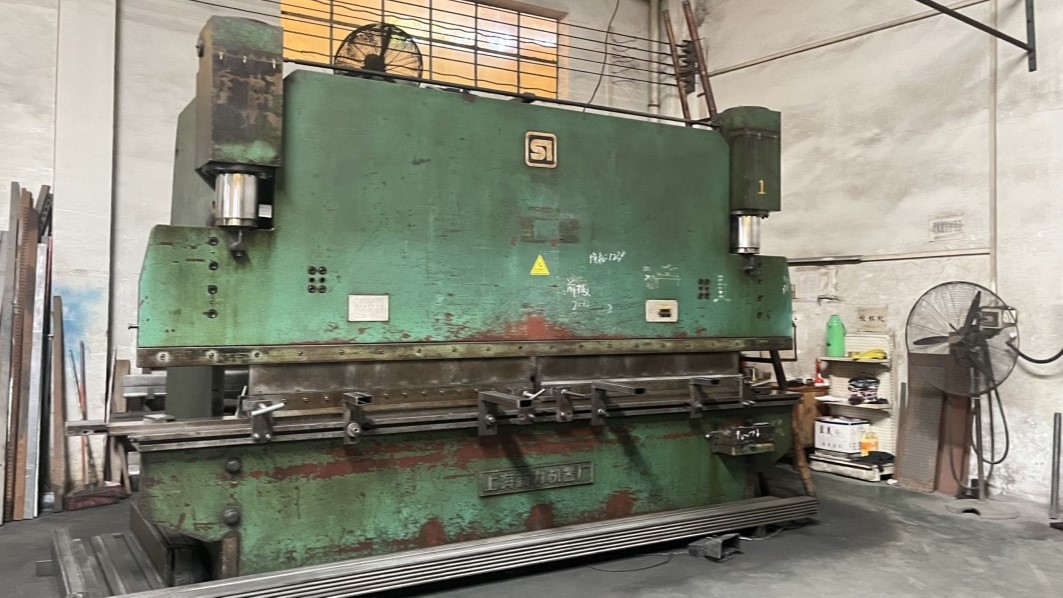
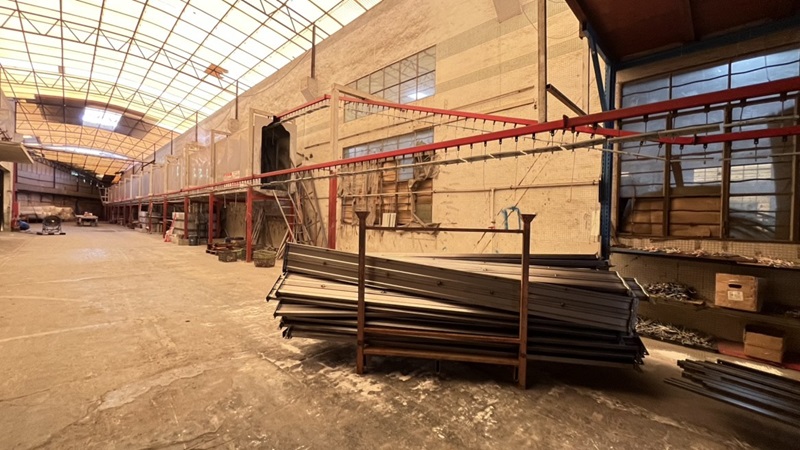
Founded in 2014, Ningbo Kelida Shelf Co., Ltd. has established itself as an elite, global manufacturer of high-performance industrial warehouse racking and heavy-duty storage shelving. Running a modern facility spanning over 28,000 square meters, we integrate 12 years of core industry engineering experience with 8 years of seamless international trade execution. Kelida's robust global operations now yield over $18 million in annual export revenue.
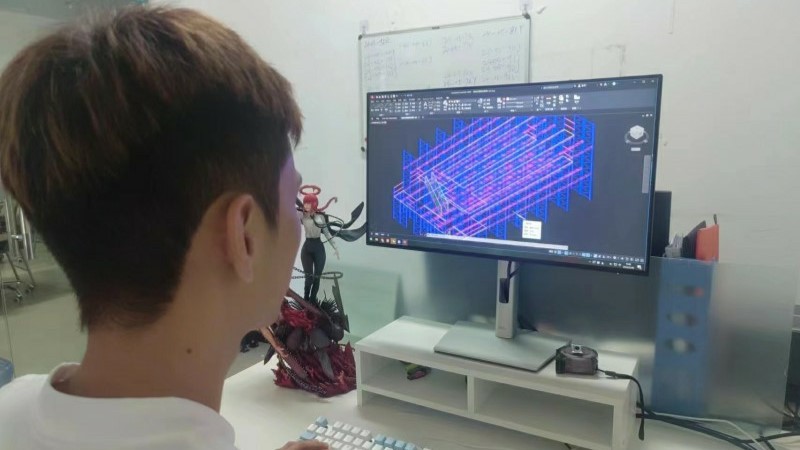
Our operation is built on strong R&D innovation. We employ an elite team of 15 structural engineers who successfully launched 35 new, cutting-edge storage products last year alone. Our supply chain leverages relationships with over 650 qualified raw material and component partners to keep lead times short and pricing highly competitive. With a team of 22 dedicated QC specialists, we enforce strict inspections—including raw material tensile testing, automated weld inspection, dynamic load testing, and salt-spray corrosion tests—to ensure every racking frame meets local and international safety standards.
Developing high-density shuttle racking systems requires micro-millimeter tolerance levels. Because 4-way shuttles travel at speeds up to 1.5 m/s inside the racking channels, structural deflection, rail alignment, and leveling must be exact. Kelida integrates raw structural expertise with high-precision manufacturing processes to construct stable, long-lasting racking networks.
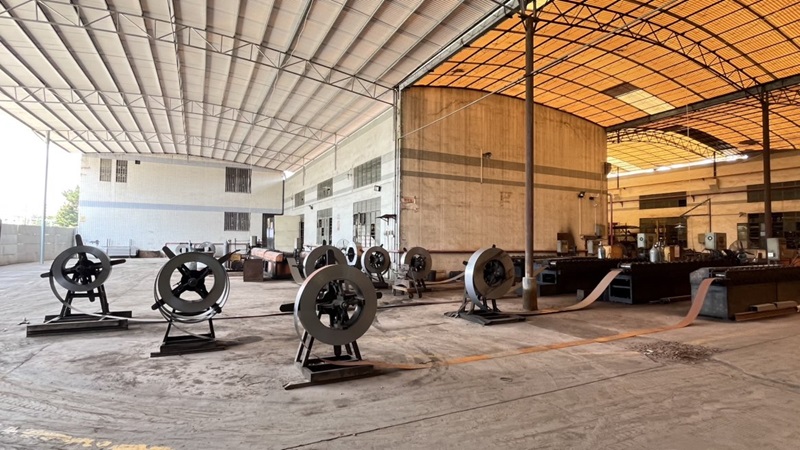
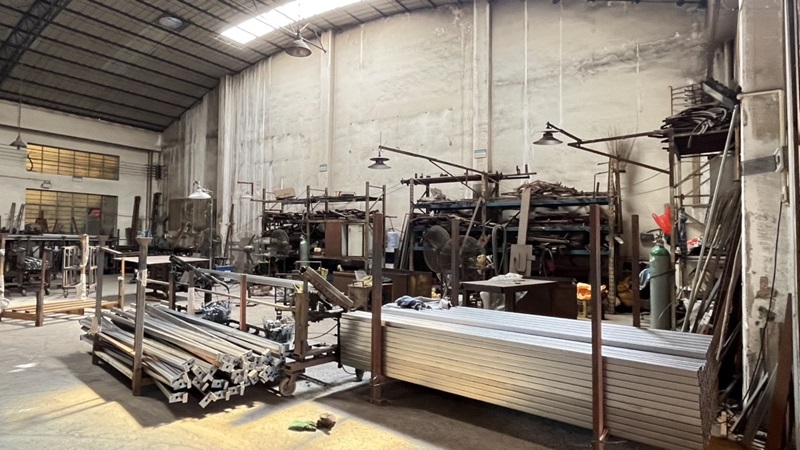
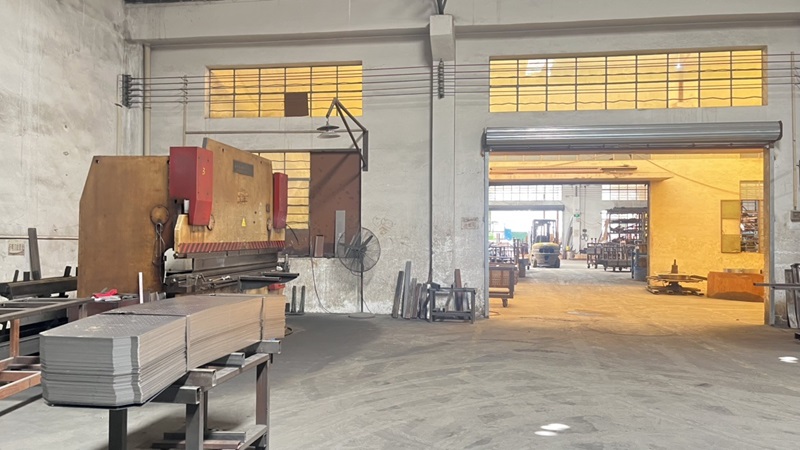
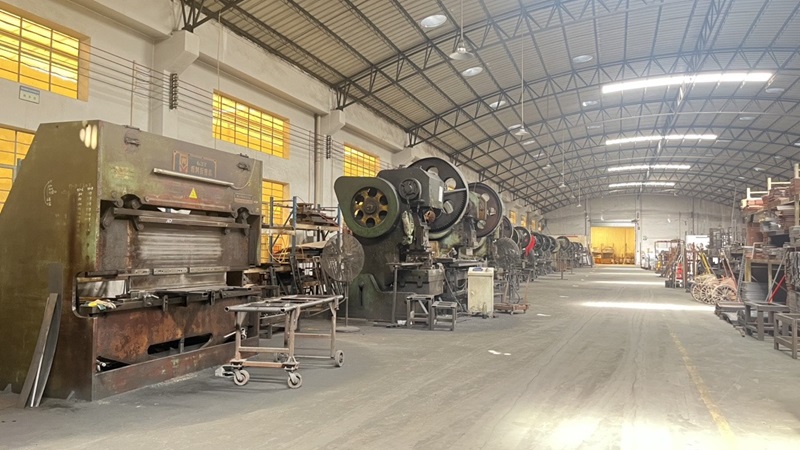
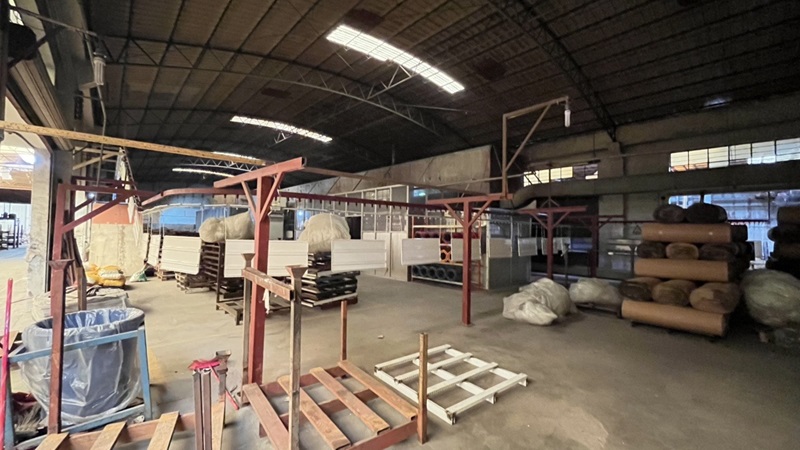
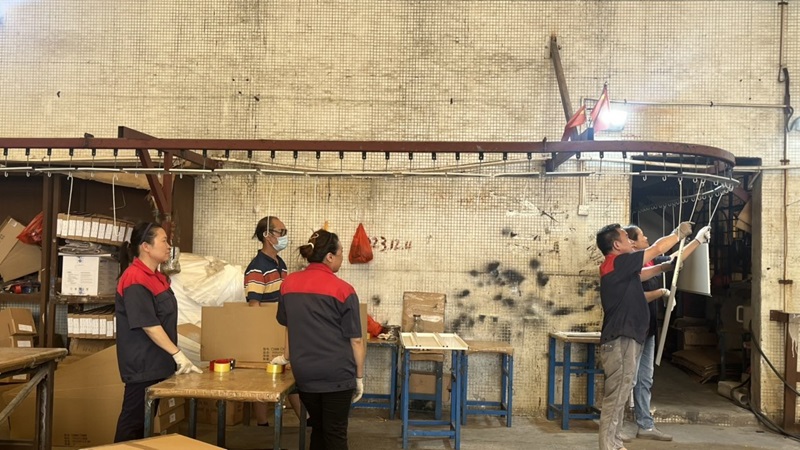
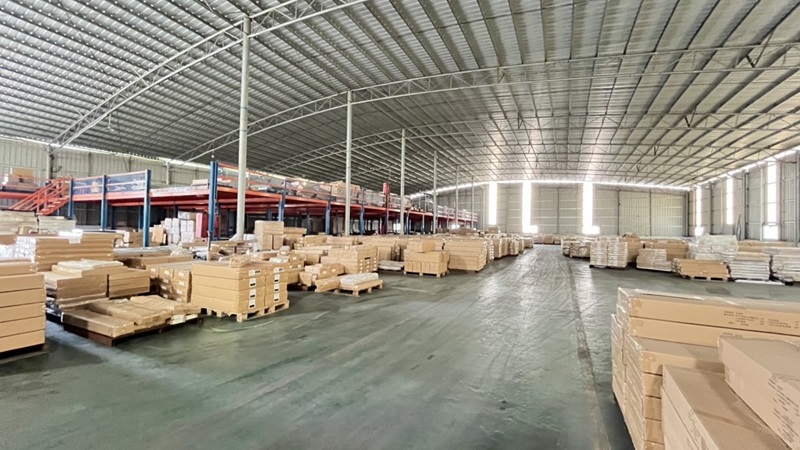
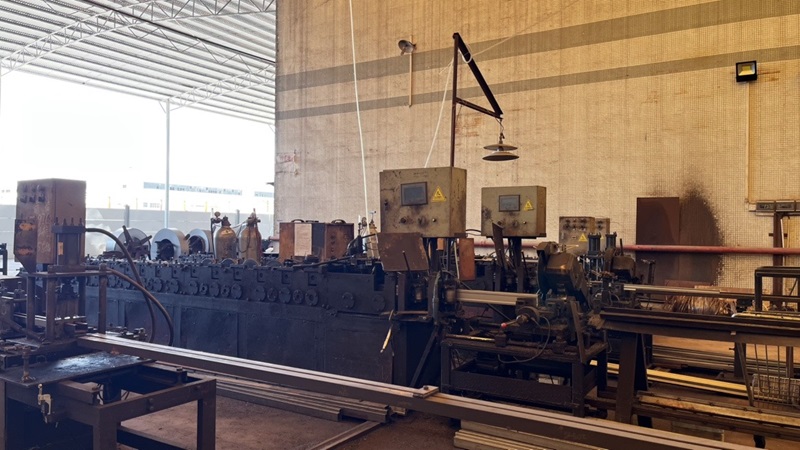
An objective engineering overview to help operations directors choose the right AS/RS architecture.
| Feature / Parameter | 4-Way Radio Shuttle AS/RS | 2-Way Shuttle (Radio Shuttle) | Traditional Stacker Crane AS/RS |
|---|---|---|---|
| Space Utilization Rate | Excellent (Up to 90% footprint utilization) | Good (Semi-automated block storage) | Moderate (Requires dedicated wide crane aisles) |
| Ceiling & Height Flexibility | Flexible (Works in low, high, and irregular heights) | Good (Restricted by forklift reach heights) | High (Optimized for structures above 20 meters) |
| System Redundancy | Maximum (Single shuttle failure does not halt the system) | Moderate (Depends heavily on forklift availability) | Low (A crane breakdown takes an entire block offline) |
| Energy Consumption | Low (Small vehicles, localized power storage) | Low (Minimal vehicle weight) | High (Large, heavy cranes accelerating constantly) |
| Initial Capital Investment | Moderate-High (Saves on civil engineering costs) | Low-Moderate (Excellent entry point) | Very High (Heavy foundations and complex structures) |
Across North America and Western Europe, warehousing has shifted rapidly toward automation due to rising labor costs. In these regions, 4-way shuttles are frequently deployed in cold-chain logistics, as refrigerated volume is incredibly expensive to cool and maintain. Maximizing storage density in temperature-controlled spaces significantly reduces thermal loss and operating costs.
In Southeast Asia and the Middle East, rapid e-commerce expansion has made rapid pallet throughput critical. Companies are integrating 4-way shuttles with high-speed vertical elevators to establish fast, multi-level fulfillment hubs near urban centers, minimizing delivery times.
Engineered reliability that meets and exceeds international safety certifications.
Every batch of steel undergoes raw material tensile testing to confirm yield strength. Automated weld inspections verify physical structural integrity, while salt-spray testing measures powder coating longevity under corrosive conditions. Real-world dynamic load testing confirms calculated deflection performance before shipping.
Our structural designs comply with FEM (European Federation of Materials Handling) standards, RMI (Rack Manufacturers Institute) specifications in North America, and Australian AS4084-2012 codes. This makes Kelida systems ready for international approval inspections.
Through our global network of integration partners, Kelida provides complete layout engineering, commissioning, and on-site support. This setup ensures that your automated systems run with minimal downtime during deployment.
How AI-driven logistics, intelligent scheduling, and greener power are shaping the warehouse of tomorrow.
Next-generation 4-way systems use machine learning to predict stock movement. The software proactively moves fast-turnover pallets closer to extraction points during downtime, reducing cycle latency by up to 35%.
Upgrading from lithium batteries to advanced supercapacitors allows shuttles to fully recharge in under 10 seconds during elevator travel, enabling continuous, multi-shift operation without dedicated charging downtime.
By collecting sensor data on vibration, wheel wear, and battery status, cloud-based monitoring tools predict component wear before failure, minimizing unplanned maintenance down to near zero.
Answers to common structural, financial, and integration questions about 4-way shuttle technology.
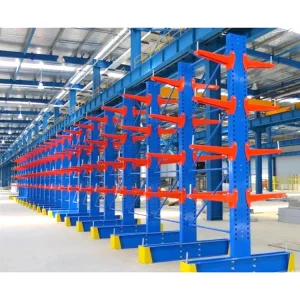
Heavy-duty structural storage configurations built to withstand heavy industrial wear.
 Kelida Racking