Explore our top heavy-duty racking models engineered from premium Q235 structural steel, designed for maximum warehouse volumetric utilization and heavy loading capacities.
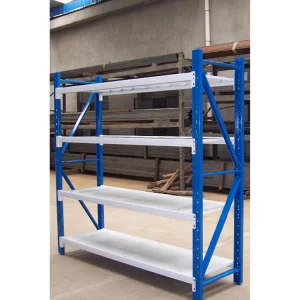
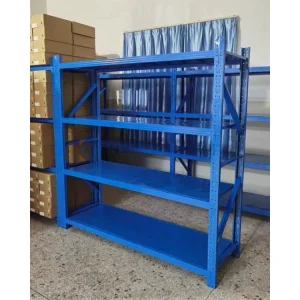
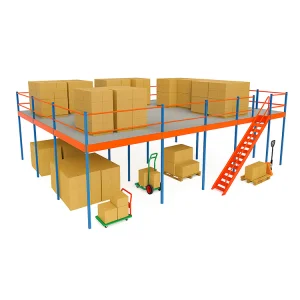
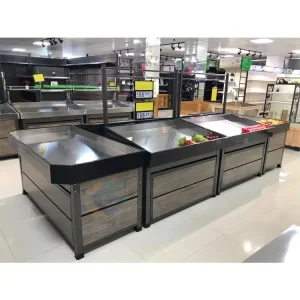
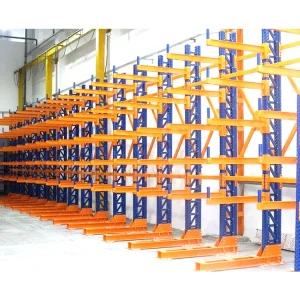
The storage logistics framework is transitioning from primitive modular shelving to high-density, vertical warehouse organization. Modern supply chains require dynamic structural solutions capable of supporting massive operational stress.
The global storage market is experiencing structural reconfiguration. Modern warehouses, distribution centers, and commercial retail operations require systems that go beyond standard cube storage. Industrial facilities now prioritize heavy-duty boltless racking, cantilever structures for long-profile items, and high-load mezzanine platforms to optimize vertical space.
Key drivers behind this development include the exponential expansion of e-commerce distribution centers, third-party logistics (3PL) models, and automated warehouse environments. Standard configurations must now support structural integration, corrosion resistance, and high safety margins. Selecting a manufacturer that integrates design, custom load profiling, and raw material validation has become essential for operational success.
Off-the-shelf shelving systems often fail to meet structural requirements for localized loading tolerances, seismic codes, or specific environmental demands (such as cold storage or chemical exposure). Highly qualified manufacturers provide custom engineering calculations, structural optimization via finite element analysis (FEA), and specialized surface treatments like electrostatic powder coating to ensure safety and system longevity.
Delivering advanced engineering, vertically integrated manufacturing, and strict quality assurance protocols to commercial and industrial partners worldwide.
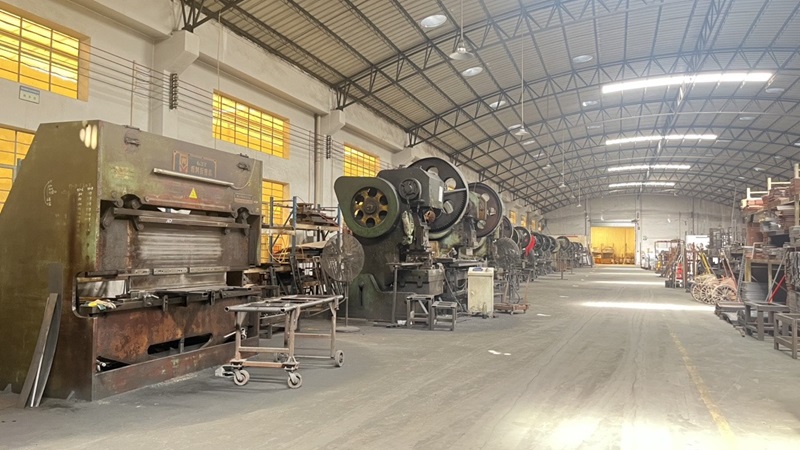
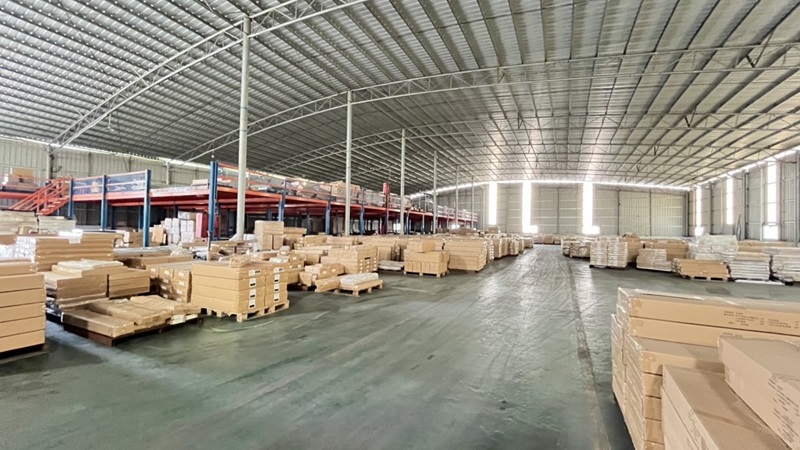
Established in 2014, Ningbo Kelida Shelf Co., Ltd. is a leading manufacturer specializing in industrial warehouse racking and heavy-duty storage shelving solutions. Operating a modern manufacturing facility spanning 28,000 square meters, Kelida is backed by 12 years of industry experience and 8 years of international trade expertise. The enterprise has grown into a trusted global partner, achieving an annual export revenue exceeding $18 million.
"Driven by strong innovation, our experienced R&D team of 15 structural engineers released 35 new storage products last year. We offer complete customization options, including tailored load capacities, dynamic warehouse layouts, custom dimensions, and corrosion-resistant powder coatings. Our integrated supply chain network collaborates with over 650 qualified raw material and component partners, ensuring seamless production cycles and competitive pricing."
Quality control is embedded in every stage of our operations. Supported by a dedicated quality assurance team of 22 QC specialists, we implement rigorous inspection procedures—including raw material tensile testing, automated weld inspection, dynamic load capacity verification, and salt-spray corrosion testing—to guarantee that every rack meets international safety standards.
As an export-oriented enterprise, our primary markets cover North America, Western Europe, Southeast Asia, and the Middle East. We proudly serve a diverse client base, including third-party logistics (3PL) providers, industrial manufacturing plants, e-commerce distribution hubs, and commercial wholesale distributors. Through high-durability products and reliable engineering support, Ningbo Kelida Shelf Co., Ltd. remains committed to optimizing warehouse efficiency for businesses worldwide.
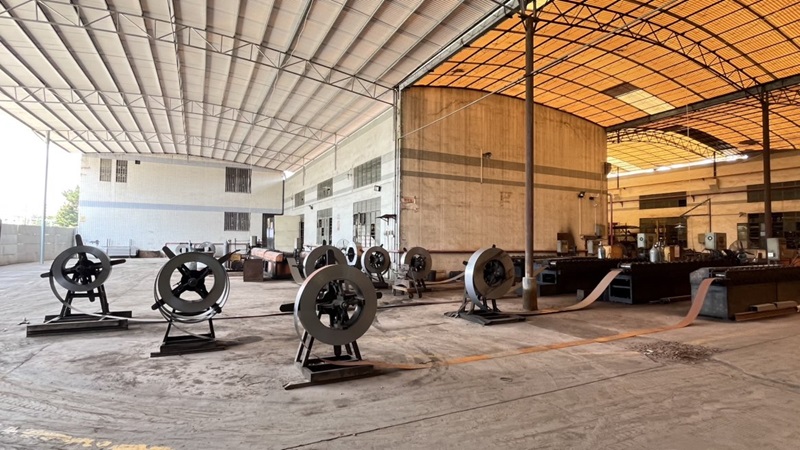
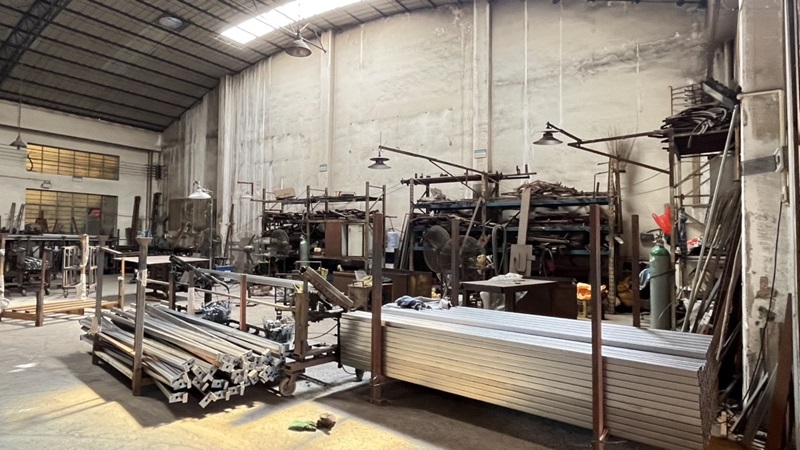
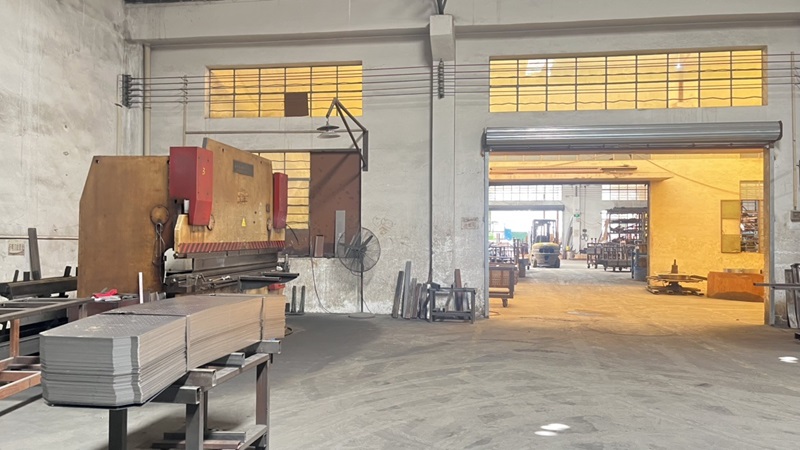
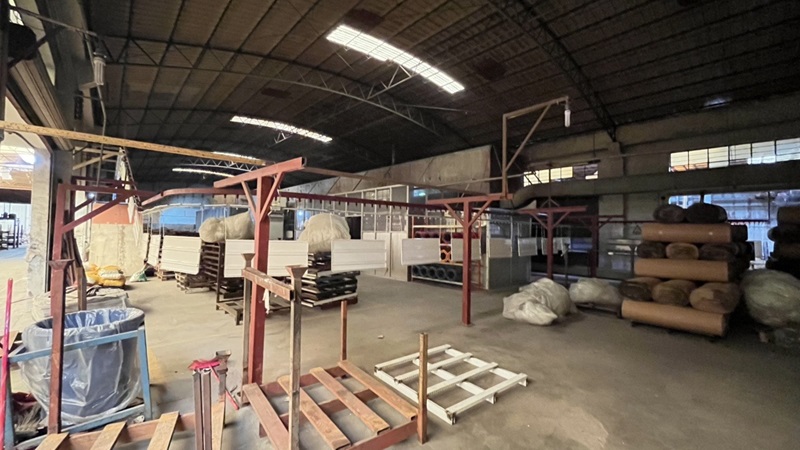
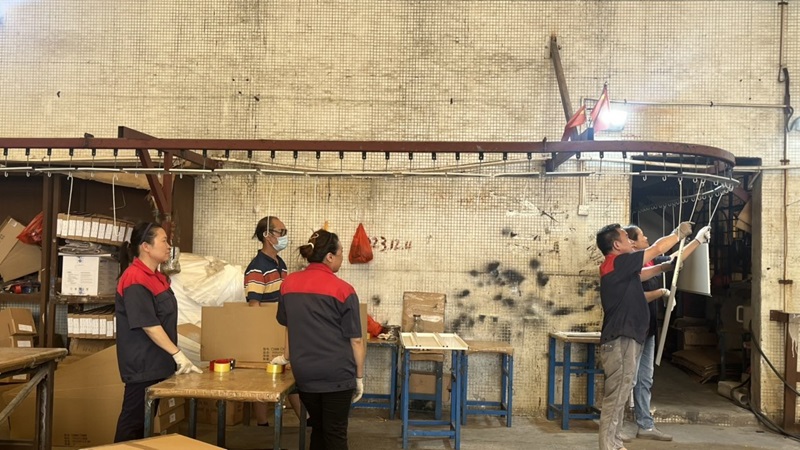
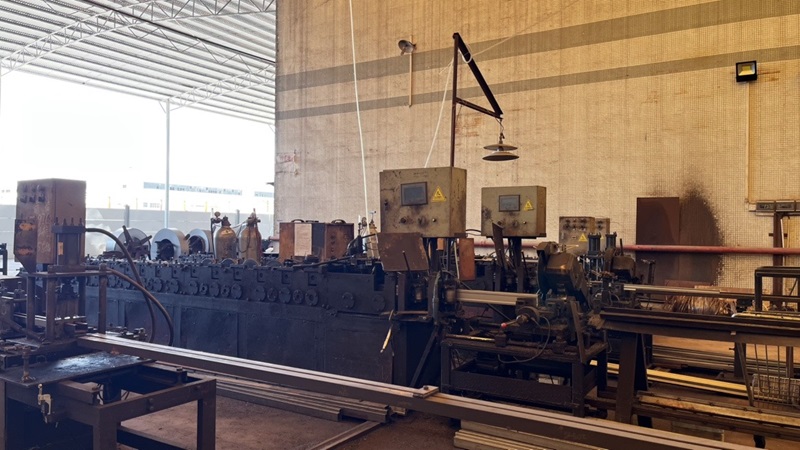
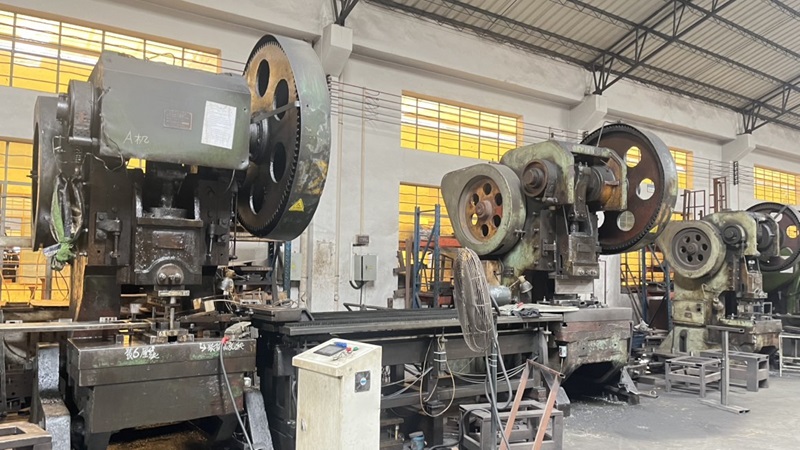
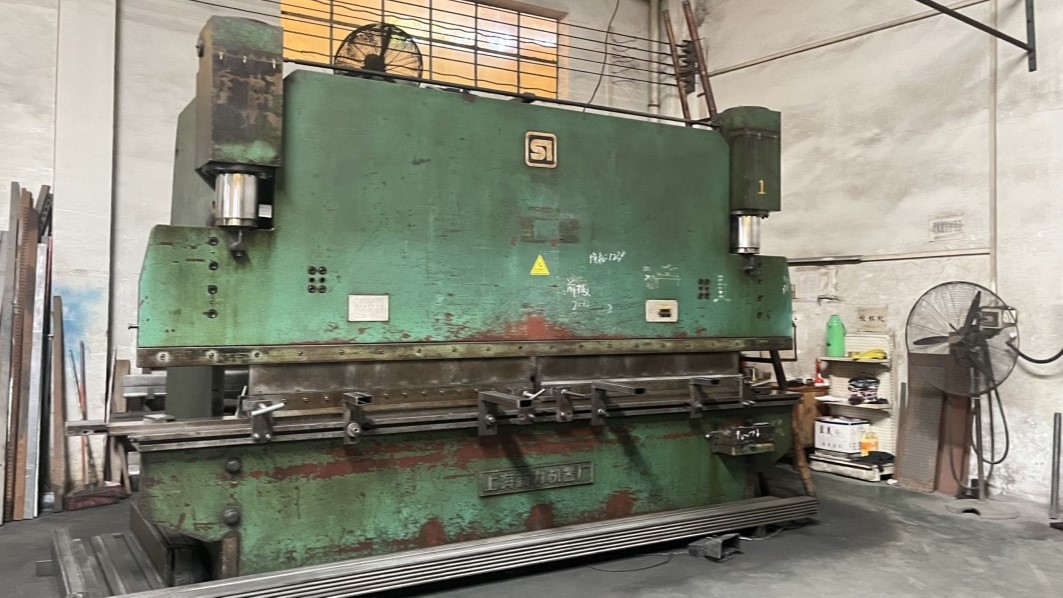
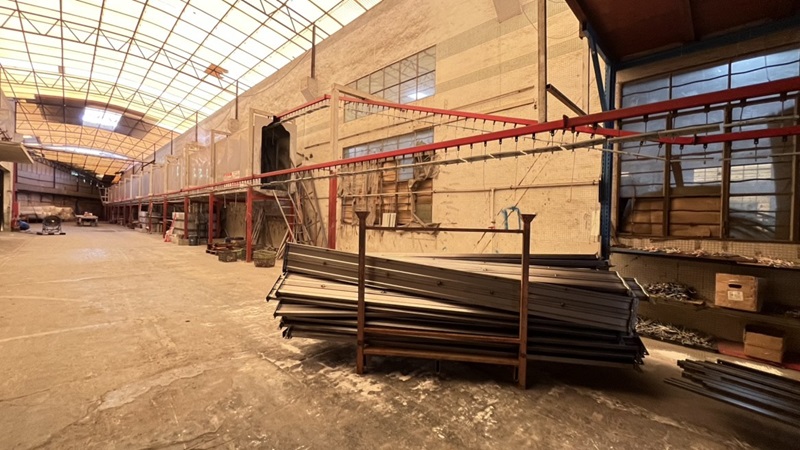
An inside look at our advanced manufacturing lines. We combine automated processing machinery, strict structural welding standards, and modern powder coating technologies to ensure durable performance.
Understanding structural grades, steel qualities, and surface treatments is critical for making informed industrial purchase decisions.
Industrial racking systems require raw materials with high yield strengths. Ningbo Kelida utilizes high-grade Q235 structural steel. Q235 exhibits excellent weldability, ductility, and tensile strength, making it ideal for support structures subjected to static and dynamic loads.
Additionally, cold-rolled forming processes shape this steel into precise rack profiles, ensuring uniform thickness and optimal load distribution across all support points.
To resist moisture, abrasion, and environmental elements, every racking profile undergoes multi-stage chemical pretreatment, followed by electrostatic powder deposition and high-temperature curing. This process yields a hard, non-porous surface finish that prevents rust and corrosion, even in high-humidity commercial or industrial environments.
Every production batch undergoes a series of mandatory quality tests to ensure compliant, reliable field performance:
From fulfillment centers to wholesale markets, storage requirements vary by industry. Here is how modern modular and heavy-duty racking systems are deployed in key sectors:
High-density mezzanines and boltless shelving units maximize picking speed and vertical volume, supporting rapid inventory turnover.
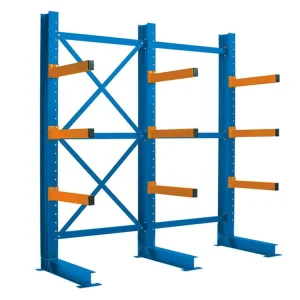
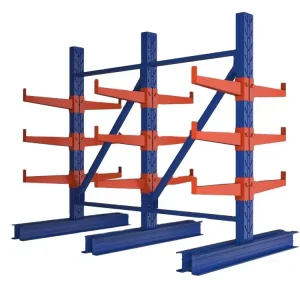
Cantilever racks provide unobstructed, secure support for storing bar stock, heavy tubing, pipes, and bulk lumber.
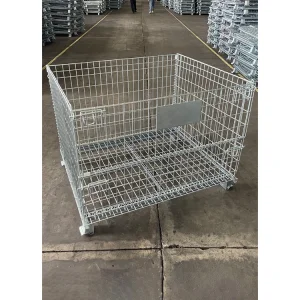
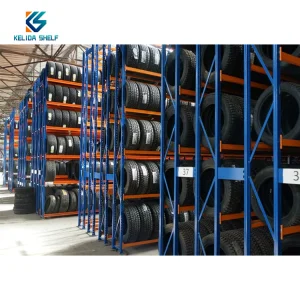
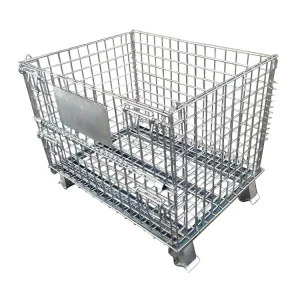
Specialized tire racks and wire mesh container cages protect vehicle parts while streamlining handling and transport.
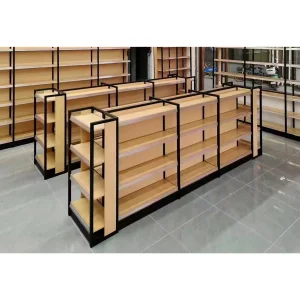
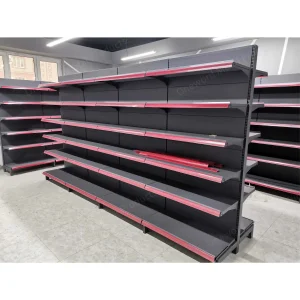
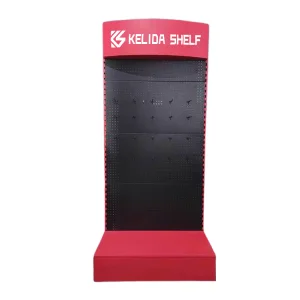
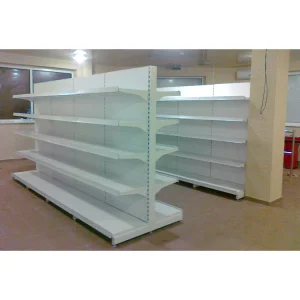
Gondola shelving and steel-wood retail displays present products clearly to customers while providing structural stability.
Review our range of heavy-duty material handling equipment, space-saving cantilever racks, and commercial store fixtures built to withstand daily use.
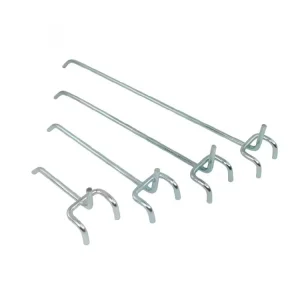
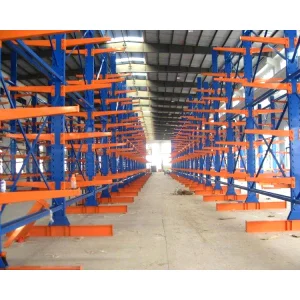
Ensure your warehousing investment is reliable, durable, and cost-efficient by following this engineering framework.
Review the mill sheets for the raw steel used in production. Top-tier manufacturers provide certification for structural carbon steel (such as Q235 or equivalent ASTM grades), ensuring the material can support high-load configurations.
A racking system's safe working load depends on its beam deflection limit. Under full load, the deflection should not exceed L/200 (length of beam divided by 200) to ensure structural safety and prevent fatigue.
A reliable facility maintains ISO 9001 certification and has experienced welding personnel. Automated robotic welding systems help ensure consistent joint strength across all production batches.
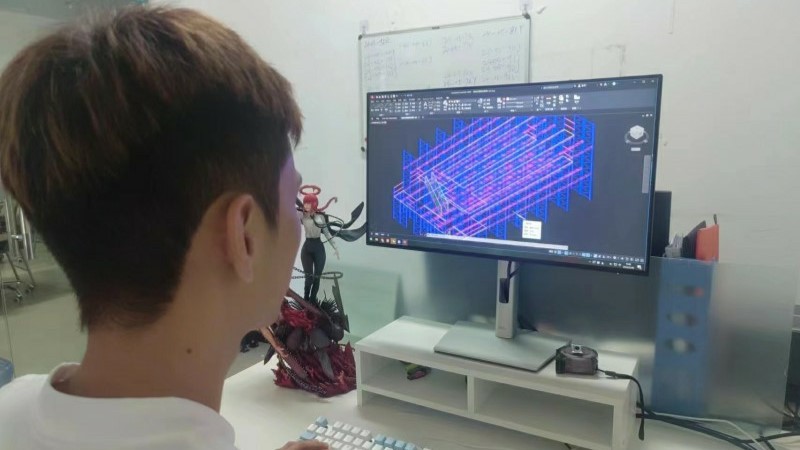
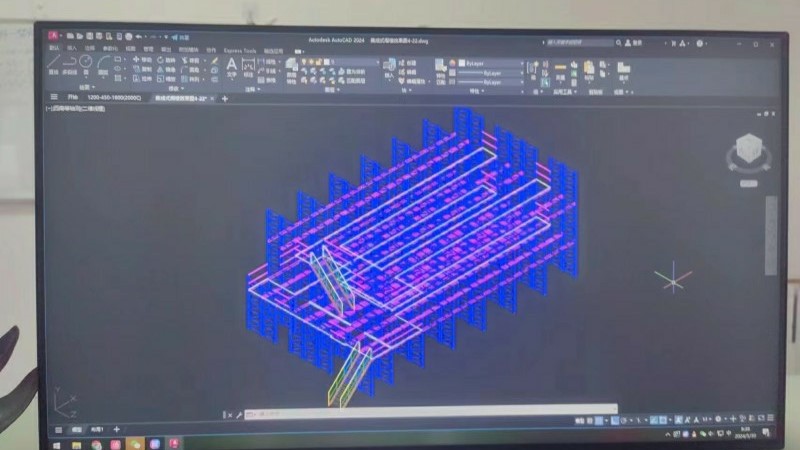
Choose a manufacturer that offers structural analysis, CAD design assistance, and dynamic load testing. This is essential for configuring custom heavy-duty racks, multi-tier mezzanines, and complex logistics setups.
Answers to common technical, logistics, and customization questions from B2B buyers and supply chain managers.
 Kelida Racking