Engineered for dynamic load capacities, high-density warehousing, and premium retail product presentations.
Modern supply chains are experiencing unprecedented pressure. The rapid expansion of global e-commerce, combined with the optimization of third-party logistics (3PL) networks, has forced companies to maximize volumetric warehouse efficiency. Within this context, platform racks, industrial shelving, and multi-tier structural mezzanine systems serve as the structural backbone of modern material handling.
Historically, platform racks were viewed as simple static structures. Today, they are complex engineered systems designed to withstand heavy static and dynamic loads, seismic activity, and highly variable material flows. Modern logistics providers require modular designs that can adapt rapidly to changing SKU profiles, making precision engineering, structural weld strength, and advanced steel surface finishes critical quality metrics.
China continues to lead the global export of steel racking systems, accounting for over 50% of worldwide capacity. This dominant position is not merely a product of labor cost advantage, but rather a reflection of advanced technological integration, metallurgical supply chain stability, and cluster-based manufacturing efficiency.
Established in 2014, Ningbo Kelida Shelf Co., Ltd. is a leading manufacturer specializing in industrial warehouse racking and heavy-duty storage shelving solutions. Spanning a modern manufacturing footprint of 28,000 square meters, Kelida represents the intersection of structural engineering and high-throughput manufacturing.
Backed by 12 years of industry experience and 8 years of international trade expertise, Kelida has grown into a trusted global supplier, achieving an annual export revenue exceeding $18 million. The company's core advantage lies in its specialized structural design capabilities. Last year alone, Kelida's R&D team of 15 structural engineers released 35 new storage products, designed to meet the evolving demands of automated distribution hubs.
To ensure competitive pricing and raw material quality, Kelida collaborates with a network of over 650 qualified raw material and component partners. This ensures seamless production cycles, even during periods of global steel supply shortages. Quality control is embedded in every stage of our operations. Supported by a dedicated quality assurance team of 22 QC specialists, Kelida implements rigorous inspection procedures: raw material tensile testing, automated weld inspection, dynamic load capacity verification, and salt-spray corrosion testing to guarantee that every rack meets international safety standards.
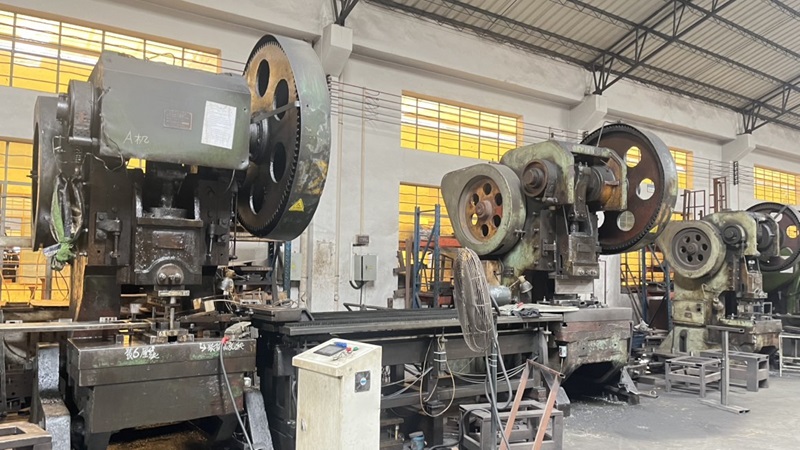
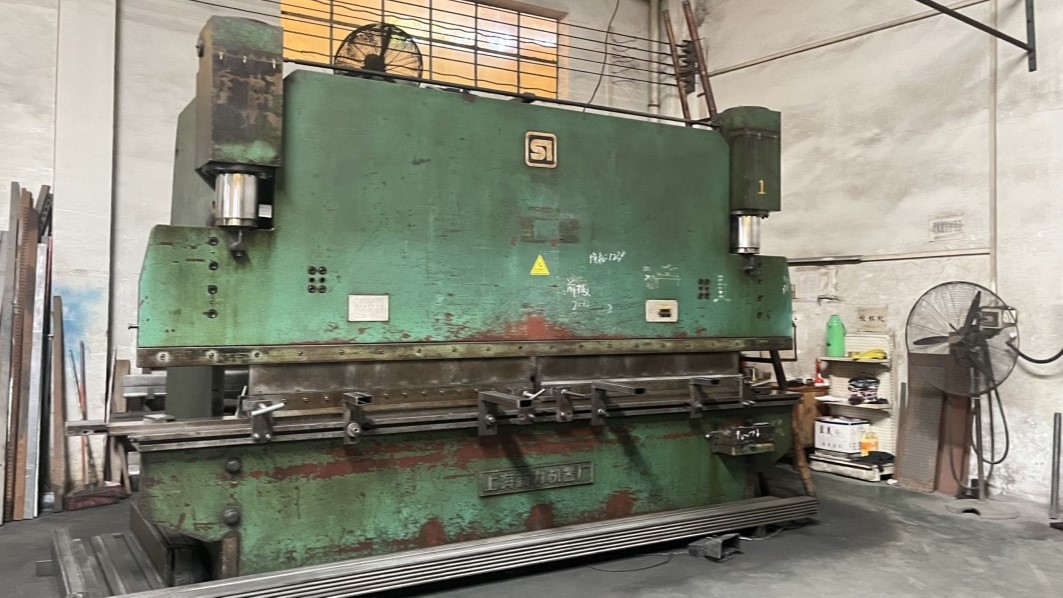
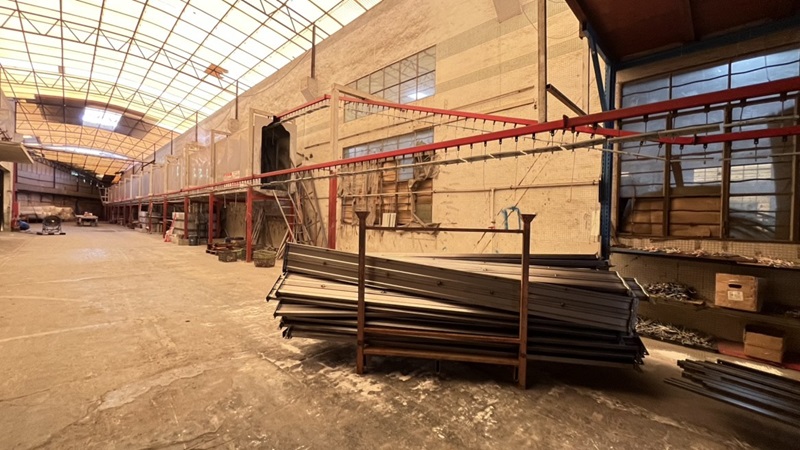
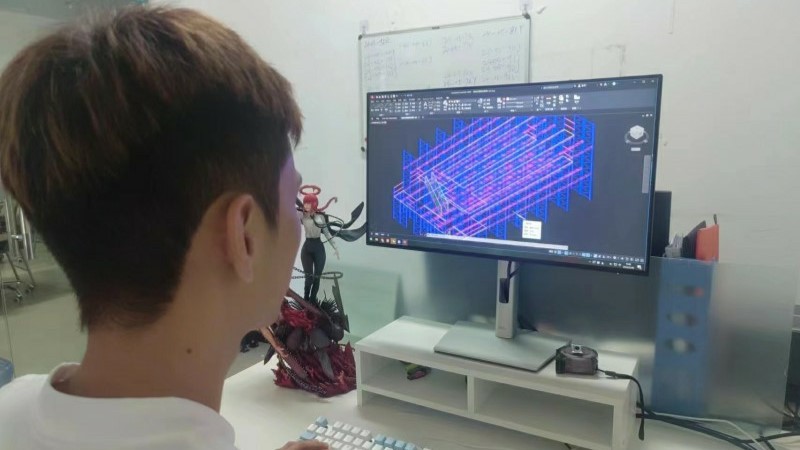
Take a visual tour through Ningbo Kelida's modern production facilities and technical design hubs.
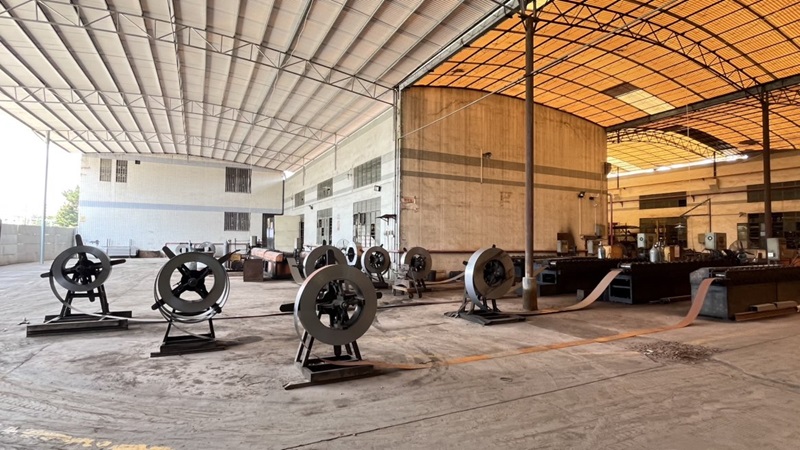
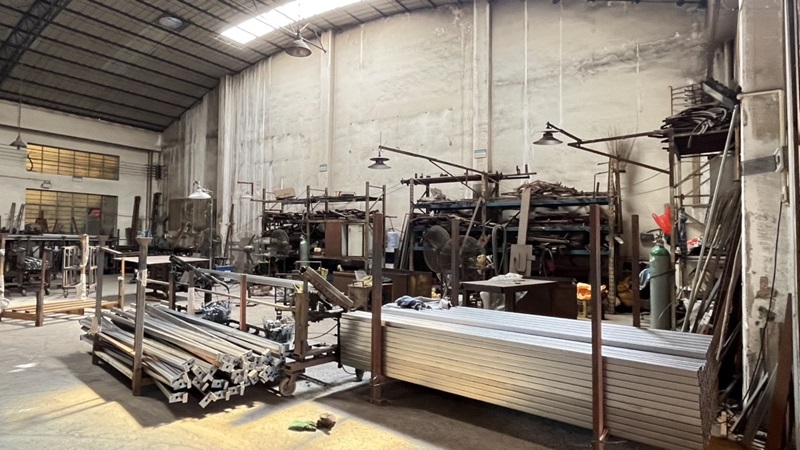
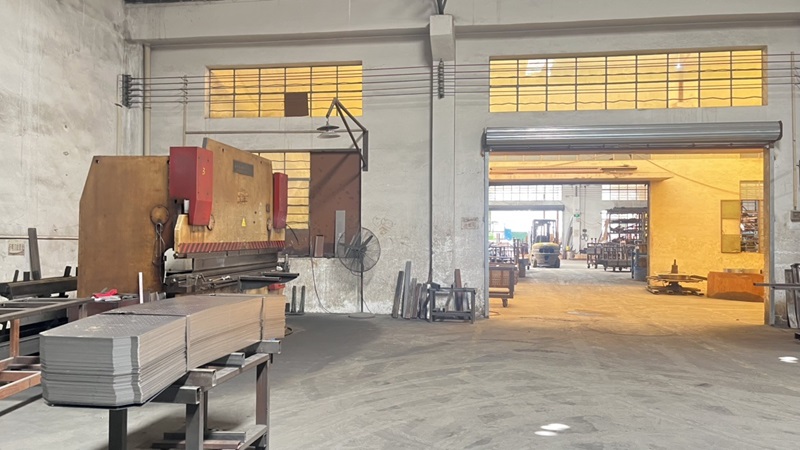
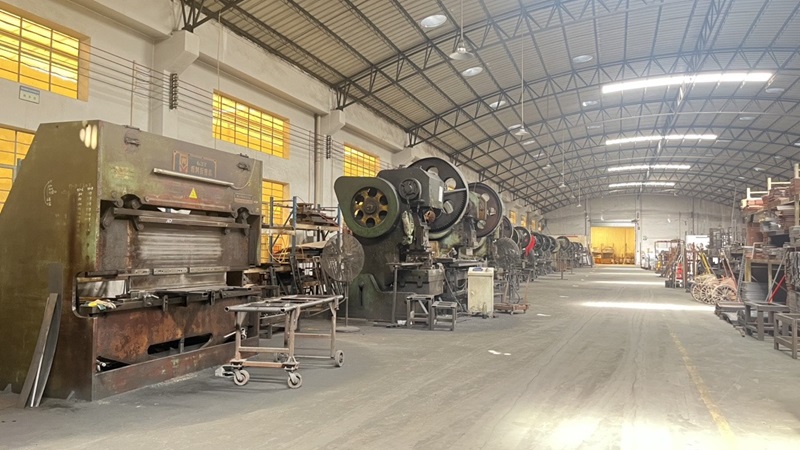
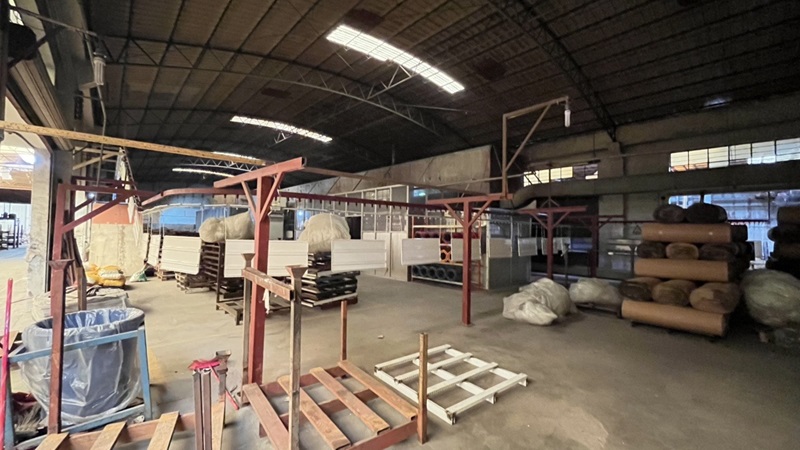
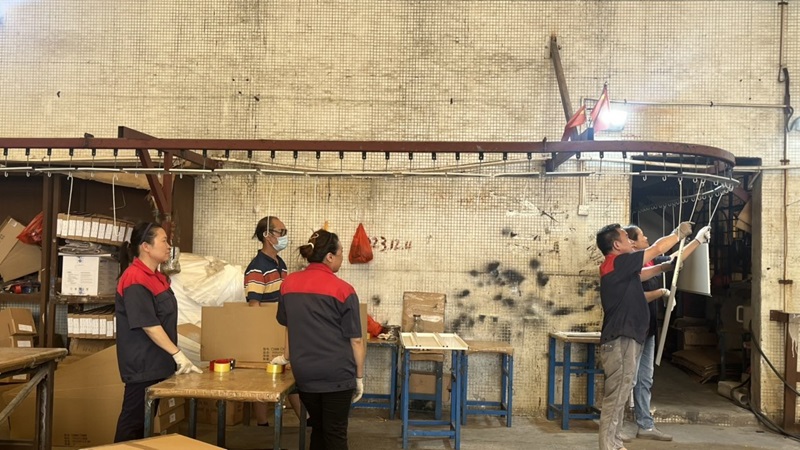
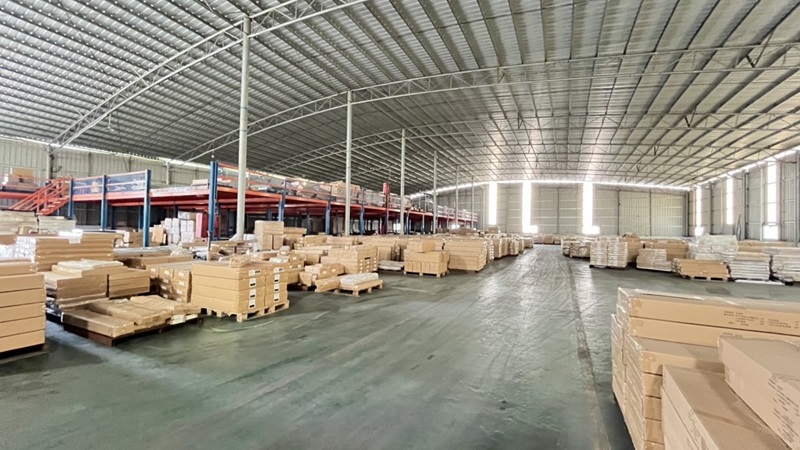
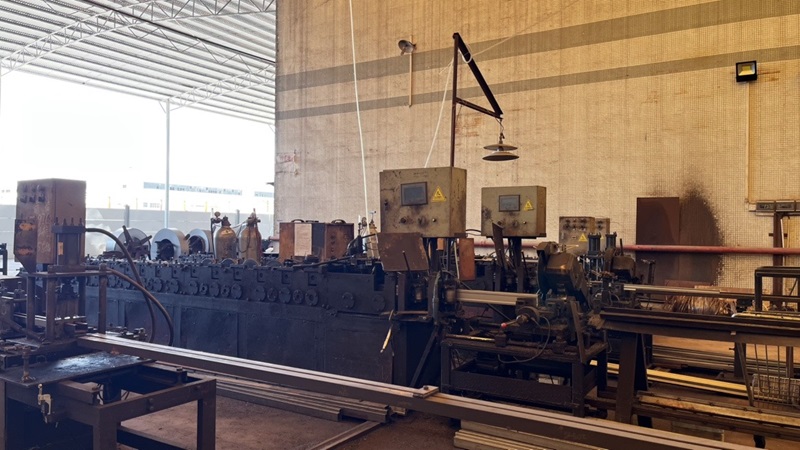
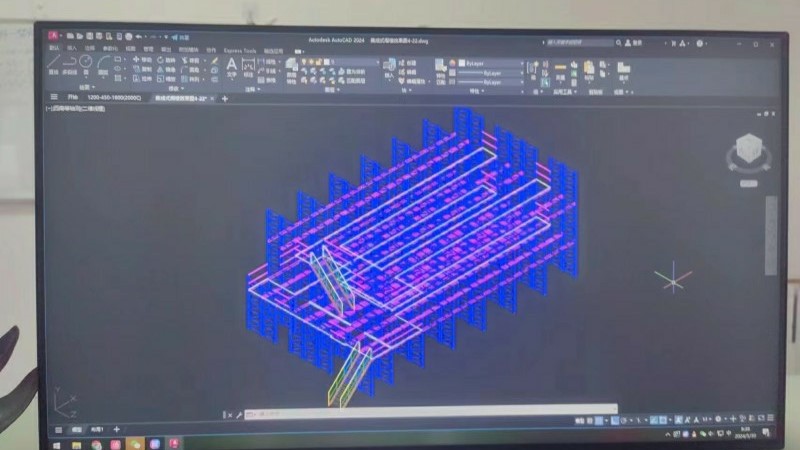
Industrial storage configurations vary by industry. The correct configuration depends on structural considerations, retrieval mechanics, environmental variables, and automation levels.
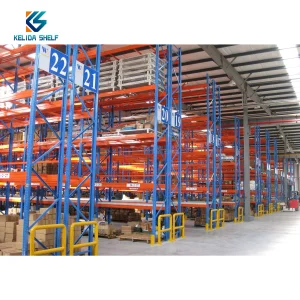
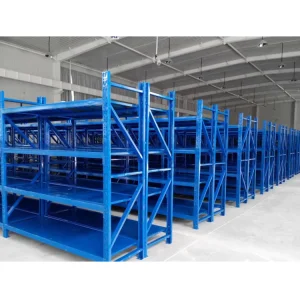
For operations handling dynamic SKU rotations and rapid inventory changes, heavy-duty racking systems provide high accessibility and configurable tier heights to accommodate changing cargo dimensions.
Sub-zero conditions demand structural steels that retain ductility at cold temperatures, paired with specialized corrosion-resistant finishes to prevent moisture degradation.
High-density, multi-tier platforms and pick modules are designed to integrate with automated conveyor belts, increasing vertical floor utilization by up to 200%.
Four primary dynamics are shifting global racking specifications:
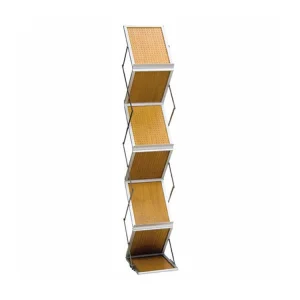
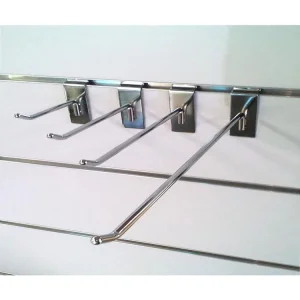
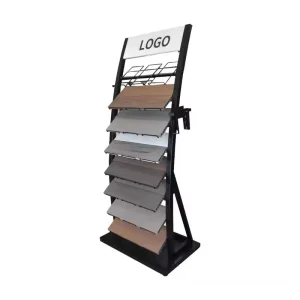
Explore our technical-grade metal pegboards, warehouse tire racks, and adjustable heavy-duty racking units.
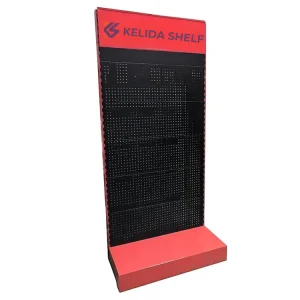
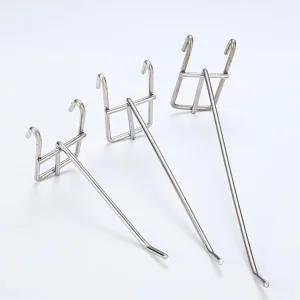
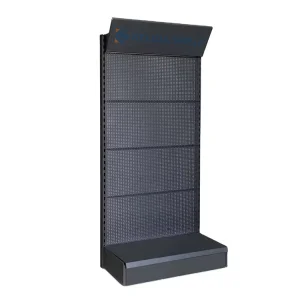
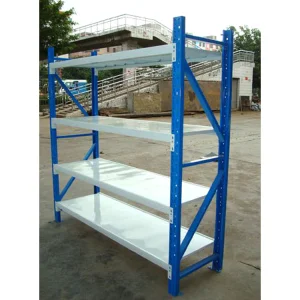
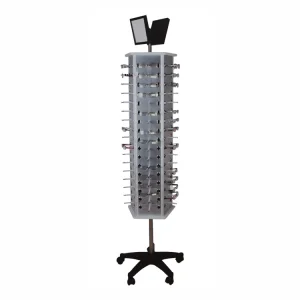
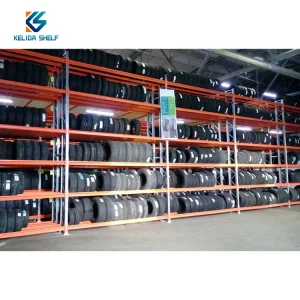
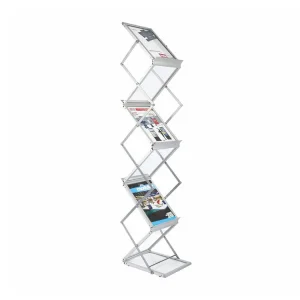
When procurement managers evaluate platform rack manufacturers, relying solely on per-kilogram pricing can lead to long-term structural issues. To ensure safety and operational performance, use this engineering checklist during supplier audits:
Answers to key technical questions from procurement officers, warehouse managers, and structural engineers.
 Kelida Racking