Engineered hardware, heavy-duty warehouse racking, and commercial presentation display systems configured to global regulatory specifications.
In the modern landscape of logistics, warehousing, and supply chain management, land acquisition and facility footprint costs continue to climb exponentially. To maximize economic efficiency, industrial organizations are pivoting from traditional selective pallet racking systems to Very Narrow Aisle (VNA) Storage and high-density racking configurations. VNA shelving typically operates within aisle widths ranging from 1.5 to 1.8 meters, delivering up to a 45% to 50% increase in storage capacity over conventional configurations without expanding the physical footprint of the warehouse.
"Evaluating the mechanical integrity and manufacturing reliability of VNA systems requires direct alignment with international standards such as RMI (Rack Manufacturers Institute) and FEM (Fédération Européenne de la Manutention) 10.2.02. This document serves as a comprehensive technical guide for global procurement directors."
When procurement executives audit Narrow Aisle Storage manufacturers, several critical technical domains must be assessed to assure operational safety, shelf life under continuous heavy duty cycling, and structural integrity under dynamic or seismic load conditions:
How Ningbo Kelida Shelf Co., Ltd. integrates raw material clustering, optimized shipping proximity, and rigorous structural testing.
Ningbo Kelida Shelf Co., Ltd., established in 2014, works with an extensive supply network of over 650 qualified raw material and component partners. This vertical integration allows for dynamic scaling of production outputs, stabilizing raw material pricing, and maintaining consistent shipping lead times even during global freight disruptions.
Kelida’s R&D department houses 15 structural engineers who introduced 35 new storage profiles and configurations last year. Clients receive bespoke layout configurations, structural calculations, seismic dynamic load verification, and customized load-bearing structural design profiles.
Supported by 22 quality control specialists, Kelida implements rigorous check-points from raw material tensile tests, ultrasonic weld checks, dynamic load validations, to salt-spray tests. Storage racking components conform directly to key Western European and North American quality codes.
| Feature Spec | Ningbo Kelida Standard Range | Industry Compliance Standard |
|---|---|---|
| Load Capacity Per Level | 1000kg to 3000kg per beam level (Customizable) | RMI MH16.1 / FEM 10.2.02 |
| Steel Grades Utilized | Cold-rolled steel Q235B / Q355B (High Tensile) | EN 10025 / ASTM A572 |
| Corrosion Protection | Electrostatic thermoset powder coating (salt-spray > 500h) | ISO 9227 / ASTM B117 |
| Seismic Design Capability | Custom structural bracing configurations (Zones 1-4) | ASCE 7-16 / FEMA standards |
| Welding Precision | Automated robotic welding & manual ultrasonic testing | AWS D1.1 Structural Welding Code |
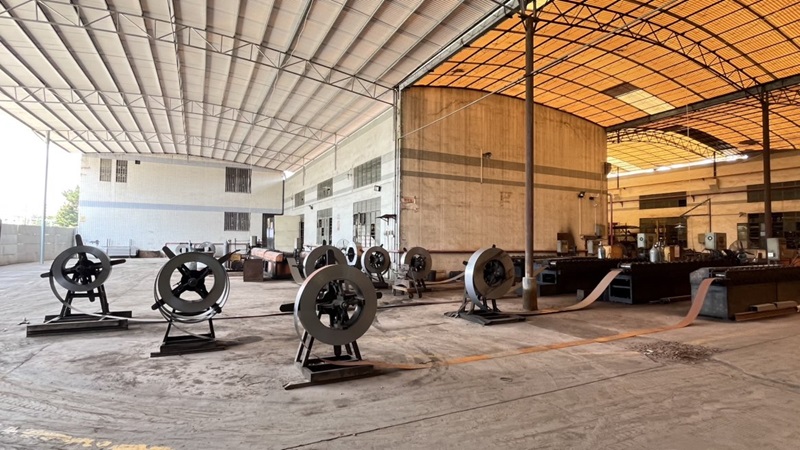
A step-by-step look inside Ningbo Kelida’s 28,000 square meter factory, showcasing advanced fabrication and quality control processes.
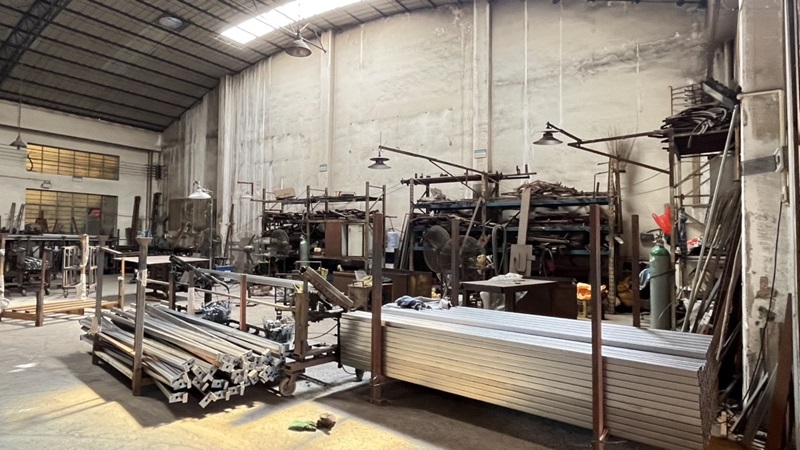
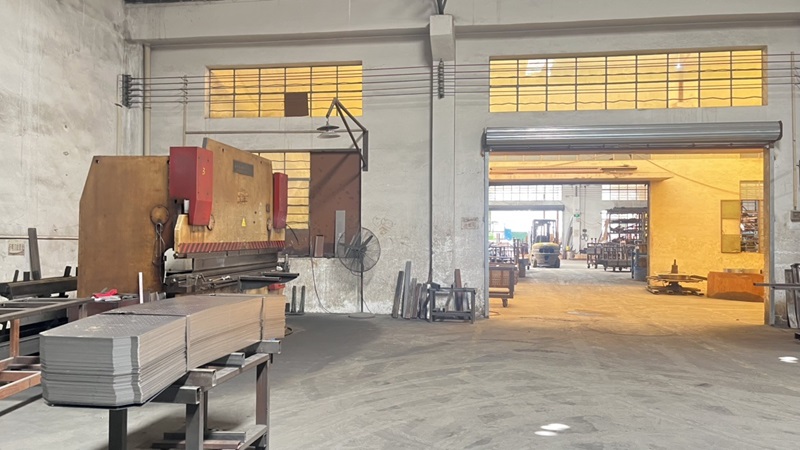
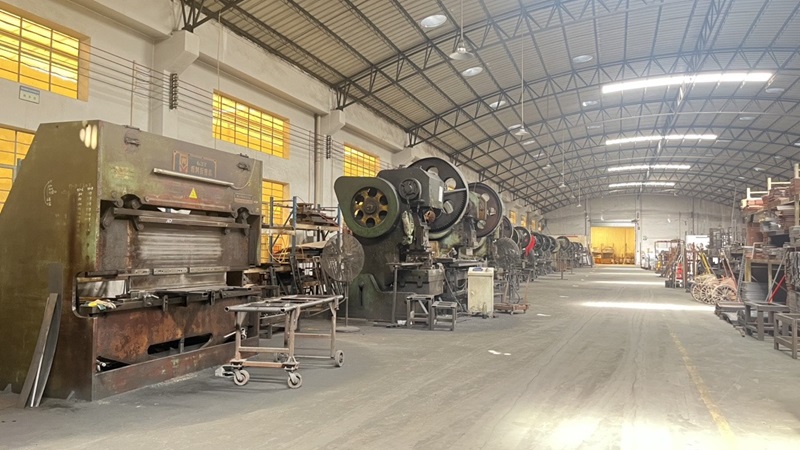
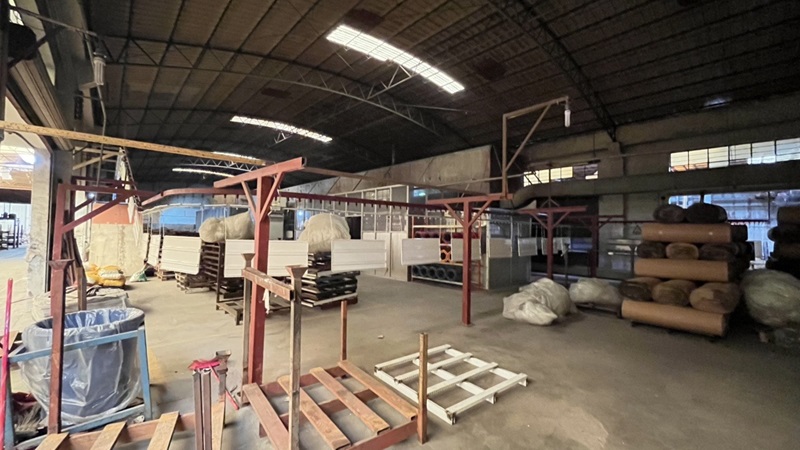
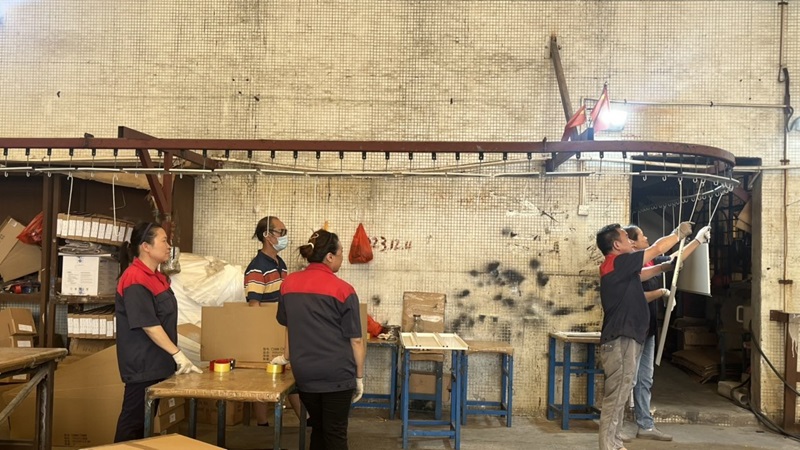
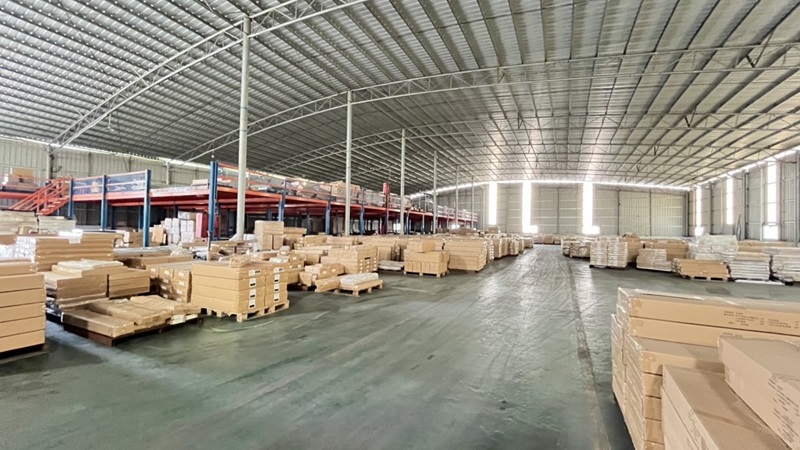
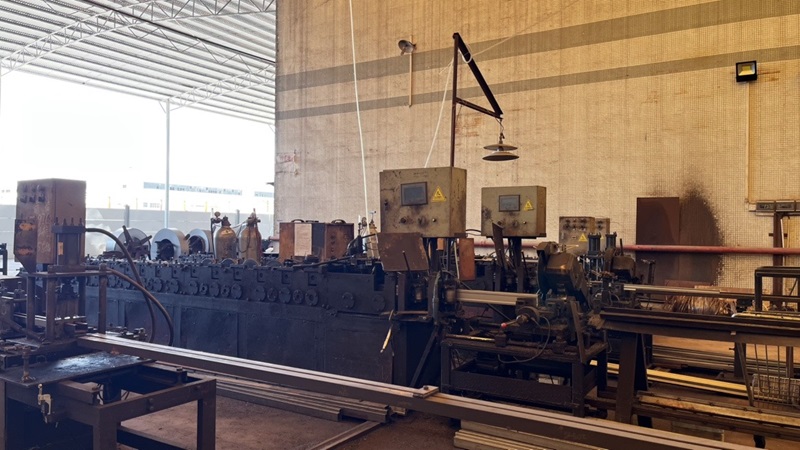
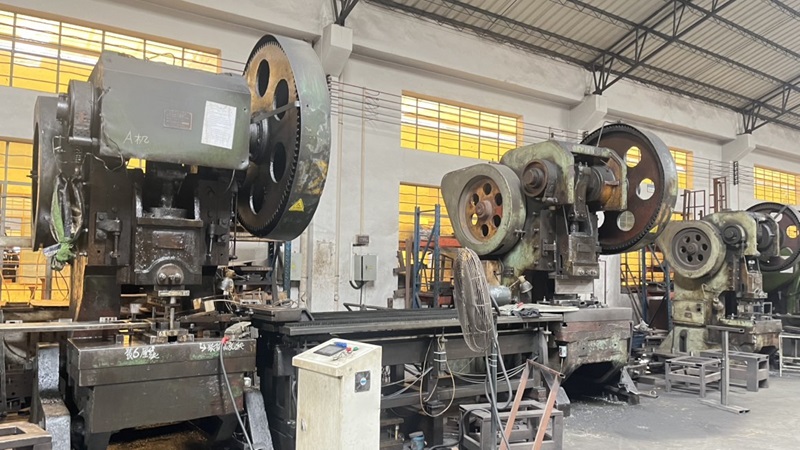
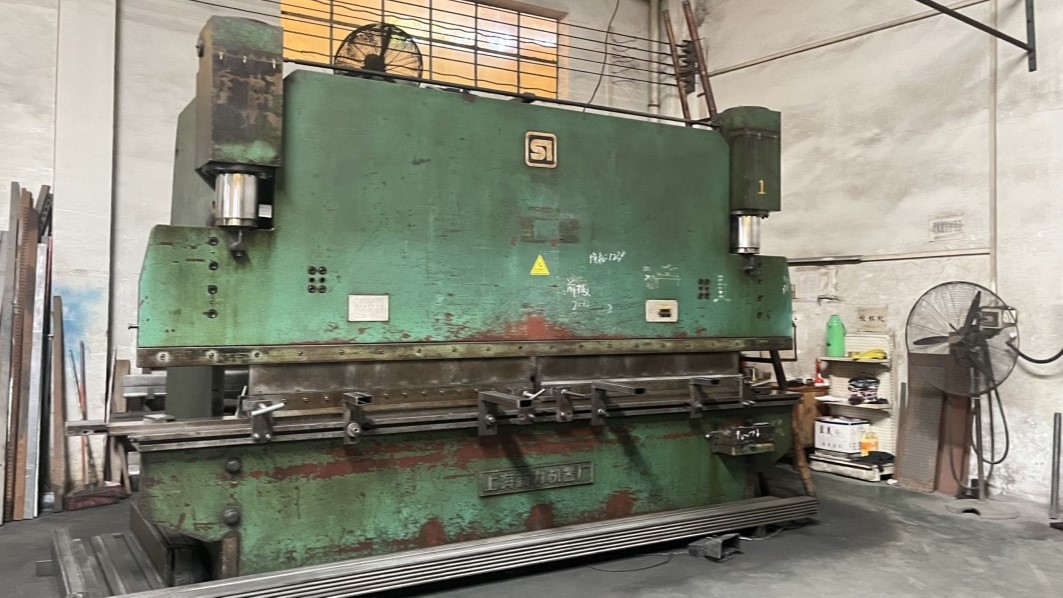
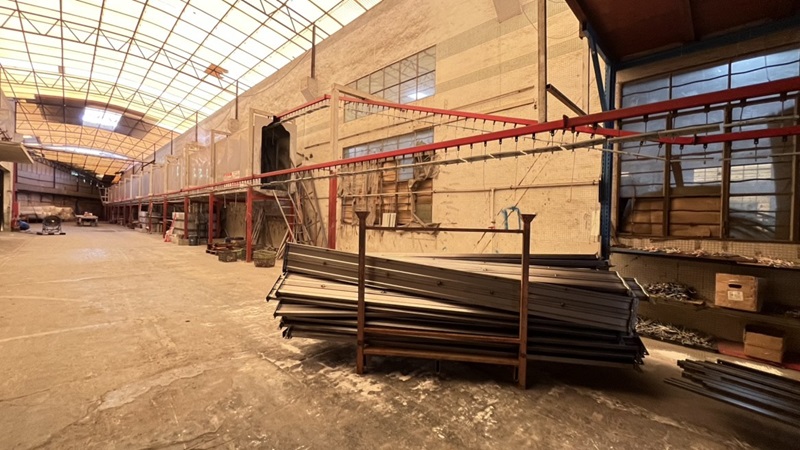
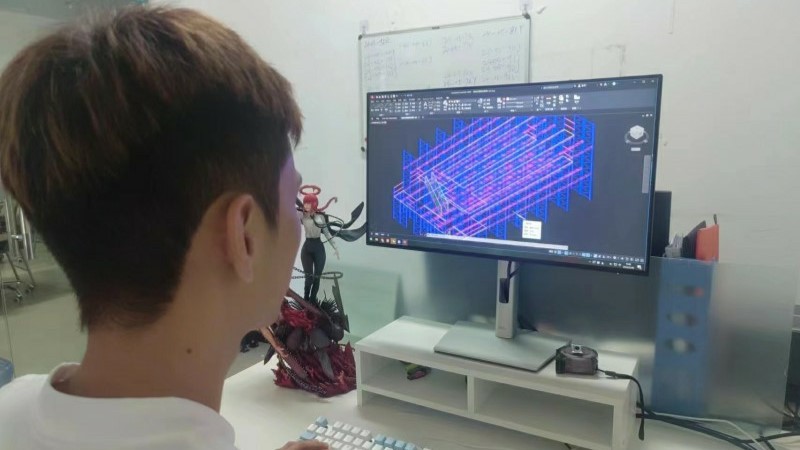
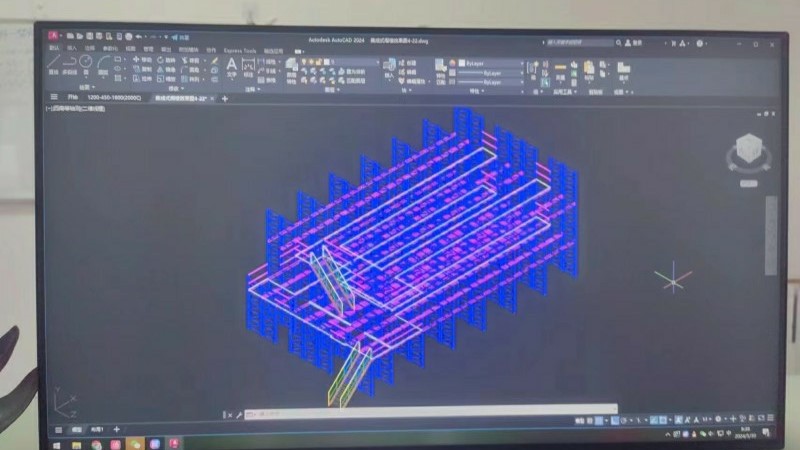
Bespoke configurations designed to optimize operations, enhance floor space utilization, and speed up order processing across major industrial sectors.
Maximizing pick rates and processing efficiency under high turnover SKU environments. Double-deep pallet setups and specialized high-bay structural racks allow warehouse operators to accommodate dynamic slotting changes easily.
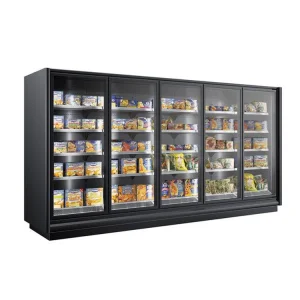
Cold-chain space represents some of the highest operational costs per cubic meter. VNA systems optimize storage density, significantly reducing cooling energy consumption per pallet location by maintaining compact layout profiles.
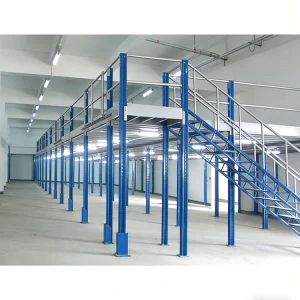
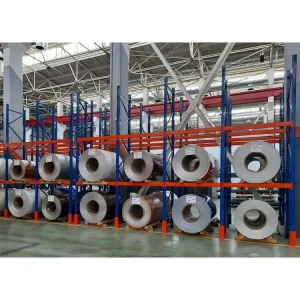
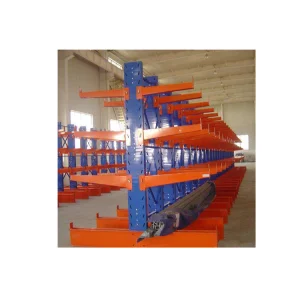
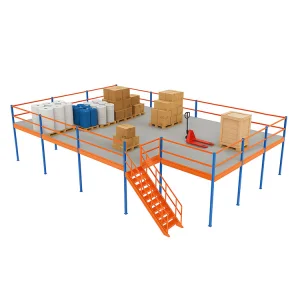
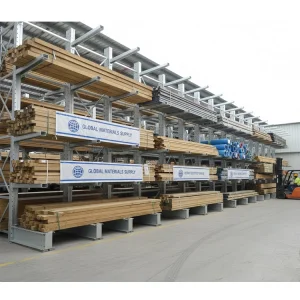
Using customized double-sided cantilever systems, high-capacity mezzanines, and structural steel designs to securely hold flat sheets, heavy castings, timber stock, and steel tubes.
Addressing engineering specifications, installation tolerances, and global sourcing inquiries.
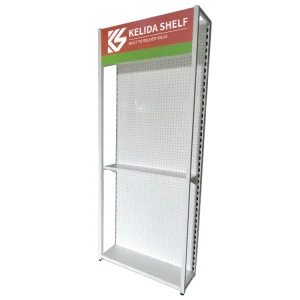
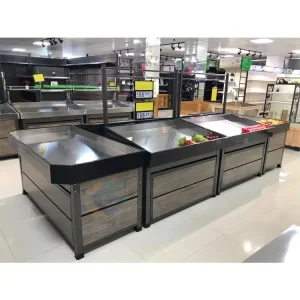
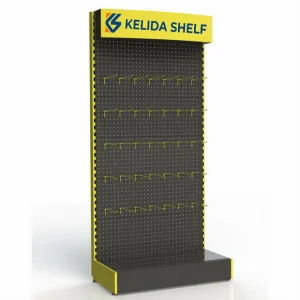
Complete your facility planning with additional structural organizers, display solutions, and material handling systems.
 Kelida Racking