Premium solutions engineered to maximize storage capacity and efficiency, tailored for global enterprise applications.
Modern global logistics, urban density, and changing real estate dynamics have made floor space one of the most expensive operational resources. Under these pressures, conventional fixed shelving solutions are becoming obsolete. Standard warehouse racking systems lose up to 50-60% of their footprint exclusively to access aisles.
High-density mobile shelving systems represent the vanguard of spatial efficiency. By mounting storage ranges on heavy-duty rolling carriages, these systems eliminate dedicated access aisles, consolidating multiple aisles into a single, dynamically shifted workspace. The return on investment is immediately clear: either double your storage capacity within the same footprint, or reduce your current storage footprint by up to 50% while maintaining the exact same product density.
To successfully integrate these advanced systems, sourcing teams must navigate complex engineering requirements, track load tolerances, and evaluate global manufacturing standards. This whitepaper serves as an authoritative guide for identifying top manufacturers and optimizing layout strategies.
Analyzing key advancements driving the high-density mobile shelving industry toward smart, resilient logistics solutions.
Modern electronic mobile racking systems interface directly with Warehouse Management Systems (WMS). These smart systems use automated RFID tracking to guide carriages, automatically opening optimal access paths to streamline high-frequency pick lists.
Leading manufacturers are moving beyond simple manual safety stops. Contemporary high-density mobile systems feature photo-electric safety light grids, aisle-lock systems, and floor-level sweep sensors to immediately halt carriage movement if obstacles are detected.
Manufacturers are leveraging premium structural steel alloys like Q235B and Q345B to ensure high yield strength at lighter weights. Coupled with multi-stage electrostatic powder coatings, these structural developments prevent deflection and provide excellent rust and corrosion protection.
A benchmark reference outlining key structural, operational, and regulatory parameters when auditing industrial suppliers.
| Evaluation Parameter | Technical Baseline Requirement | Significance for Buyers |
|---|---|---|
| Steel Grade & Quality | Structural Q235B / Q345B Cold-Rolled Steel | Guarantees rated structural integrity under dynamic carriage movement; prevents buckling over long-term operations. |
| Drive Mechanism Integrity | High-torque electric geared motors; high-tensile steel drive shafts | Minimizes mechanical failures; ensures smooth starts and stops, reducing stress on track assemblies. |
| Compliance & Certifications | ISO 9001:2015, CE Marking, ANSI/RMI Compliance | Reduces liability risks and confirms compliance with international workplace safety standards. |
| Powder Coating Process | Pre-treatment pickling, phosphating, electrostatic spray (60-80 microns) | Provides long-term protection against scratches, humidity, rust, and chemical damage in industrial environments. |
| Seismic Structural Design | Dynamic engineering base anchors & anti-tip guide rails | Ensures system stability during seismic events, preventing carriage derailments in active earthquake zones. |
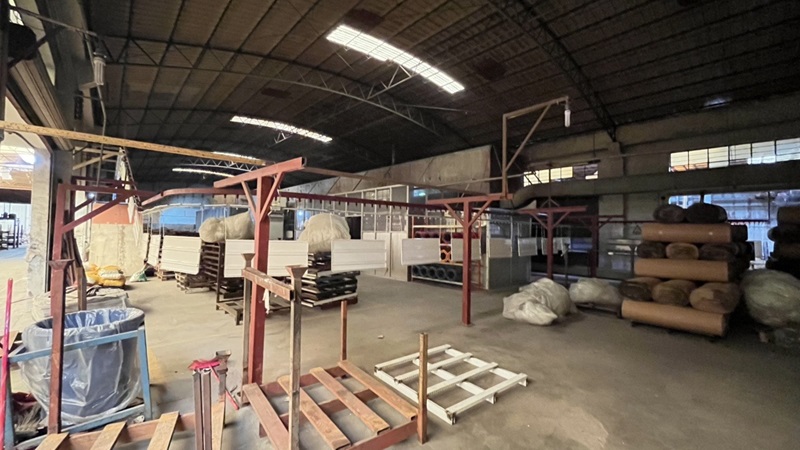
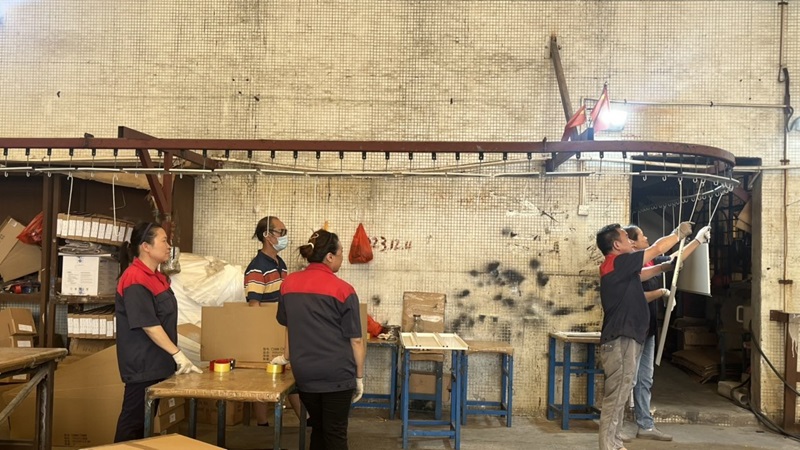
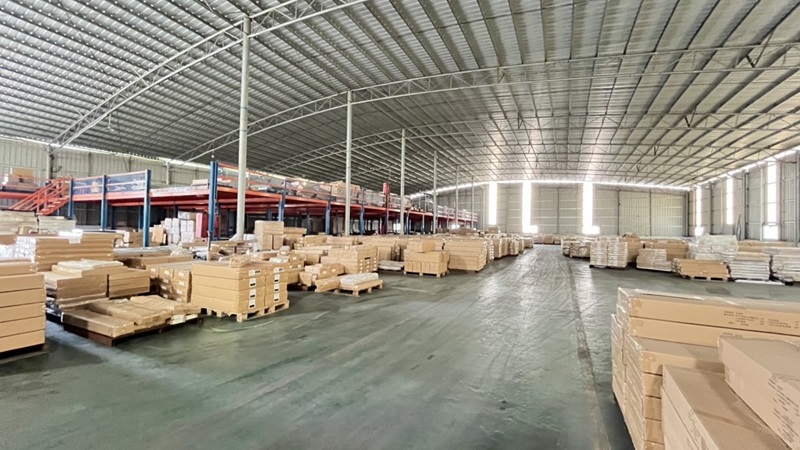
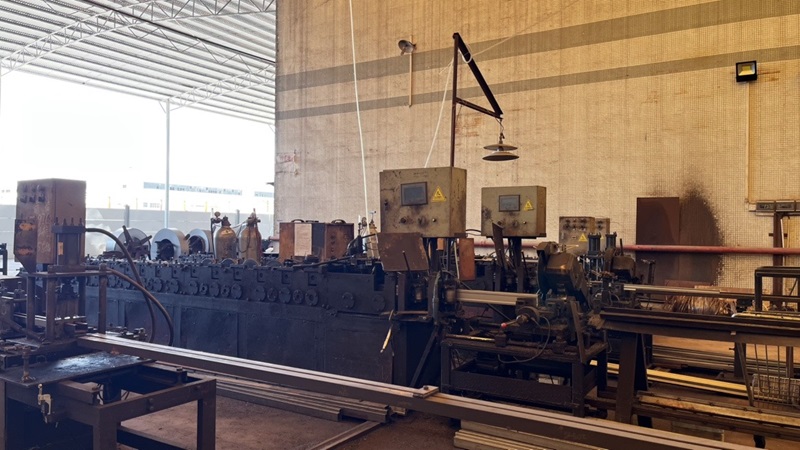
How a world-class manufacturing center integrates raw material control, automation, and engineering expertise.
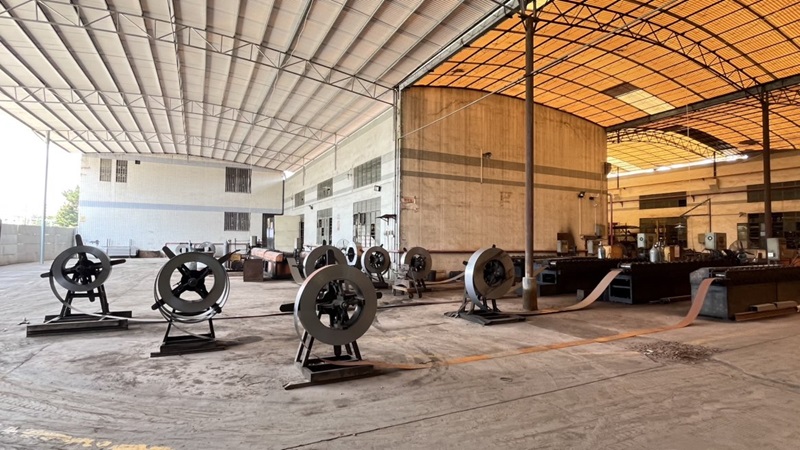
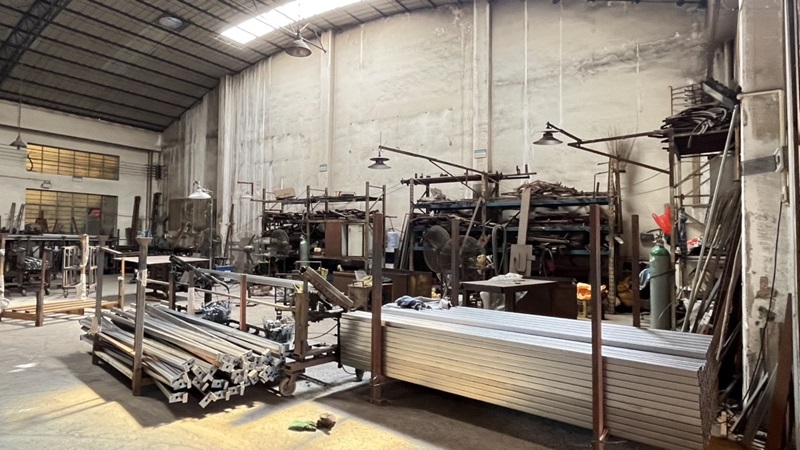
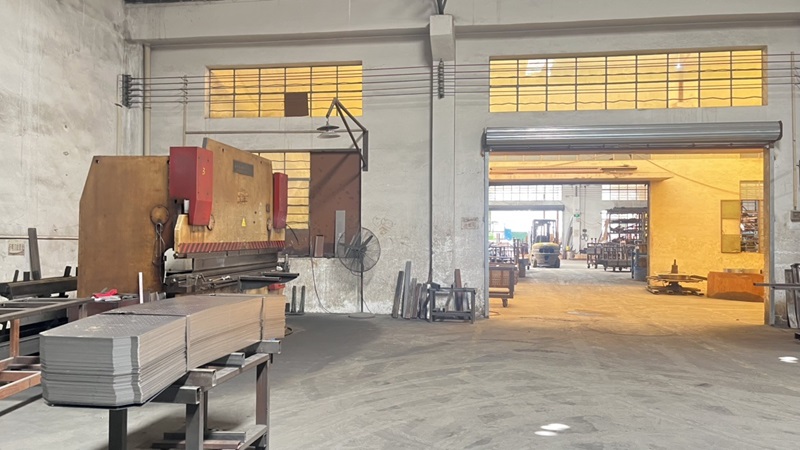
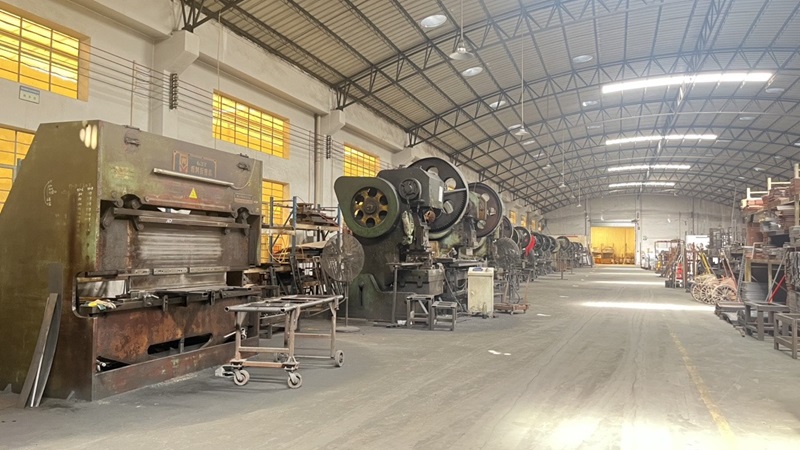
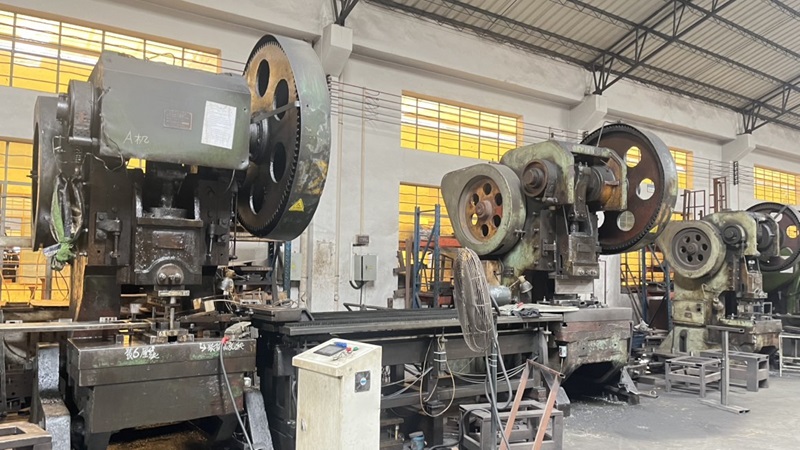
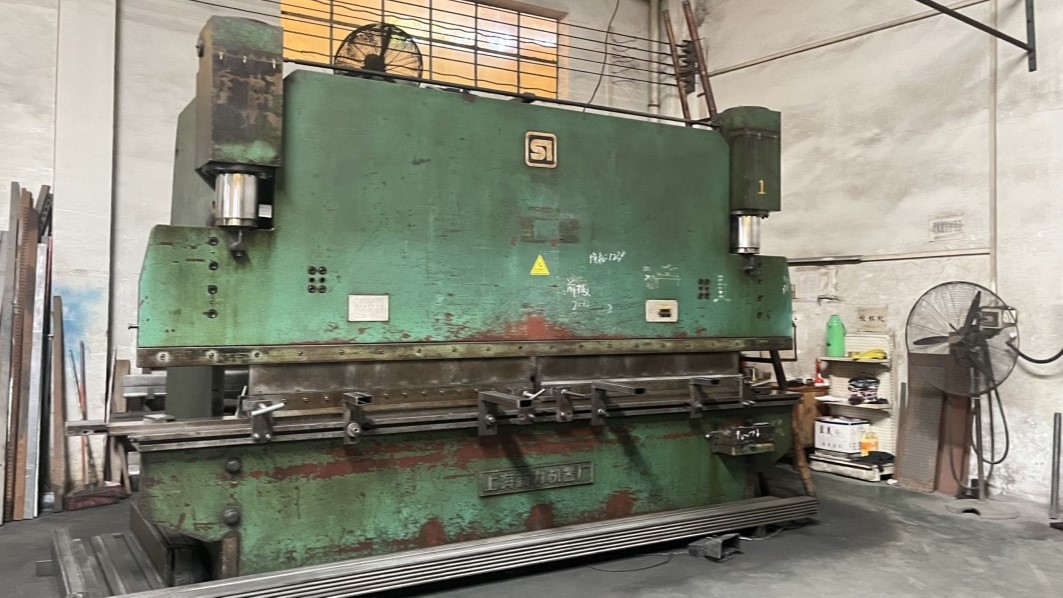
Established in 2014, Ningbo Kelida Shelf Co., Ltd. has developed into a premier manufacturer of industrial warehouse racking and heavy-duty storage shelving solutions. Operating a modern, 28,000-square-meter facility, Kelida combines extensive engineering experience with automated production systems to support a growing global network of buyers.
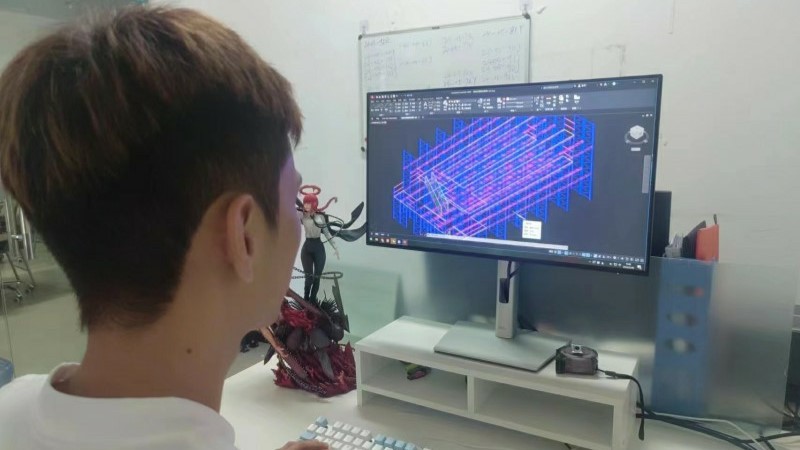
Kelida’s R&D capabilities are led by a team of 15 structural engineers who developed and launched 35 new storage designs last year. Our engineering team provides custom solutions, including tailored load capacities, dynamic warehouse layouts, and unique dimension configurations.
We maintain strict quality control at every phase of production. Backed by 22 QC specialists, our facilities carry out comprehensive validation testing, including:
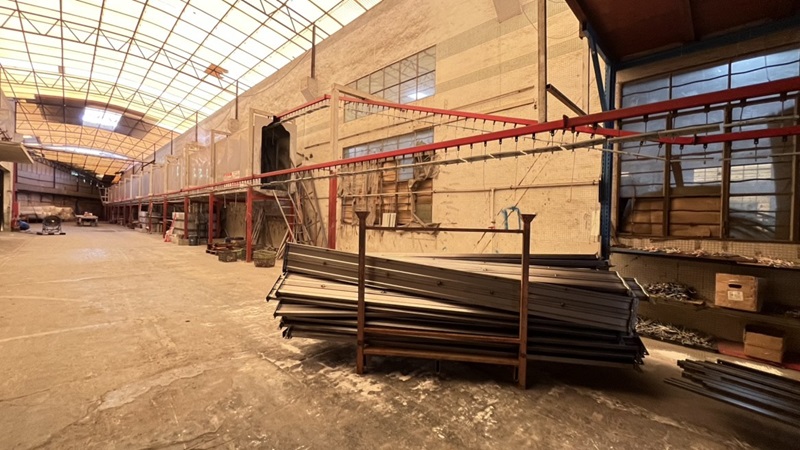
A behind-the-scenes look at the advanced machinery and manufacturing processes that define our storage systems.
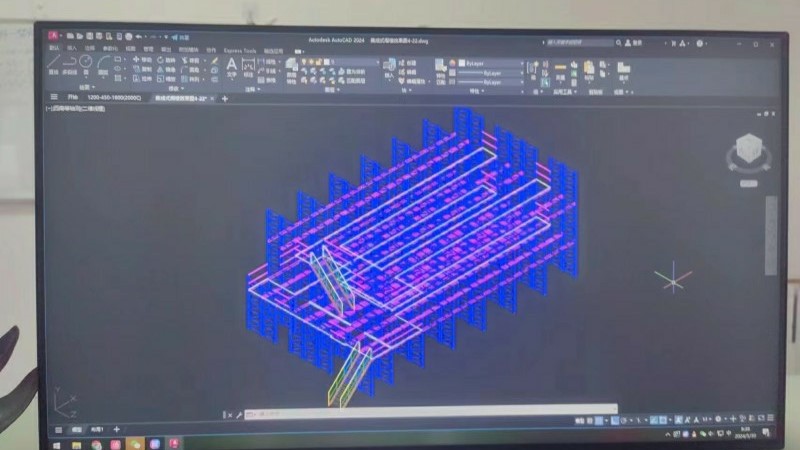
Identify the core operational qualities that separate tier-1 storage manufacturers from local suppliers.
Standard storage sizes rarely maximize capacity in unique building shapes. Look for manufacturers that provide tailored structural engineering. This includes adapting upright column profiles, using custom steel gauges, and adjusting shelf widths to match specific pallet layouts and ceiling clearances.
In high-humidity warehouses, cold-chain storage facilities, or coastal distribution hubs, standard paint can degrade quickly. Leading suppliers use advanced powder coating lines that include multi-stage pre-treatment, pickling, phosphating, and electrostatic spray-curing to ensure long-term, impact-resistant protection.
Common questions from logistics directors and procurement managers answered by our structural engineering team.
High-durability racking configurations, heavy-duty shelving, and specialized commercial displays for global distribution networks.
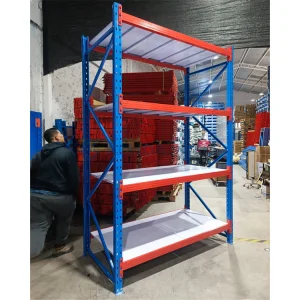
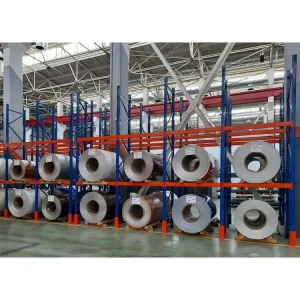
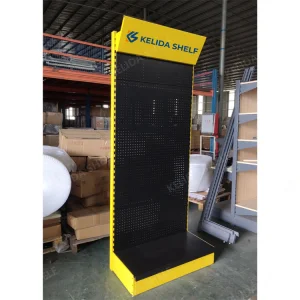
 Kelida Racking