Explore high-performance, heavy-duty industrial storage racks and dynamic retail display solutions engineered to optimize space utility.
Modern supply chains require more than just vertical storage. To survive in today's high-speed logistics networks—driven by rapid e-commerce cycles, third-party logistics (3PL) expansion, and just-in-time manufacturing—warehouses must treat their structural racking as dynamic system components. The selection of an industrial storage partner directly influences structural safety, operational uptime, inventory throughput speed, and long-term capital efficiency.
Global procurement teams must assess factories on dynamic variables: steel metallurgy, structural welding certifications, seismic calculation capacities, and integrated supply chain agility. China's top-tier manufacturers have moved beyond simple low-cost fabrication to offer complex engineering designs compliant with strict Western standards like FEM (Fédération Européenne de la Manutention) and RMI (Rack Manufacturers Institute).
Industrial storage manufacturing relies heavily on structural steel markets. Chinese factories located in eastern industrial hubs enjoy direct proximity to state-of-the-art steel rolling mills and coating providers. This reduces raw material transport costs and speeds up procurement cycles for large projects.
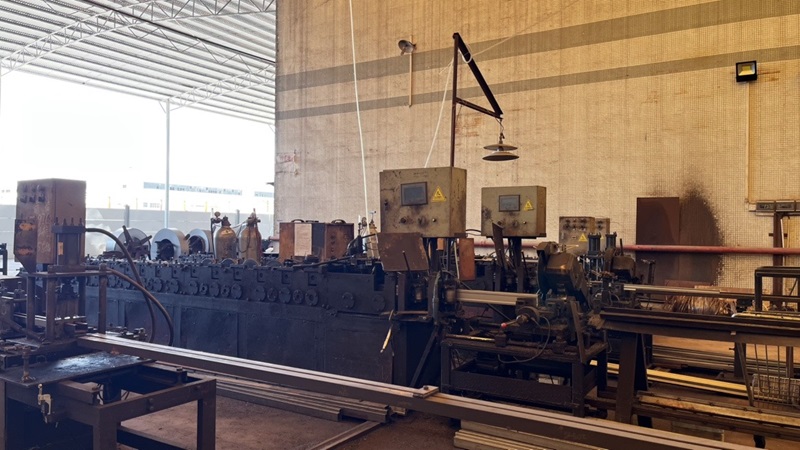
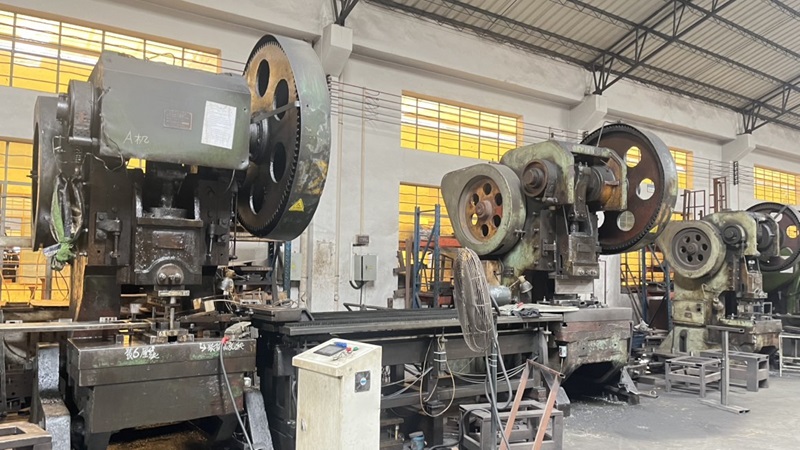
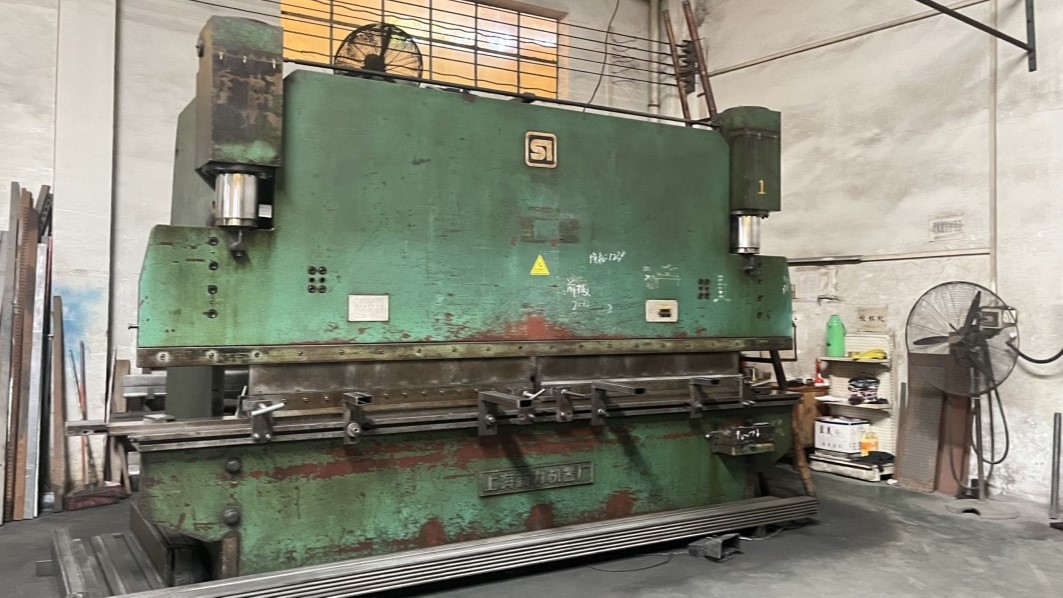
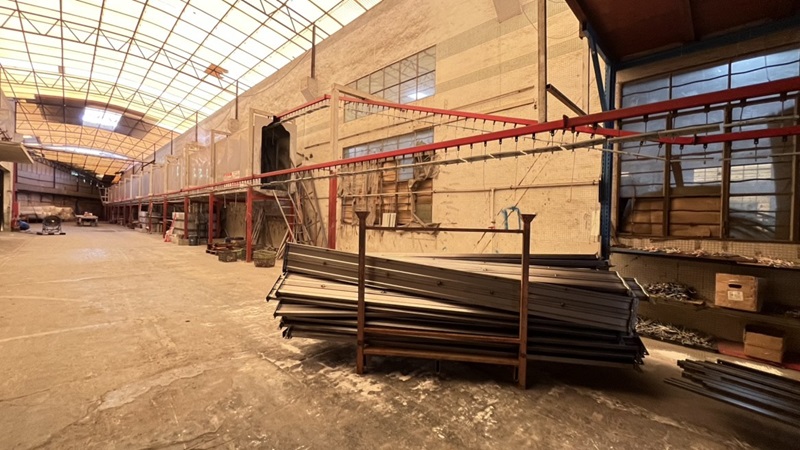
Top exporters utilize automated, continuous roll-forming lines, robotic welding arms, and electro-static powder coating systems. Automation ensures consistent column profiles, precise connector slots, and uniform paint thickness, minimizing manual errors.
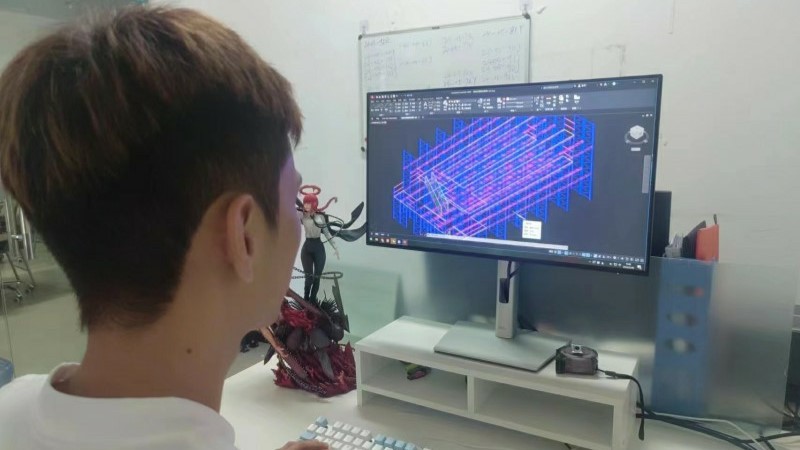
Chinese factories are no longer just contract manufacturers. They feature internal structural engineering departments that run finite element analysis (FEA) to customize profiles for specific environments, such as high-seismic zones and cold storage warehouses.
A prime model of technical expertise, manufacturing scale, and international compliance in China's industrial storage sector.
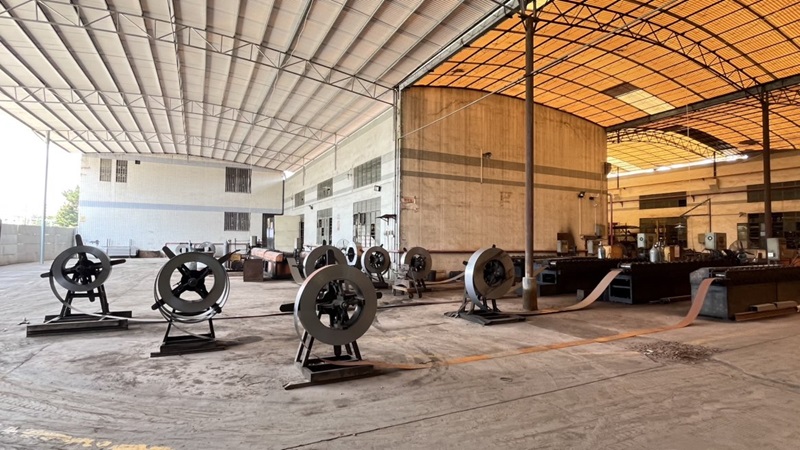
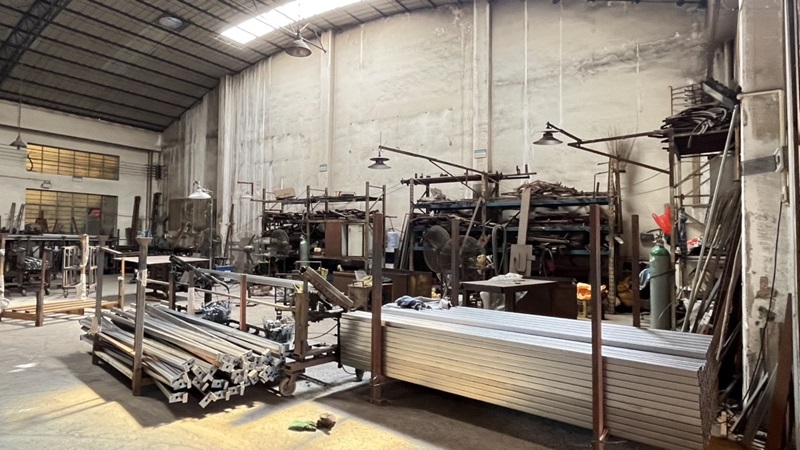
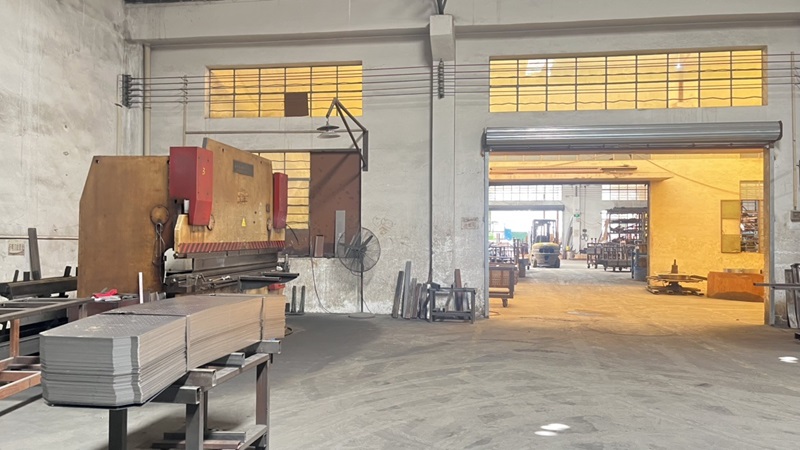
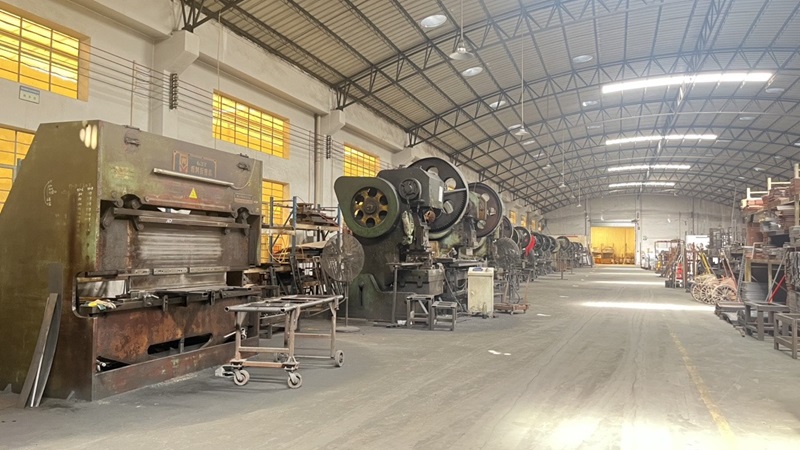
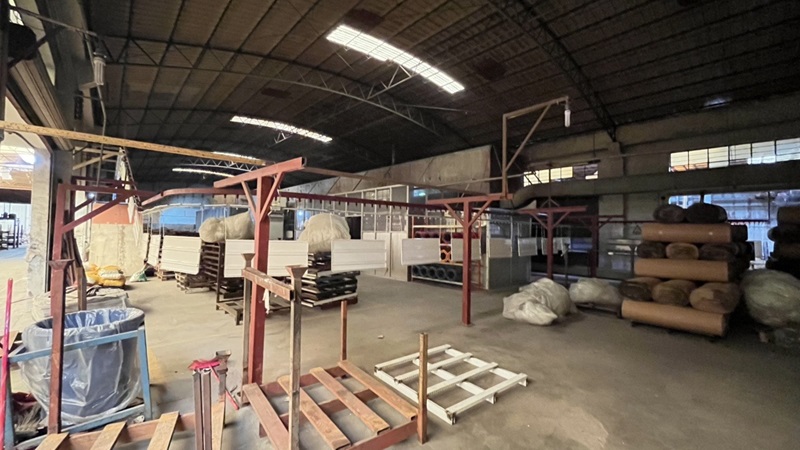
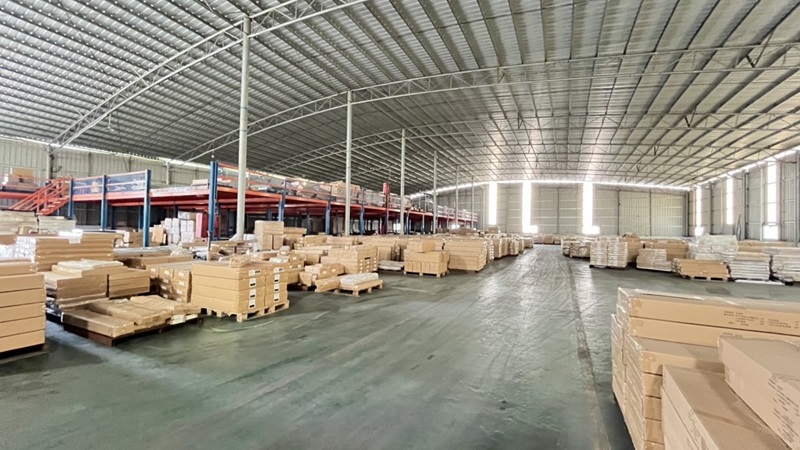
"Ningbo Kelida Shelf Co., Ltd. is a leading manufacturer specializing in industrial warehouse racking and heavy-duty storage shelving solutions. Established in 2014, the company operates a modern manufacturing facility spanning 28,000 square meters. Backed by 12 years of industry experience and 8 years of international trade expertise, Kelida has grown into a trusted global supplier, achieving an annual export revenue of over $18 million."
Driven by strong innovation, Kelida's R&D team of 15 structural engineers released 35 new storage products last year. The company offers complete customization options, including tailored load capacities, dynamic warehouse layouts, custom dimensions, and corrosion-resistant powder coatings. Kelida's integrated supply chain network collaborates with over 650 qualified raw material and component partners, ensuring seamless production cycles and competitive pricing.
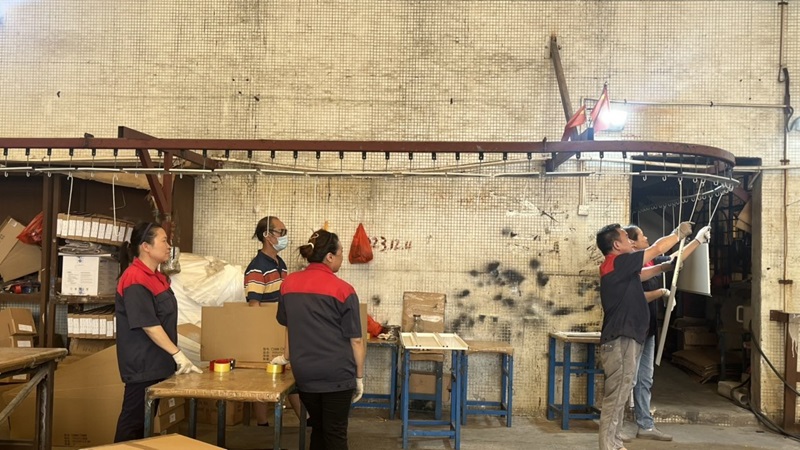
Quality control is embedded in every stage of Kelida's operations. Supported by a dedicated quality assurance team of 22 QC specialists, the company implements rigorous inspection procedures—including raw material tensile testing, automated weld inspection, dynamic load capacity verification, and salt-spray corrosion testing—to guarantee that every rack meets international safety standards.
As an export-oriented enterprise, Kelida's primary markets cover North America, Western Europe, Southeast Asia, and the Middle East. They serve a diverse client base, including third-party logistics (3PL) providers, industrial manufacturing plants, e-commerce distribution hubs, and commercial wholesale distributors.
Inside look at the fabrication, processing, and quality stages that ensure structural integrity in heavy-duty logistics systems.
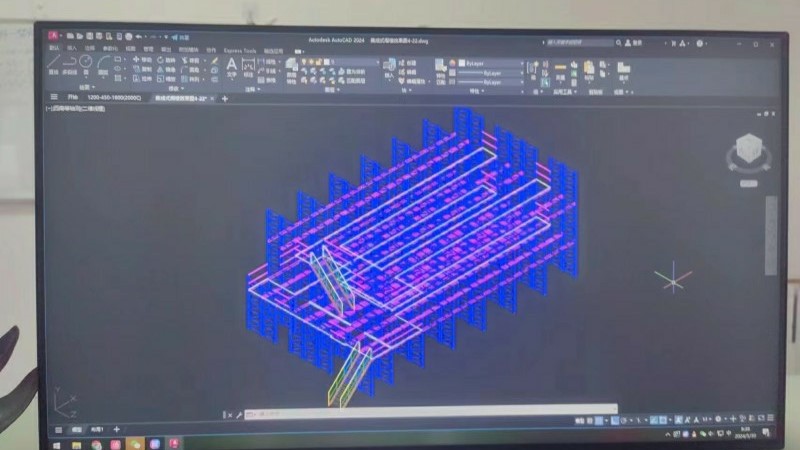
How custom engineering meets the operational demands of different industrial environments.
| Industry Sector | Key Challenge | Recommended Racking Architecture | Material / Load Capacity Spec |
|---|---|---|---|
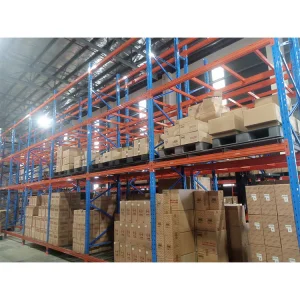
| Third-Party Logistics (3PL) | High SKU variety, fast rotation cycles, and the need for maximum space utilization. | Selective Pallet Racking / Drive-In Systems | 1000kg - 3000kg / layer, adjustable beams. |
| E-commerce Fulfillment | Fast order assembly, dense storage of smaller items, and manual picking access. | Medium Duty Boltless Shelving / Mezzanine Multi-Tier Systems | 200kg - 500kg / layer, integrated steel panels. |
| Cold Chain & Food Storage | High energy costs and temperatures down to -30°C. Requires dense storage footprint. | Drive-In Racking / Shuttle Racking Systems | Low-temperature resistant Q345B steel, hot-dip galvanized finish. |
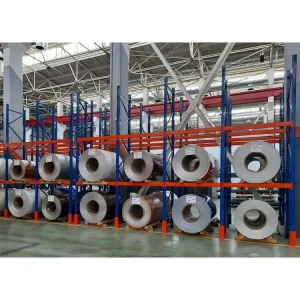
| Industrial Heavy Manufacturing | Oversized, heavy raw materials like steel coils and engine components. | Heavy Duty Structural Cantilever / Mold Racks | 3000kg+ / layer, custom structural steel profiles. |
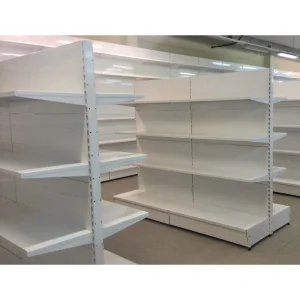
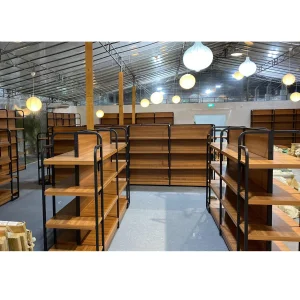
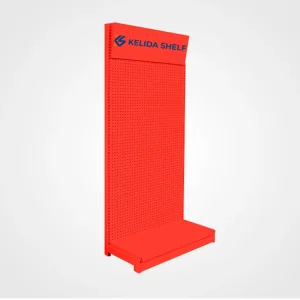
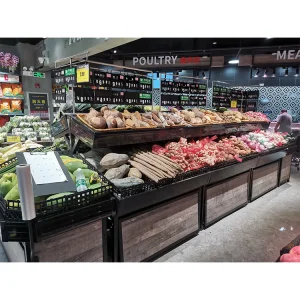
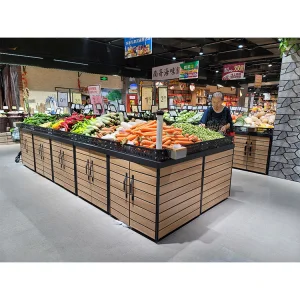
| Retail & Supermarket Outlets | High aesthetic appeal, easy restocking, customer safety, and brand promotion. | Gondola Metal Shelves / Wooden Trim Retail Displays | 50kg - 150kg / layer, powder coated or wooden veneer. |
The industrial storage industry is shifting from static steel structures to dynamic, digital systems. Modern warehouses require racking built for automation, safety, and sustainability.
AMR-based warehouses need precise racking construction. Standard racking must handle the vibrations and tolerances required for robot-docking interfaces.
Environmentally friendly processes are becoming standard. Leading manufacturers use VOC-free, heavy metal-free epoxy powder coatings that offer high corrosion resistance with low environmental impact.
IoT strain sensors are increasingly integrated into heavy-duty racking columns. These sensors send alerts when load limits are exceeded or structural shifts occur, helping prevent rack collapses.
Use this verification checklist when vetting overseas industrial storage manufacturers:
Technical and procurement answers regarding industrial racking design, standards, and import logistics.
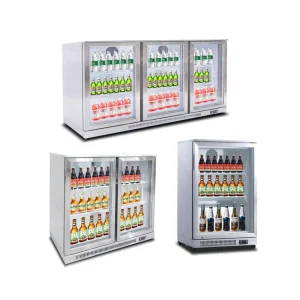
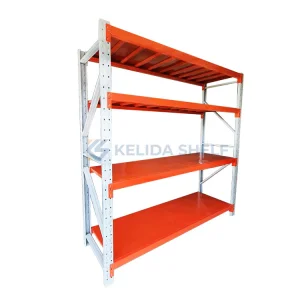
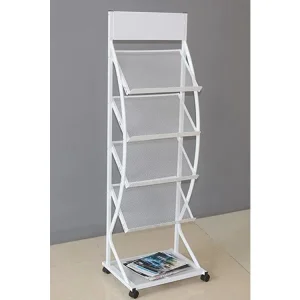
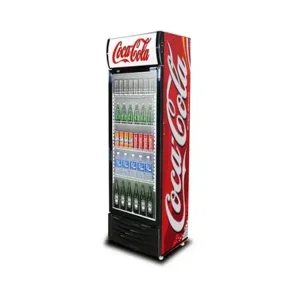
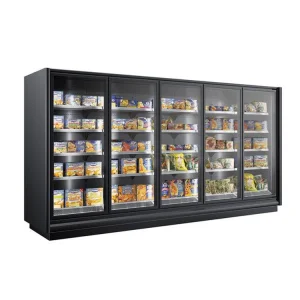
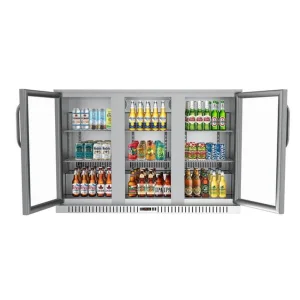
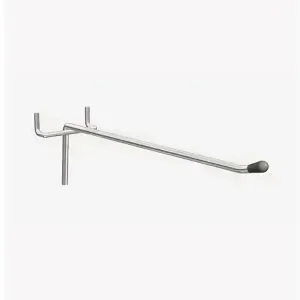
Explore our extended range of heavy-duty warehouse racking, supermarket display shelves, and commercial refrigeration units.
 Kelida Racking