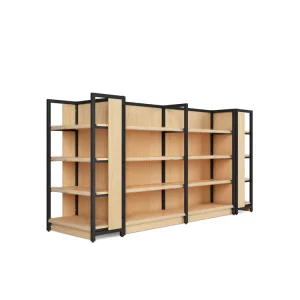
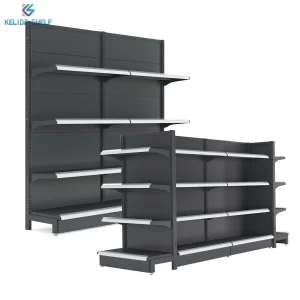
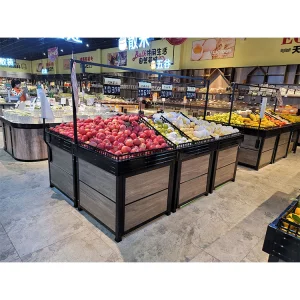
High-load structural systems engineered to optimize vertical space utilization while securing compliance with stringent safety metrics.
In the current global economic landscape, industrial space optimization is no longer just a facility management concern—it is a critical driver of supply chain resilience and bottom-line margin expansion. The global rise of third-party logistics (3PL) providers, rapid e-commerce expansion, and the adoption of Just-in-Time (JIT) manufacturing paradigms have forced businesses to maximize spatial efficiency. Every square meter of warehouse footprints must yield high volumetric returns.
Heavy-duty storage racking systems represent the structural backbone of modern supply chain hubs. However, selecting a top-tier manufacturing partner involves analyzing critical engineering criteria: material tensile strength, dynamic load analysis, structural weld integrity, and localized safety code alignments. As organizations pivot toward automation and smart warehousing, the quality of physical storage infrastructure acts as the fundamental layer upon which automation systems—like Automated Storage and Retrieval Systems (AS/RS)—operate.
Understanding these elements is the key to preventing catastrophic dynamic collapse, optimizing material flow, and securing multi-decade lifecycles under intense operating cycles.
To successfully export heavy-duty racking solutions globally, manufacturers must strictly conform to regions-specific structural regulations:
A global leader in structural engineering, automated manufacturing, and high-density industrial racking production.
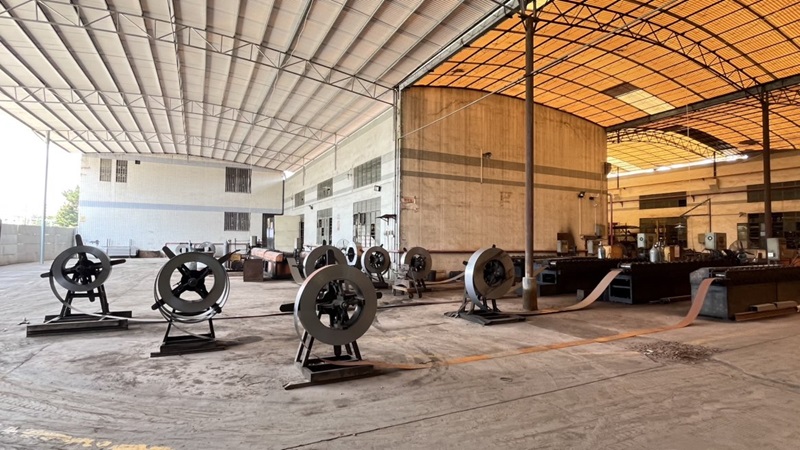
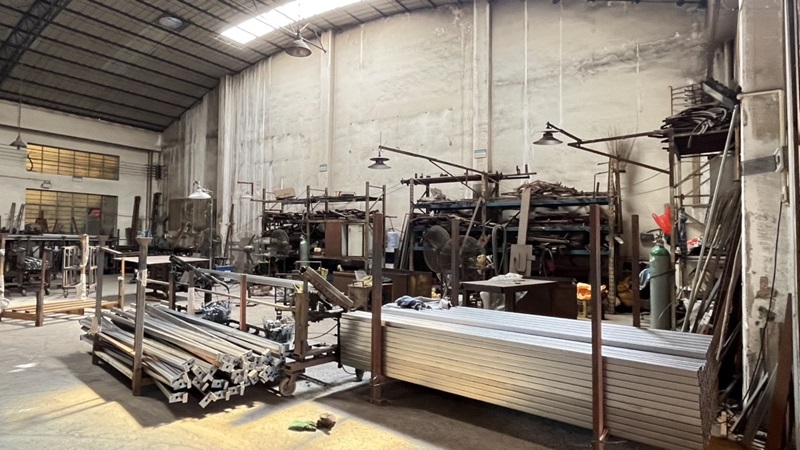
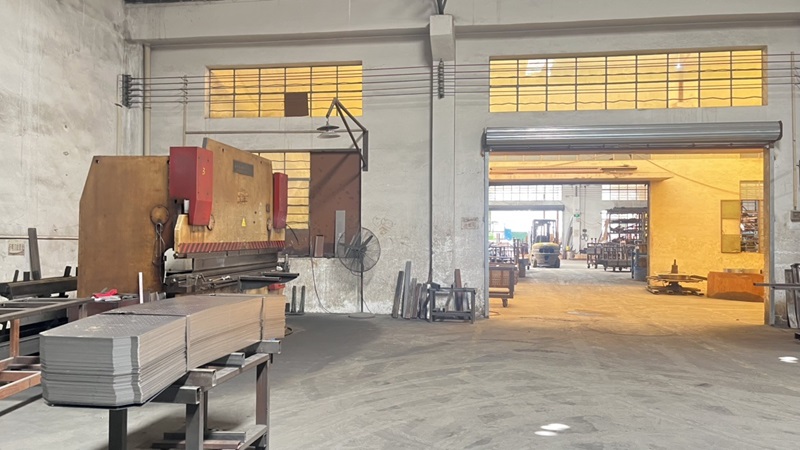
Established in 2014, Ningbo Kelida Shelf Co., Ltd. has established itself as an authoritative manufacturer specializing in industrial warehouse racking and heavy-duty storage shelving solutions. Operating from a state-of-the-art 28,000 square meter modern manufacturing facility, Kelida utilizes advanced metalworking systems to produce high-tolerance structural steel racking. With over 12 years of industry experience and 8 years of dedicated international trade expertise, Kelida has successfully expanded its footprint, recording a robust annual export revenue of over $18 million.
Innovating to match changing industry demands, Kelida’s R&D wing boasts 15 professional structural engineers who design customized load-bearing racking layouts and high-stability configurations. The R&D team introduced 35 new storage products last year alone, addressing emerging high-density spatial constraints. Kelida is capable of delivering comprehensive customization, adjusting load capacities, spatial footprint configurations, dynamic warehouse structures, custom profiles, and anti-corrosive powder finishes to meet client specifications.
By coordinating a complex, high-resilience supply chain involving over 650 qualified raw material and component partners, Kelida ensures uninterrupted manufacturing cycles and stays price-competitive. Through high-durability products and reliable engineering support, the company optimizes industrial operations worldwide.
Quality assurance is embedded in every stage of Kelida's facility operations. Supported by a specialized internal compliance team of 22 quality control (QC) specialists, the company enforces rigorous material testing and structural analysis:
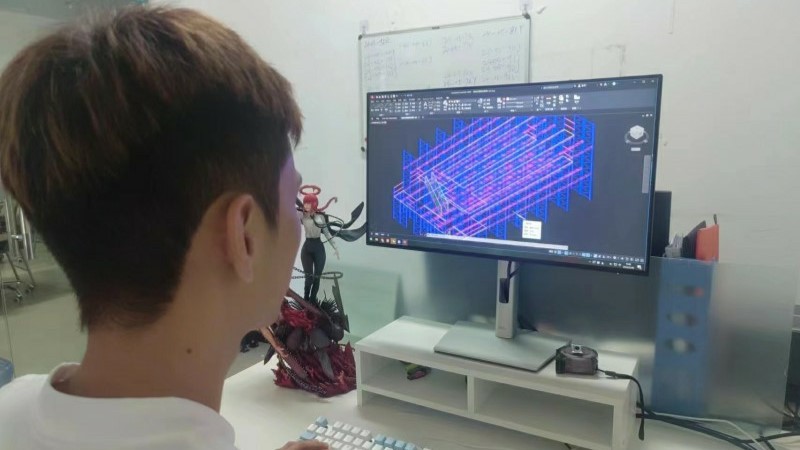
Touring Kelida's vertically integrated production line, where structural steel is forged into high-capacity warehousing systems.
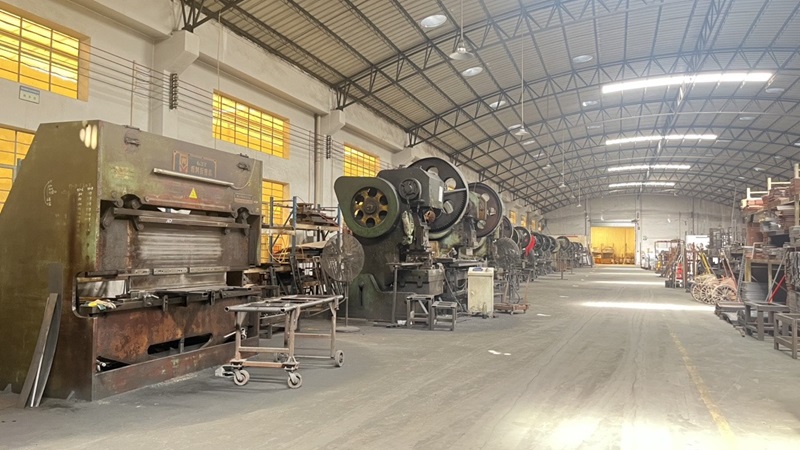
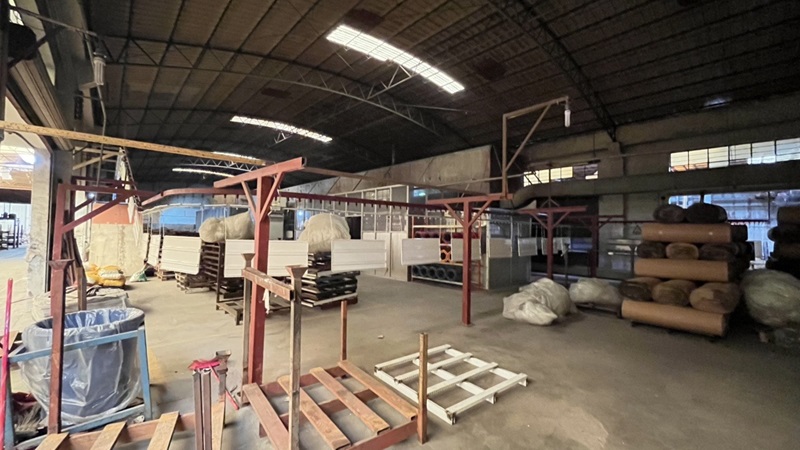
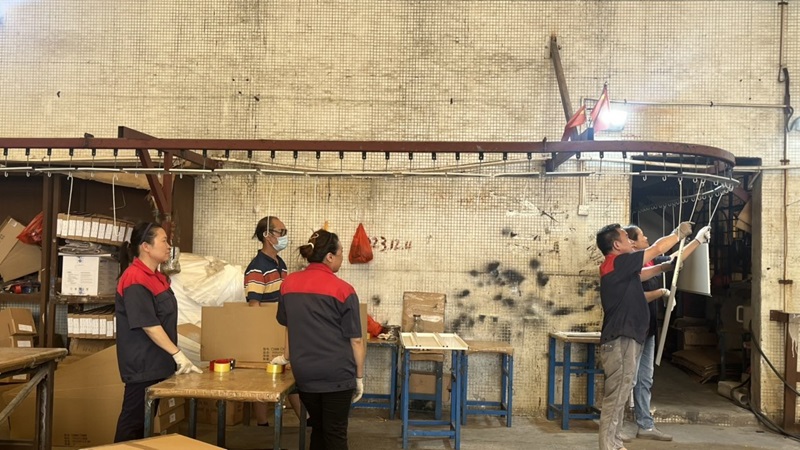
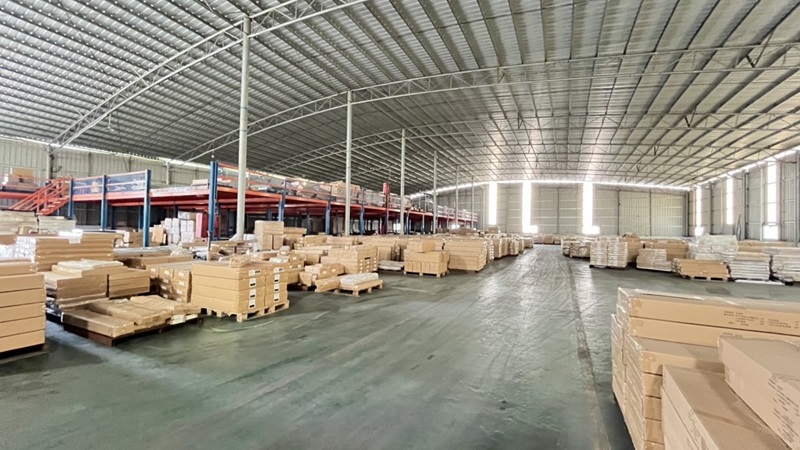
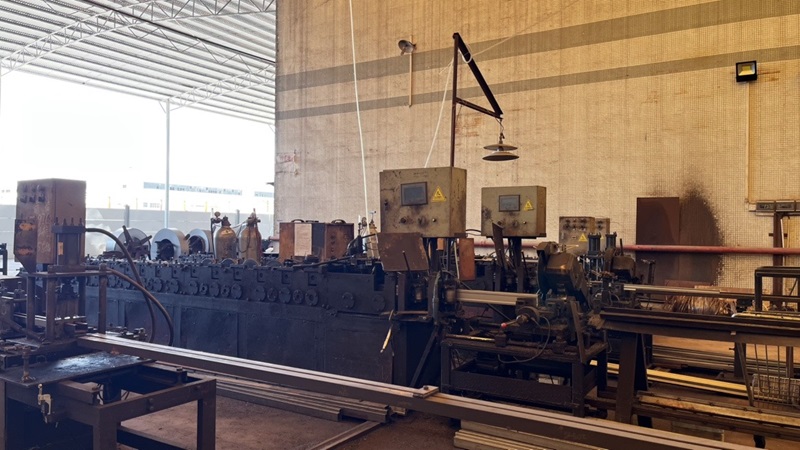
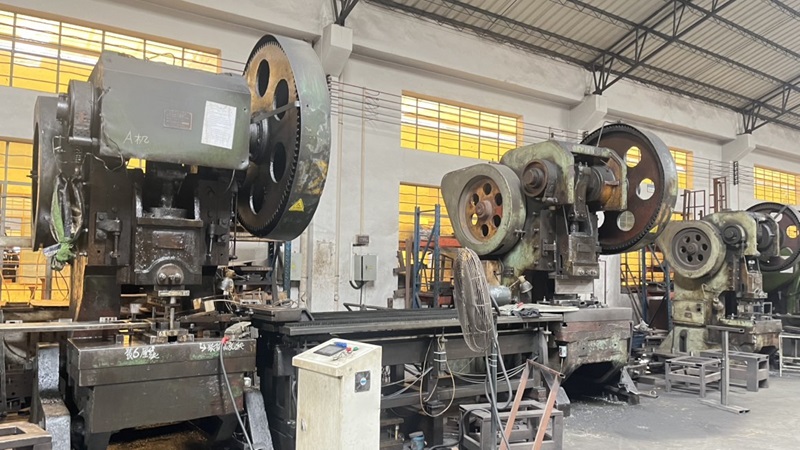
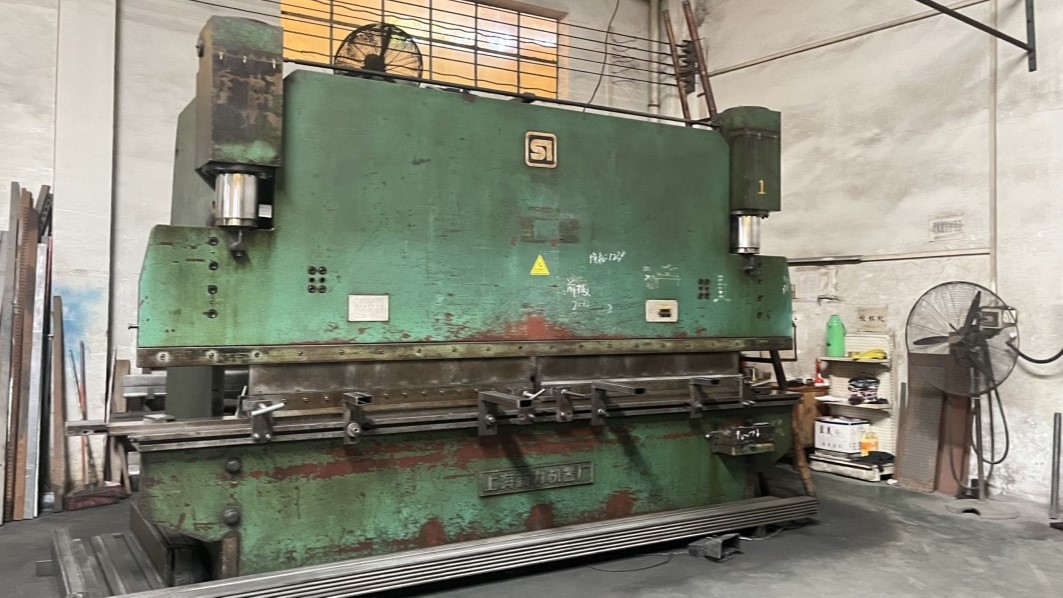
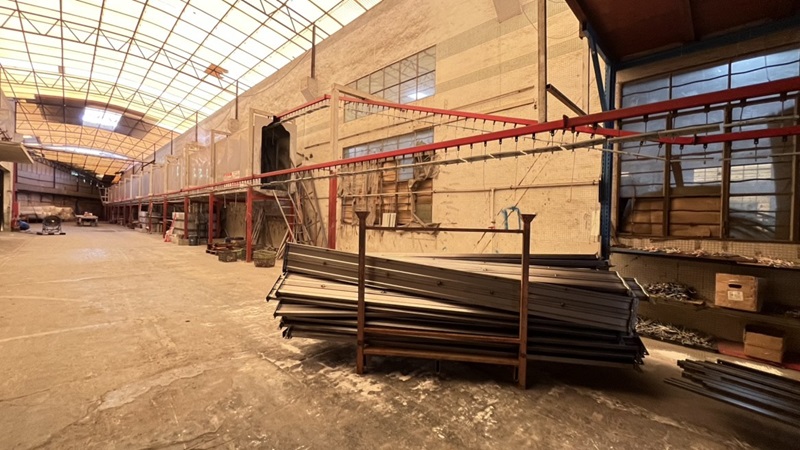
A technical guide for industrial engineers selecting high-capacity steel storage systems.
The choice of steel directly determines the load limits and safety factors of racking systems. High-tensile steel grades like Q355B (yield strength ≥355 MPa) and Q235B (yield strength ≥235 MPa) are the industry standards. Using premium grade steel ensures structural resilience under heavy loading, minimizing deflection over time.
Modern structures must account for lateral seismic accelerations. Standard racking undergoes FEA (Finite Element Analysis) to simulate dynamic loads. Uprights, bracing patterns, baseplate thicknesses, and expansion anchor sizes are engineered to meet localized seismic codes and prevent failure under ground motion.
Industrial settings expose storage systems to moisture, chemical agents, and low temperatures. High-grade electrostatically deposited powder coatings (ranging from 60 to 90 microns) resist chipping and rust. Galvanized steel finishes are recommended for damp environments or sub-zero cold-storage facilities.
Standard engineering profiles for heavy-duty industrial storage racks:
| Racking Type | Typical Load Capacity | Recommended Steel Grades | Structural Compliance | Application Scope |
|---|---|---|---|---|
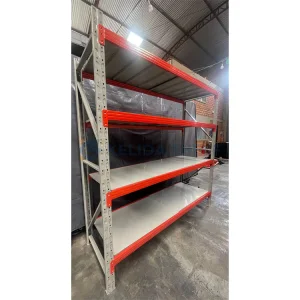
| Selectivity Pallet Racking | 1,000 kg – 4,000 kg / level | Q235B, Q355B, SS400 | RMI MH16.1, FEM 10.2.02 | General warehousing, fast logistics, retail distribution |
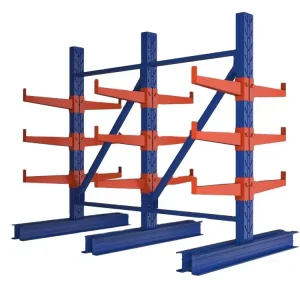
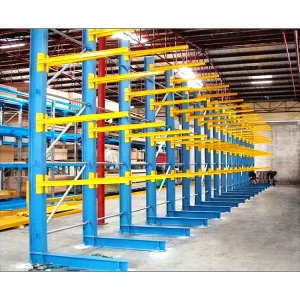
| Cantilever Racking | 500 kg – 1,500 kg / arm | Q355B structural steel columns | AS4084-2012, EN 15620 | Lumber storage, metal tubes, long extrusion profiles |
| Drive-In / Drive-Through | 1,000 kg – 1,500 kg / pallet | Q235B high-ductility steel | FEM 10.2.07, RMI standards | Cold storage, food and beverage batch distribution |
| Push-Back & Gravity Flow | Up to 2,000 kg / pallet space | Q355B high-yield channel profiles | EN 15512, RMI compliance | High-density FIFO/LIFO food, pharma warehousing |
The global warehousing market is shifting toward hybrid systems that integrate standard pallet racks with automated machinery. In North America and Western Europe, labor shortages and rising land costs have accelerated the deployment of Automated Guided Vehicles (AGVs) and stacker cranes. These systems require strict manufacturing tolerances—often down to +/- 1mm—as automated systems cannot easily tolerate structural warping or misaligned columns.
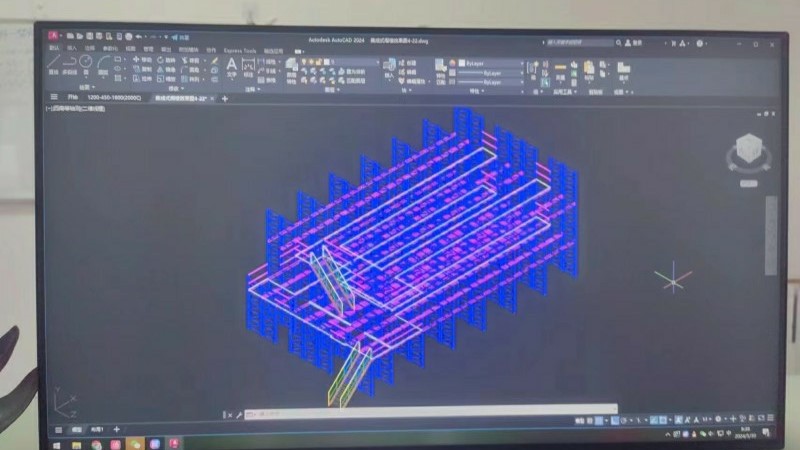
Top-tier manufacturers are upgrading their production lines with CNC rolling mills, multi-stage welding robots, and automated powder coating systems to guarantee these tight tolerances. Selecting a manufacturer that utilizes CAD/FEA simulation software ensures the final rack structure can withstand complex static and dynamic forces without warping.
Exporting structural steel systems globally requires meeting regional compliance codes. Leading manufacturers offer comprehensive support, including localized structural engineering certifications, dynamic seismic calculations, and clear documentation (mill sheets, load ratings, and assembly guides) to streamline installation and inspection.
Furthermore, sourcing partners must manage international logistics challenges—including anti-dumping tariffs, packing volume optimizations, and maritime shipping constraints. Safe transit is ensured by packing racking uprights and beams with heavy-duty structural straps, multi-layer bubble wrap, and structural timber dunnage to prevent transport damage.
Answers to common questions about heavy-duty storage configurations, safety standards, and global purchasing procedures.
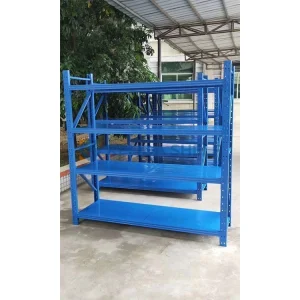
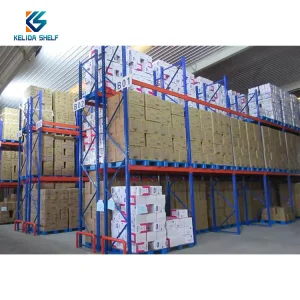
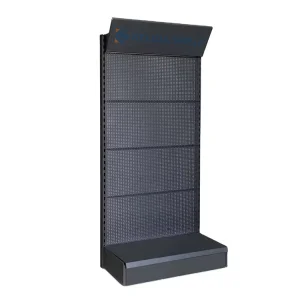
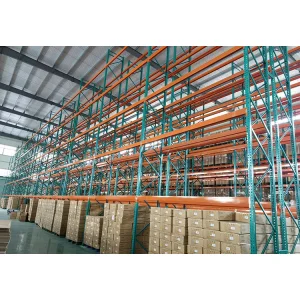
Industrial long-span racking systems, high-density cantilever structures, and commercial shelving for modern logistics hubs.
 Kelida Racking