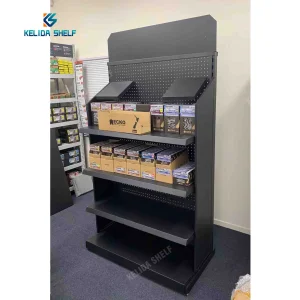
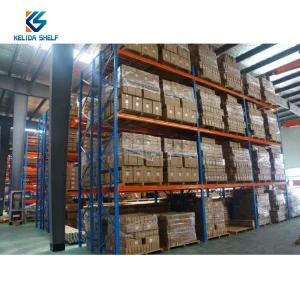
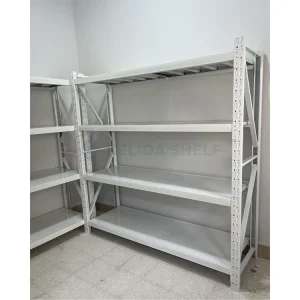
Engineered storage solutions and retail systems designed for heavy-duty operational environments.
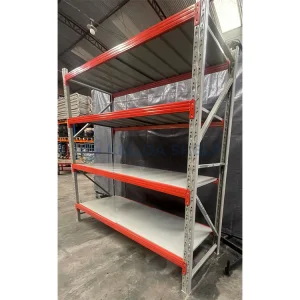
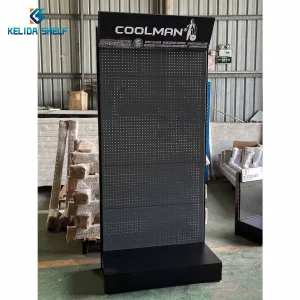
From simple display structures to high-performance, dynamic spatial engineering arrays.
Modern retail spatial planning and industrial inventory management have moved far beyond static displays. Today, Gondola Shelving Systems serve as the structural backbone of high-footfall hypermarkets, automotive supply retailers, dynamic warehouse supermarkets, and electronic showrooms globally. Selecting the right manufacturer requires an analysis of structural integrity, engineering standards, powder chemistry, and modular configuration elasticity.
Utilizing structural grades of cold-rolled steel like Q235B and SPCC ensures reliable load-bearing performance and elastic resilience against dynamic impacts.
Thermo-hardened epoxy polyester powder coating structures shield raw steel components from humidity, scratch abrasions, and chemical cleaner deterioration.
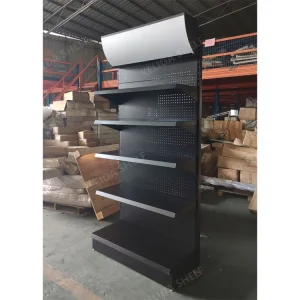
Unmatched modularity supporting quick modification between pegboard backing, slatwall inserts, perforated sheet metal, and standard solid steel backing panels.
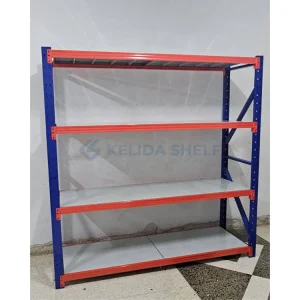
The engineering of retail gondola shelves must balance safety margins with spatial capacity. Standard configurations rely on three-piece bracket systems inserted into slotted upright posts (typically featuring 25mm or 50mm pitch heights). Leading manufacturers optimize the structural shape of upright posts using multi-stage cold roll forming mills, which increases resistance against bending under asymmetric loads.
When calculating load capacity, structural engineers refer to the Uniformly Distributed Load (UDL) model. While a standard duty shelf tier should support 80kg to 120kg UDL, industrial-grade applications like automotive parts or heavy hardware displays require up to 250kg UDL per tier. Achieving this performance depends on the steel gauge thickness (from 0.8mm to 1.2mm for shelves, and up to 2.5mm for heavy structural uprights) and the addition of under-shelf stiffener ribs welded via high-frequency automated robotic cells.
SEO Intent Focus Note: For enterprise procurement managers, evaluating structural failure risks (buckling, post deflection, bracket yield) is key when comparing suppliers. Certified manufacturers provide Finite Element Analysis (FEA) reports to verify their structural safety margins under maximum load conditions.
Operational Blueprint and Core Engineering Capabilities of a Premier Industrial Supplier.
Ningbo Kelida Shelf Co., Ltd. is a leading manufacturer specializing in industrial warehouse racking and heavy-duty storage shelving solutions. Established in 2014, the company operates a modern manufacturing facility spanning 28,000 square meters. Backed by 12 years of industry experience and 8 years of international trade expertise, Kelida has grown into a trusted global supplier, achieving an annual export revenue of over $18 million.
Driven by strong innovation, our experienced R&D team of 15 structural engineers released 35 new storage products last year. We offer complete customization options, including tailored load capacities, dynamic warehouse layouts, custom dimensions, and corrosion-resistant powder coatings. Our integrated supply chain network collaborates with over 650 qualified raw material and component partners, ensuring seamless production cycles and competitive pricing.
Quality control is embedded in every stage of our operations. Supported by a dedicated quality assurance team of 22 QC specialists, we implement rigorous inspection procedures—including raw material tensile testing, automated weld inspection, dynamic load capacity verification, and salt-spray corrosion testing—to guarantee that every rack meets international safety standards.
As an export-oriented enterprise, our primary markets cover North America, Western Europe, Southeast Asia, and the Middle East. We proudly serve a diverse client base, including third-party logistics (3PL) providers, industrial manufacturing plants, e-commerce distribution hubs, and commercial wholesale distributors. Through high-durability products and reliable engineering support, Ningbo Kelida Shelf Co., Ltd. remains committed to optimizing warehouse efficiency for businesses worldwide.
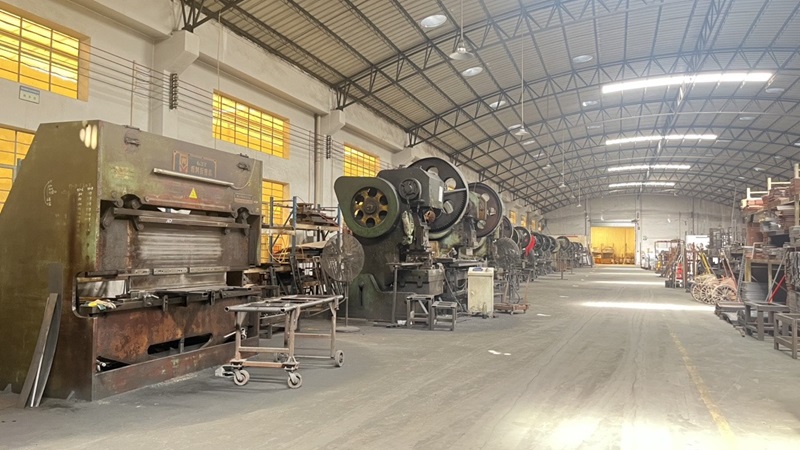
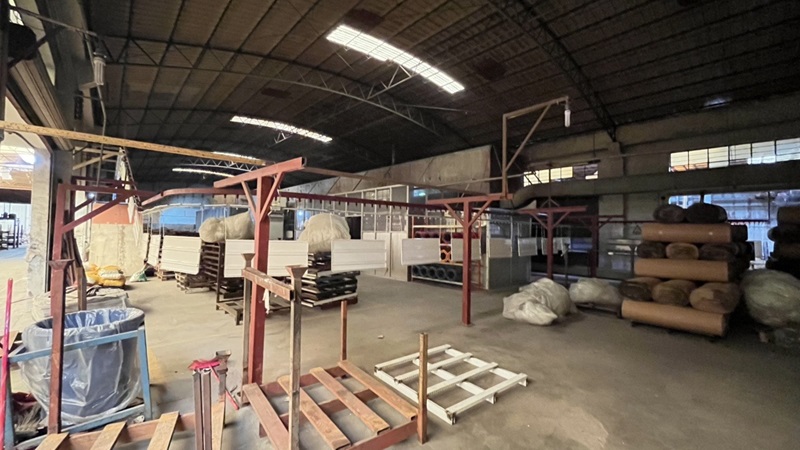
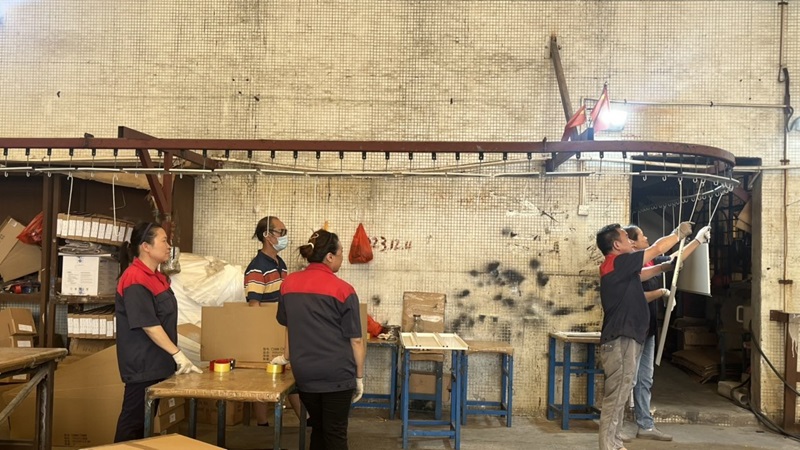
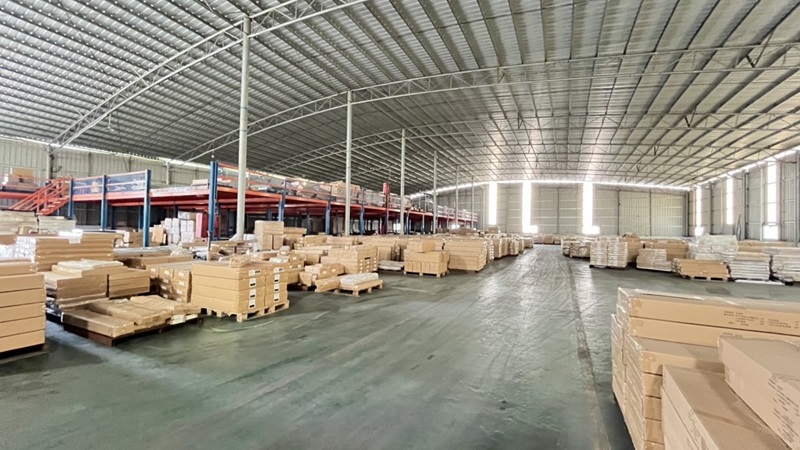
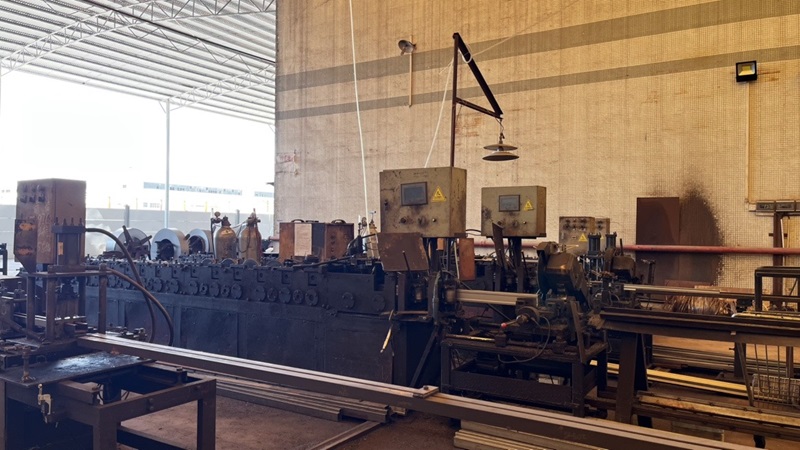
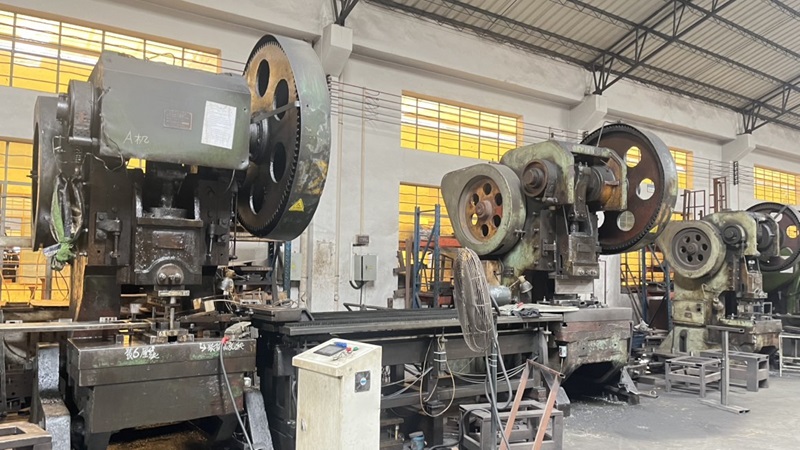
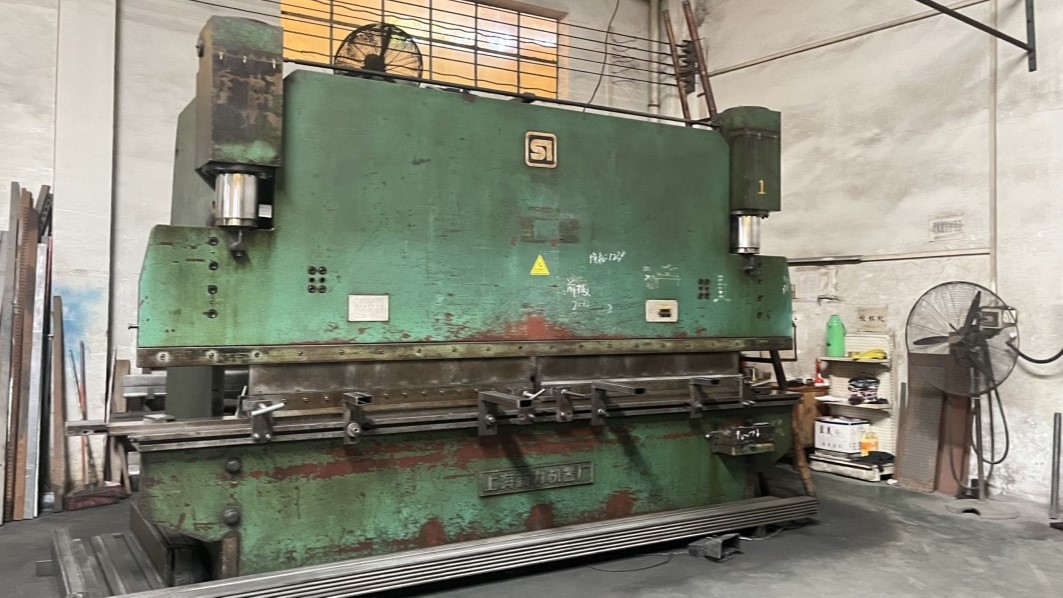
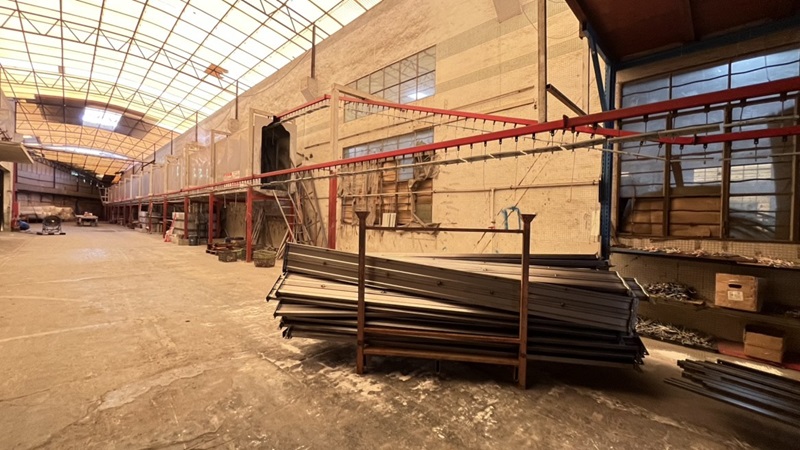
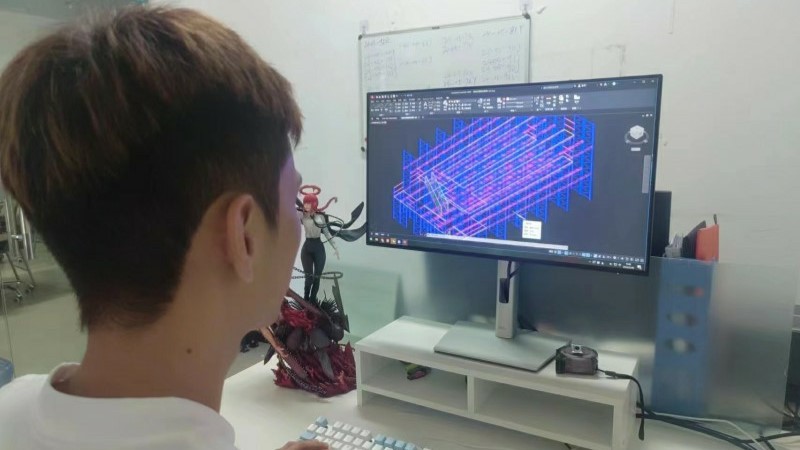
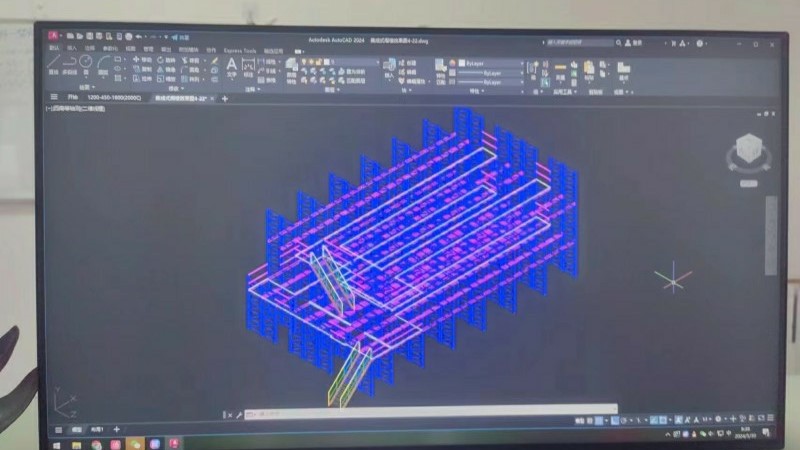
Take a closer look at the advanced machinery and structural design software powering Kelida's facility. Our processes are automated from sheet-metal uncoiling to final product packaging, ensuring dimensional accuracy and structural consistency.
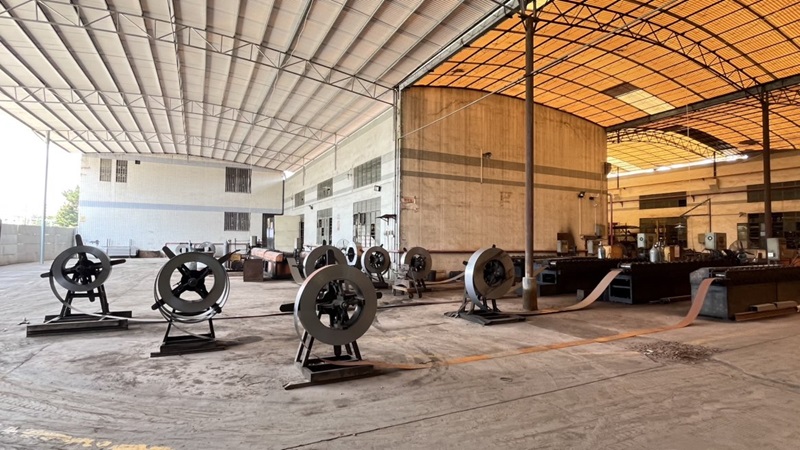
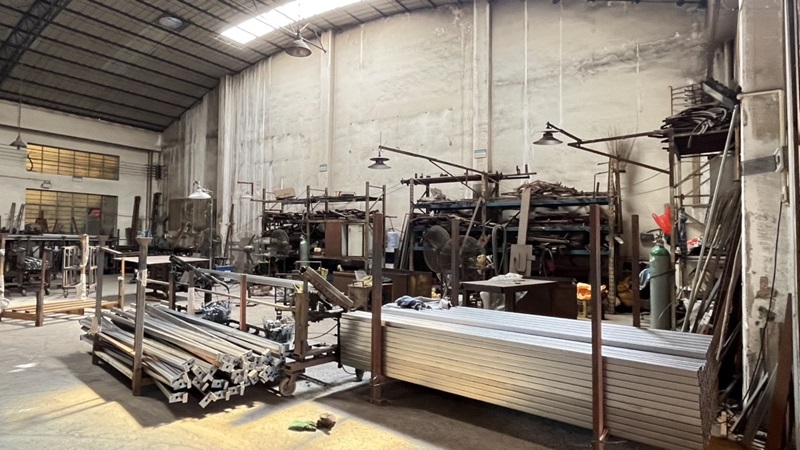
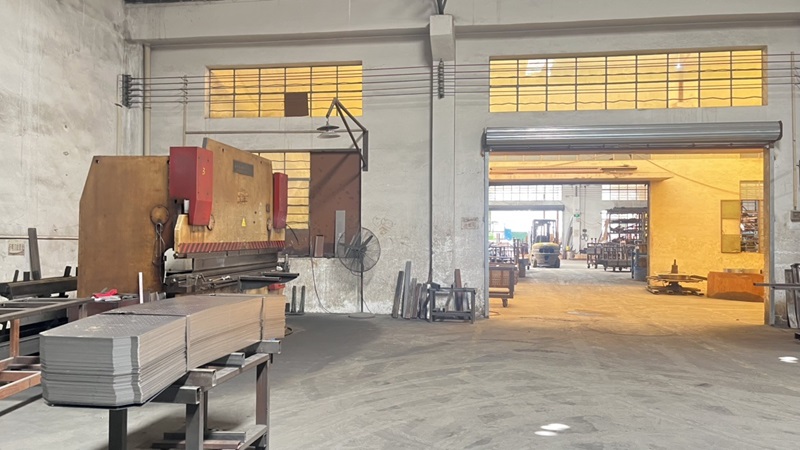
Bridging the gap between front-end commercial retail spaces and back-end fulfillment networks.
Modern retail is increasingly hybrid, with many supermarkets operating partly as dark stores for e-commerce. As click-and-collect orders rise, physical stores require retail systems that can transition seamlessly into high-density storage zones.
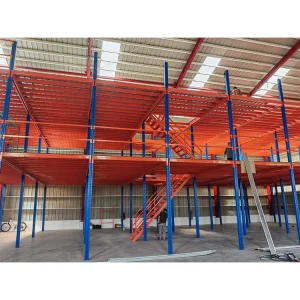
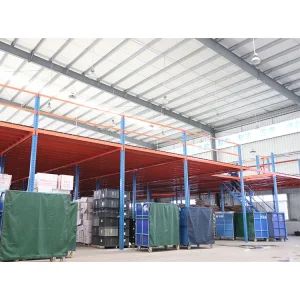
Our solutions combine standard modular gondola displays with heavy-duty overhead racking. This layout positions fast-moving consumer goods (FMCG) at eye level for retail customers, while bulk inventory is stored directly above on heavy-duty pallet racks. This system helps maximize vertical space in high-rent urban retail locations.
Storing items in specialized settings (such as fresh food sections or unconditioned spaces) requires high corrosion resistance. We subject our raw steel to multi-stage pickling, iron phosphating, and electrostatically applied polyester powder coatings. Salt-spray testing verifies that these finishes stand up to regular sanitization protocols.
| System Type | Common Materials | Ideal Application Scenario | Max Load per Level | Key Performance Indicator |
|---|---|---|---|---|
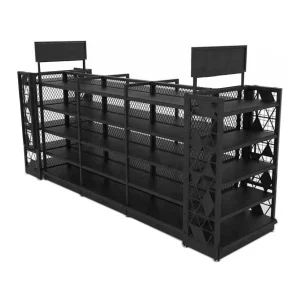
| Modular Gondola Display | Cold-rolled Steel SPCC | Supermarkets, Hardware Stores, Pharmacies | 80kg - 150kg | Assembly Speed & Accessories Modularity |
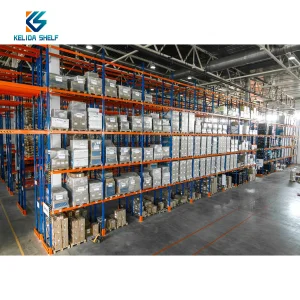
| Heavy Duty Pallet Racks | Structural Steel Q235B | Industrial Warehouses, Distribution Centers | 1,000kg - 4,000kg | Deflection Limits & Structural Safety Margins |
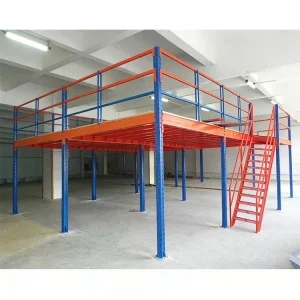
| Steel Mezzanine Platforms | Hot-rolled H-Beams / C-Section | E-commerce Hubs, Spare Parts Storage | 300kg - 1,000kg/㎡ | Seismic Grade Compliance & Space Multiplier |
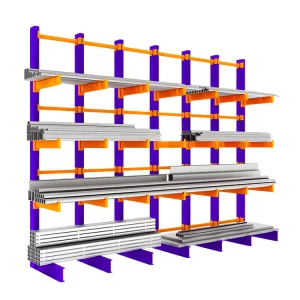
| Cantilever Racks | Heavy Gauge Structural Steel | Piping, Lumber Yards, Automotive Profiles | 300kg - 1,000kg/Arm | Bending Moment Resistance & Arm Adjustability |
A structured approach for supply chain executives evaluating overseas manufacturing partners.
Procuring commercial retail systems globally involves managing logistics complexities and meeting local safety standards. Below is a checklist for evaluating international manufacturers:
Looking ahead at how automation and IoT are reshaping traditional shelving design.
As retail operations digitize, traditional shelving is becoming a data-collection point. Industry R&D is focused on three main areas of development:
Modern upright frames now include integrated power channels to run electronic shelf labels (ESL). This design hides wires, protecting them from damage during restocks.
Smart shelves with built-in load cells track inventory weight in real time. The system automatically alerts warehouse logistics systems when stock falls below pre-set levels.
Manufacturers are shifting toward sustainable processes, utilizing carbon-neutral steel, zero-waste water recycling systems, and powder coatings free of Volatile Organic Compounds (VOCs).
Engineering answers to common questions about design, loading capacity, and materials.
Commercial shelving mainly uses cold-rolled steel (SPCC) for display panels and brackets, and hot-rolled structural steel (Q235B or Q345B) for heavy-duty upright frames and warehouse racks. Q235B is widely used for its reliable yield strength (235 MPa) and good weldability. SPCC provides a smoother surface finish, which helps achieve high-quality powder coating coverage on components visible to retail customers.
The Uniformly Distributed Load (UDL) calculation assumes weight is spread evenly across the surface of the shelf. Key factors include the steel sheet gauge (thickness), the shape of the shelf edges, and the number of reinforcement channels welded underneath. For safety, engineering designs typically apply a safety factor of 1.5 to 2.0 times the rated load capacity before structural failure occurs.
During ocean transit, shipping containers are exposed to high humidity and salt levels, which can accelerate rust on poorly coated steel. To prevent this, quality manufacturers run ASTM D3359 cross-hatch adhesion tests, impact resistance checks, and multi-hour salt spray tests. A high-quality coating ensures the product arrives without corrosion issues and extends its working life in high-humidity zones.
Yes. Heavy-duty storage platforms can be engineered to support retail gondolas on the lower level, with administrative spaces, offices, or extra inventory storage on the mezzanine level above. This approach optimizes the building's vertical clearance, though structural designs must account for local seismic codes and building load limits.
Pegboards use standard 1-inch hole configurations to support simple merchandise hooks and hangers. Slatwall panels feature horizontal grooves designed for heavier-duty retail accessories like brackets, display faceouts, and storage bins. Metal slatwalls are typically preferred for bulkier or heavier items because they offer greater resistance to deformation.
Heavy-duty systems, custom displays, and multi-tier structural storage designs.
 Kelida Racking