Engineered for extreme environments, heavy dynamic loads, and versatile configurations.
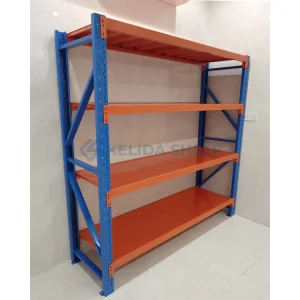
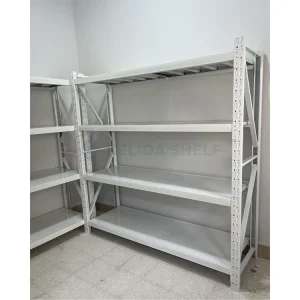
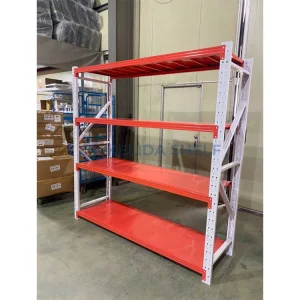
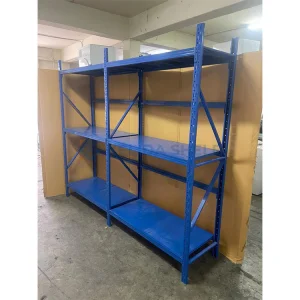
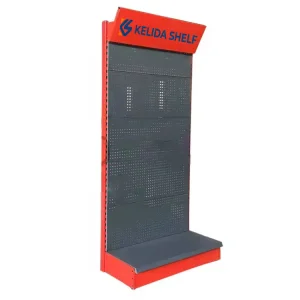
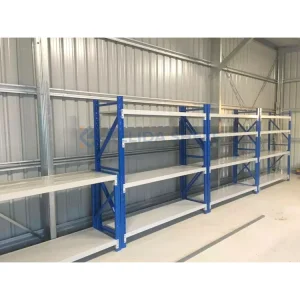
In the era of modern logistics, e-commerce, and high-frequency supply chains, structural storage systems have evolved far beyond passive physical structures. Today's tool racks, pallet systems, and display assemblies are vital nodes in dynamic product workflows. Procurement and operations directors face structural shifts driven by automated retrieval systems, localized logistics networks, and aggressive requirements for structural safety.
Modern operations require floor spaces to be continuously reconfigured. Dynamic racking designs allow warehouses to change spatial densities and structural load distribution in real-time, decreasing the cost of spatial expansions. Modular components mean quick upgrades, reduced layout disruption, and seamless compatibility with automated guided vehicles (AGVs) and standard material-handling equipment.
Advanced metallurgical sourcing is vital. Leading exporters rely on high-yield, cold-rolled structural steel (typically Q235B and SPCC) to reduce weight while increasing load limits. Additionally, industrial users require non-toxic, TGIC-free thermosetting powder coatings that resist corrosion, chemical exposure, and mechanical impact. This increases product lifespans under demanding environmental conditions.
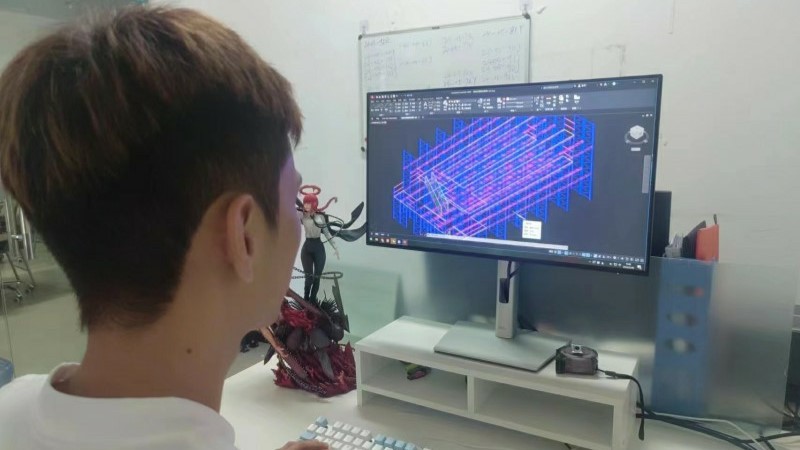
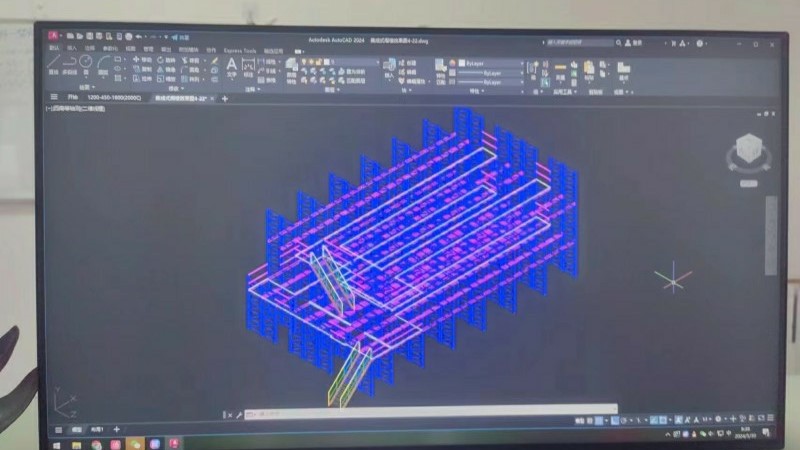
Seismic & Load Calculation Standards: Top-tier manufacturers design structural racks using Finite Element Analysis (FEA) to verify compliance with EN 15512 and RMI (Rack Manufacturers Institute) standards. Buying generic racks without dynamic load certification can lead to catastrophic structural failure under seismic or load-shift stresses.
A premier global manufacturing center producing high-durability warehousing systems and heavy-duty steel shelving.
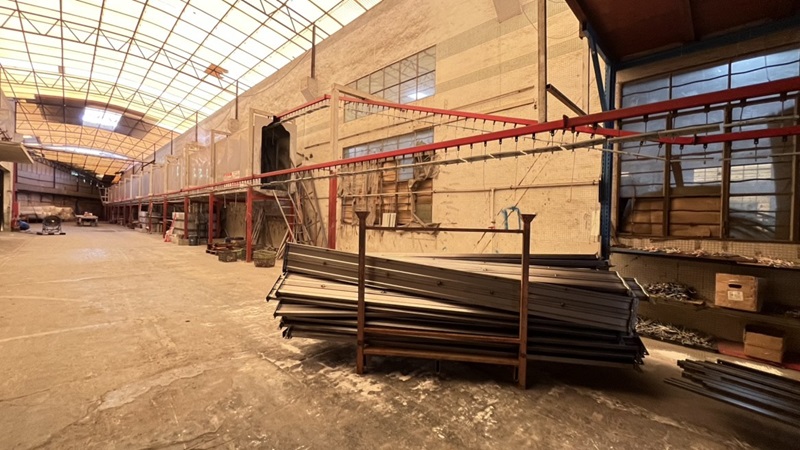
Established in 2014, Ningbo Kelida Shelf Co., Ltd. operates a 28,000-square-meter advanced manufacturing facility designed for high-efficiency metal fabrication and precise quality management. With over 12 years of structural steel experience and 8 years of international trade operations, Kelida has built a reputation for high product performance and reliability, achieving an annual export volume of over $18 million.
Modern supply chains face complex global logistics, materials shortages, and volatile shipping costs. To counter this, Ningbo Kelida Shelf Co., Ltd. has developed a robust network of over 650 qualified raw material and structural component partners. This supply chain, combined with our automated production facilities, ensures short manufacturing cycles and competitive pricing.
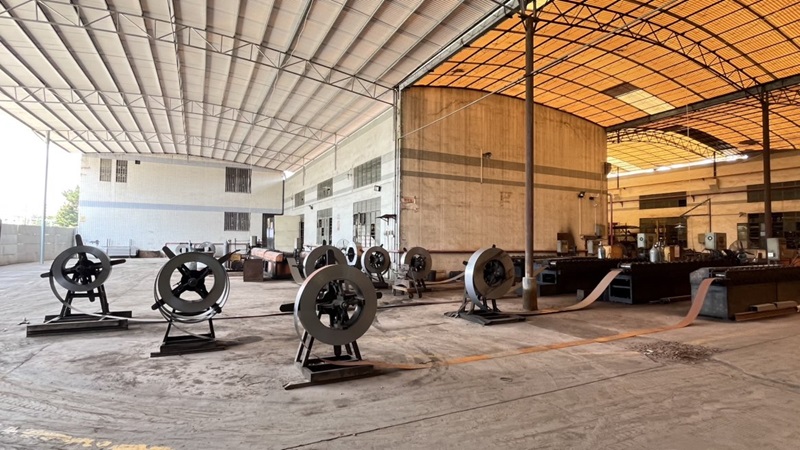
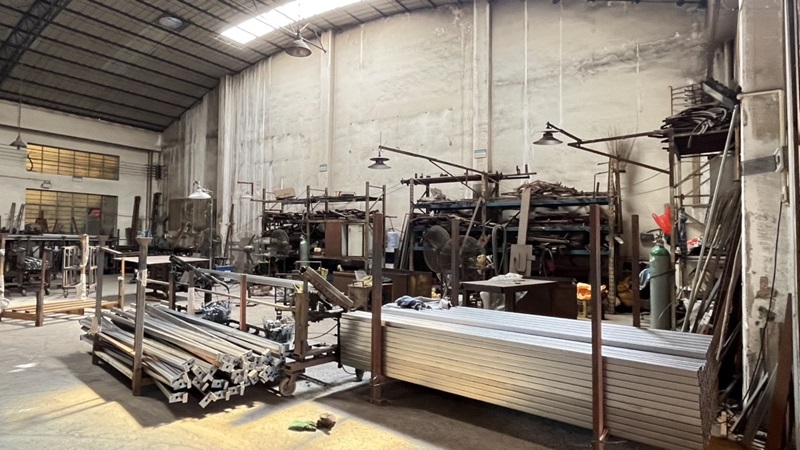
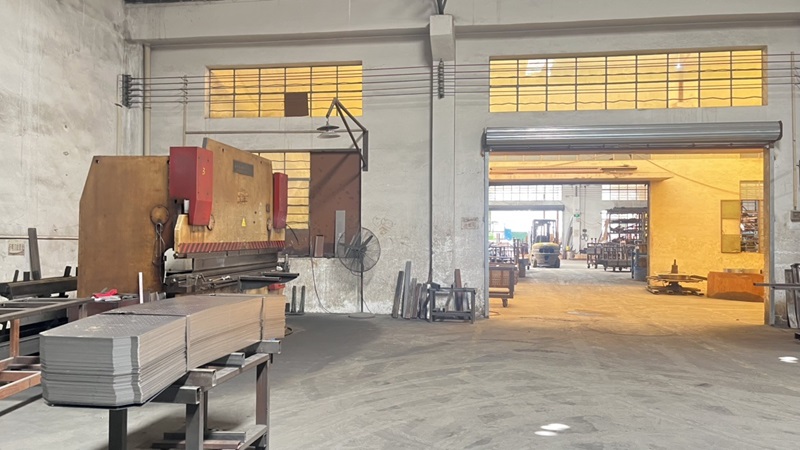
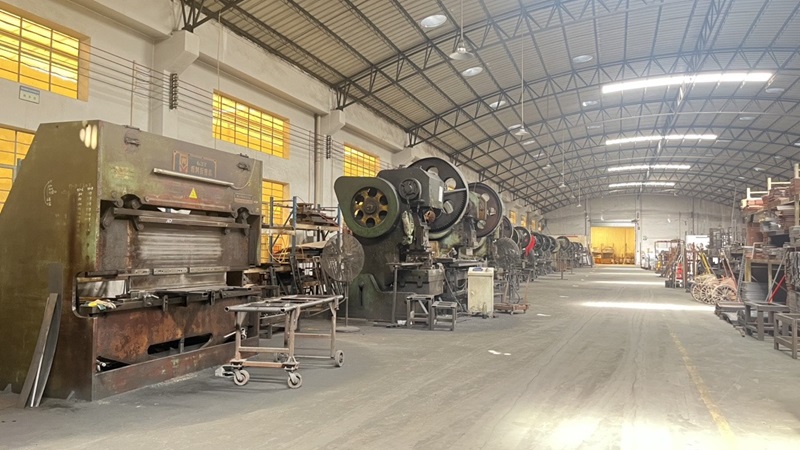
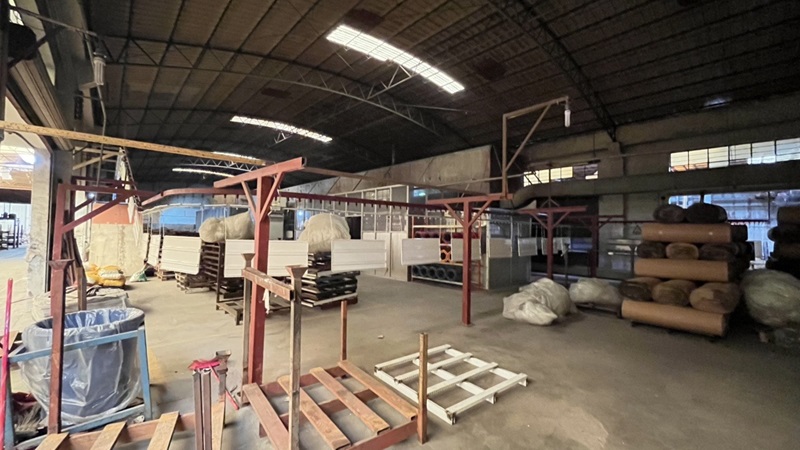
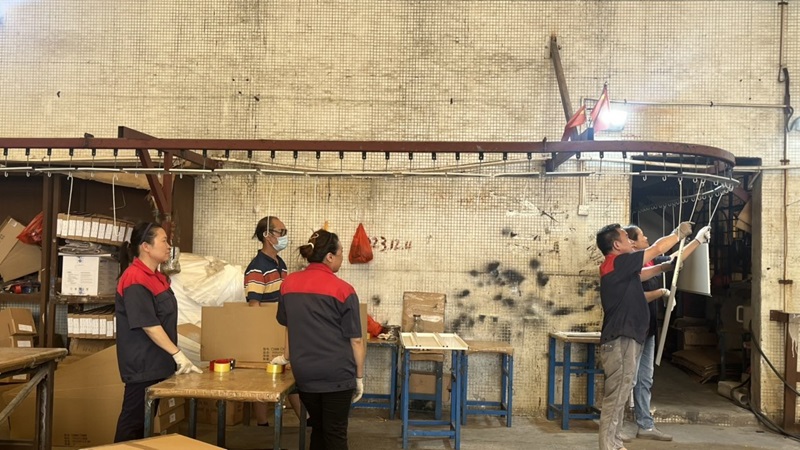
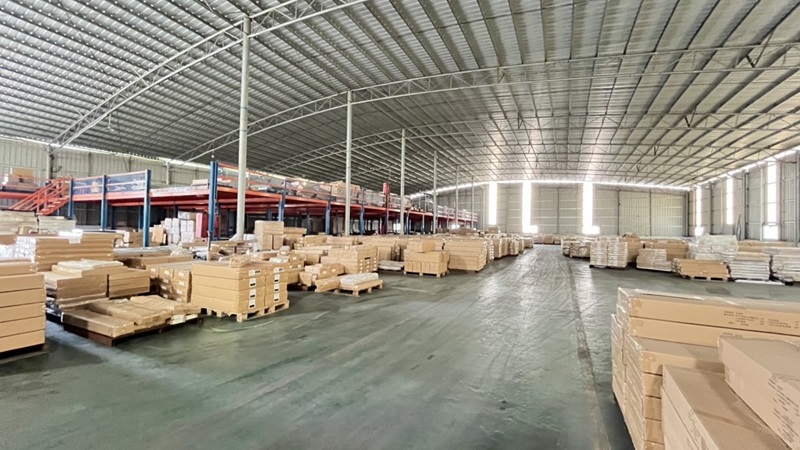
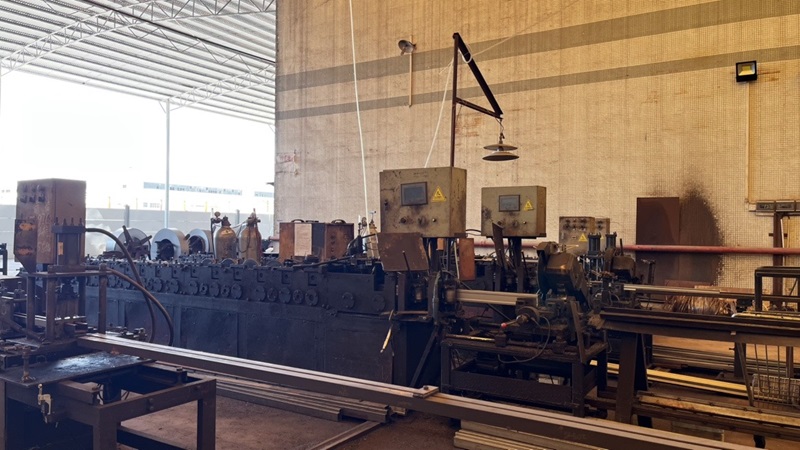
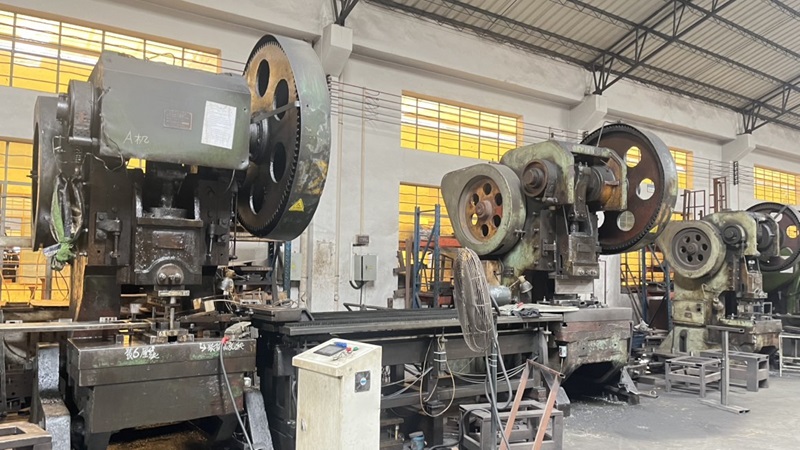
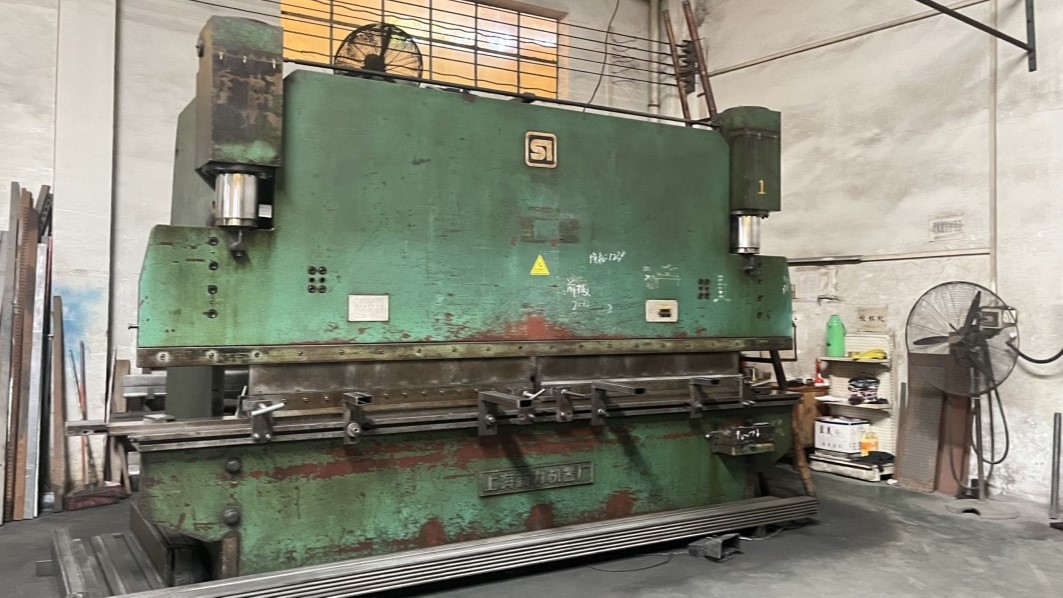
Procurement processes differ based on warehouse size, load capacity needs, and regional safety requirements. Successful supply chain strategies depend on aligning engineering specifications with actual operational demands.
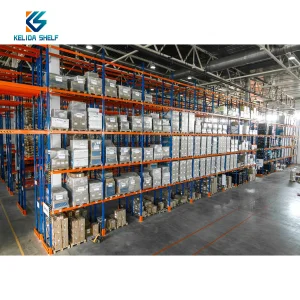
Target Operations: Third-Party Logistics (3PL), automotive assembly plants, raw material warehouses, and heavy-equipment storage hubs.
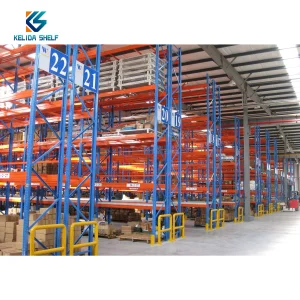
Engineering Focus: Adjustable pallet racking systems require precise calculation of upright profiles and beam sections. They must withstand static stresses and dynamic forces from forklifts, and feature integrated anti-collapse safety meshes and heavy-duty corner guards.
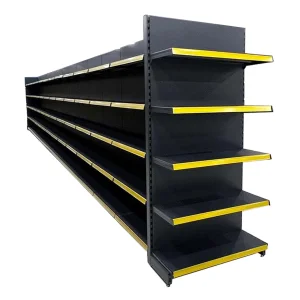
Target Operations: Commercial wholesale hypermarkets, convenience store chains, and dedicated hardware retail displays.
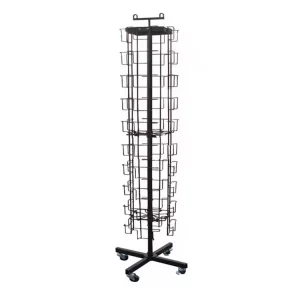
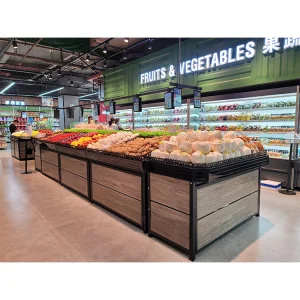
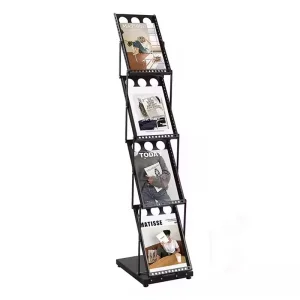
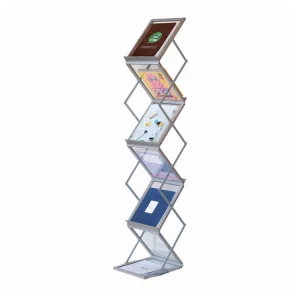
Engineering Focus: These environments require systems like store gondolas, wooden product display stands, and rotating display units. Designers focus on tool-free modularity, dynamic shelf spacing, and high-quality coatings to resist wear from consumer use.
Under Google’s E-E-A-T guidelines, safety and quality assurance are paramount for industrial infrastructure. Our operations feature a dedicated quality control team of 22 QC specialists who oversee the fabrication process from raw steel sourcing to container loading.
Essential engineering and logistics details for procurement managers and design engineers.
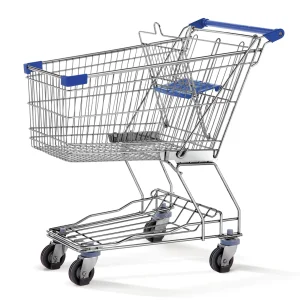
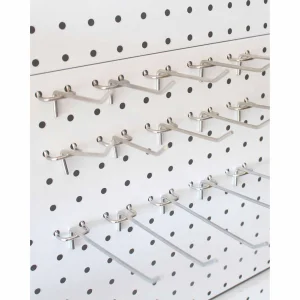
Specialty display shelving, functional retail pegboards, and heavy-duty material handling equipment.
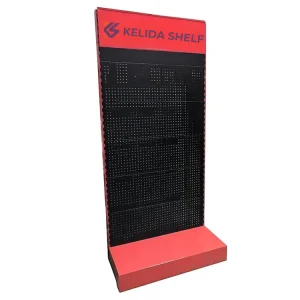
 Kelida Racking