Explore our premium grade heavy-duty components and specialized commercial shelving racks manufactured to strict international tolerances.
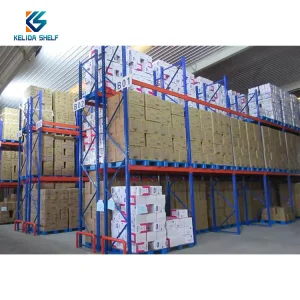
Modern fulfillment operations are undergoing a monumental shift toward higher spatial density and automated logistics cycles. As high-volume distribution centers, cold chain facilities, and third-party logistics (3PL) providers navigate rising real estate values, the demand for high-capacity Live Storage Racks (FIFO Gravity Flow Systems) has surged globally. Dynamic racking optimizes floor footprints, eliminating secondary traffic lanes by utilizing gravity-fed rolling lanes.
For operations involving perishable goods, pharmaceuticals, or high-velocity retail fulfillment, stock rotation is non-negotiable. Traditional static storage models run the risk of materials being buried under newer stock. Under the First-In, First-Out (FIFO) methodology, goods loaded from the rear feeding aisle glide down a structural gradient to the front unloading aisle automatically. Our heavy-duty live storage systems ensure optimized throughput without requiring constant forklift positioning, reducing carbon footprints and operational cycle times.
Ningbo Kelida Shelf Co., Ltd. answers this critical global demand by engineering industrial-grade live storage racking systems customized precisely to client material specifications. Leveraging our advanced 28,000 m² factory footprint and raw-material purchasing leverage, we deliver high-performance dynamic racking options that integrate seamlessly into complex mechanical supply chains across North America, Western Europe, Southeast Asia, and the Middle East.
From complex industrial plant assembly lines to high-throughput commercial wholesale distributors, discover how we resolve critical operational bottlenecks.
Maximized thermal efficiency. By compressing racking paths and reducing vertical dead zones, our FIFO gravity systems reduce warehouse cooling costs by up to 35% while preventing inventory spoilage.
Seamless pick-and-pack optimization. Integrates custom speed-controller rollers and dynamic guide dividers that feed high-density pick faces, keeping carton flow lines running continuously.
Configured for extreme heavy-duty loads. We deploy structural channel steel uprights capable of bearing dynamic loads exceeding 2,500kg per pallet bay, certified for continuous vibrations.
The performance of dynamic gravity storage relies on rigorous material mechanics. Ningbo Kelida’s structural engineering team, consisting of 15 specialized R&D engineers, utilizes advanced Finite Element Analysis (FEA) to simulate load stress distributions, dynamic impact forces, and deflection profiles under varying temperature zones. Our live storage rack profiles are built using premium Q235B and Q345B structural steel, precision cold-rolled to deliver high load-to-weight efficiency.
A major failure point in standard gravity systems is uncontrolled velocity. To mitigate this risk, our dynamic engineering roadmap incorporates:
Through our proactive product design pipelines—exemplified by releasing 35 new storage product solutions last year alone—we continuously push the boundaries of structural life storage capability.
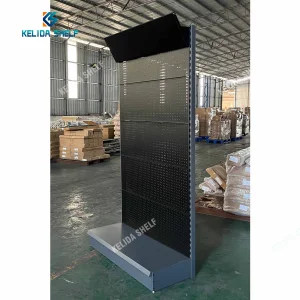
A closer look inside Ningbo Kelida's 28,000 square meter factory floor, displaying our vertically integrated OEM/ODM fabrication line.
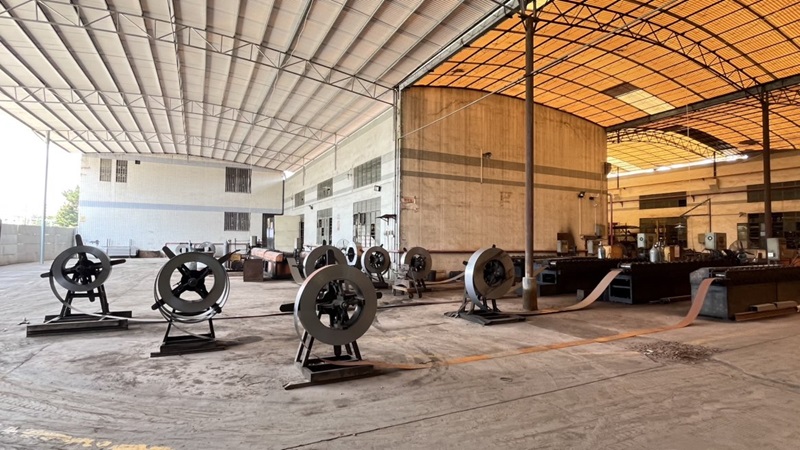
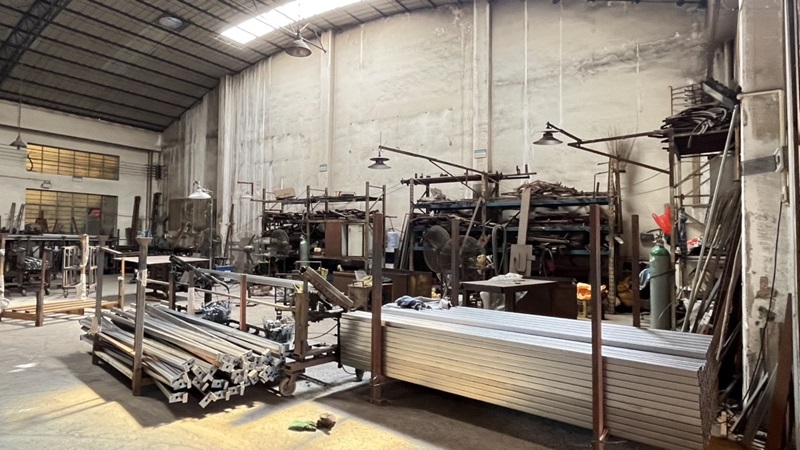
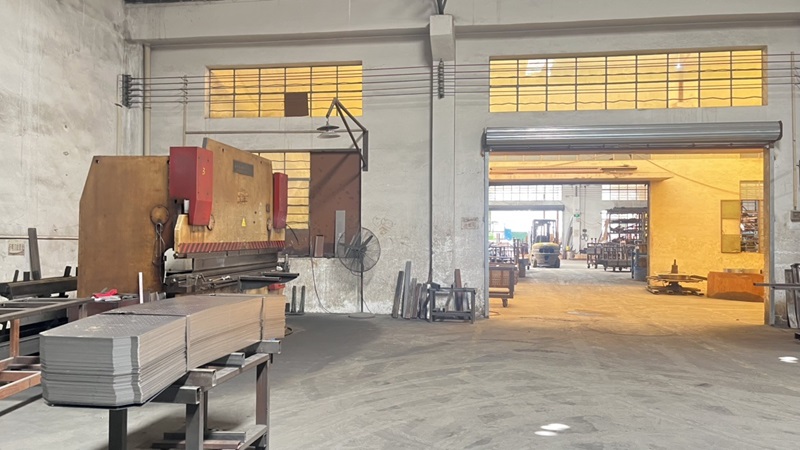
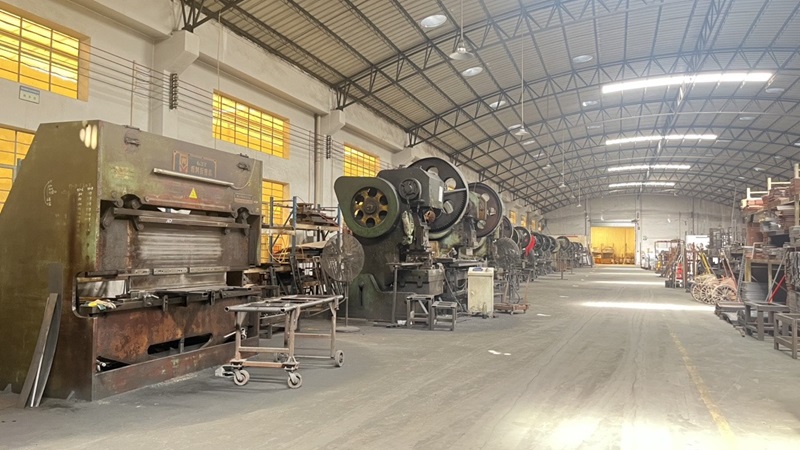
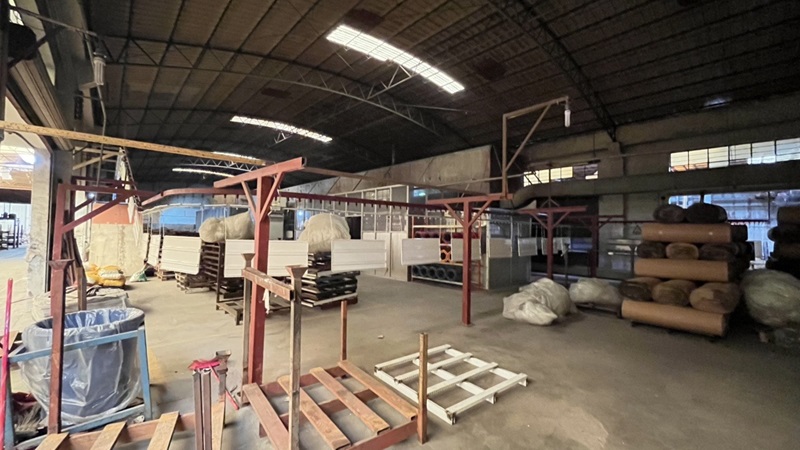
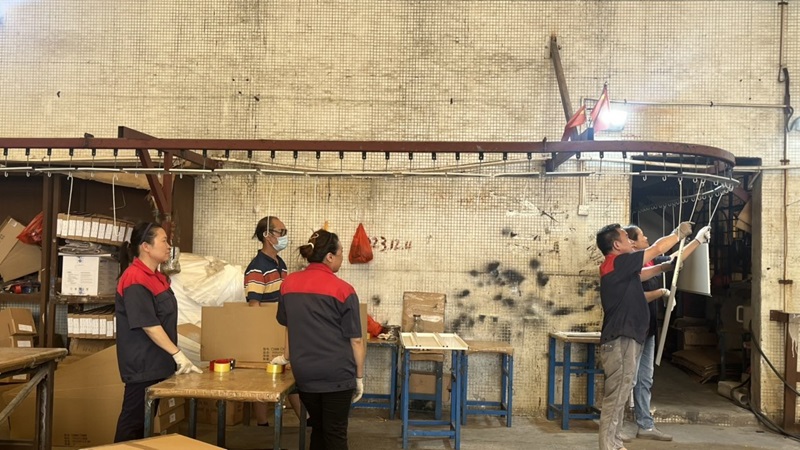
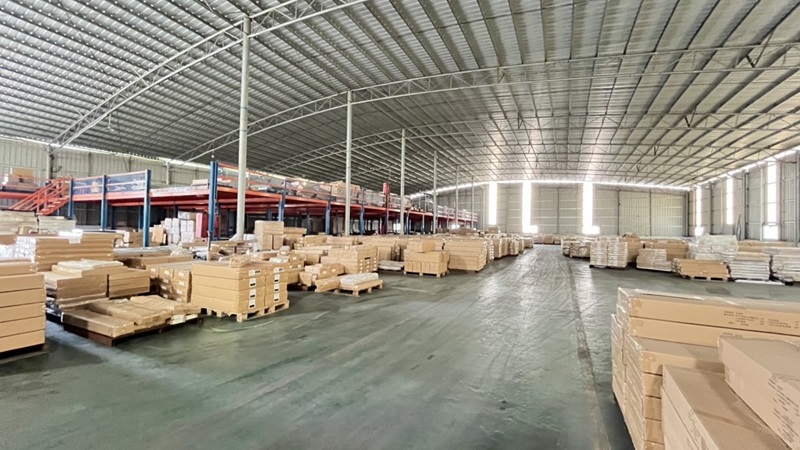
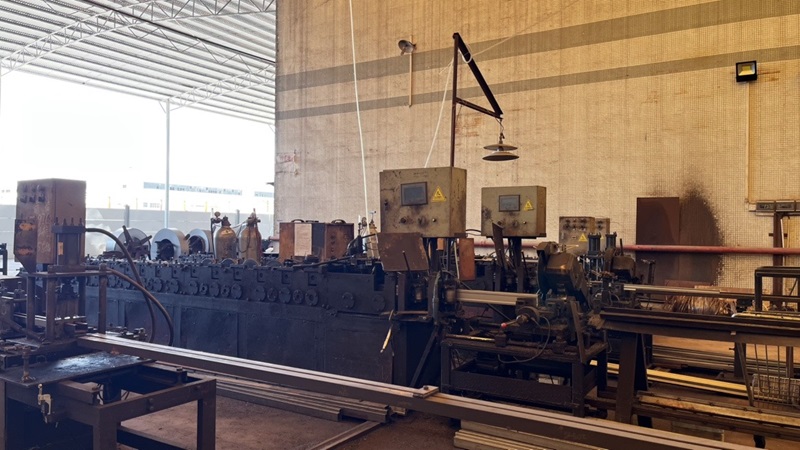
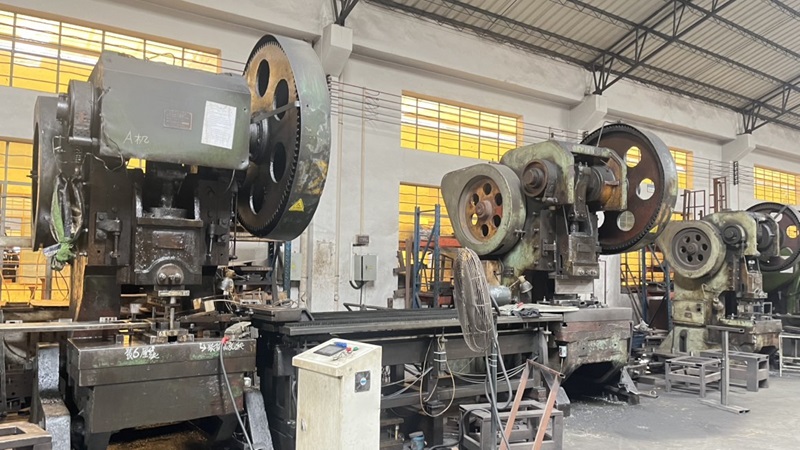
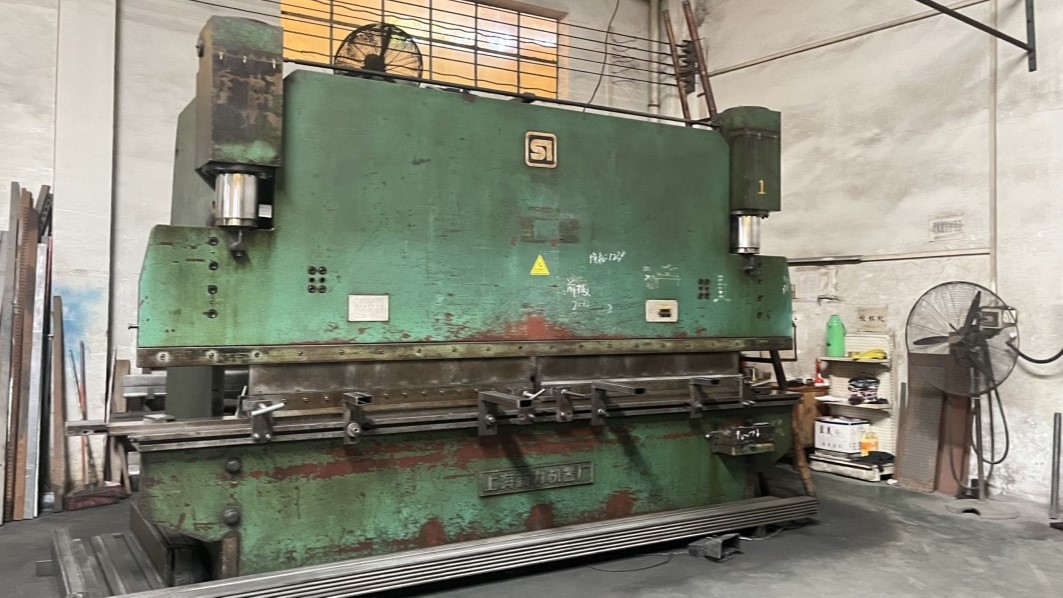
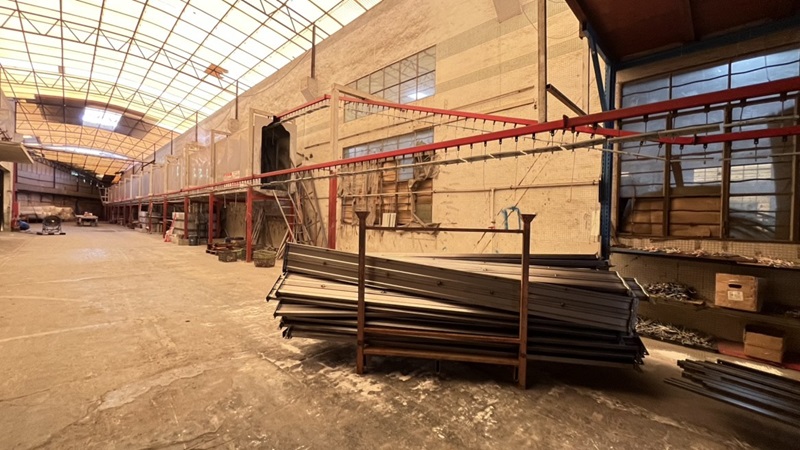
Structural reliability in high-capacity warehouses is a major safety priority. A structural collapse can halt production and compromise worker safety. To assure long-term field reliability, Kelida maintains a dedicated, on-site quality assurance team comprising 22 quality control specialists who oversee testing protocols at every phase of product fabrication.
Our raw material testing and structural assessment protocols include:
1. Raw Material Tensile Testing: We verify the yield point and tensile strength of every incoming batch of steel strip coil before profiling begins, ensuring compliance with international standard parameters.
2. Automated & Ultrasonic Weld Inspections: Robotic and manual structural welds are subjected to visual checks and ultrasonic non-destructive testing (NDT) to prevent fractures under cyclic fatigue.
3. Dynamic Live-Load Verification: Prototype test configurations are assembled and subjected to dynamic rolling tests under loaded conditions exceeding the nominal weight capacity limit by 125% over simulated lifecycles.
4. Salt-Spray Corrosion Chamber Tests: Surface coatings undergo salt-spray exposure testing (exceeding 200 hours under ASTM B117) to confirm epoxy powder coatings maintain their rust resistance in high-humidity or cold-chain environments.
Our custom designs adhere strictly to recognized global manufacturing codes, including the Rack Manufacturers Institute (RMI) standards in North America and FEM 10.2.02 racking codes across Western Europe. This rigorous compliance allows us to operate confidently as an international wholesale partner for highly regulated pharmaceutical and food-grade industries.
Detailed engineering guidelines and operational answers for warehouse designers, procurement managers, and systems integrators.
Generally, a slope angle of 3% to 4% (approximately 1.7 to 2.3 degrees) is optimal. The precise incline depends on pallet material (wood, plastic, steel), base conditions, and load weights. Our R&D department calculates the target angle using physical tests of sample client pallets.
In channels spanning more than 4 pallet spaces, dynamic friction controllers are integrated. These internal centrifugal mechanisms engage directly with the roller tube when rotation speeds exceed a set threshold, maintaining descent speed at a safe rate.
Yes. For cold storage and blast freezing operations, we use specialized low-temperature carbon steels and low-viscosity greases inside the roller bearings. This ensures rolling lanes run smoothly down to -30°C without seizing.
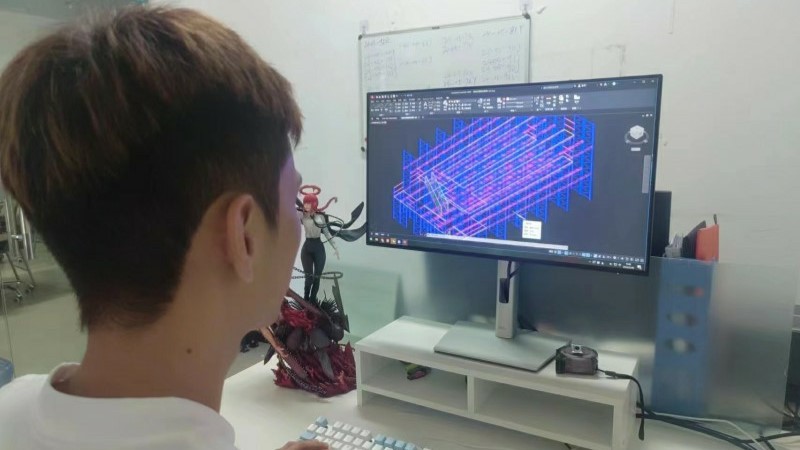
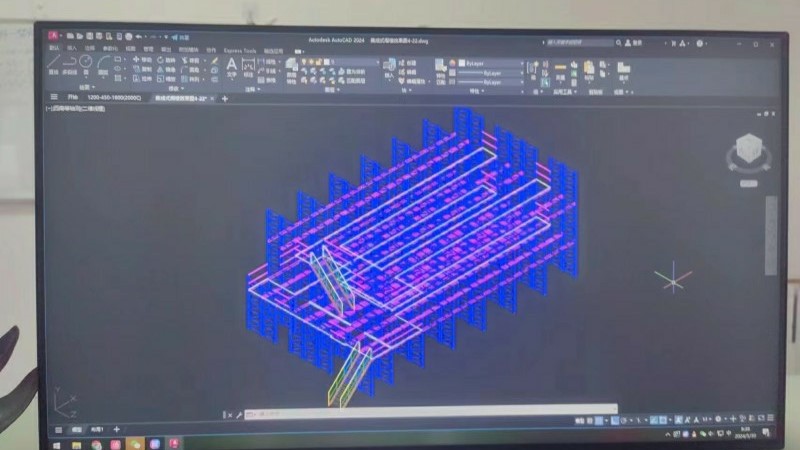
We start by collecting your load profiles, pallet dimensions, forklift operational specs, and facility drawings. Our structural engineers design a custom 3D model, perform FEA checks, and deliver detailed CAD plans for sign-off prior to production.
We offer standard thermosetting epoxy-polyester powder coats, high-durability hot-dip galvanizing (HDG) for outdoor/wet conditions, and food-safe, non-toxic coatings that meet sanitation requirements for packaging storage.
With 8 years of export trade experience, we utilize heavy-duty protective packaging to prevent damage during shipping. We work directly with major ocean freight carriers to coordinate customs clearance, ensuring reliable delivery schedules.
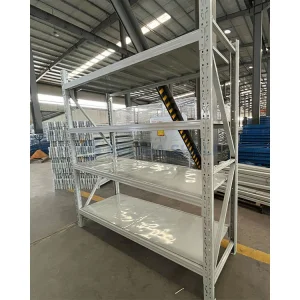
Review our extended portfolio of medium-to-heavy duty shelving, specialty displays, and custom retail solutions manufactured by Ningbo Kelida.
 Kelida Racking