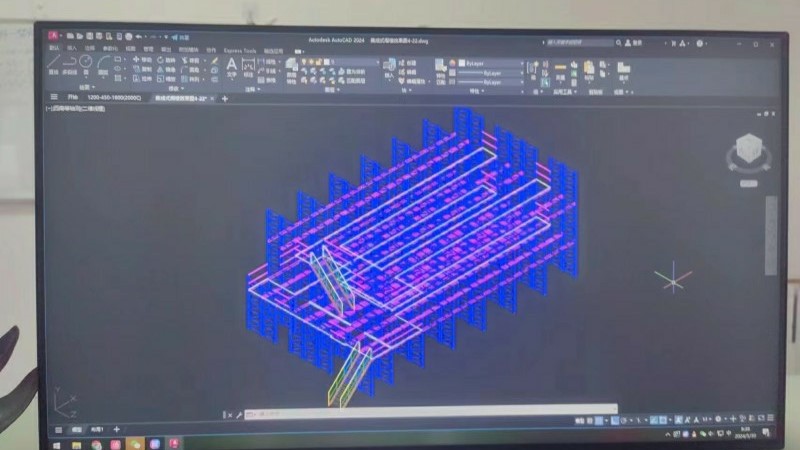
Explore our primary industrial racking and commercial structural engineering portfolio, customized to support operations from heavy-duty raw material storage to high-volume commercial distribution.
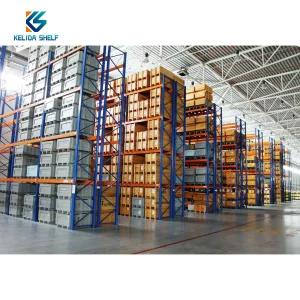
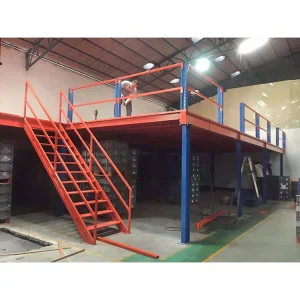
The global supply chain is undergoing structural changes driven by rapid growth in e-commerce, third-party logistics (3PL) expansion, and automated material handling configurations. In modern logistics, horizontal space footprint reduction paired with vertical volume optimization has transitioned from a design choice to an operational requirement. Heavy-lift racking systems must now handle substantial dynamic and static stresses, demanding high levels of structural integrity, engineering compliance, and material science innovation.
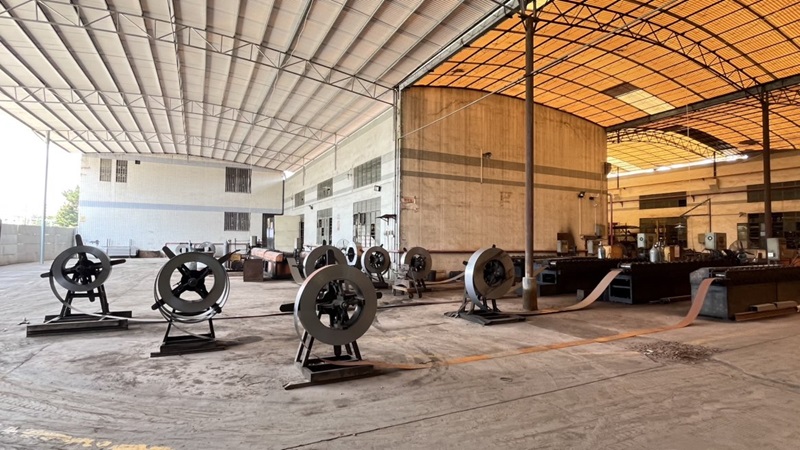
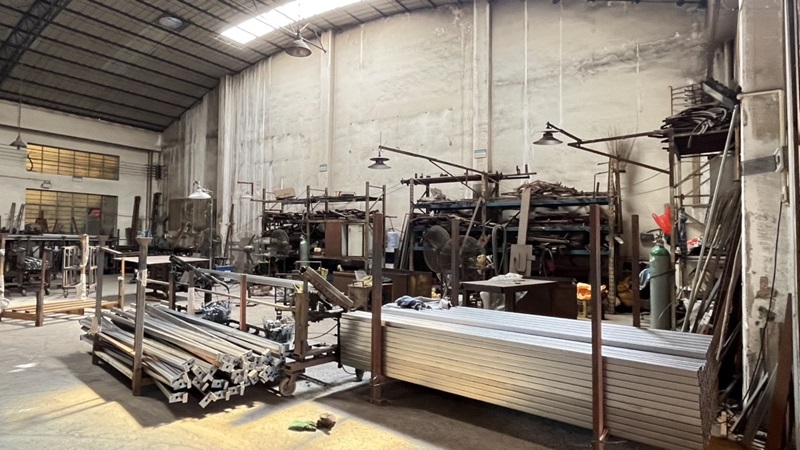
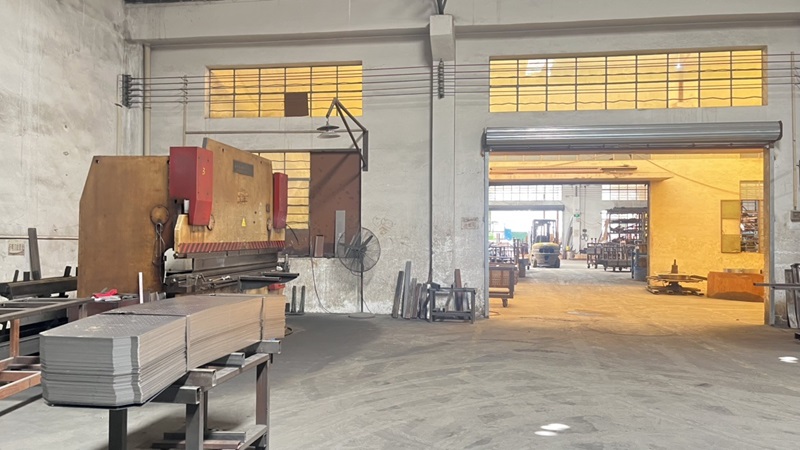
As a premier OEM Heavy-Lift Racking manufacturer, Ningbo Kelida Shelf Co., Ltd. addresses these industrial shifts. Founded in 2014, Kelida operates a advanced 28,000 square meter facility. Backed by 12 years of industry experience and 8 years of international trade operations, we deliver high-performance structural systems that maintain load-bearing safety under varied warehouse environments globally.
Heavy-duty storage requires strict adherence to international safety metrics. Traditional racking solutions often fall short under seismic disturbances, localized impacts, or uneven weight distribution. Our technical department incorporates Finite Element Analysis (FEA) to simulate wind load, live loads, and floor-slab settlement. This ensures that every racking column, baseplate, and beam assembly meets rigorous structural criteria.
Procurement professionals in the logistics sector face unique challenges, balancing initial capital expenditure with long-term reliability and compliance. We address critical supply chain requirements, providing transparency from raw materials to final installations.
A key issue for global procurement teams is low-quality raw materials. We source our steel from premium state-owned mills, providing mill test reports (MTRs) to confirm chemical composition and physical properties. Every batch of Q235B and Q355 steel undergoes tensile and yield testing to verify its structural capacity.
Standardized catalog solutions often fail to optimize specialized facility layouts. Our design department, featuring 15 structural engineers, offers tailored racking options. This includes customized upright frames, box beam sizes, seismic baseplate details, and dynamic integration features for automated pallet runners.
Production delays directly affect warehouse operational schedules. Working with over 650 qualified raw material and component suppliers, Kelida maintains a steady supply chain. This helps us ensure reliable lead times and stable pricing, even during volatile steel market conditions.
Quality assurance at Ningbo Kelida Shelf Co., Ltd. is integrated throughout our manufacturing processes. Driven by our 22-specialist quality assurance department, each product step—from precision cutting to electrostatic powder coating—follows standard operating protocols to guarantee performance.
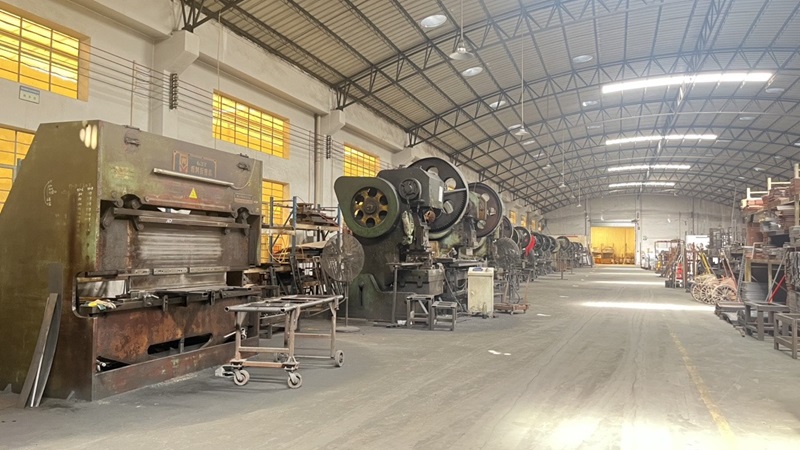
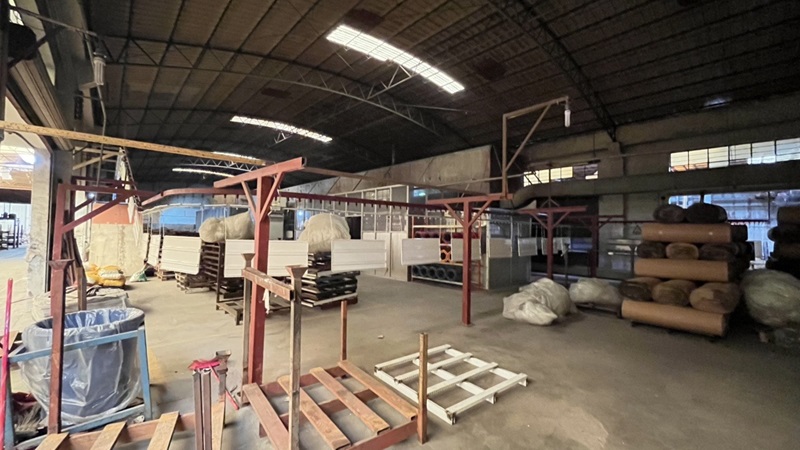
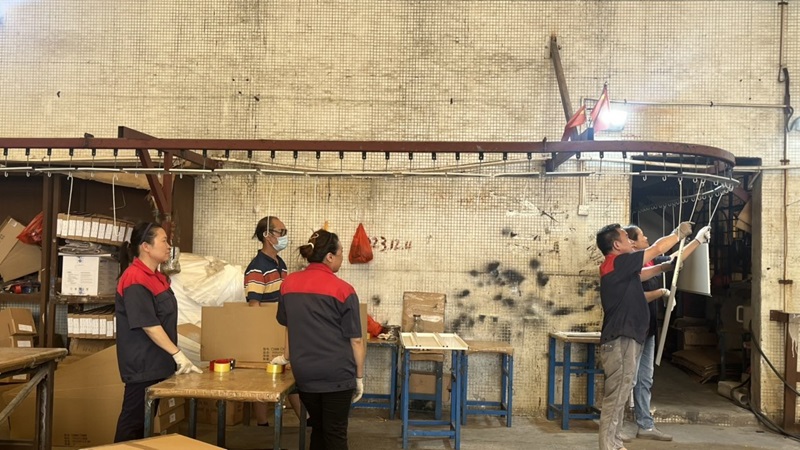
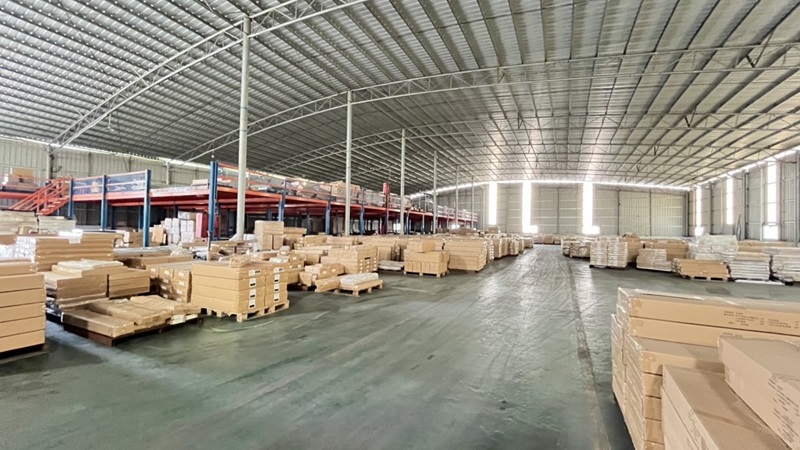
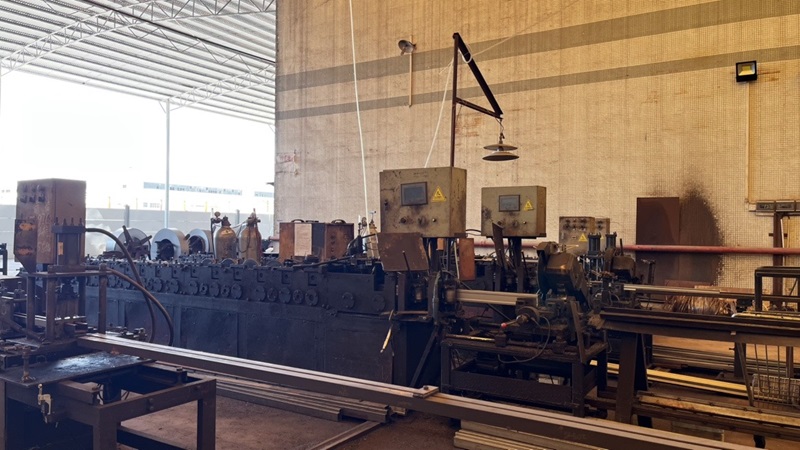
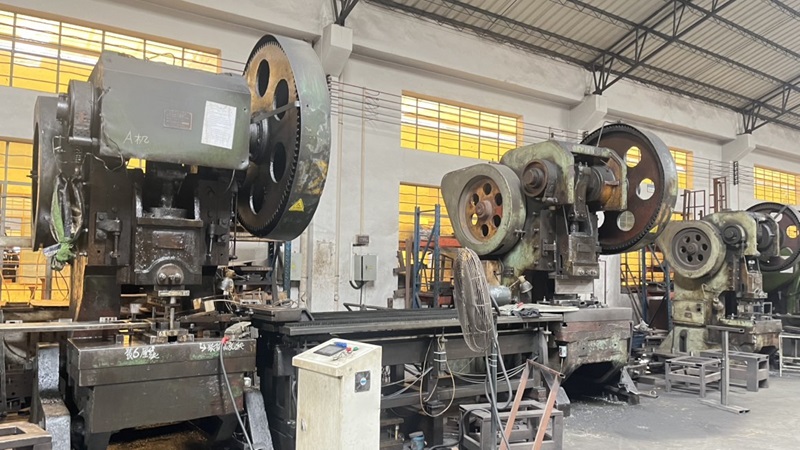
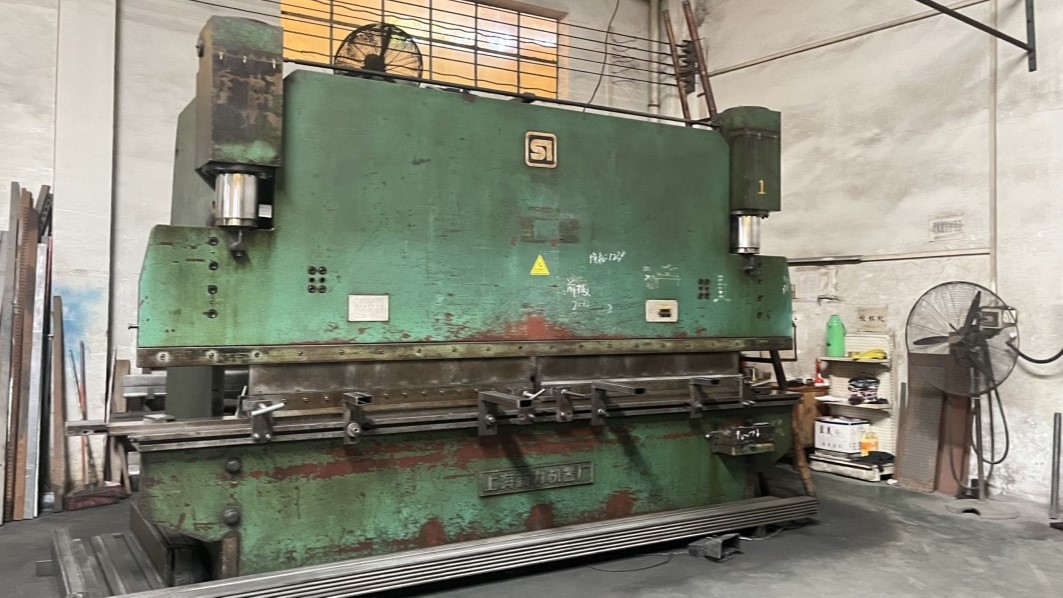
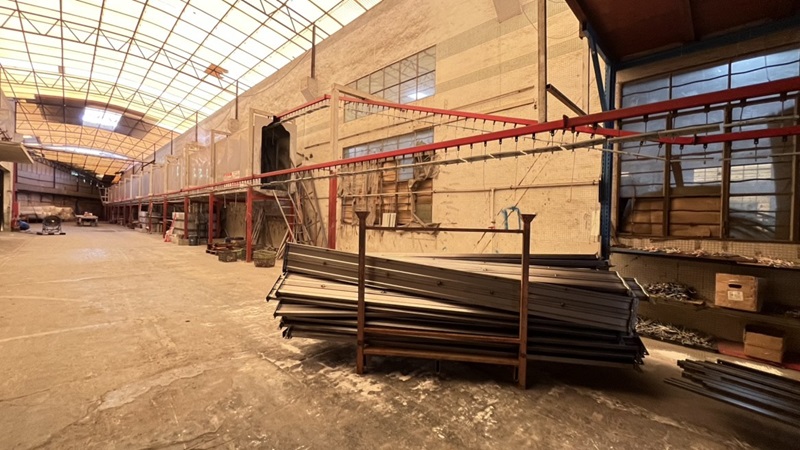
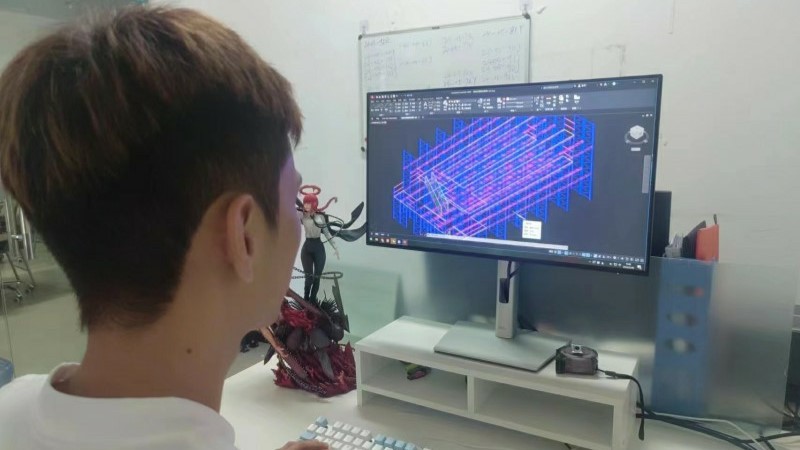
The industrial warehousing market is shifting toward automated, high-density configurations. Standard pallet racking is evolving into integrated racking structures that support high-speed Automated Storage and Retrieval Systems (AS/RS). These frameworks must manage increased dynamic stresses and tighter dimensional tolerances.
Kelida's forward-looking technology plan focuses on material engineering and manufacturing precision. By implementing high-tensile steel alloys, we can reduce overall steel volume requirements while maintaining load capacities. In addition, our manufacturing processes utilize advanced laser-cutting and automated welding systems to ensure precise control over key dimensional tolerances.
Transitioning standard cold-formed sections to custom Q355 high-tensile hot-rolled steel profiles, achieving up to 25% weight reduction while maintaining beam load capacities.
Developing racking tolerance levels of less than ±1.5mm per 10 meters, allowing for smooth operation of automated crane systems and autonomous shuttles.
Implementing TGIC-free polyester powder formulations to improve salt-spray and impact resistance, helping prolong the service life of racking systems in cold storage and high-humidity environments.
Industrial storage demands structures that resist permanent deformation under continuous loads. Kelida's racking designs incorporate engineered column spacing and robust connections to distribute forces effectively across all foundation anchor points.
Our on-site testing facilities conduct destructive and non-destructive quality evaluations. Key testing protocols include baseplate shear testing, welding ultrasonic diagnostics, and coating cross-hatch adhesion testing, confirming that our systems meet global quality requirements.
Deploying heavy industrial racking carries significant liability. Warehouse managers must comply with regional construction codes and safety regulations. Kelida simplifies this process by providing comprehensive structural documentation and static load certifications.
Serving markets in North America, Western Europe, Southeast Asia, and the Middle East requires deep understanding of localized compliance frameworks. We calculate our racking designs for local environmental criteria, such as seismic activity and wind speeds for outdoor configurations.
Whether supplying racking systems for a 3PL logistics center in Chicago or a heavy industrial plant in Hamburg, Kelida coordinates with engineering firms and testing agencies to simplify local permitting. From initial CAD drafting to final shipping and custom clearance support, our teams work to protect your capital investments.
Find technical insights on heavy-duty warehouse racking procurement, material options, quality certifications, and system installation.
Load capacity is calculated using structural analysis software and finite element models (FEA), based on yield points and ultimate tensile strengths of materials (Q235B and Q355). Computations follow RMI and EN 15512 standards, factoring in dead loads, live loads, product weight, impact forces, and dynamic stresses from forklift operations. We apply safety margins, typically between 1.5 to 1.8, to guarantee structural safety under maximum capacity.
Q235B and Q355 are widely used Chinese carbon steel grades. Q235B features a yield strength of 235 MPa and is suitable for standard industrial racking. Q355 is a low-alloy, high-strength steel with a yield strength of 355 MPa, providing higher capacity and stiffness. Choosing Q355 allows for thinner structural profiles that reduce total racking weight while maintaining stability, making it ideal for tall systems, high-load capacities, and seismic installations.
We apply an automated multi-stage powder coating process. This includes chemical cleaning, phosphating, electrostatic powder deposition, and high-temperature curing. For extreme conditions like cold storage, high humidity, or outdoor applications, we offer hot-dip galvanizing, which applies a thick zinc layer to protect against oxidation and mechanical wear.
To create an accurate layout, our engineers need details on building dimensions, ceiling height, location of building columns, door openings, floor load limits, pallet sizes, forklift reach, and target load capacity per level. We also review regional building and seismic codes to verify all local structural and safety requirements are met.
Every shipment includes a certificate of conformity, mill test reports (MTRs) for raw materials, powder coating thickness test reports, and welding inspections. When required, we can provide third-party engineering calculations to assist with local municipal permitting and safety inspections.
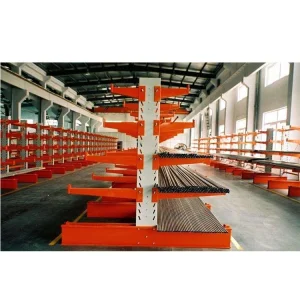
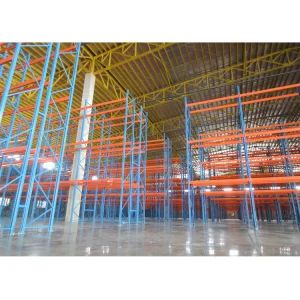
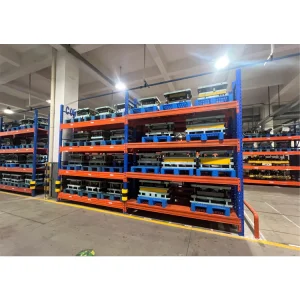
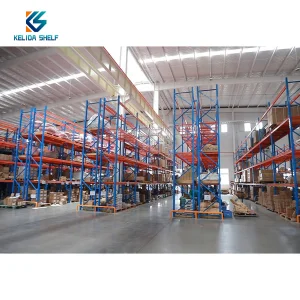
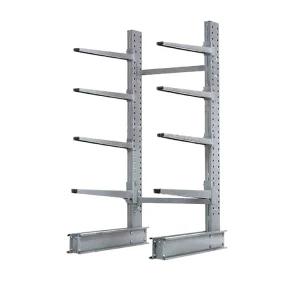
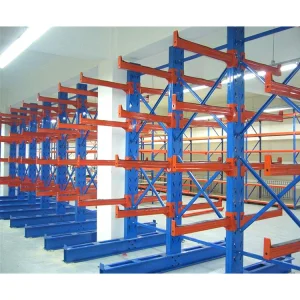
High-capacity structural steel mezzanine solutions, selective pallet racks, and heavy-duty cantilever systems designed for severe load situations and industrial environments.
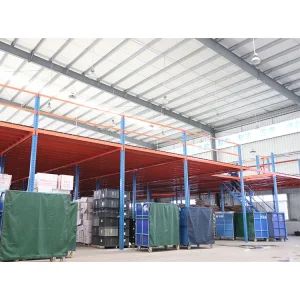
 Kelida Racking