Explore our leading dynamic storage structures, heavy-duty racking systems, and tailored retail fixtures engineered to maximize workflow optimization.
In the highly competitive sectors of 3PL warehousing, FMCG distribution, automotive manufacturing, and cold-chain logistics, maximizing spatial efficiency while minimizing labor expenses is vital. Gravity flow racks, operating on the First-In, First-Out (FIFO) material handling principle, represent the pinnacle of high-density storage technology. By utilizing gravity to slide pallets or cartons down inclined roller tracks, these systems eliminate the need for mechanical operations within the picking lanes, minimizing forklift energy consumption and optimizing order fulfillment times.
The dynamic nature of gravity flow racks demands flawless structural engineering, exact lane gradients (typically 3% to 4%), high-strength steel formulation, and sophisticated brake-roller mechanics. A failure in design calculation can result in pallet hang-ups, runaway loads, or system downtime. As a premier Custom OEM Gravity Racks Manufacturer, we combine advanced steel engineering with structural analytics to deliver safe, highly reliable warehouse configurations worldwide.
We realize that no two distribution centers are alike. Floor conditions, pallet dimensions, temperature profiles, and package materials differ drastically across companies. Our structural engineering department uses advanced FEA (Finite Element Analysis) to model load capacities, velocity thresholds, and lane inclinations, custom-designing solutions to maximize every cubic meter of your facility.
Precise calculation of roller spacing and lane angles based on load configurations, ensuring consistent speed and preventing product hung-ups.
Equipped with centrifugal speed controllers to moderate speed. Load separators isolate the first pallet, allowing safe removal.
Epoxy powder coating tested for chemical resistance and humidity, suitable for cold storage, sub-zero temperatures, and high moisture areas.
Below are the core OEM engineering dimensions and performance thresholds we customize for international procurement partners. Standard systems utilize premium Q235 structural steel, designed and tested to resist structural fatigue under high dynamic cycles.
| Specification Parameter | Standard Range Configuration | Custom OEM Options |
|---|---|---|
| Load Capacity Per Pallet | 500 kg – 1,500 kg (1,100 lbs – 3,300 lbs) | Up to 2,500 kg (Heavy industrial custom projects) |
| Steel Standard / Grade | High-Tensile Q235B / Q355B Steel | Certified equivalent ASTM A572, EN 10025 S355 |
| Lane Lengths Supported | Up to 15m (typically 2 to 10 pallets deep) | Extended-reach lanes up to 25m with mid-line speed controllers |
| Roller Pitch & Width | 50mm, 75mm, 100mm, 125mm Roller Spacing | Configured precisely to pallet runner profile |
| Operational Ambient Temp | -25°C to +40°C (-13°F to 104°F) | Deep-freeze bearing lubricants (operational to -40°C) |
| Surface Protection Finishes | Electrostatic Epoxy Powder Coat (RAL Series) | Hot-Dip Galvanized (HDG) for extreme condensation env. |
Every rack profile, welding joint, and roller assembly we ship must withstand continuous load stress. To ensure structural integrity, our internal QA process follows tight quality protocols at every stage, from raw material arrival to final container shipping.
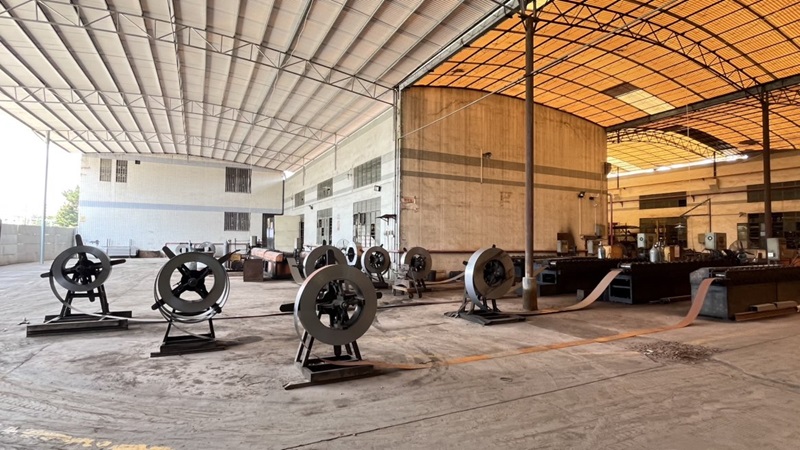
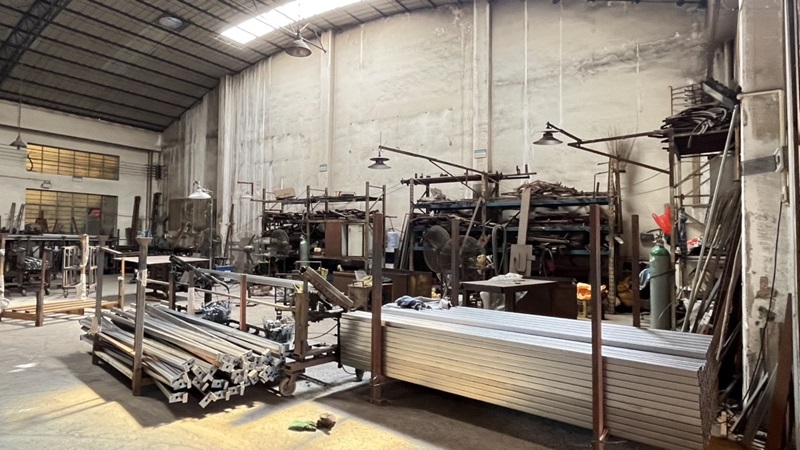
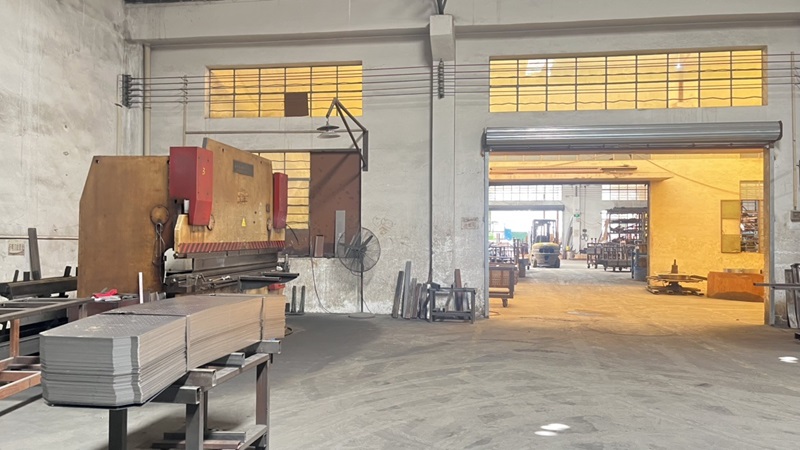
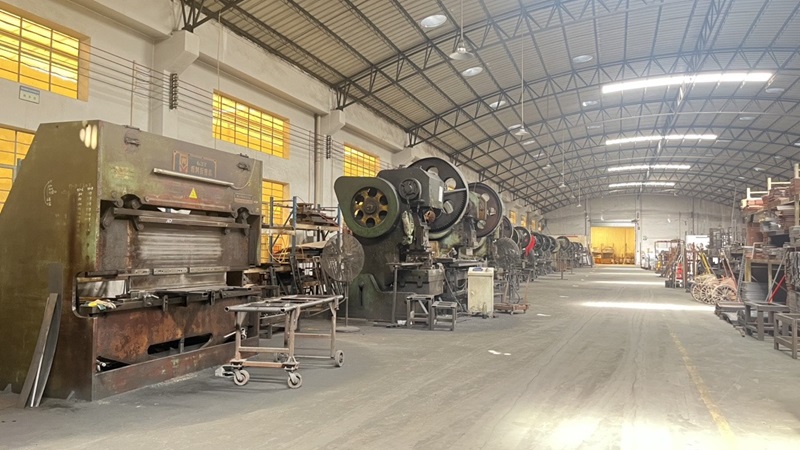
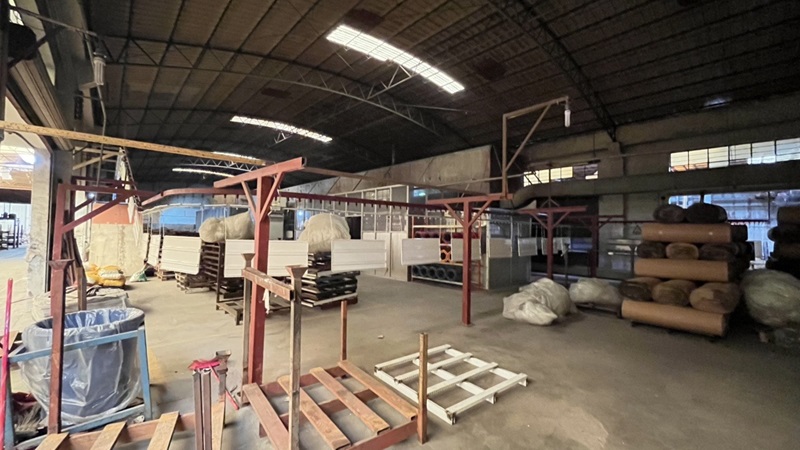
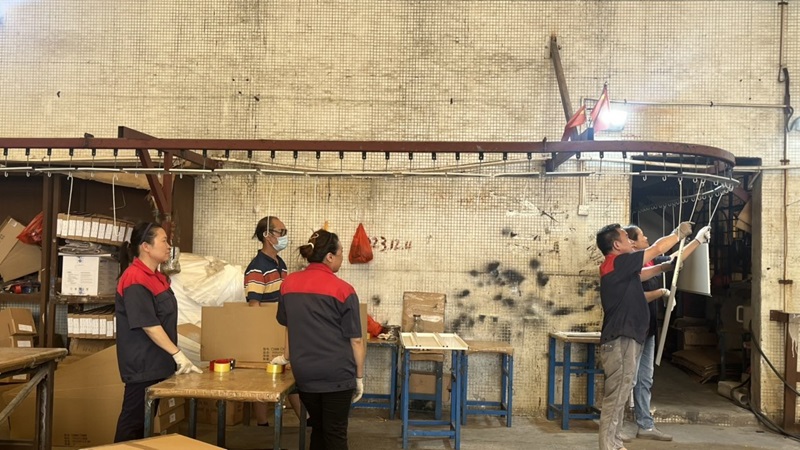
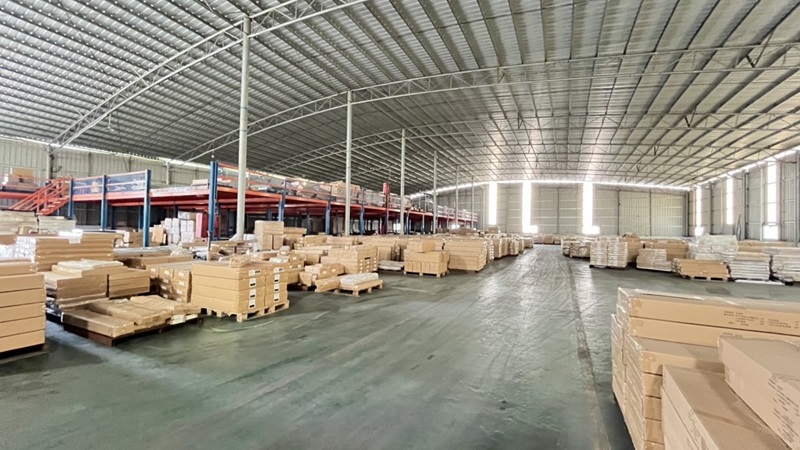
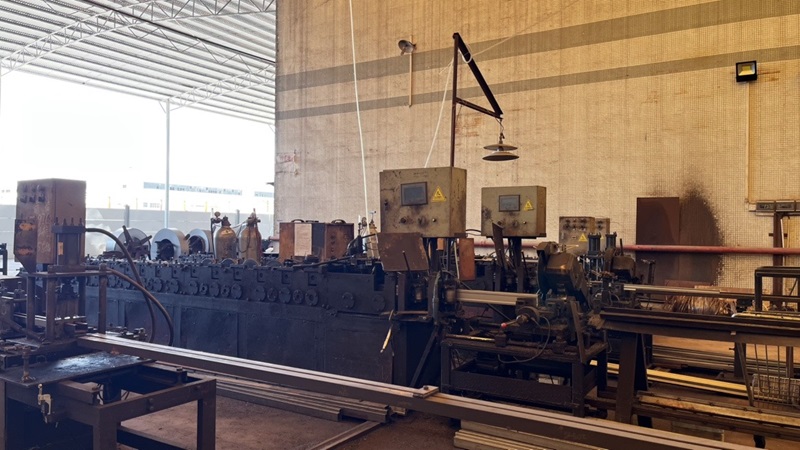
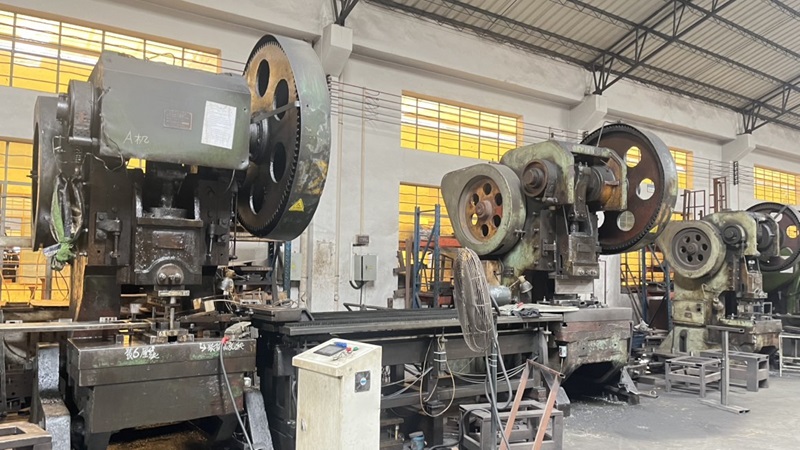
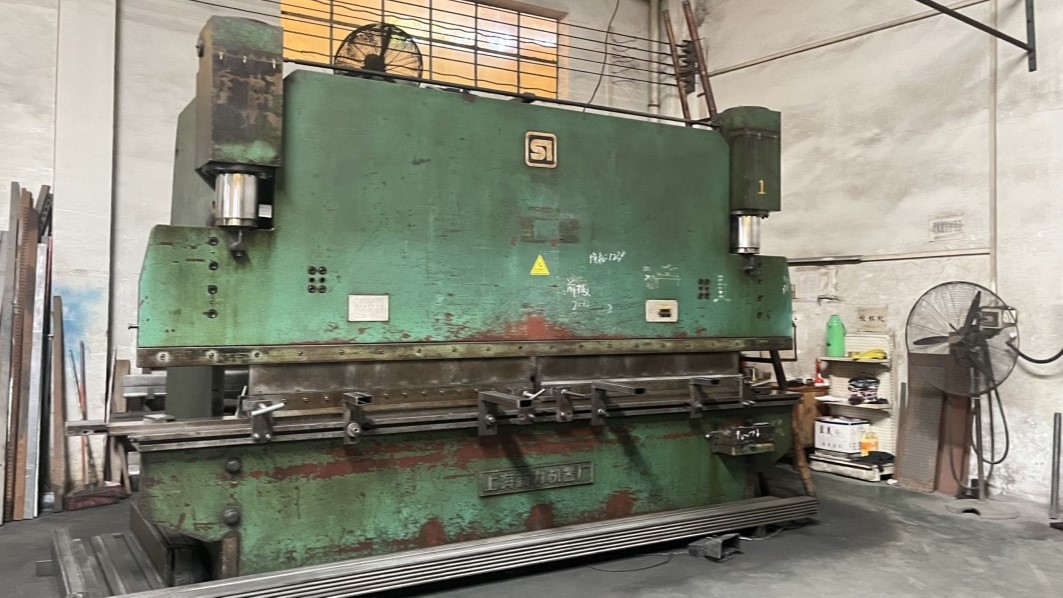
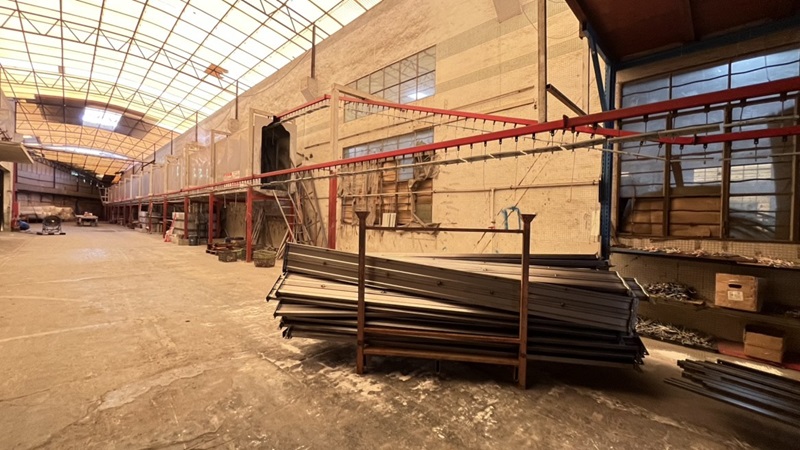
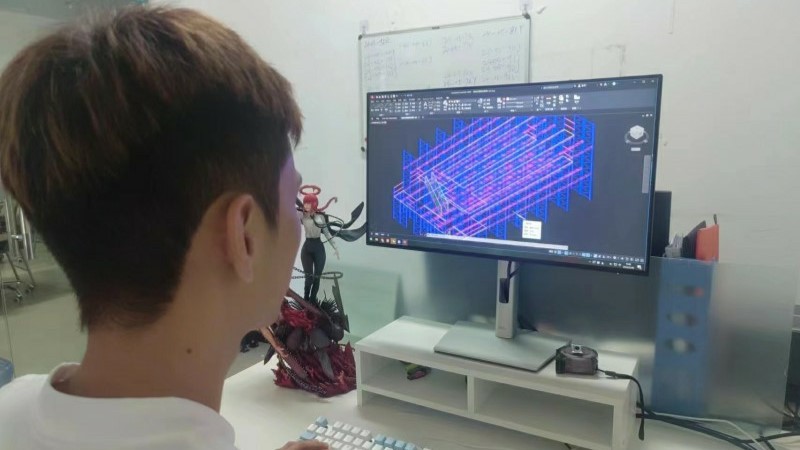
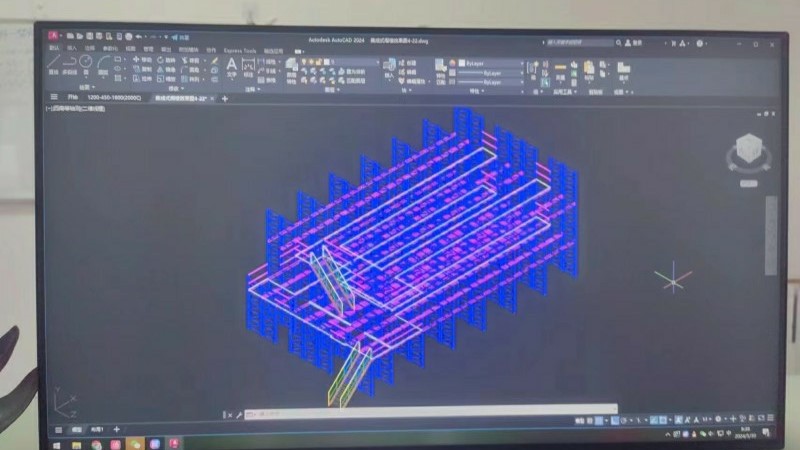
Below is an inspection of our actual manufacturing floor, showcasing raw material processing, robotic cutting/bending, punching lines, epoxy spraying, and R&D design systems:
Exporting warehouse racking structures demands strict adherence to dynamic local design standards. Industrial storage racking must meet building codes regarding load metrics, seismic activity zones, and workplace safety compliance.
At Ningbo Kelida, we adapt our designs to match key target market frameworks:
To keep pace with the rise of industrial automation, gravity flow systems are adapting to support AGVs (Automated Guided Vehicles) and AMR (Autonomous Mobile Robots). The next generation of warehouse dynamics integrates structural rigidity with smart sensing technologies:
Integrating low-power IoT optical sensors at the discharge point to alert automated systems when picking lanes are empty or if a flow blockage occurs.
Re-engineering frame structures and stop plates to allow robotic arms and automated forklifts to extract pallets smoothly, preventing misalignment.
Utilizing recyclable steel alloys and energy-efficient roll-forming lines to reduce manufacturing emissions, supporting our global partners' carbon reduction goals.
Common technical questions from procurement officers, engineering teams, and warehouse managers regarding OEM customization.
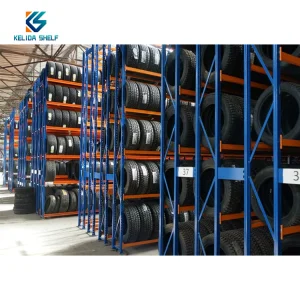
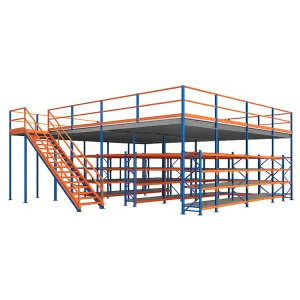
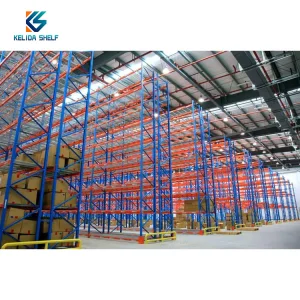
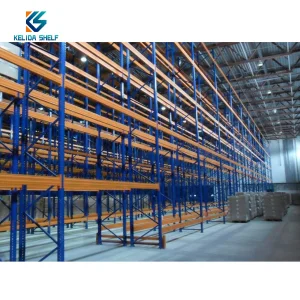
From heavy-duty pallet racks to modular mezzanine systems and specialized industrial storage solutions.
 Kelida Racking