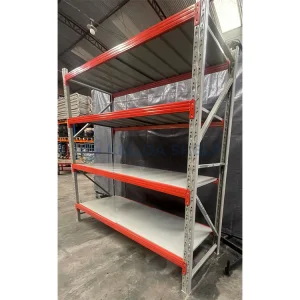
Engineered to maximize space utilization, withstand structural impact, and support high dynamic load cycles.
Modern Facility
Industry R&D Experience
Annual Export Value
Supply Chain Partners
In the high-velocity world of modern third-party logistics (3PL) and automated warehousing, racking systems are subjected to constant mechanical stress and the ever-present hazard of forklift collisions. An "Impact Rack" is not simply a standard metal shelf; it is a highly engineered structural barrier designed to preserve safety, structural integrity, and inventory security in high-risk zones.
Whether in a dynamic e-commerce distribution hub or a heavy industrial material depot, failure to install structurally reinforced racking systems can result in catastrophic rack collapses, costly operations downtime, and regulatory non-compliance. Premium manufacturers like Ningbo Kelida Shelf Co., Ltd. integrate advanced structural engineering directly into the fabrication phase. By utilizing high-yield structural steel, heavy-duty baseplates, column protectors, and double-anchor systems, our impact racks absorb kinetic forces that would normally buckle conventional shelving units.
"Structural safety in high-density storage is non-negotiable. Modern warehouse design must account for dynamic forklift impacts and regional seismic activities, ensuring that structural loads remain stable under all operational conditions."
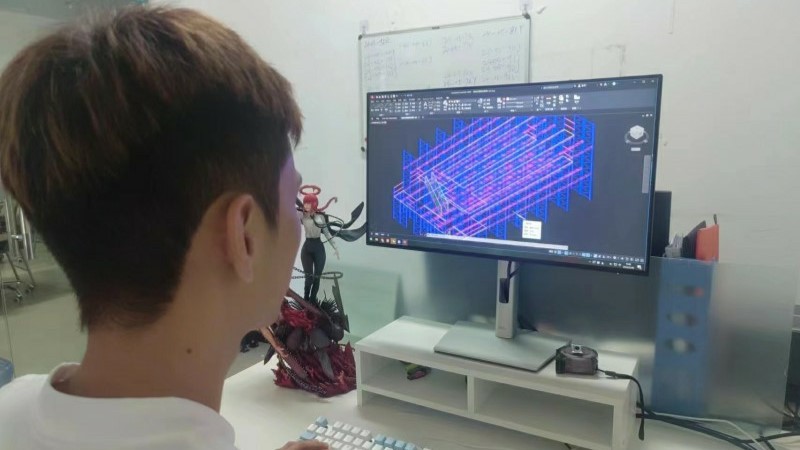
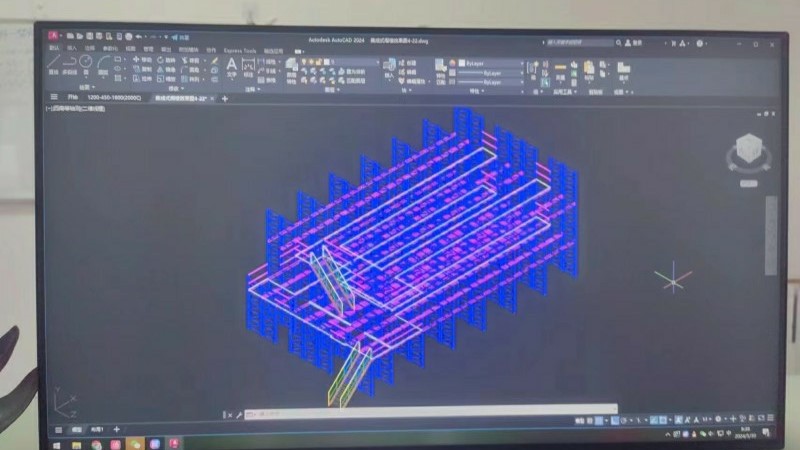
How Ningbo Kelida Shelf Co., Ltd. leverages state-of-the-art automation and massive network coordination to provide cost-effective, high-grade racking.
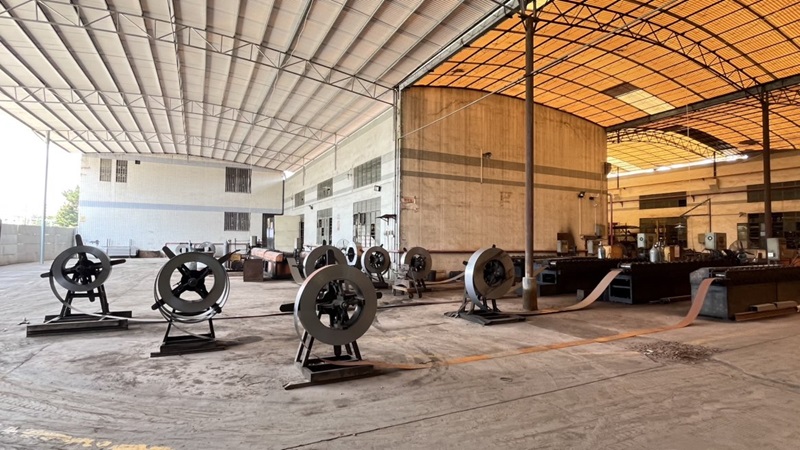
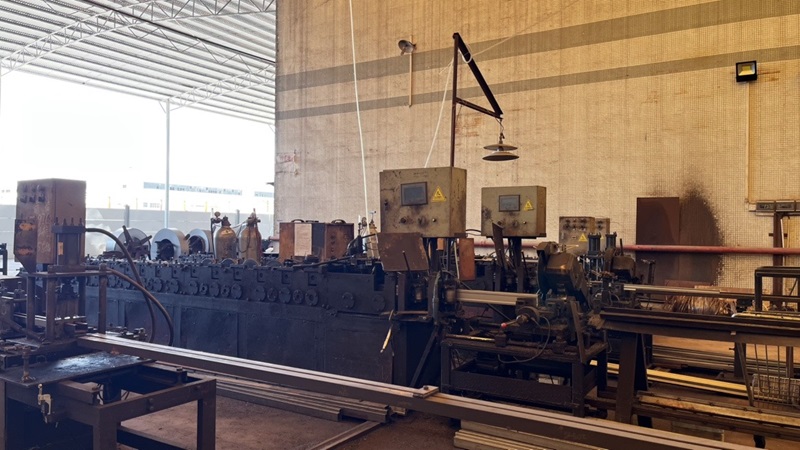
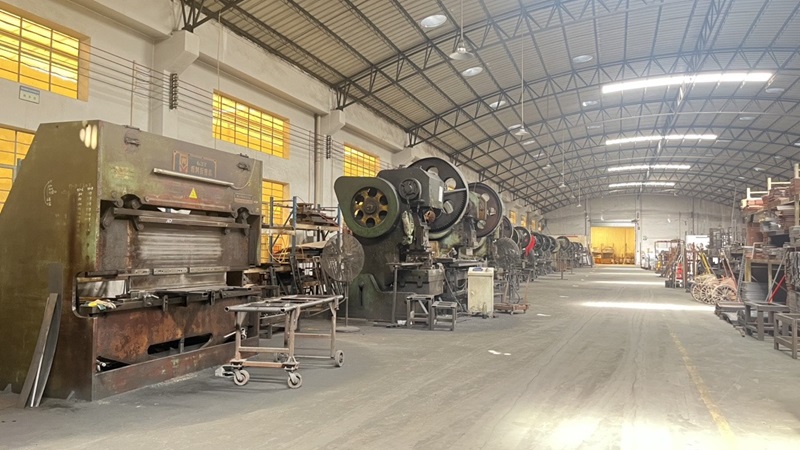
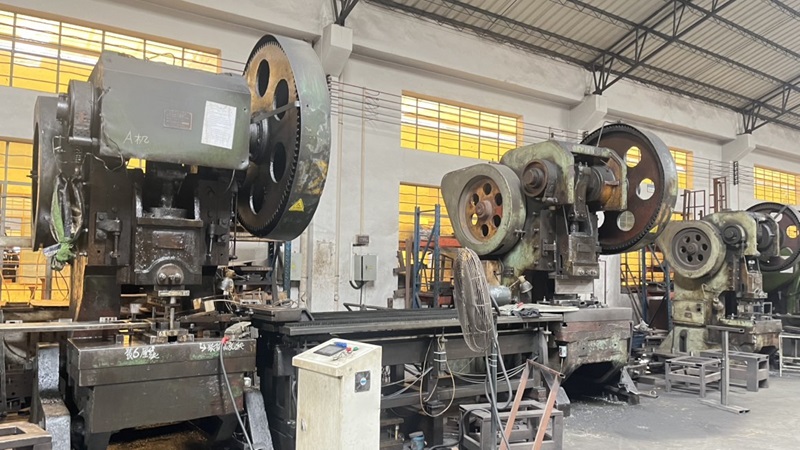
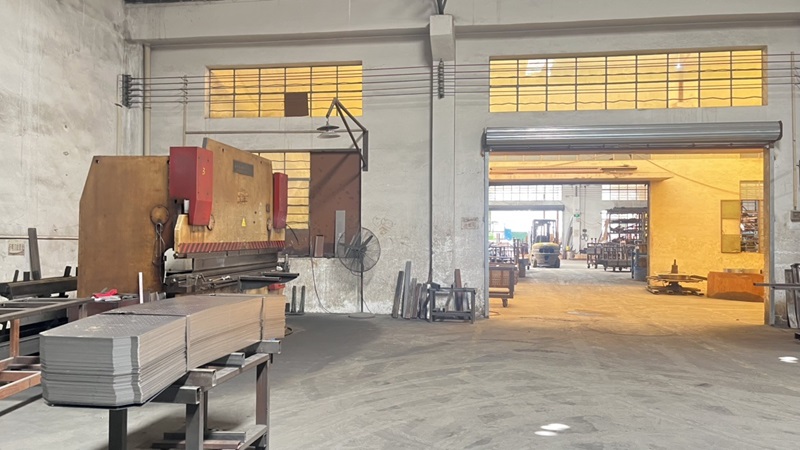
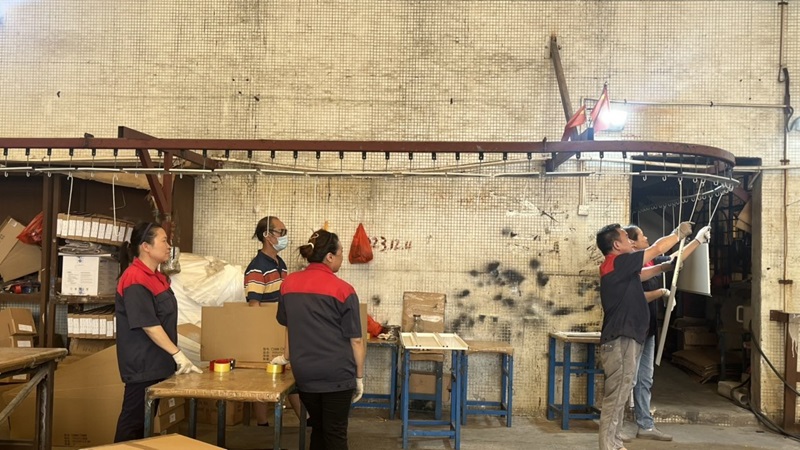
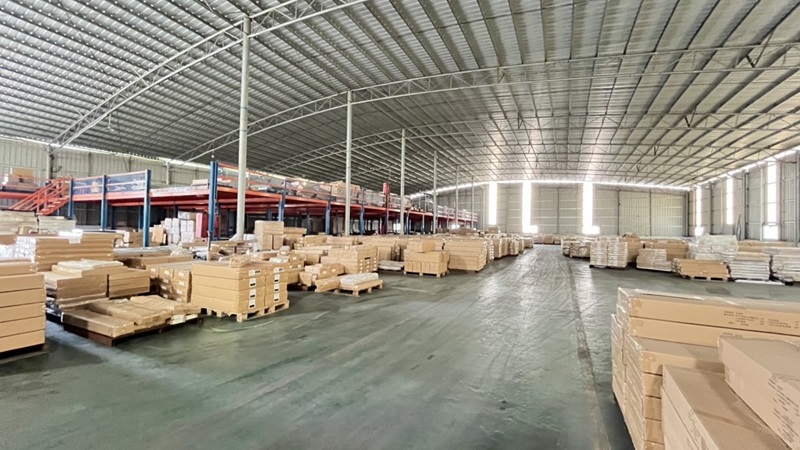
Operating a modern manufacturing facility spanning 28,000 square meters, Kelida matches speed with scale. Our facility houses high-precision robotic welding arms, automated roll-forming lines, and continuous powder-coating systems that collectively secure short lead times even for large-scale custom contracts.
Our integrated supply chain is anchored by partnerships with over 650 qualified raw material and component suppliers. This extensive network shields our operations from sudden market shocks, volatile steel pricing, or supply chain bottlenecks, ensuring stable pricing models and continuous output.
Underpinning our manufacturing prowess is an elite R&D team of 15 structural engineers who introduced 35 new storage products last year alone. Our structural engineers tailor steel grades, post profiles, beam sizes, and baseplates to match the exact localized seismic and spatial load requirements of our global clients.
How raw structural steel is transformed into certified, high-durability warehouse racking systems.
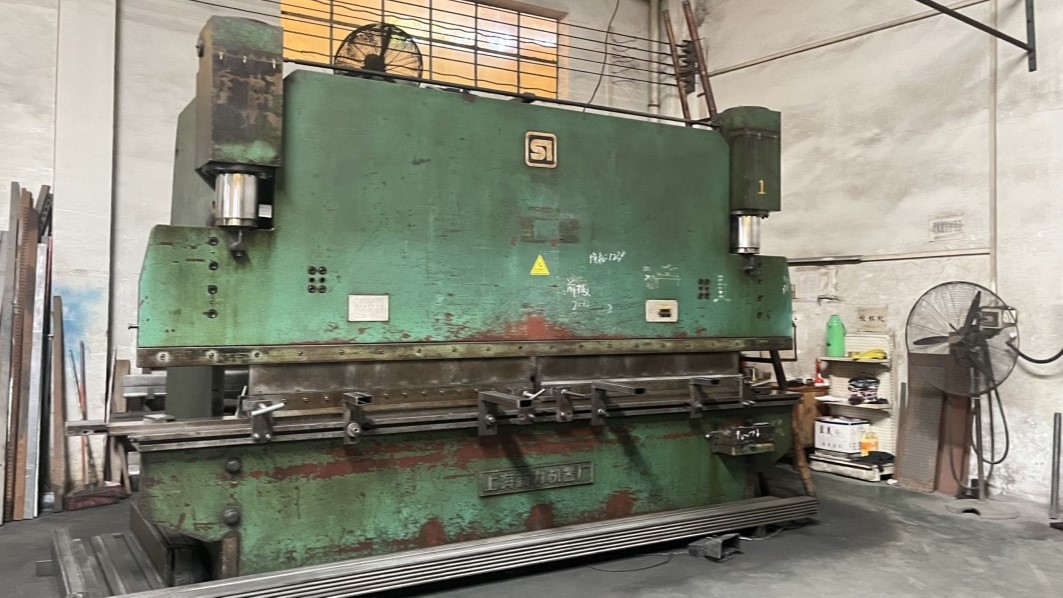
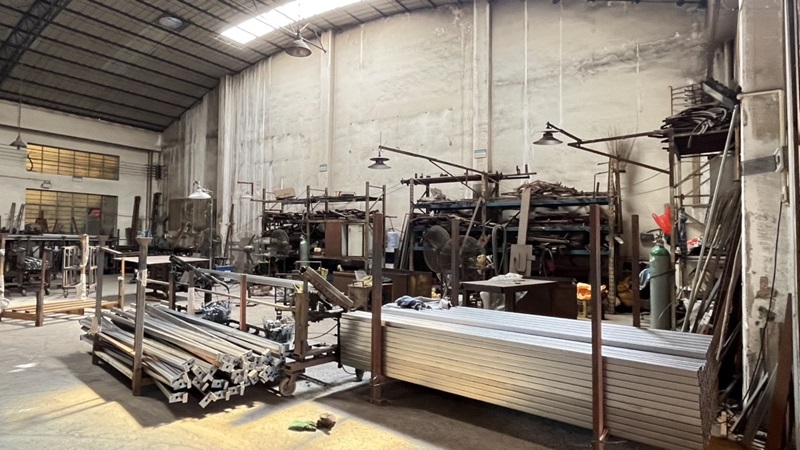
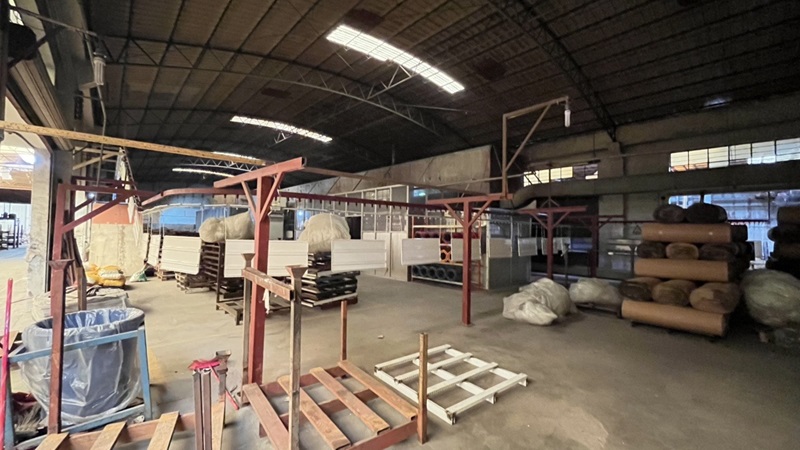
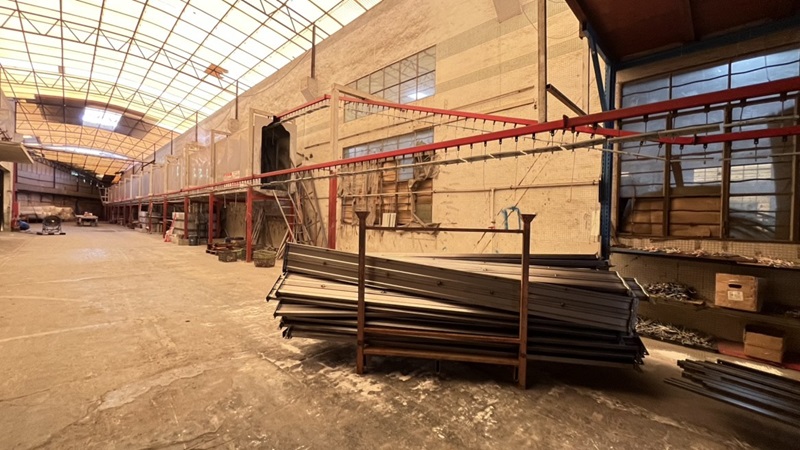
The warehousing landscape is shifting rapidly from static storage boxes to dynamic, automated, cyber-physical networks. To support this progression, Kelida is proactively designing structural racking that integrates directly with future smart automation technologies. Below are the key pillars of our technical development pipeline over the next three to five years:
We are piloting racking solutions featuring built-in IoT strain gauges and collision-alert sensors. These low-power sensors monitor structural integrity in real-time, instantly notifying operations managers if a forklift collision occurs or if dynamic loads exceed engineered limits, preventing secondary structural failure.
Our engineering team works closely with premium domestic steel mills to develop lighter, high-tensile steel compounds. By optimizing the cold-forming process, we aim to reduce dead weight by up to 15% while matching or exceeding the load limits and impact absorption rates of current heavy-wall hot-rolled structural steel profiles.
Environmental compliance is a core aspect of our global expansion. We are phasing in next-generation bio-based powder coatings that deliver exceptional ASTM B117 salt-spray and moisture resistance. These coatings release zero volatile organic compounds (VOCs) during curing and are optimized for sub-zero environments like automated cold chain cold stores.
How tailored structural storage frameworks resolve operational efficiency limits across distinct industrial sectors.
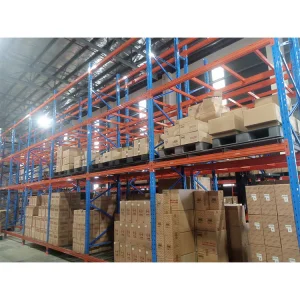
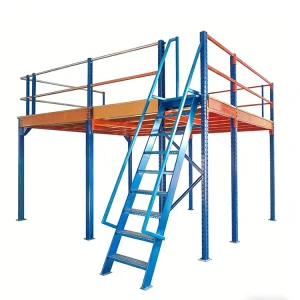
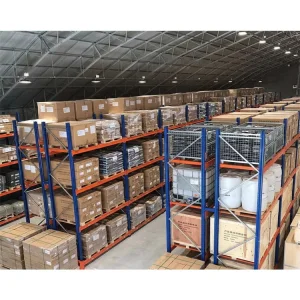
High-turnover 3PL environments demand versatile racking systems that handle differing pallet sizes and weight ratings daily. Our adjustable pallet racking systems and mezzanine platforms are designed to optimize vertical clearances, allowing 3PL managers to reconfigure layouts as client demands change.
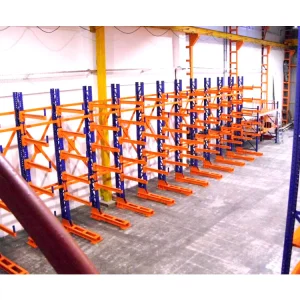
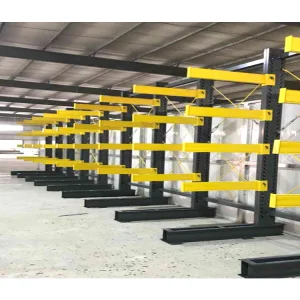
Industrial plants deal with long, heavy, non-palletized inventory like steel pipes, aluminum profiles, and timber. Our heavy-duty cantilever racking provides open-arm access with exceptional load capacity per arm, eliminating the safety hazards associated with stacking irregular bulk loads.
Speed of order picking dictates e-commerce profitability. We engineer multi-level custom steel mezzanines and picking shelving structures compatible with autonomous mobile robots (AMRs) and conveyor systems, boosting SKU density and streamlining outbound workflows.
Kelida maintains a dedicated QA team of 22 quality specialists who govern every phase from coil arrival to final packaging. Our laboratory features advanced diagnostic equipment to execute:
Procuring warehouse racking internationally requires strict adherence to regional structural standards. Ningbo Kelida Shelf Co., Ltd. ensures that all exported systems comply with international building codes and steel specifications. We routinely deliver designs calculated in compliance with the following international structural codes:
ANSI/RMI MH16.1 (Specification for the Design, Testing and Utilization of Industrial Steel Storage Racks in the Americas), FEM 10.2.02 (European design guidelines for pallet racking), and relevant EN structural Eurocodes. By utilizing advanced Finite Element Analysis (FEA) software, our engineering team supplies complete load calculations, spatial blueprints, and seismic resistance ratings before production starts, ensuring rapid local permitting approval for your projects.
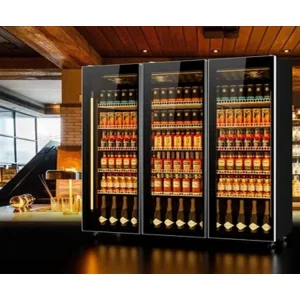
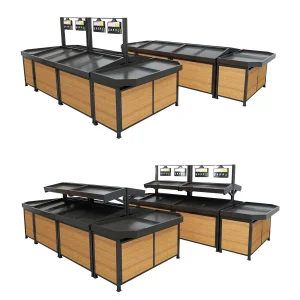
Examine our complete industrial catalog, customized for varying structural spans, store displays, and cold storage configurations.
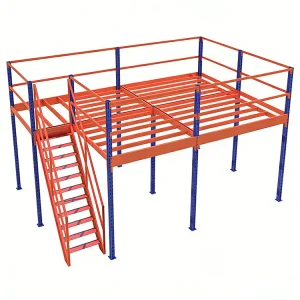
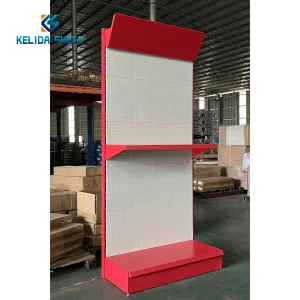
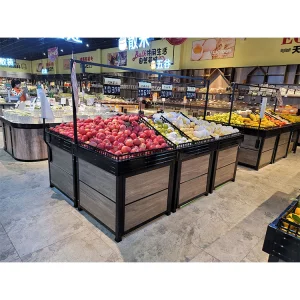
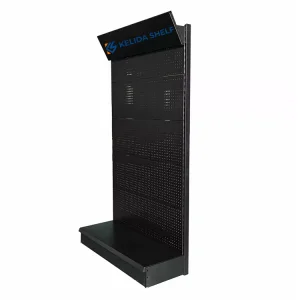
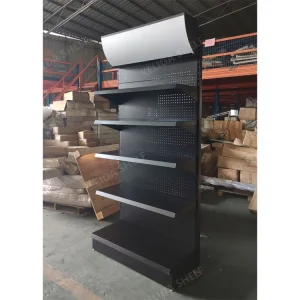
Technical queries and answers for global buyers and procurement engineers.
Impact resistance is determined by steel grade selection (such as high-tensile Q235B or Q355B structural steel), profile gauge thickness, baseplate size, and bracing configuration. Reinforced column designs and secondary baseplate anchors absorb and ground collision forces, preventing local buckling.
We employ RMI/ANSI MH16.1 specifications for United States distributions and FEM/EN design standards for Europe. Our engineering team provides detailed load tables, finite element analysis reports, and material safety data sheets (MSDS) to assist buyers in passing regional safety inspections.
We provide full customization, including custom dimensional sizes, adjustable pitch patterns, seismic configurations, custom electrostatic powder coating colors, and multi-level mezzanine assemblies tailored to dynamic warehouse payloads.
Our 22 QC specialists execute a series of tests: tensile strength tests on incoming steel coils, weld defect detection, dynamic loading tests on sample bays, and salt-spray testing (ASTM B117 standards) to verify coating longevity in humid or refrigerated zones.
Typical production cycles range from 20 to 30 days depending on project scale and customization complexity. Benefiting from our proximity to Ningbo Port, one of the world's premier deepwater shipping hubs, we guarantee efficient transport logistics and containerized loading workflows.
 Kelida Racking