Discover our core engineering line-up. Developed to maximize vertical cubic volume, optimize supply chain velocity, and conform to the strictest structural loading standards globally.
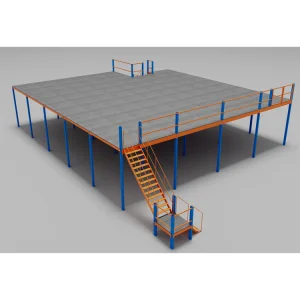
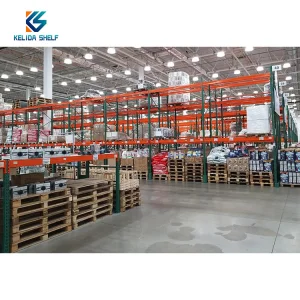
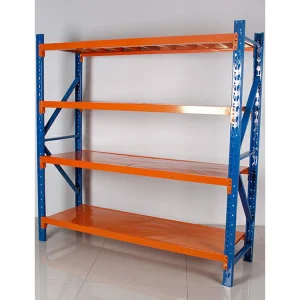
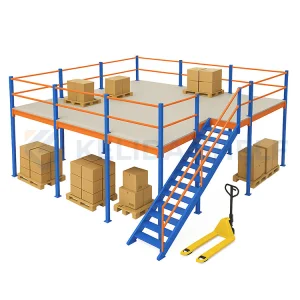
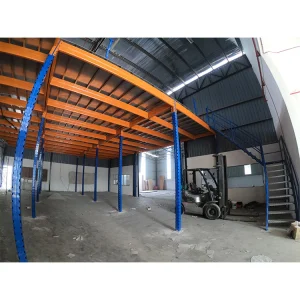
In the modern landscape of global warehousing, supply chain density has progressed from a secondary operational efficiency metric to a critical determinant of business survival. Industrial Utility Platforms, particularly structural steel mezzanine configurations and multi-tier racking systems, have emerged as the premier structural framework enabling organizations to scale storage metrics without executing costly horizontal real estate expansions.
Historically, warehousing focused primarily on footprint square footage. The contemporary paradigm, however, centers on cubic space utilization. Through the integration of structural steel mezzanine platforms, facilities can expand their operational floor space by 100% to 300%. These systems serve as structural foundations supporting not only high-density static pallet storage but also dynamic automation solutions including Autonomous Mobile Robots (AMRs), Automated Storage and Retrieval Systems (ASRS), and high-velocity conveyor matrices.
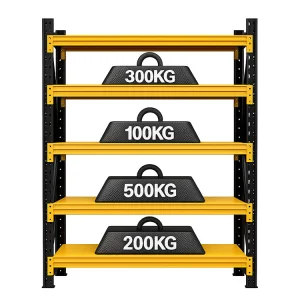
Developing high-performance utility platforms requires a deep understanding of metallurgy, structural engineering, and dynamic load stress profiling. Structural performance is typically assessed across three primary load metrics: static dead load, uniform distributed live load (UDL), and heavy concentrated point loads. Our structural engineering division utilizes advanced Finite Element Analysis (FEA) to simulate real-world storage stresses, ensuring all designs optimize steel profile geometry (using cold-rolled and hot-rolled structural steel sections) while maximizing the safety factor.
For critical applications, including multi-tier mezzanine floors or heavy-duty cantilever racks, structural calculations must account for local seismic coefficients (SDC), horizontal wind loads in external installations, and dynamic impact variables from mechanical equipment such as forklifts and material lifts.
To satisfy the regulatory requirements of tier-one global markets, industrial platforms must adhere strictly to regional design codes. Our structures are fully compliant with:
Ningbo Kelida Shelf Co., Ltd. operates at the intersection of high-precision heavy industrial manufacturing and structural optimization. Our 28,000-square-meter facility utilizes cutting-edge automated production lines, ensuring consistent dimensions, superior surface finishes, and code compliance across every production run.
Every platform component undergoes strict automated fabrication procedures. From high-precision multi-directional cutting to advanced electrostatic powder coating systems, we build quality control directly into the production workflow.
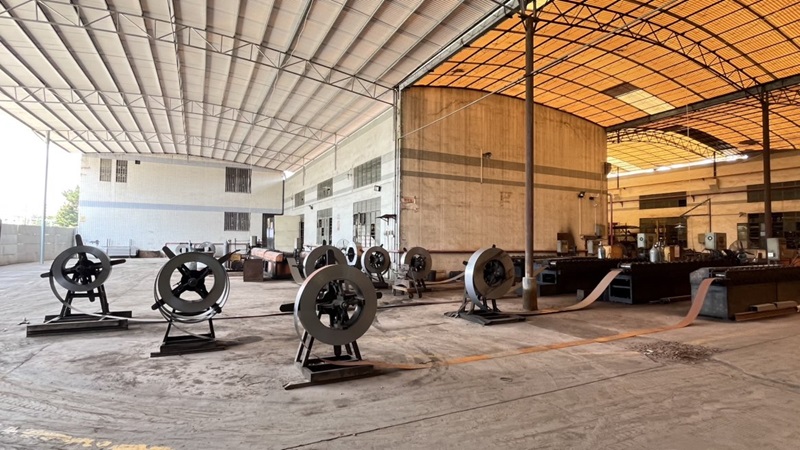
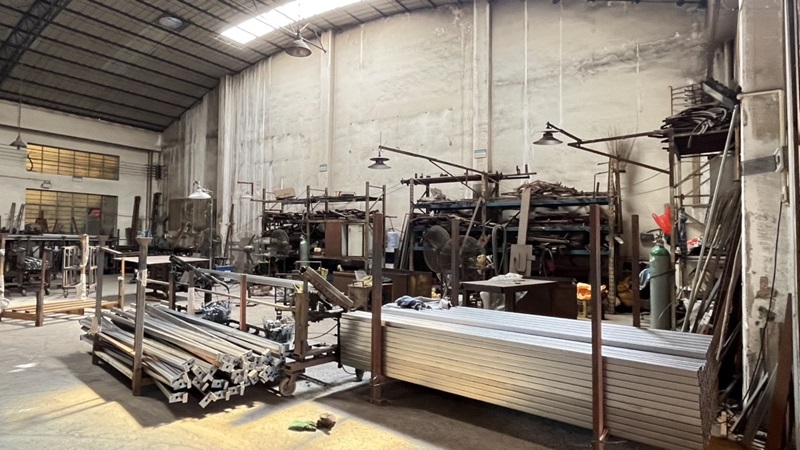
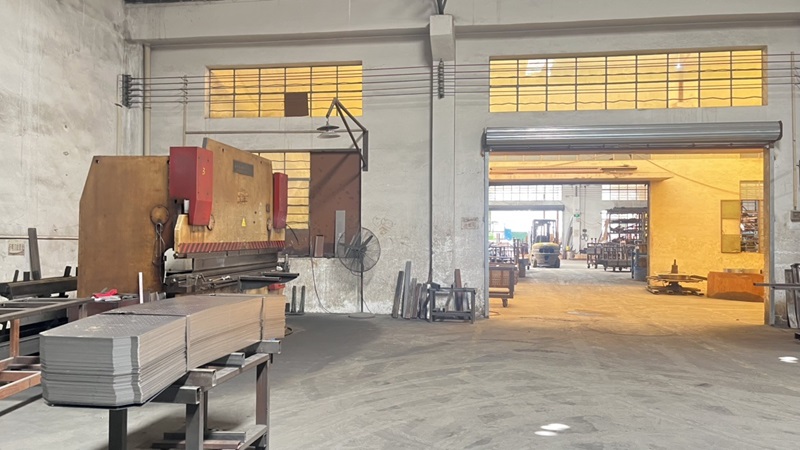
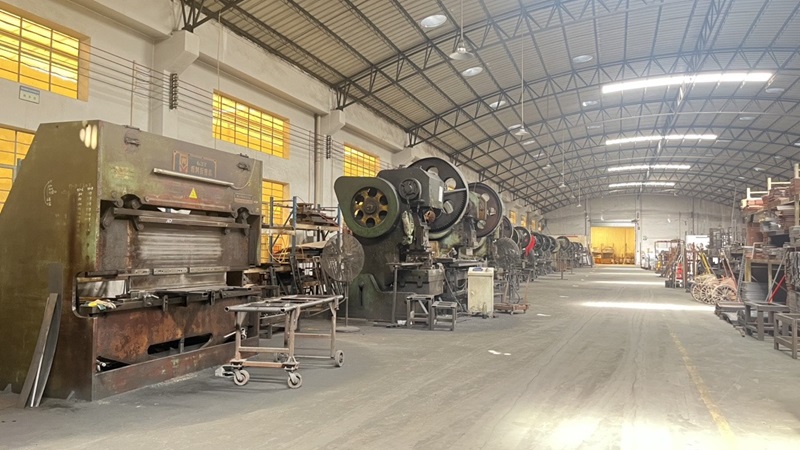
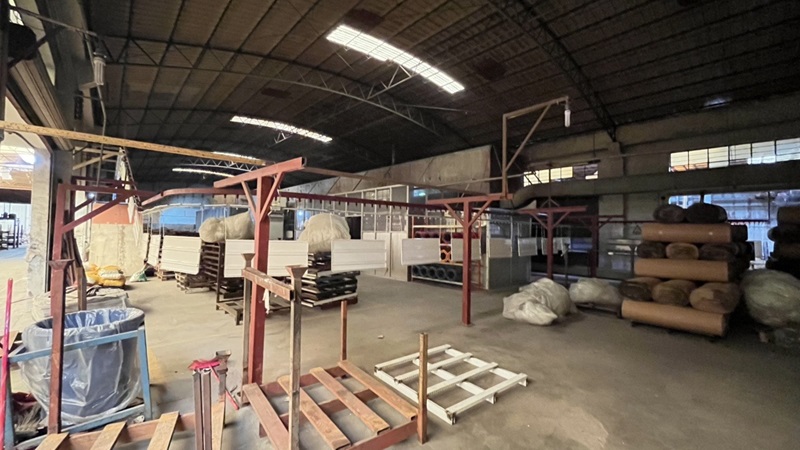
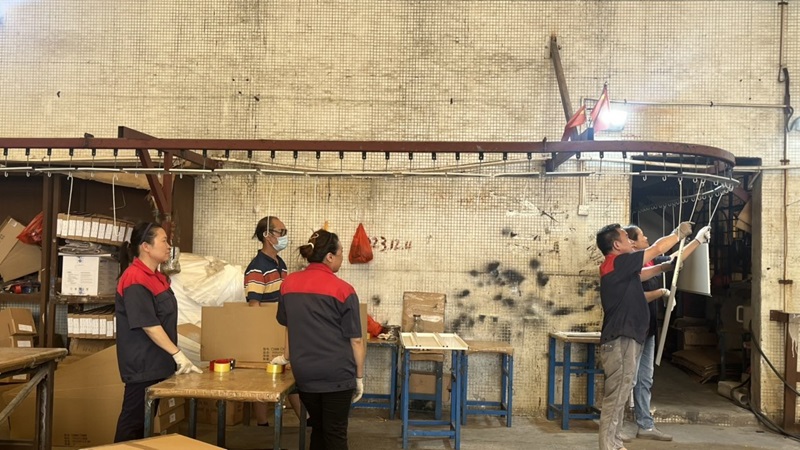
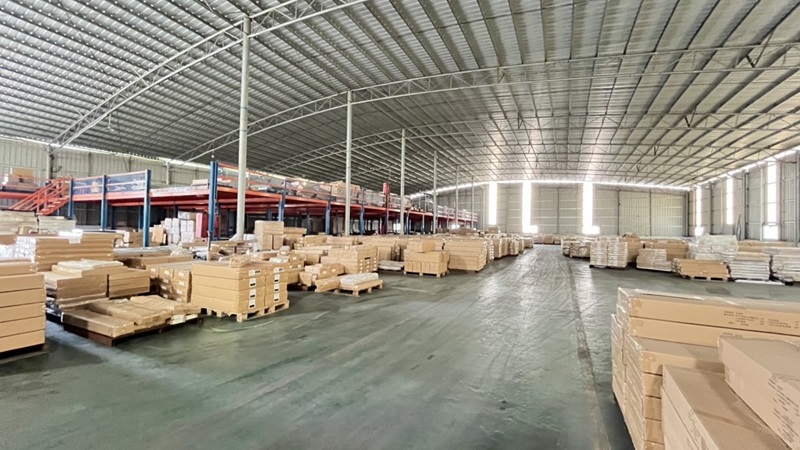
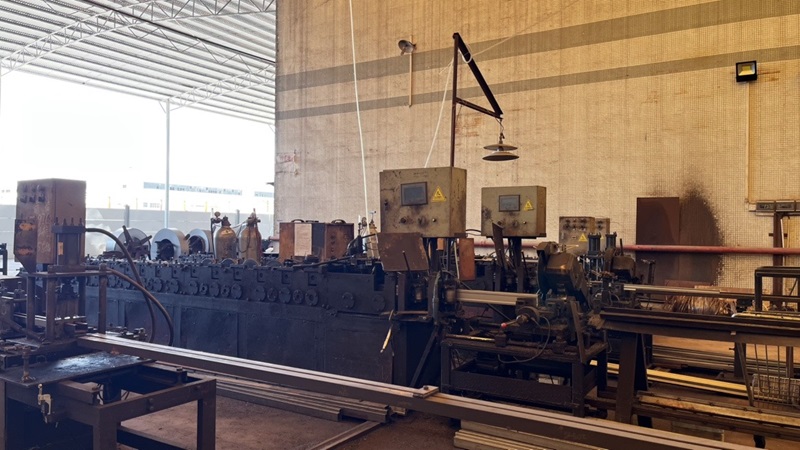
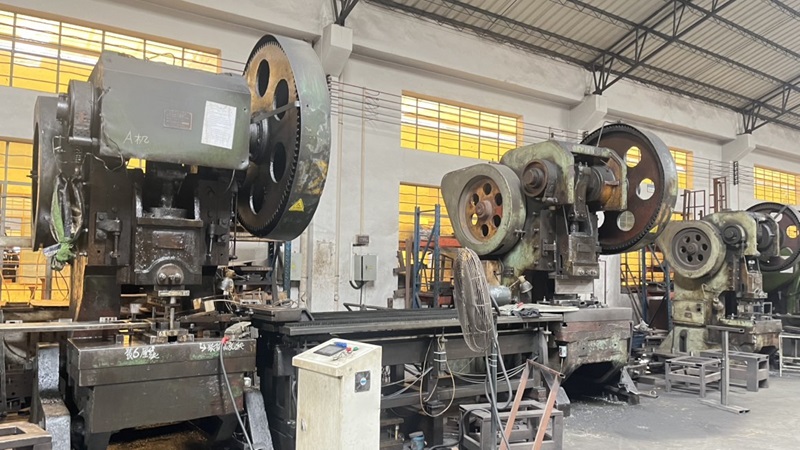
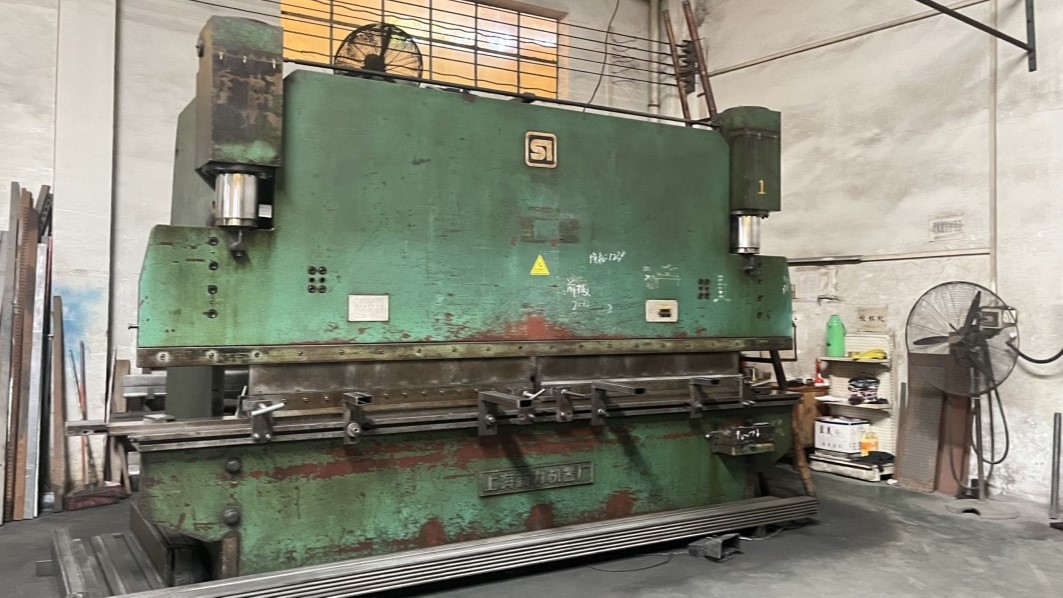
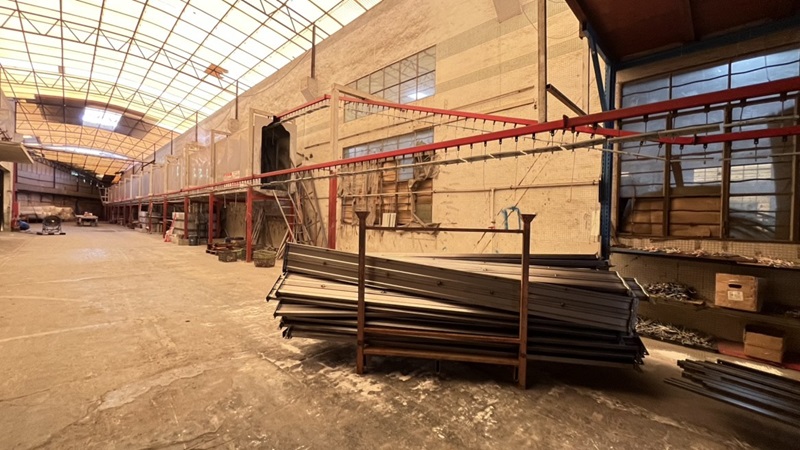
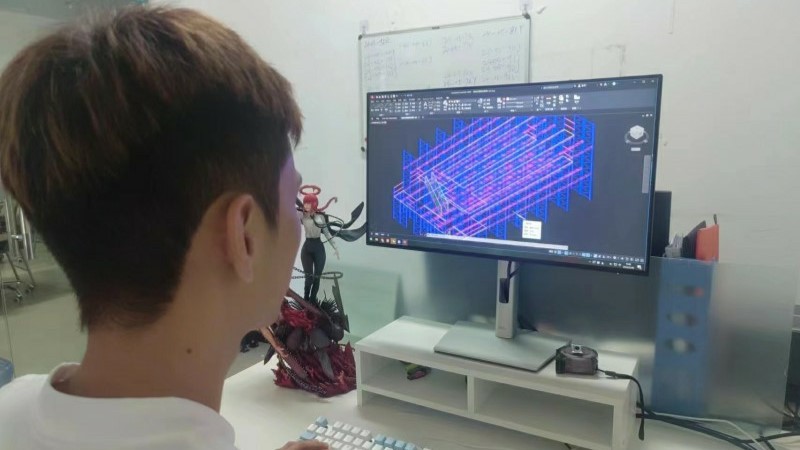
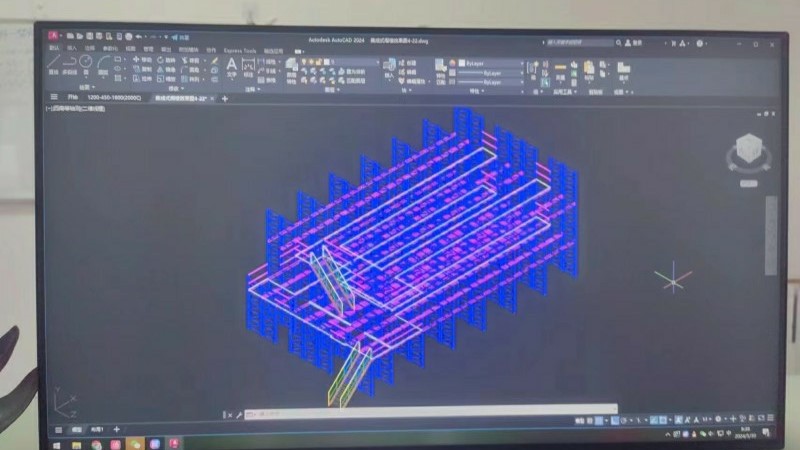
Every warehousing vertical features unique regulatory and mechanical constraints. By leveraging modular structural design, Kelida customizes material selection, flooring surfaces, and racking profiles to solve the operational pain points of diverse industries.
To maintain our low defect rate and satisfy global distribution audits, Kelida operates a dedicated testing laboratory managed by 22 QC specialists. Our testing matrix follows systematic quality milestones, providing customers with reliable engineering documentation.
The future of industrial warehousing is intelligent and interconnected. Static platforms are evolving into active technical systems. Kelida is leading this transition by engineering the next generation of smart platforms:
Traditional mezzanines are engineered primarily for human foot traffic. Our upcoming product lines feature specialized composite steel-deck profiles with integrated vibration dampening, low-noise underlayments, and high-flatness surface specifications designed for optimal autonomous robot mobility.
By embedding micro-strain gauges and IoT load cell networks into primary structural support columns, our future platforms will provide real-time warning indicators if storage loads exceed local design limits.
We are actively researching the application of ultra-high-yield steels and self-healing zinc-magnesium coatings. These materials allow us to decrease total rack weight without sacrificing load capacity, reducing raw material utilization and carbon footprints.
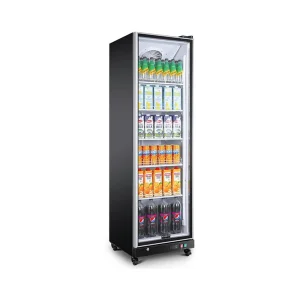
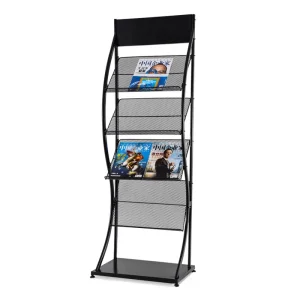
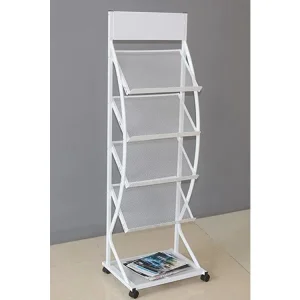
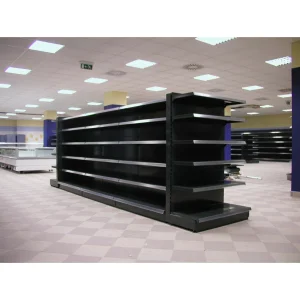
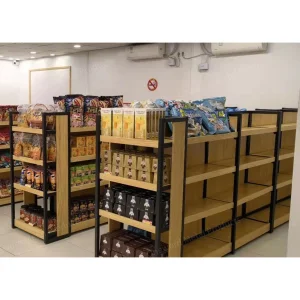
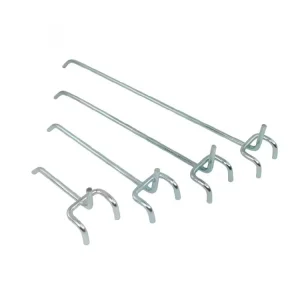
Explore our secondary lines of material handling fixtures, retail racks, and accessory systems. Manufactured to the same strict dimensional tolerances as our heavy industrial platforms.
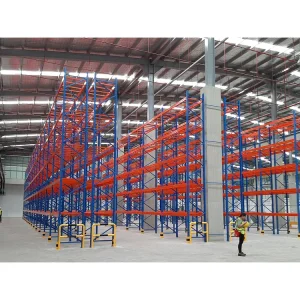
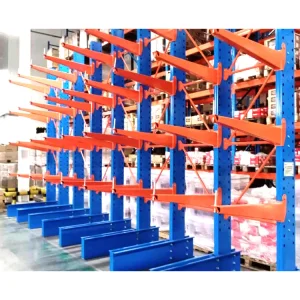
 Kelida Racking