Engineered for maximum space utilization, high load-bearing capacity, and optimized logistical flows.
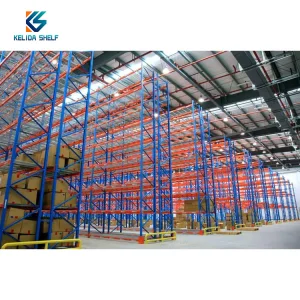
The structural shift from static shelving to automated, software-driven dynamic density.
Modern global logistics is undergoing a fundamental transformation. Rapidly rising industrial land costs, severe warehouse labor shortages in developed markets, and the urgent requirement for accelerated throughput have made traditional selective pallet racking obsolete for high-volume operations. In this context, semi-automated systems like the Radio Shuttle Storage System have emerged as the standard infrastructure for modern supply chains.
Across North America, Europe, and the Middle East, enterprises are under pressure to optimize horizontal and vertical cube space. Unlike traditional drive-in racking, which is notoriously slow and susceptible to structural damage from forklift collisions, the Radio Shuttle System uses intelligent robotic shuttle carts. These carts traverse custom-designed rail channels, lifting, moving, and indexing pallets deep within the racking structure. This removes the need for forklifts to enter the rack bays, drastically improving throughput speed and structural safety.
By shifting from manual processes to automated deep-lane storage, commercial operators can increase their overall storage capacity by up to 80% compared to standard selective racking. This shift is critical for high-turnover sectors such as cold chain food storage, fast-moving consumer goods (FMCG), and third-party logistics (3PL) hubs, where inventory density directly impacts bottom-line profit margins.
What procurement managers look for in automated high-density racking vendors.
Global procurement teams prioritize adherence to internationally recognized design standards, including the RMI (Rack Manufacturers Institute) standard in the USA and EN 15512 (FEM 10.2.02) codes in Europe. Racks must be engineered using premium certified structural steel (such as Q235B or Q355) to guarantee load capacities up to 1,500 kg per pallet and handle seismic requirements.
Every warehouse has a unique footprint. Procurement requires suppliers who offer tailored rail dimensions, custom load ratings, bespoke corrosion-resistant finishes, and seamless integration with existing Warehouse Management Systems (WMS) and Warehouse Control Systems (WCS).
Fail-safe protection mechanisms are non-negotiable. Procurement managers seek manufacturers whose radio shuttle carts are equipped with obstacles sensors, deceleration controls, laser ranging, and emergency braking systems to prevent product damage and workplace injuries.
How Ningbo Kelida Shelf Co., Ltd. blends precision engineering with advanced manufacturing scale.
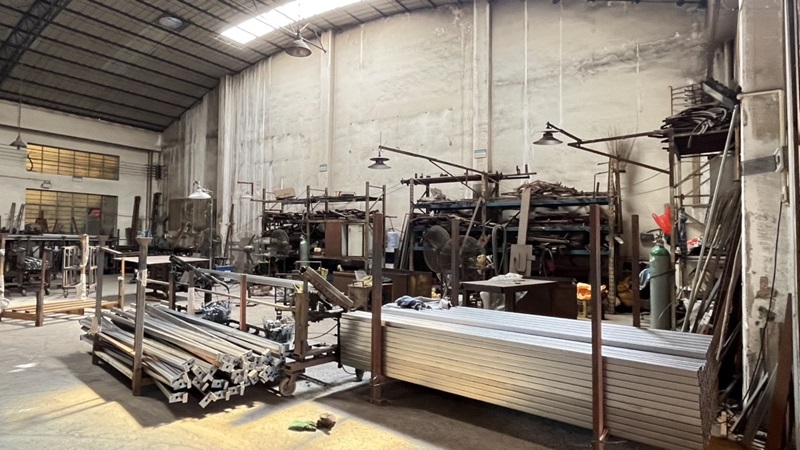
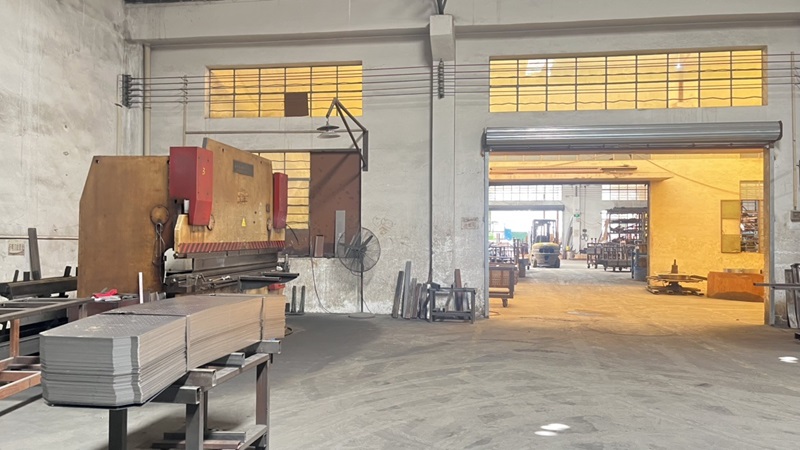
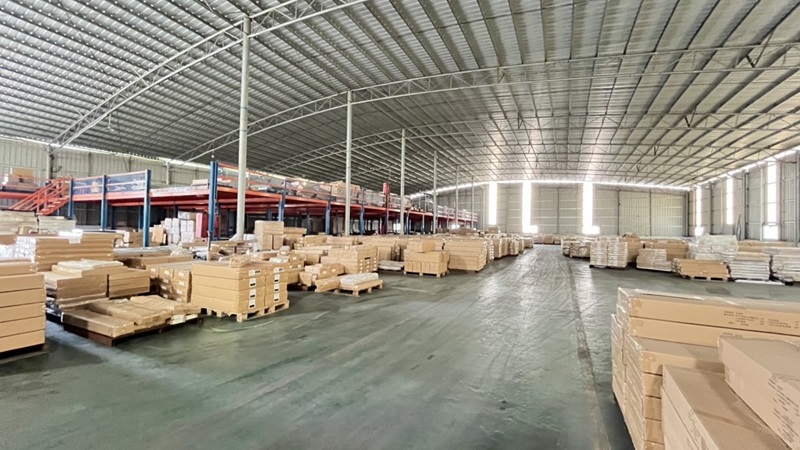
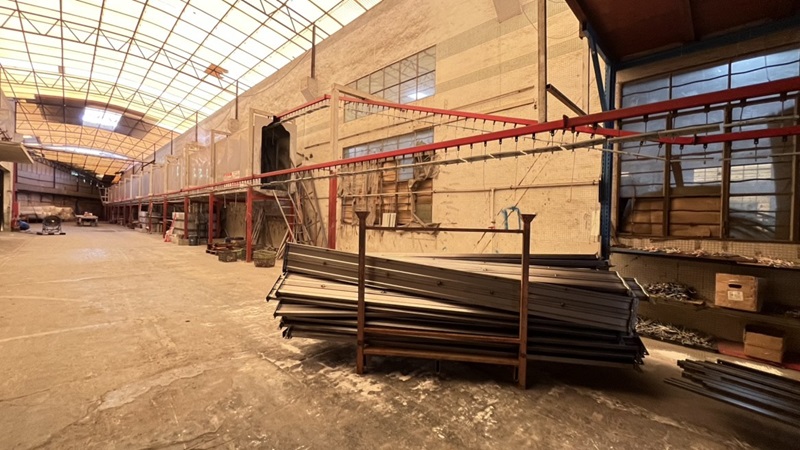
As supply chain disruptions threaten global business continuity, Ningbo Kelida Shelf Co., Ltd. stands as a model of resilience and reliability. Established in 2014, Kelida operates a modern 28,000-square-meter manufacturing facility designed around Factory 4.0 principles. The company integrates high-precision automated manufacturing to produce structural storage solutions with unmatched accuracy and speed.
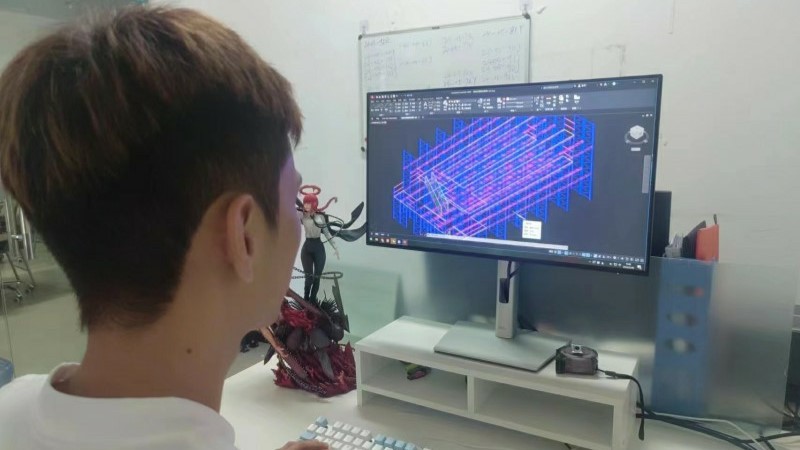
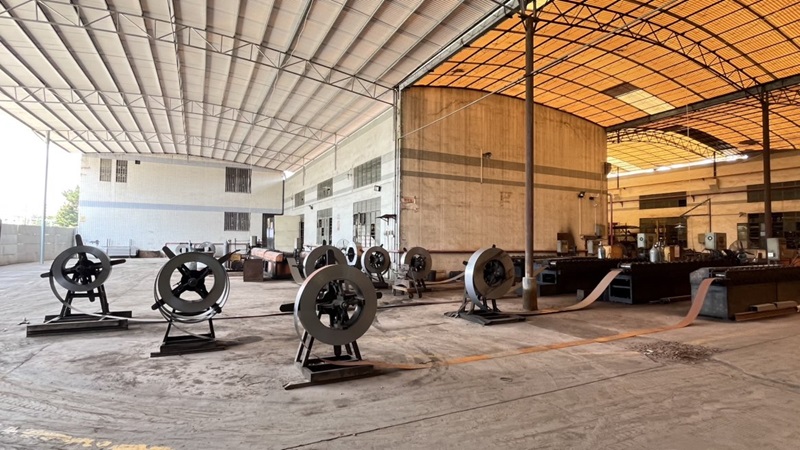
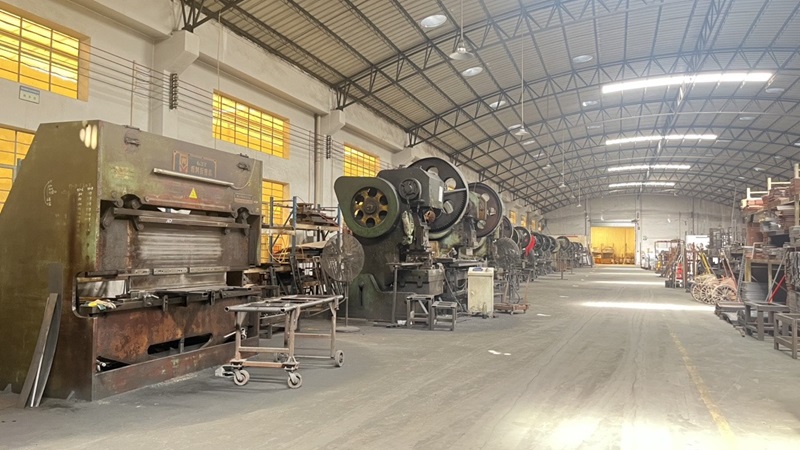
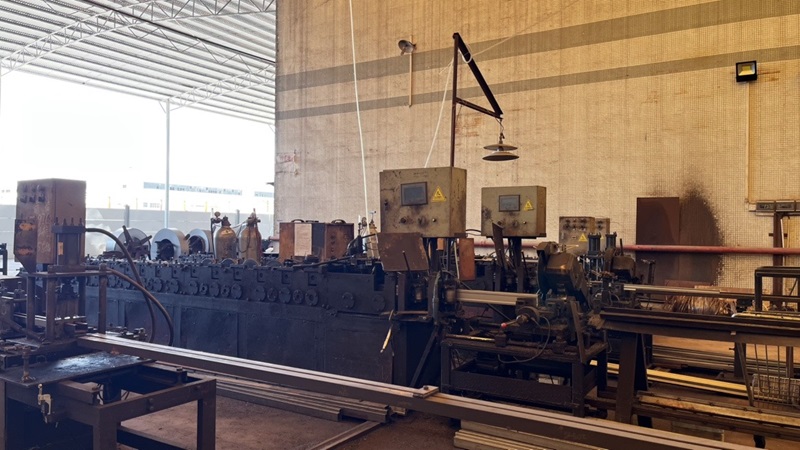
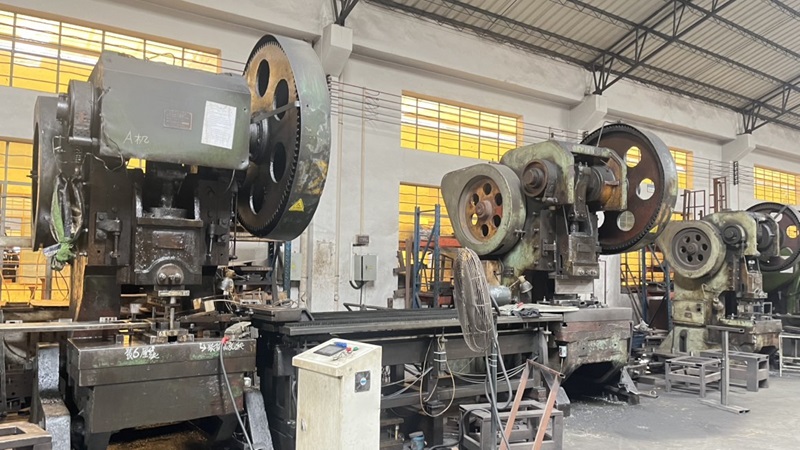
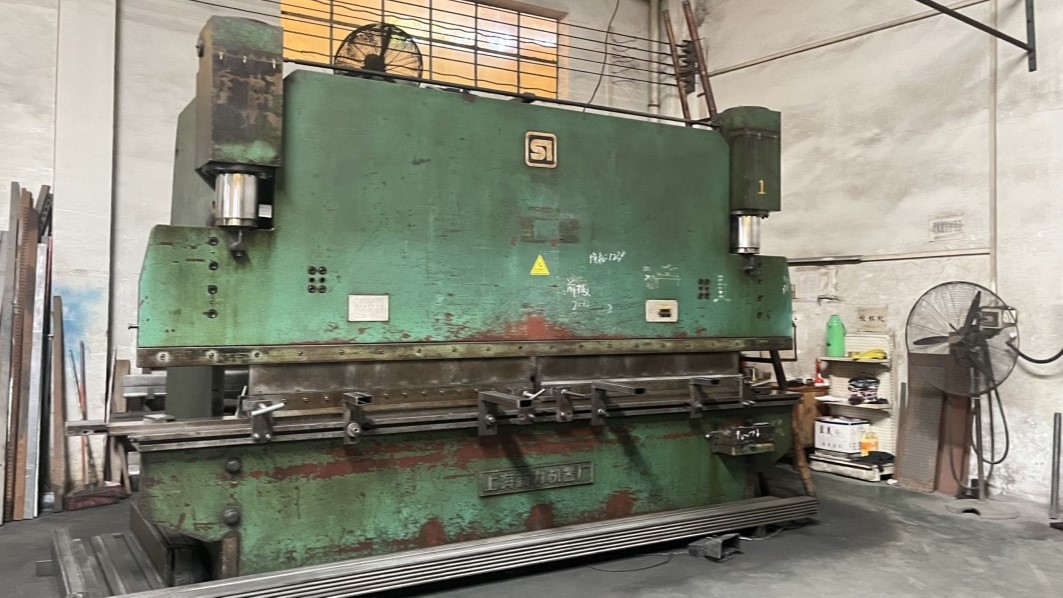
China’s manufacturing sector has shifted from basic assembly to advanced, automated engineering. At Kelida, this evolution is evident across our entire production process. We utilize automated CNC punching lines, high-speed roll forming machinery, and robotic welding stations to ensure every upright frame, beam, and shuttle rail is fabricated to strict tolerances. Our design and manufacturing processes are fully digitalized, allowing our R&D team of 15 structural engineers to quickly transition custom designs into finished products.
Our deep integrated supply chain network is a key competitive advantage. Kelida partners with over 650 qualified raw material and component suppliers. This extensive network shields our clients from raw material fluctuations, guarantees consistent access to premium cold-rolled steel coils, and allows us to maintain stable, cost-efficient production cycles even during peak market demand.
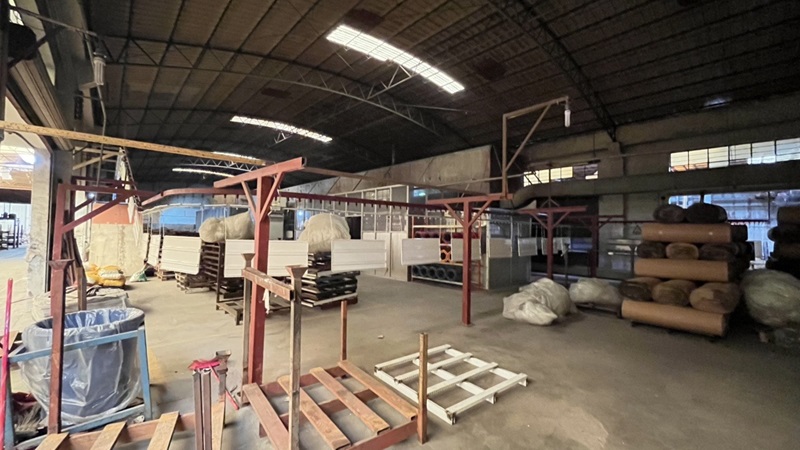
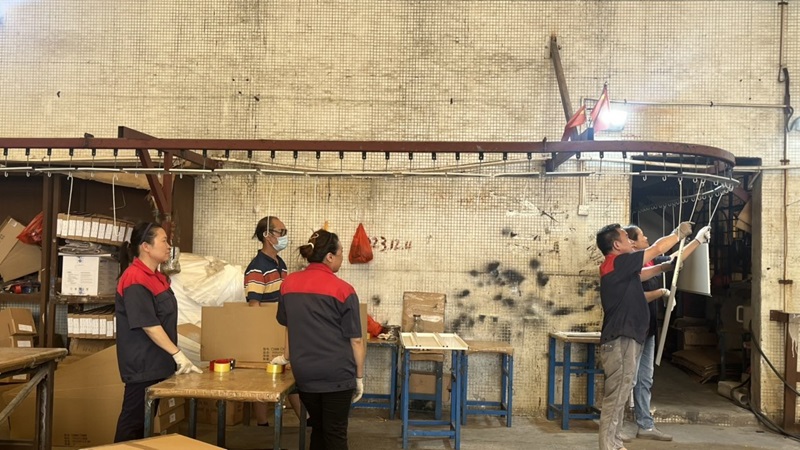
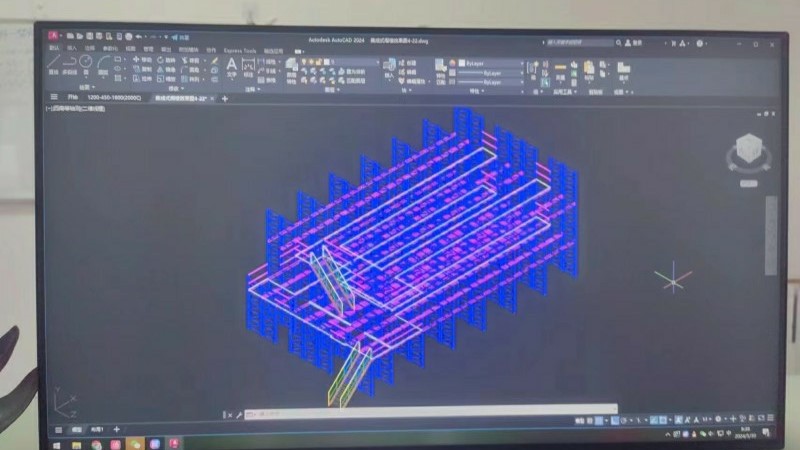
A visual tour of Ningbo Kelida’s advanced production and engineering workflow.
How our QC engineering guarantees safety and reliability under extreme operational loads.
Quality control is embedded in every stage of our operations. Supported by a dedicated quality assurance team of 22 QC specialists, we implement rigorous inspection procedures—including raw material tensile testing, automated weld inspection, dynamic load capacity verification, and salt-spray corrosion testing—to guarantee that every rack meets international safety standards.
Every batch of raw cold-rolled steel coils undergoes destructive tensile strength and yield testing. We only process steel that meets our strict requirements for structural yield limits (typically Q235B or high-strength Q355 equivalent to ASTM A36 and Grade 50), preventing steel fatigue and ensuring safe long-term operations.
Load-bearing beam connections and structural baseplates are joined using automated GMAW (Gas Metal Arc Welding) processes. Welded joints are then subjected to regular ultrasonic inspections to verify deep penetration and eliminate micro-porosity issues.
Racks used in cold storage or high-humidity environments require robust surface protection. Our automated electrostatic powder-coating lines apply a thick, uniform paint layer that undergoes adhesion cross-cut testing and 500-hour salt-spray corrosion testing, ensuring decades of rust-free service.
The convergence of IoT, AI-based dispatching, and ultra-high-efficiency lithium batteries.
The radio shuttle racking industry is rapidly evolving. We are shifting from basic remote-controlled systems to smart, fully integrated automated warehouses. The future of high-density storage relies on the combination of automated shuttle carts and intelligent software networks.
Shuttle carts are increasingly equipped with built-in IoT sensors. These sensors transmit operational data (such as motor temperature, wheel wear, and battery status) back to a central console, enabling predictive maintenance schedules and minimizing unscheduled downtime.
By connecting with WCS algorithms, modern shuttles can coordinate their movements dynamically. This allows the system to organize pallet sequences in real-time, matching changes in outgoing freight priorities and improving picking speed.
Older lead-acid battery packs have been replaced by fast-charging Lithium-Iron Phosphate cells. Modern lithium batteries allow the shuttles to run for a full 8-hour shift on a single 1-hour charge, while performing exceptionally well in deep-freeze warehouses down to -25°C.
How different industries use Radio Shuttle Systems to optimize space and throughput.
1. Cold Storage (Deep Freeze Environment): Cold storage facility costs are extremely high. Every cubic meter of refrigerated air requires significant electrical energy. Radio shuttle systems allow deep lane racking that maximizes storage density and reduces wasted cold airspace. Since forklift drivers do not need to enter cold chambers to retrieve pallets, loss of cold air is minimized, and operator safety is greatly improved.
2. Third-Party Logistics (3PL) & E-commerce Hubs: High turnover speeds require reliable material handling. Radio Shuttle systems support both FIFO (First-In, First-Out) and LIFO (Last-In, First-Out) configurations. Fast-moving stock can be processed through dedicated channels, allowing logistics hubs to handle high-volume seasonal inventory spikes without bottlenecks.
3. Food and Beverage Manufacturing: Strict batch control is critical in food manufacturing to monitor shelf life. Radio shuttle systems integrate with tracking databases via WMS to ensure older inventory is retrieved first. By reducing forklift transit times within racking lanes, businesses can achieve faster, safer, and cleaner material handling.
Direct technical answers to help you make informed procurement decisions.
Our standard radio shuttle racking systems are designed to support dynamic load capacities ranging from 500 kg up to 1,500 kg per pallet position. Our structural R&D engineering team can custom-design the rack profiles and rail gauges to support heavier industrial loads upon request.
Yes, our radio shuttle systems are fully optimized for cold storage and deep-freeze facilities. Equipped with special low-temperature lubricants, condensation protection components, and cold-resistant Lithium-Iron Phosphate (LiFePO4) battery packs, they run smoothly in temperatures as low as -25°C.
We follow strict international quality controls. Our design calculations and structural configurations comply with both European FEM (Federation Europeenne de la Manutention) 10.2.02 and US RMI standards. Quality checks are managed by our team of 22 QC specialists, covering raw material tensile strength tests and weld inspections.
We offer extensive options to customize our systems to your needs. This includes specific load limits, dimensions to match unique warehouse floorplans, custom-painted rack colors, and protective coatings such as hot-dip galvanization for outdoor environments or specialized powder coatings.
Engineered for heavy-duty industrial storage, structural durability, and high volume capacity.
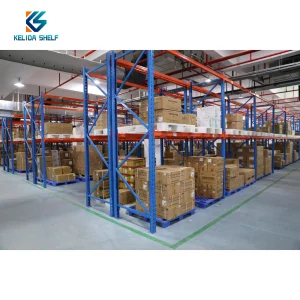
 Kelida Racking