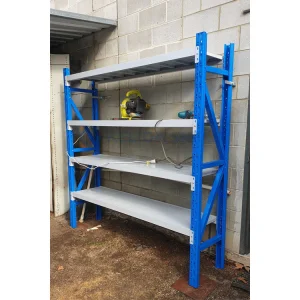
Explore our premium range of industrial-grade storage racking and heavy-duty display systems engineered for global supply chains.
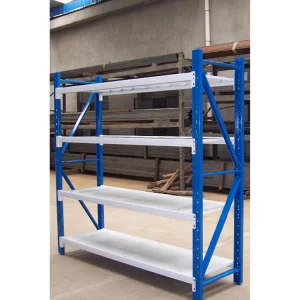
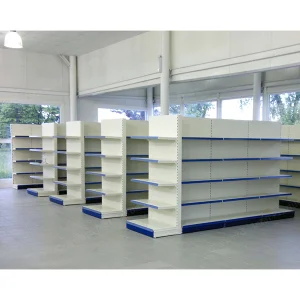
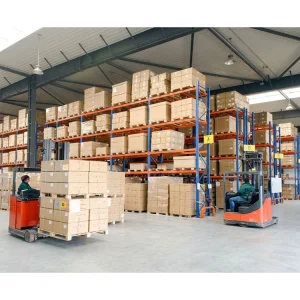
In the modern supply chain landscape, static racking has evolved from simple storage components into critical, automation-ready infrastructure. With the growth of global e-commerce, the expansion of third-party logistics (3PL), and the drive for zero-error fulfillment, companies are adopting CE-certified automated shelving and pallet racking systems.
This shift requires structural racking systems designed with precise tolerances, high structural integrity, and integration interfaces for Automated Guided Vehicles (AGVs), autonomous mobile robots (AMRs), and high-bay stacker cranes. Standard racks are no longer sufficient; global enterprises demand high-load structural configurations that ensure safety, regulatory compliance, and seamless operational uptime.
As a leading manufacturer of automated shelving, Ningbo Kelida Shelf Co., Ltd. designs, engineers, and manufactures industrial-grade storage solutions. Our systems are engineered to perform under dynamic mechanical loads, meeting the rigorous standards of modern logistics facilities.
Automated Storage and Retrieval Systems (AS/RS) require tighter physical tolerances than conventional manual shelving. Stacker cranes moving at speeds up to 240 meters per minute depend on straight rack uprights, flat beams, and stable floor connections. Even a deflection of a few millimeters can cause alignment issues, leading to system downtime or automated container collision.
At Kelida, we employ advanced Finite Element Analysis (FEA) to simulate dynamic stresses, seismic forces, and high-frequency structural vibrations. We construct our uprights from cold-rolled steel profiles with multi-bend geometries to optimize load-to-weight ratios and maximize resistance to torsional buckling.
| Parametric Attribute | Standard Pallet Racking | AS/RS Semi-Automated Shelving | Fully Automated High-Bay Racking |
|---|---|---|---|
| Steel Grades (GB/T / EN) | Q235B (S235JR equivalent) | Q355B (S355JR equivalent) | Q355B / High-tensile custom alloys |
| Dimensional Deviation Limit | ±2.0 mm | ±1.0 mm | ±0.5 mm or lower (Strict tolerance) |
| Max Dynamic Load Capacity | 1,000 kg – 2,000 kg / level | 2,000 kg – 3,500 kg / level | Up to 4,000 kg per storage cell |
| Max Height Limits | Up to 12 meters | Up to 18 meters | Up to 40+ meters (Clad rack structures) |
| Robotic & Sensor Interface | Not applicable | Guide rails, retroreflective markers | Integrated busways, photo-electric arrays |
Established in 2014, Ningbo Kelida Shelf Co., Ltd. has developed from a regional manufacturer into a global supplier. Our facility in Ningbo covers 28,000 square meters and handles large-scale OEM and ODM orders. We operate automated roll-forming lines, robotic welding stations, and high-capacity powder coating lines.
Our R&D team consists of 15 structural engineers who design innovative warehouse racking and display products. Last year alone, we introduced 35 new storage products to address the evolving needs of logistics managers. We work with an integrated supply network of over 650 qualified raw material and component suppliers, ensuring stable materials sourcing, consistent pricing, and reliable lead times.
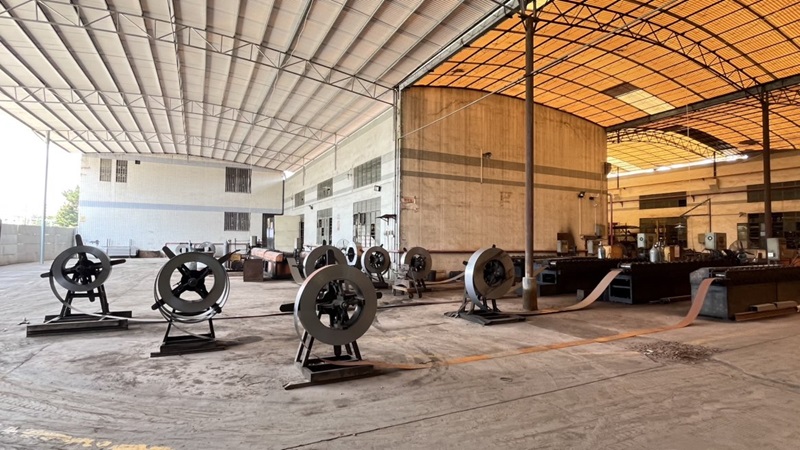
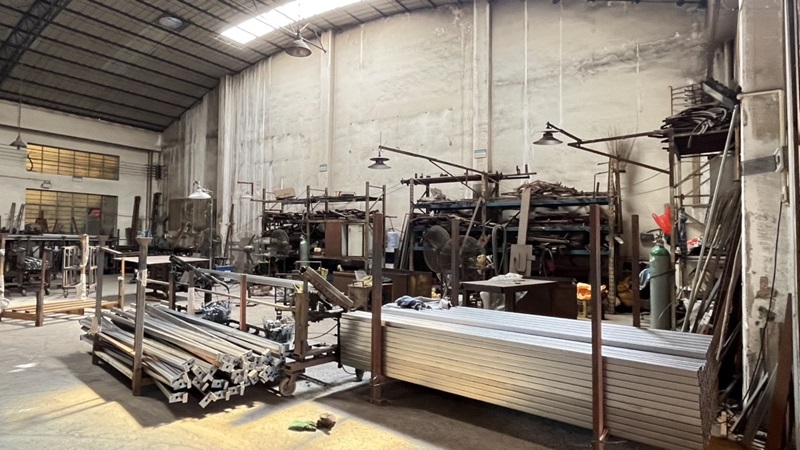
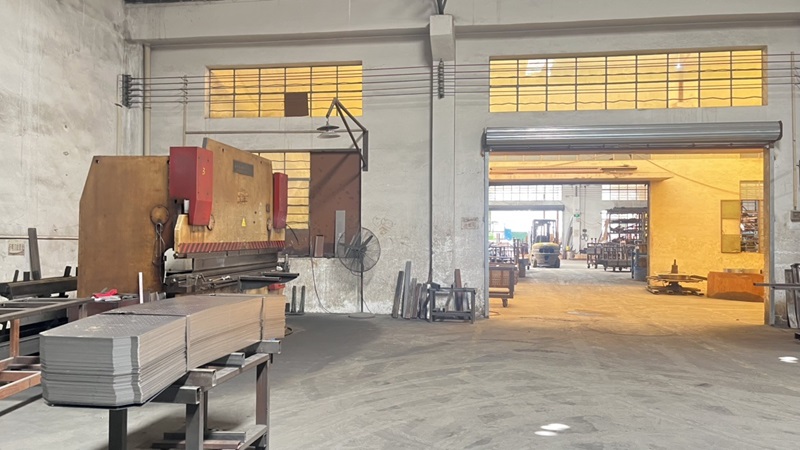
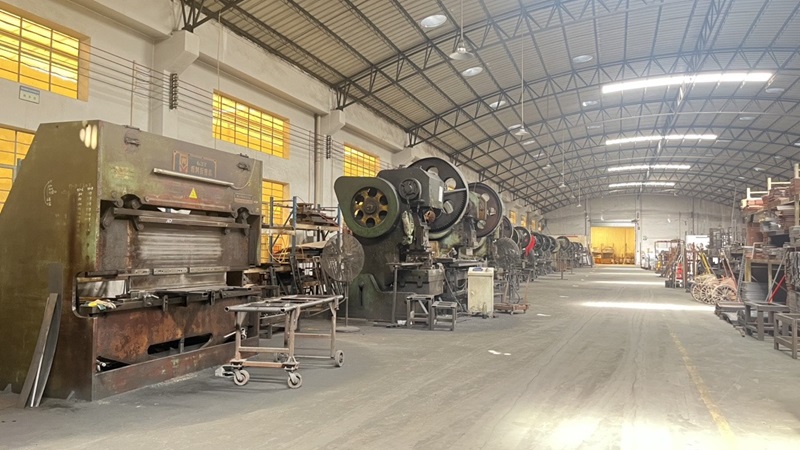
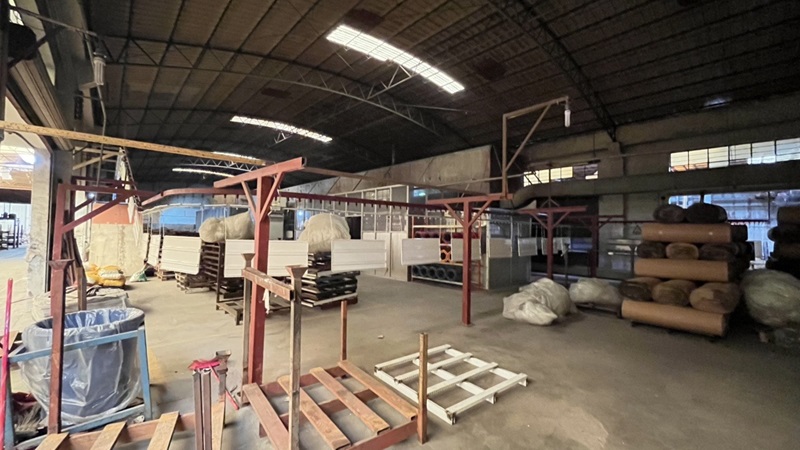
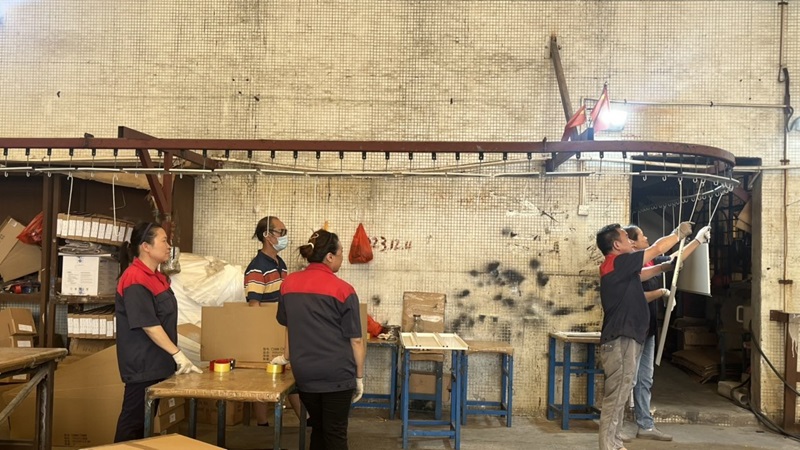
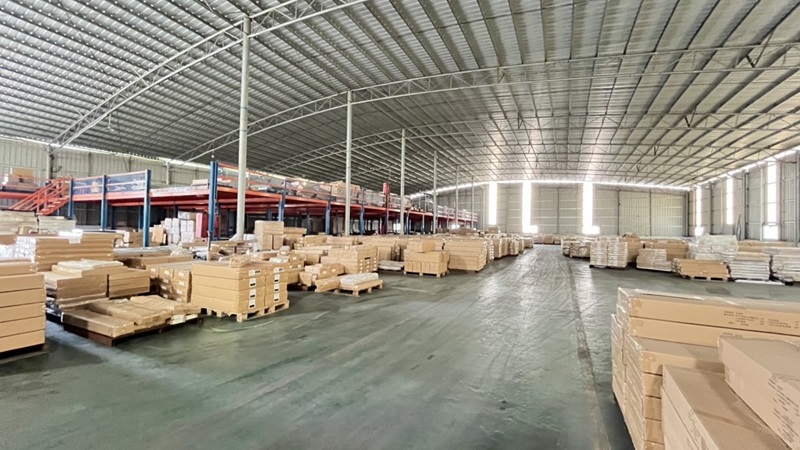
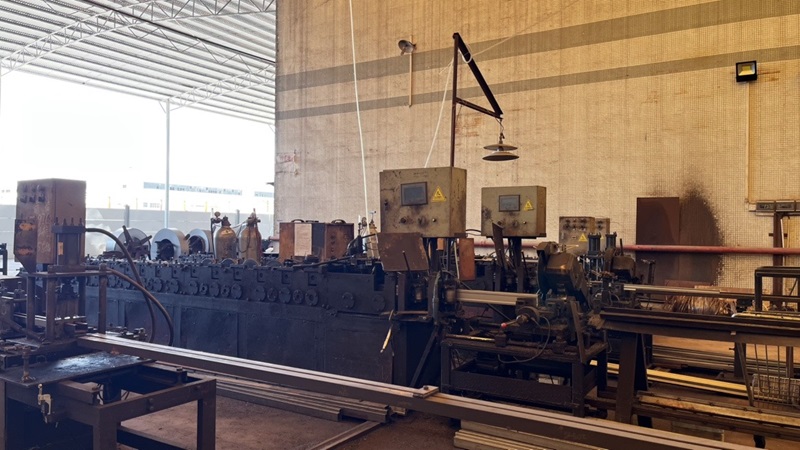
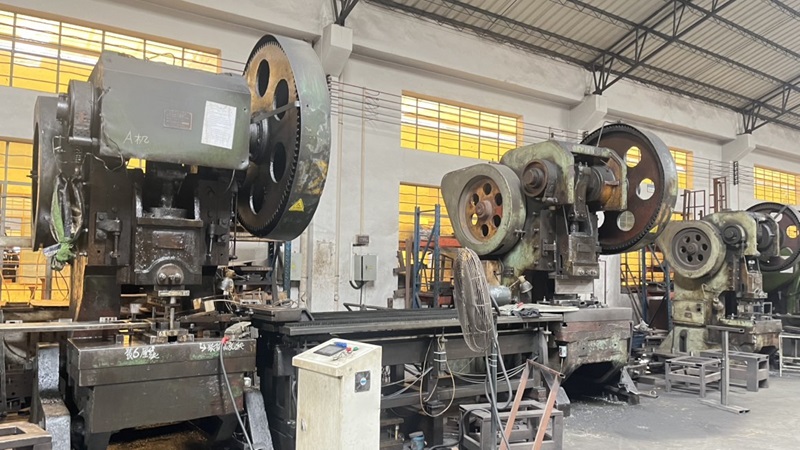
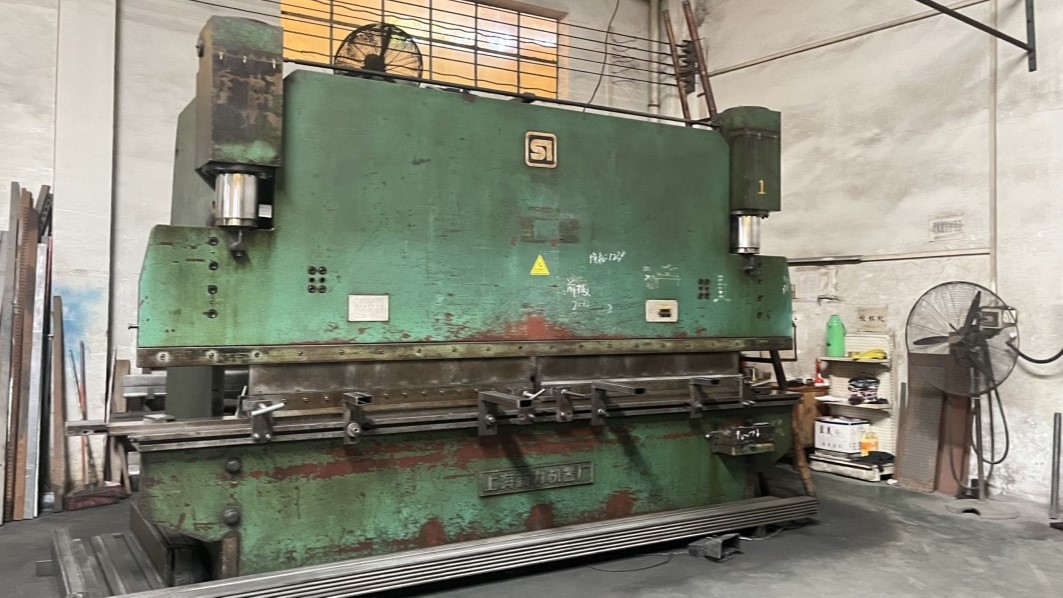
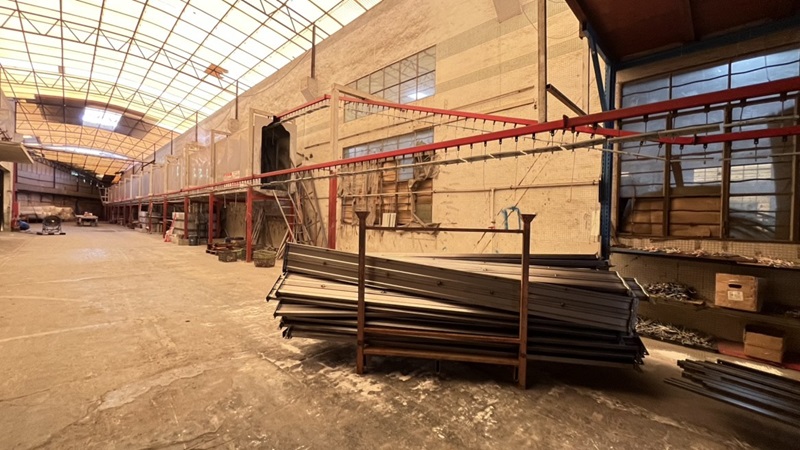
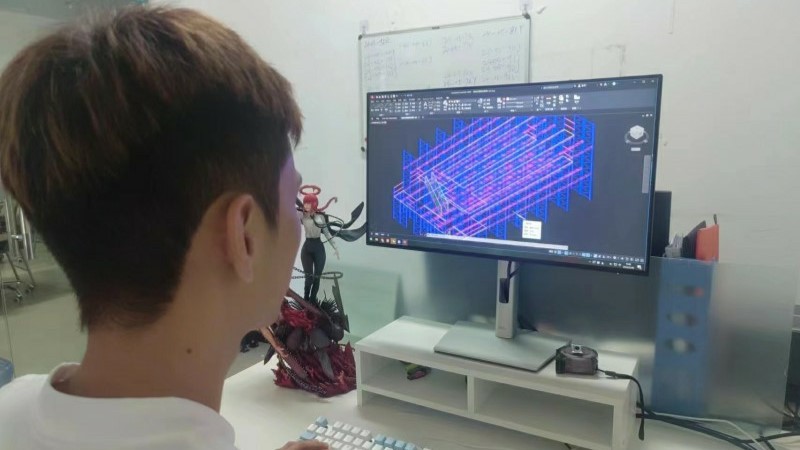
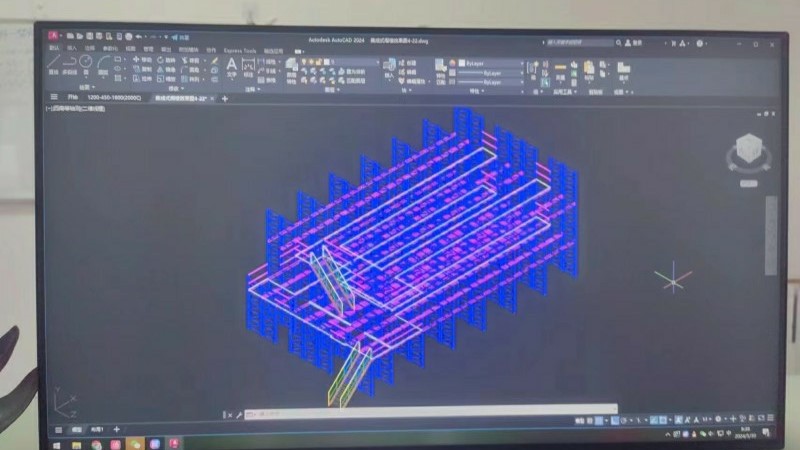
Safety and reliability are critical in high-density storage applications. A single structural failure can lead to inventory loss and liability issues. At Kelida, we employ a dedicated quality assurance team of 22 QC specialists who monitor every phase of our operations, from raw material arrival to final container dispatch.
Our quality testing protocol includes:
We test every coil batch of hot-rolled and cold-rolled steel for yield strength, tensile limits, and elongation performance to verify structural integrity before processing.
Our structures undergo dynamic load simulations using hydraulic test rigs to confirm they exceed standard load rating requirements by a minimum safety factor of 1.5.
Our electrostatic powder coatings undergo accelerated ASTM B117 salt-spray testing. This ensures long-term resistance to rust and corrosion in cold-storage and high-humidity environments.
Furthermore, our production conforms to standard international directives. We manufacture under the CE Certification guidelines, ensuring compliance with European Norms such as EN 15635 (Steel static storage systems - Application and maintenance of storage equipment) and EN 15512 (Steel static storage systems - Adjustable pallet racking systems - Principles for structural design).
As an export-oriented enterprise, our primary markets cover North America, Western Europe, Southeast Asia, and the Middle East. We serve a diverse client base, including third-party logistics (3PL) providers, industrial manufacturing plants, e-commerce distribution hubs, and commercial wholesale distributors.
Understanding that storage regulations vary by region, we custom-engineer our racking configurations to meet local building codes. For instance, in seismic zones across North America, we design racking bases with larger anchors and thicker gauge frames to meet RMI (Rack Manufacturers Institute) guidelines. For Western European countries, we ensure complete compliance with Eurocode 3 standards. Our international trade team coordinates shipping, handles customs clearance, and provides installation guidelines to facilitate project rollouts.
Expert answers to common engineering, structural, and procurement inquiries regarding automated shelving systems.
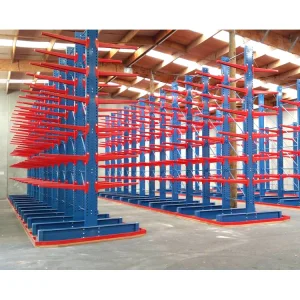
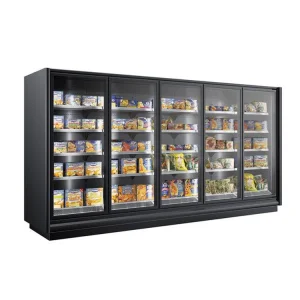
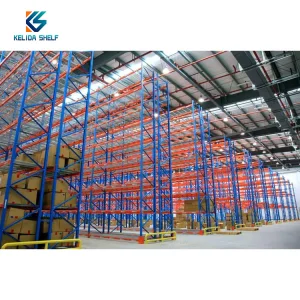
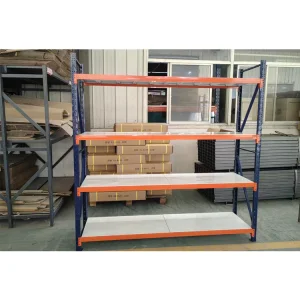
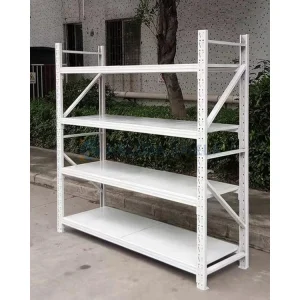
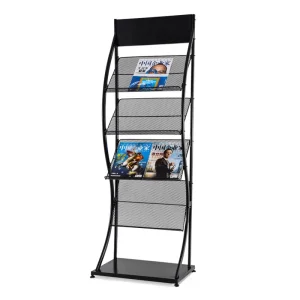
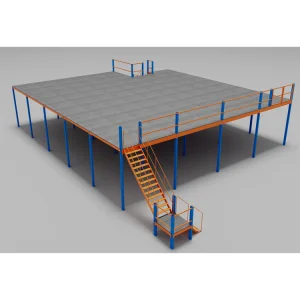
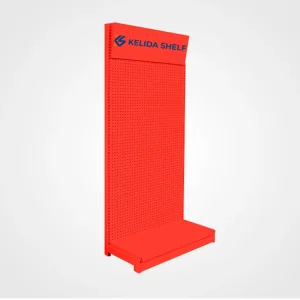
Examine our heavy-duty configurations developed for warehouses, manufacturing, and commercial establishments.
 Kelida Racking