Why Choose Wire Shelving for Your Business?

Time:2026-11-12 Author:Aria
0%

A busy storeroom reveals the value of a shelf quickly: cartons crowd the floor, labels disappear, and staff lose minutes searching. Wire Shelving can make stock visible and accessible while allowing airflow around stored goods. Its open design also helps teams spot misplaced items before a small error becomes a larger one.

The MHI and Deloitte 2024 Annual Industry Report highlights workforce constraints and supply-chain visibility as ongoing concerns for industry leaders. That context matters. Clear sightlines and adjustable shelf levels may help a business organize products without committing to a fixed layout. Warehouse-management consultant Ken Ackerman’s published work emphasizes that storage should support efficient product movement, not simply hold inventory. That is a useful principle, though every operation has different needs.

Wire Shelving is not a cure-all. Very small parts may need bins, and heavy loads require careful attention to rated capacity and installation. A shelf that looks sturdy is not proof of safe loading. Still, for stockrooms, kitchens, workshops, and retail back rooms, the right system can turn cluttered corners into usable storage. The choice deserves a closer look. This guide examines the practical benefits, limitations, and selection details businesses should weigh before investing.
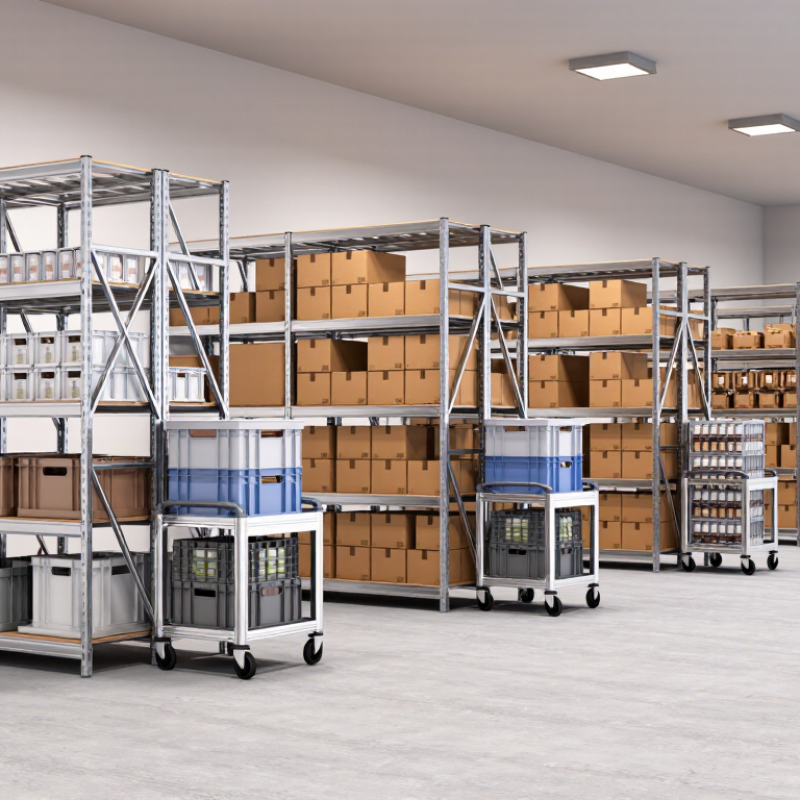
Why Choose Wire Shelving for Your Business?

Wire Shelving Basics: NSF/ANSI 2 Sets Food-Equipment Sanitation Criteria

Why Choose Wire Shelving for Your Business?

Wire shelving can make food-storage areas easier to inspect and clean. Open grids let staff spot spills, dust, and misplaced items without moving every container. The details matter: smooth, corrosion-resistant surfaces and accessible joints help prevent grime from collecting. NSF/ANSI 2 sets sanitation criteria for food equipment, including requirements for materials, design, construction, and performance. For a food business, check that the exact shelving model is certified to the standard, rather than relying on a general product claim. Certification does not replace routine cleaning. Not even close.

The risk is worth taking seriously. The CDC’s 2011 report, Estimates of Foodborne Illness in the United States, estimated 48 million illnesses, 128,000 hospitalizations, and 3,000 deaths from foodborne diseases each year.

Shelving alone cannot prevent foodborne illness, but a cleanable storage setup supports everyday hygiene. Picture a damp carton leaking beside a cooler: an open shelf makes the spill easier to notice, while removable parts can simplify washing. Staff still need to clean and dry surfaces on schedule, and inspect welds, feet, and coating for damage. One weak joint can hold residue. That part is easy to miss.

Load Planning: OSHA 29 CFR 1910.176(b) Requires Stable, Secure Storage

Why Choose Wire Shelving for Your Business?

Load Planning: OSHA 29 CFR 1910.176(b) Requires Stable, Secure Storage

Wire shelving keeps products visible, which can make routine checks and picking easier. But an open design does not make a load safe by itself. A neatly arranged shelf can still be overloaded, and that is easy to miss during a busy restock.

OSHA 29 CFR 1910.176(b) requires stored materials to be arranged so they do not create a hazard. Materials stored in tiers must be stacked, blocked, interlocked, and limited in height to stay stable against sliding or collapse. The rule addresses safe storage practices, not a particular shelf style. Plan loads around the shelving unit’s rated capacity, and check whether that rating changes with shelf spacing or configuration.

Put heavier cartons on lower shelves and spread weight across the surface instead of concentrating it in one spot. Keep containers within the shelf edges. Secure tall or unstable items where appropriate, and avoid using damaged posts or loose connectors. If the unit has casters, check that they are suitable for the floor and secured during loading. Small details matter. A shelf can look level while an uneven floor or shifting box quietly changes its balance; regular checks help catch problems before they become incidents.

Fire-Safe Layout: NFPA 13 Generally Calls for 18-Inch Sprinkler Clearance

Wire shelving helps staff see inventory and keeps stock off the floor, but it does not remove the need for sprinkler clearance. NFPA 13 generally calls for at least 18 inches between stored goods and sprinkler deflectors in many storage arrangements. Check the applicable standard edition and the building’s approved sprinkler design; requirements can vary.

Measure from the deflector to the highest stored item, not just to the shelf frame. A carton leaning above the shelf can quietly use up the gap. Keep it clear. During a walk-through, look for tall boxes, hanging packaging, and items placed on top of racks. These small changes often happen after the original layout is approved.

Open wire shelves may let water pass through, but do not assume they automatically meet sprinkler rules. Shelf construction, storage density, sprinkler type, and rack height can affect how water reaches a fire. Ask a qualified fire-protection professional or the local authority having jurisdiction to review the actual setup before changing shelf levels. That review can feel fussy. It is still better than discovering a clearance problem during an inspection.

Cold-Storage Use: USDA FSIS Recommends Refrigerators at 40°F or Below

Why Choose Wire Shelving for Your Business?
Cold-Storage Use: USDA FSIS Recommends Refrigerators at 40°F or Below

In a busy walk-in refrigerator, shelving affects how easily staff can see and reach stored food. Open-wire shelves allow cold air to circulate around items when shelves are not overloaded. They also make spills easier to spot. But shelving alone cannot keep food safe; temperature checks and cleaning still matter.

USDA FSIS advises keeping refrigerators at 40°F or below. The CDC estimates that foodborne illnesses cause about 48 million illnesses, 128,000 hospitalizations, and 3,000 deaths in the United States each year, based on its 2011 burden estimates. These figures underline why cold-storage routines deserve attention. Store raw foods below ready-to-eat foods, leave space between containers, and verify the temperature with an appliance thermometer. A crowded shelf can block airflow. It is easy to overlook.

Tips: Check refrigerator temperatures at the start of each shift and record them. Clean and dry shelves regularly, and remove damaged or unstable units from use. Small gaps matter. A thermometer reading is more dependable than guessing from how cold the room feels.

Business Selection: Compare Rated Capacity, Finish, Certification, and Total Cost

Wire shelving works well when stock changes often, visibility matters, and teams need quick access. Compare rated capacity before comparing prices. Check the load limit per shelf and per unit, and confirm whether the rating assumes evenly distributed weight. A box of fasteners stacked at the center is not the same as cartons spread across the shelf. Leave a safety margin. It is easy to overlook.

Finish matters in damp rooms, kitchens, and wash areas. Evaluate corrosion resistance, cleanability, and coating documentation against your actual environment. Where sanitation is important, verify relevant food-equipment certifications rather than assuming every coated shelf qualifies. For heavier storage systems, ask whether the supplier’s test documents follow an applicable standard, such as ANSI MH16.1 for industrial steel storage racks; that standard is not a universal shelving certification.

Total cost includes more than the purchase price: posts, clips, casters, installation, replacement parts, and cleaning time all add up. MHI’s 2024 Annual Industry Report says 55% of surveyed companies planned to increase supply-chain technology investment. That signals pressure to improve operations, but it does not make expensive shelving automatically worthwhile. Compare the cost per usable shelf over several years. Include delivery and downtime during assembly, too. I would still double-check the final layout; paper estimates rarely capture every awkward corner.

FAQS

How can wire shelving support cleaner food-storage areas?

Open grids make spills, dust, and misplaced containers easier to spot. Accessible joints also simplify cleaning.

Does wire shelving prevent foodborne illness?

No. Not by itself. Clean shelves support hygiene, but staff must follow cleaning and food-handling routines.

What should I check when choosing shelving for a food business?

Verify that the exact model meets the applicable food-equipment sanitation standard. A general product claim may not confirm this.

How should shelves be maintained?

Clean and dry them regularly. Inspect welds, feet, and coatings for damage. Still, small joints can be easy to miss.

What refrigerator temperature should staff maintain?

Keep refrigerators at 40°F or below. Check with an appliance thermometer, not by guessing from the room’s feel.

How can shelving help cold air circulate?

Open-wire shelves allow airflow around stored items when they are not overloaded. Leave space between containers.

Where should raw foods go in a refrigerator?

Store raw foods below ready-to-eat foods. This placement helps reduce the chance of drips reaching prepared items.

How often should refrigerator temperatures be checked?

Check at the start of each shift and record the reading. A busy day can make a missed check surprisingly easy.

Conclusion

Wire Shelving can be a practical choice for businesses that need accessible, adaptable storage. Its open design supports airflow and visibility, while different sizes and finishes can suit food-service areas, stockrooms, and cold-storage spaces. For food-related use, consider whether the shelving meets relevant NSF/ANSI 2 sanitation criteria and can be cleaned appropriately. Plan loads carefully: stored items should remain stable and secure, consistent with OSHA’s general storage guidance, and the shelves’ rated capacity should not be exceeded.

The surrounding environment matters too. In areas protected by sprinklers, NFPA 13 generally calls for maintaining 18 inches of clearance below sprinkler deflectors, subject to the applicable system and requirements. For refrigerators, USDA FSIS recommends keeping the temperature at 40°F or below. Before purchasing, compare load ratings, finish durability, sanitation certifications, dimensions, and total cost, then confirm that the selected shelving fits the intended use and site conditions.

Aria

Aria

Aria is a dedicated marketing professional with a deep passion for innovative strategies and a keen understanding of our company's product offerings. With a wealth of experience in the industry, Aria excels at crafting engaging content that highlights the unique features and benefits of our......