What Are Impact Racks Used For?

Time:2026-11-05 Author:Sophia
0%

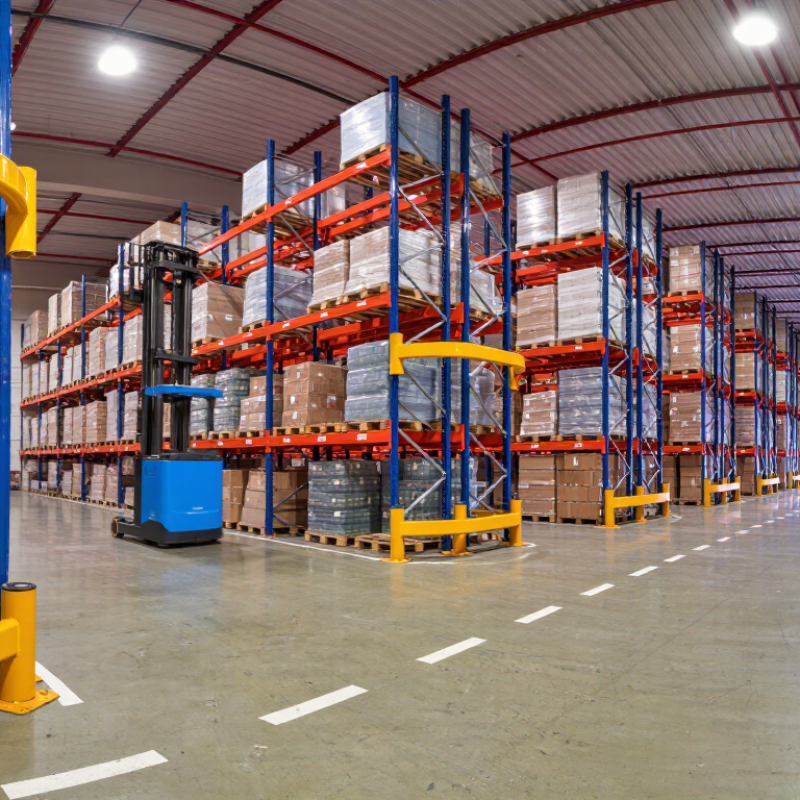
Impact Racks are protective barriers fitted around warehouse storage racks to help limit damage from forklifts and other material-handling equipment. They are commonly placed at aisle ends, rack uprights, and exposed corners—spots where turning vehicles or shifting loads can cause costly collisions. A steel guard at the base of an upright, for example, can take a scrape that might otherwise bend or weaken the rack.

They help protect equipment. They can also reduce interruptions caused by repairs and damaged inventory. Yet no guard makes a warehouse collision-proof. Its protection depends on the impact rating, design, installation, and the vehicle involved. Choosing a model that does not suit the rack or site conditions may create false confidence. That part deserves careful thought.

In this guide, we’ll explain what Impact Racks are used for, where they are typically installed, and what to consider when selecting them. We’ll also distinguish rack protection from routine inspection and safe operating practices. Look for clear manufacturer specifications, compatible fixing methods, and installation guidance. After an impact, inspect the guard and nearby rack components; visible damage is not the only concern. A protector can be scuffed and still need replacement, or appear sound while the rack behind it has shifted. Small details matter. Properly selected and maintained impact protection can be a practical part of a broader warehouse safety plan, not a substitute for it.
What Are Impact Racks Used For?

What Impact Racks Are and How They Function

Impact racks are protective barriers installed around vulnerable parts of warehouse pallet-rack systems. They commonly shield upright frames near aisles, corners, and loading areas where forklifts turn or maneuver. The rack stores goods; the impact guard helps protect the rack from accidental contact. That distinction matters.

Most impact racks use heavy steel posts or frames, fixed to the floor with anchor bolts. Their shape creates a buffer between moving equipment and the rack upright. If a forklift clips the guard, the guard may take or redirect some of the force before it reaches the storage frame. Performance depends on the guard’s design, installation, floor condition, and the force of the collision. Not every model protects every rack configuration.

Placement is practical, not decorative. Guards should leave enough room for pallet handling and should not obstruct access to loads or aisles. A tight turn can still cause damage. After a noticeable hit, staff should check for bent steel, loose anchors, or cracked concrete, then arrange a qualified inspection when needed. A guard can look intact while its fixings have shifted. It is easy to assume the barrier has done its job, but that assumption deserves a second look.

Impact racks reduce exposure; they do not make forklift contact harmless or replace careful operation.

Where Impact Racks Are Commonly Installed

Where Impact Racks Are Commonly Installed

Impact racks are commonly placed where forklifts, pallet jacks, or carts pass close to storage structures. Loading docks are a frequent location because workers maneuver pallets in narrow spaces. Guards near dock doors can help protect rack uprights from accidental bumps. Forklift turns are tight.

Warehouses also install impact protection at aisle ends, intersections, and around exposed columns. These spots often see frequent traffic, especially when operators move bulky loads that limit visibility. In cold-storage rooms and production areas, protective barriers may be useful near racks beside busy travel routes. The right placement depends on traffic patterns, equipment size, and rack layout—not just appearance.

Tips: Walk the route during a busy shift and note scrape marks or close turns. Check that guards do not obstruct access or create new trip hazards. Inspect them regularly; a bent guard may need attention, but it does not prove the rack behind it is undamaged. One detail is easy to miss: protection works best when it matches the actual impact points.

How Impact Racks Protect Storage Systems and Goods

Impact racks are designed to take the knocks that storage uprights should not. Installed near rack ends, columns, or exposed corners, they create a sturdy buffer between moving equipment and the storage frame. When a forklift clips a barrier, the impact may be redirected or absorbed before it reaches an upright or pallet load. That buffer matters.

A bent upright can affect the stability of an entire bay, while a shifted pallet may fall or block an aisle. Impact racks help reduce these risks and protect stored goods from sudden contact. Their position should match real traffic patterns, not just a diagram: watch where trucks turn, reverse, and handle pallets. Small details matter. A barrier placed too far from a vulnerable post may offer little protection.

Protection is not a guarantee. A severe collision can still damage the rack, the barrier, or the goods above it. After an impact, staff should check for visible damage and report concerns rather than assume the system is safe. I would not treat a barrier as permission to drive closer; it is a backup, not a substitute for careful handling. Its value depends on sound installation, suitable clearance, and regular inspection.

What Are Impact Racks Used For?

Impact protection helps shield rack uprights and stored goods from accidental forklift contact. The chart shows estimated forklift kinetic energy at different speeds, assuming a loaded truck mass of 3,000 kg.

Energy is calculated using E = ½mv² and rounded to two decimal places. These illustrative estimates are not rack impact ratings; actual impact depends on factors such as vehicle load, contact angle, and protective system design.

Industries and Operations That Use Impact Racks

Impact racks are common in distribution centers, grocery warehouses, beverage operations, manufacturing plants, and cold-storage facilities. These sites move pallets through narrow aisles, busy dock areas, and staging lanes. Forklifts can clip exposed rack uprights while turning or placing loads. Impact guards help absorb or deflect some contact, protecting vulnerable rack ends and reducing damage to stored goods.

The need is practical, not cosmetic. OSHA’s Powered Industrial Trucks safety guidance estimates that forklifts cause about 85 workplace deaths and 34,900 serious injuries each year in the United States.

That figure supports careful traffic planning, though it does not measure rack damage specifically.

Guards are especially useful near aisle entrances, loading bays, and picking zones where vehicles repeatedly pass close to frames. Small details matter. A guard must suit the rack layout and allow clear access for inspection; it cannot make an overloaded or damaged rack safe.

A guard is not a cure-all. In busy facilities, teams may still miss early signs of bent steel, so routine checks and clear reporting procedures remain essential.

Factors That Determine Impact Rack Selection and Placement

Impact racks protect pallet-rack uprights where forklifts turn, reverse, or load pallets. Selection should begin with the actual risk: truck type, operating speed, aisle width, turning radius, and how often pallets are handled. OSHA’s Powered Industrial Trucks eTool cites estimates of about 85 forklift-related deaths and 34,900 serious injuries each year. Those figures are not rack-strike counts, but they underscore why vehicle movement and rack protection belong in the same safety assessment.

Match the guard to the rack upright, expected impact direction, and available clearance. A bulky barrier can protect steel yet make a narrow aisle harder to navigate. Check upright dimensions, floor condition, anchoring, pallet overhang, and the rack’s rated capacity before choosing a design. Place protection at exposed aisle ends and vulnerable corners, then confirm forklifts can still turn without clipping it. Small details matter. A post that looks sturdy may transfer force into its anchors or concrete instead of absorbing it. Inspect guards and uprights after impacts; visible paint marks may not reveal hidden deformation. OSHA’s general industry standard, 29 CFR 1910.178, requires unsafe powered trucks to be removed from service, but rack inspection procedures should also be documented locally. I would not assume one guard layout fits every aisle; real traffic patterns often differ from the floor plan.

FAQS

Where are impact guards commonly installed?

They are often placed at loading docks, aisle ends, intersections, and exposed columns. Forklift turns are tight.

How can I identify vulnerable rack locations?

Walk the route during a busy shift. Look for scrape marks, close turns, and places where bulky loads limit visibility.

What should guide guard selection?

Consider forklift type, speed, aisle width, turning radius, and pallet-handling frequency. One design may not suit every aisle.

How do I check whether a guard will fit?

Compare it with the rack upright and expected impact direction. Check floor condition, anchoring, pallet overhang, and available clearance.

Can a protective barrier make an aisle less safe?

Yes. A bulky barrier may make a narrow turn harder. Confirm forklifts can pass without clipping it.

Does a bent guard mean the rack is damaged?

Not necessarily, but it does not prove the rack is undamaged either. Inspect the upright and its connections after an impact.

How often should guards be inspected?

Inspect them regularly and after impacts. Paint marks can hide damage, so a visual glance may not be enough.

Are guards useful in cold-storage or production areas?

They may help protect racks beside busy travel routes. Check that they do not block access or create trip hazards.

Conclusion

Impact Racks are protective structures installed at the ends of storage rack rows and in other areas exposed to collisions from forklifts or moving loads. Designed to absorb or deflect impact, they help reduce damage to rack frames, stored goods, and nearby equipment. They are commonly placed in warehouses, distribution centers, manufacturing facilities, and other operations where vehicles move close to storage systems. By creating a physical barrier around vulnerable points, Impact Racks can help maintain rack stability, protect inventory, and support safer, more reliable material handling.

Choosing and positioning Impact Racks depends on factors such as traffic patterns, vehicle size, load weight, rack layout, and the level of exposure to collisions. Operators should consider which areas are most vulnerable, including aisle ends, corners, and critical rack supports, and select protection suited to those conditions. Thoughtful placement can improve protection without unnecessarily obstructing access, helping storage systems remain functional and goods stay secure.

Sophia

Sophia

Sophia is a dedicated marketing professional with an exceptional depth of knowledge about her company's products and services. With a keen understanding of market trends and customer needs, she crafts insightful blog posts that not only inform but also engage readers, enriching the company’s online......