In today's fast-paced data environment, organizations increasingly turn to Multi-tier Storage solutions to enhance operational efficiency. According to Dr. Emily Tan, a leading expert in data storage technology, "Multi-tier Storage optimizes performance while reducing costs." This method segments data across multiple storage types based on access frequency, ensuring that critical information is readily available.
However, not all Multi-tier Storage implementations succeed. Companies often face challenges in determining the right mix of storage tiers. For instance, over-relying on high-cost SSDs for less accessed data can lead to unnecessary expenses. It's essential to balance performance, cost, and accessibility to create a truly effective system. The key lies in understanding both current data needs and future growth.
As organizations continue to generate vast amounts of data, mastering Multi-tier Storage becomes paramount. The focus should not only be on efficiency but also on adaptability. Finding the right solutions is a journey, not a destination; mistakes made today can provide valuable lessons for tomorrow's success.
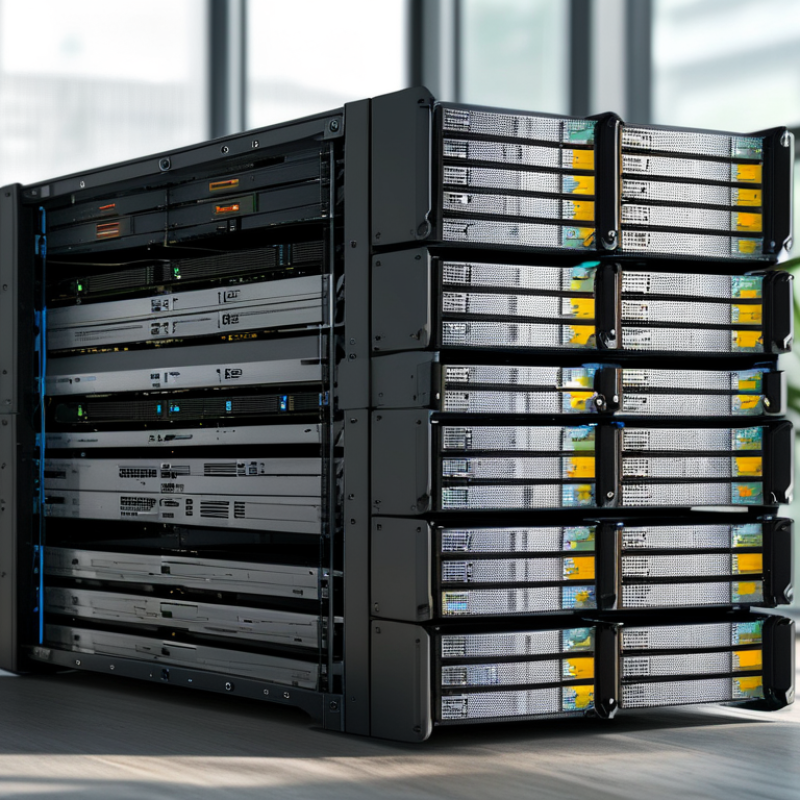
Multi-tier storage solutions are designed to optimize data management. They separate data into different storage types based on access frequency and performance needs. This ensures that businesses can store critical data on high-speed drives while archiving less frequently accessed information on slower, more economical mediums. Such strategies boost efficiency significantly.
The concept is straightforward but often poorly implemented. Companies might not fully assess their data needs, resulting in wasted resources. An efficient multi-tier system categorizes data wisely. It’s vital to analyze data usage regularly to adjust storage tiers accordingly. Regular checks prevent bottlenecks and enhance performance, ensuring that critical data remains accessible.
Reflection is essential in this process. Many organizations fail to update their multi-tier strategies as data requirements evolve. This oversight can lead to inefficiencies. Continuous learning and adaptation will foster a more responsive and effective storage environment, aligning with the dynamic nature of data growth.
Multi-tier storage systems offer significant advantages for businesses aiming to enhance efficiency. These solutions enable the classification of data based on its frequency of access. According to a report by Gartner, organizations that implement multi-tier storage can reduce storage costs by up to 40%. This is achieved through the strategic allocation of data across different tiers. For example, frequently accessed data is stored on high-speed SSDs, while less critical data is placed on cost-effective HDDs.
Moreover, multi-tier storage improves data retrieval speeds. Research by IDC indicates that businesses can experience up to a 60% faster data access time when utilizing these systems. This speed is crucial for organizations that rely on real-time data analytics. However, transitioning to a multi-tier system can be complex. Businesses may face challenges related to infrastructure and data migration.
Additionally, balancing performance and cost remains a constant struggle. Many organizations hesitate to invest in advanced storage solutions due to initial costs. They often fail to see long-term benefits. This hesitation can hinder overall operational efficiency. An effective multi-tier strategy requires ongoing review and adjustment. Thus, while the potential benefits are clear, careful planning is essential for success.
When evaluating multi-tier storage solutions, several key features can significantly enhance efficiency. First, automated tiering is essential. This feature allows data to move between different storage levels based on usage patterns. According to the Storage Networking Industry Association (SNIA), automated tiering can reduce operational costs by up to 30%. This emphasizes the need for systems that adapt to your data's life cycle.
Another important aspect is scalability. Efficient multi-tier storage should grow with your data needs. Research from Gartner points out that 70% of organizations face challenges in scaling their storage solutions. Flexibility in architecture can alleviate this issue and ensure longevity for your storage investments.
Data protection and security features are also critical. A robust storage solution must incorporate reliable backup and encryption capabilities. A study by IDC found that 77% of organizations reported data breaches due to inadequate storage security measures. Mitigating such risks is vital for maintaining trust and compliance in any business landscape.
While efficiency is the goal, it’s important to note that not all configurations yield the desired performance. Regular assessments and adjustments may be needed to optimize tiering strategies effectively. Emphasizing these features can ensure that organizations make informed decisions in their storage strategies.
In today's fast-paced digital world, multi-tier storage solutions play a crucial role in optimizing efficiency. These systems allow organizations to combine different types of storage based on data importance. This results in cost savings and better performance. By moving less critical data to slower, cheaper storage, businesses can free up faster storage for essential tasks.
When implementing multi-tier storage, consider these tips. Assess your data and determine which files are accessed frequently. Focus on performance for critical data. Striking a balance between speed and cost is vital. Additionally, regularly reviewing your storage strategy can reveal inefficiencies. Adapt your tiers as needed to accommodate changing business demands.
Choosing the right technology may seem daunting. Not all systems will meet your needs perfectly. Evaluate features that align with your operations. Consider scalability and ease of integration. Documentation from specialists can guide you. Lastly, don't shy away from seeking expert opinions. Mistakes in storage planning can be costly, so stay informed. This ensures your strategy remains effective and relevant as your business evolves.
Choosing a multi-tier storage solution requires careful consideration of various factors. Data access speed is crucial. Businesses need quick access to frequently used data. Therefore, placing critical data on high-performance storage systems improves efficiency. Additionally, the cost of storage plays a significant role. Organizations must balance performance needs with budget constraints. Analyzing long-term operational costs versus initial investment is key.
Scalability is another important factor. As data grows, storage solutions should easily expand. This flexibility ensures businesses can adapt to changing needs without constant overhaul. Also, data security cannot be overlooked. Multi-tier systems should provide robust security measures to protect sensitive information. Regularly reassessing security protocols helps maintain trust and compliance.
Vendor support is also a significant aspect to consider. Reliable technical support can resolve issues quickly and minimize downtime. However, businesses should not solely rely on vendors. Developing in-house expertise enhances long-term stability. An organization must assess its capabilities realistically to avoid overdependence. Investing in training can create a knowledge base that strengthens the overall storage strategy.
| Storage Tier | Storage Type | Access Speed | Use Cases | Cost |
|---|---|---|---|---|
| Tier 1 | Flash Storage | Very Fast | High-Performance Applications | $$$ |
| Tier 2 | SSD Storage | Fast | Databases, Analytics | $$ |
| Tier 3 | HDD Storage | Moderate | Backup, Archival | $ |
| Tier 4 | Cloud Storage | Variable | Disaster Recovery, Remote Access | $$ |
| Tier 5 | Tape Storage | Slow | Long-Term Archiving | $ |
: They reduce storage costs by up to 40% and improve data retrieval speeds by 60%.
By classifying data based on access frequency, critical data goes on high-speed systems.
Businesses often face difficulties with infrastructure changes and data migration processes.
Initial costs can be high, and the long-term benefits may not be immediately evident.
Scalability allows businesses to adapt to growing data needs without frequent upgrades.
Robust security measures are essential to protect sensitive information and maintain compliance.
Reliable technical support minimizes downtime, but businesses should develop in-house expertise too.
Continuous assessment helps ensure that performance and cost balance is maintained.
Investing in training can build in-house knowledge and improve long-term stability.
Yes, it can lead to instability if the organization lacks internal capabilities.
Multi-tier storage solutions represent a significant advancement in data management, allowing organizations to optimize their storage resources by categorizing data based on access frequency and performance requirements. The advantages of these systems are manifold; they enhance operational efficiency, reduce costs, and improve data retrieval times by strategically utilizing various storage tiers, including high-speed SSDs and lower-cost HDDs.
When selecting a multi-tier storage solution, businesses should consider key features such as scalability, data durability, and automation capabilities. The top solutions available in the market showcase a range of functionalities tailored to boost efficiency. Factors influencing the choice of multi-tier storage options include the specific needs of the business, the existing IT infrastructure, and future growth projections. By carefully evaluating these elements, organizations can implement a multi-tier storage strategy that significantly improves their operational performance.

Kelida Racking