In today’s fast-paced business environment, efficient storage solutions are crucial. Heavy Duty Storage stands out as a vital component to meet these demands. Expert Sarah Thompson, a leading authority in the storage industry, asserts, “Investing in robust storage systems is not just a choice; it’s a necessity for sustainable growth.”
The heavy-duty storage market caters to diverse needs. It serves warehouses, factories, and retail businesses alike. Companies must recognize the importance of quality and durability. Proper storage systems can enhance organization, accessibility, and safety. However, not every solution fits every organization, and this mismatch can lead to inefficiencies. This raises an important reflection point: Are we truly investing in the right heavy-duty storage?
Understanding specific requirements can often reveal gaps in existing storage strategies. Focus on customizable options that provide flexibility and scalability. While upfront costs may appear daunting, long-term benefits often justify the investment. Each decision here will influence operational success and storage efficiency for years to come.
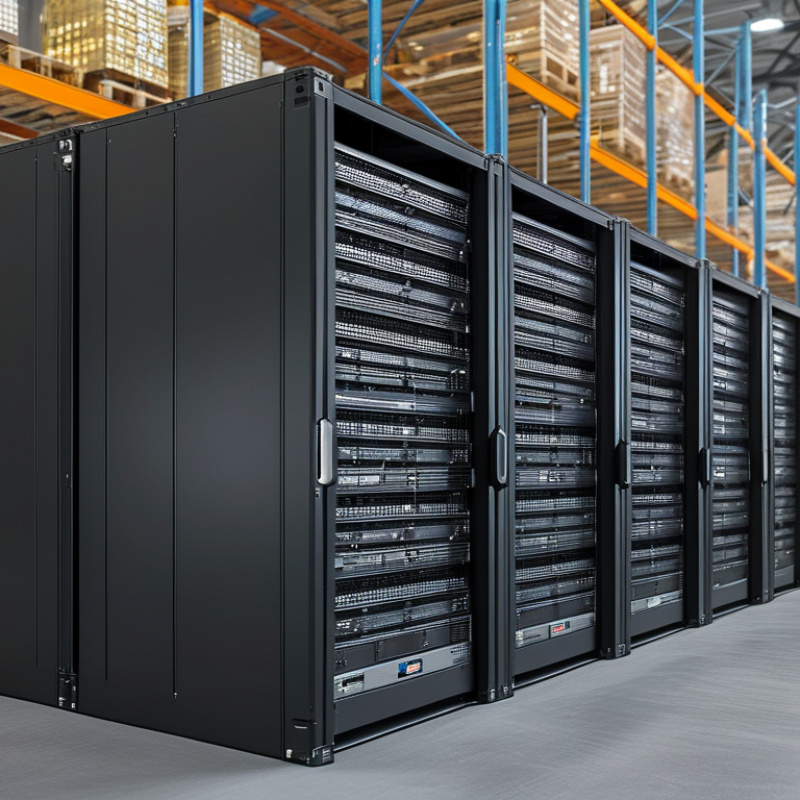
Top 10 Heavy Duty Storage Solutions for Global Buyers
When considering heavy-duty storage solutions, global buyers face numerous challenges. The need for durable and reliable storage options is paramount. Many industries require robust systems to manage their inventory effectively. The right storage solution can enhance organization and efficiency. Heavy-duty shelving units offer a practical approach, as they can accommodate various weights and sizes. These units provide ample space while maintaining stability.
Another option worth exploring is modular storage systems. They are flexible and versatile. Modular solutions can be adjusted according to changing needs. This adaptability is essential for businesses with fluctuating inventory levels. Additionally, pallet racking systems maximize space in warehouses. They allow for optimal storage and easy accessibility. However, it's crucial to consider load capacities and warehouse layout during selection.
Some users may find drawbacks in specific storage solutions. For instance, heavy-duty options might require more initial investment. This can be daunting for small businesses. Reflecting on the long-term advantages versus immediate costs is important. Evaluate not only practicality but also scalability. In the ever-evolving global market, choosing the right system can lead to success. Storage solutions should evolve just as rapidly as business needs.
Understanding Heavy Duty Storage: Key Features and Benefits
Heavy duty storage solutions are essential for various industries. They cater to businesses that require robust and reliable systems. According to a report by the Global Storage Solutions Market, the demand for heavy duty storage is projected to grow by 6% annually. This growth highlights the increasing need for durable products that can withstand the rigors of industrial use.
Key features characterize heavy duty storage. High weight capacity is crucial, often ranging from 500 to 10,000 pounds. Adjustable shelving offers versatility for different item sizes. Furthermore, materials like steel and reinforced plastic ensure longevity. Safety features, such as anti-tip designs and weight distribution systems, are significant for user confidence. Companies prioritizing these attributes typically report fewer workplace accidents, enhancing overall productivity.
Despite the benefits, challenges exist. Many businesses underestimate their storage needs, leading to inadequate choices. This miscalculation can result in overloading, causing structural failures. Regular inspections and maintenance are necessary but often overlooked. Companies need to recognize that investing in reliable storage is not just about expense; it is about ensuring safety and efficiency in operations.
Top 10 Heavy Duty Storage Solutions
Evaluating Material Options for Heavy Duty Storage Solutions
When considering heavy-duty storage solutions, the choice of material is crucial.
Steel stands out as a popular option due to its strength.
It can withstand heavy weights, making it suitable for industrial settings. However, the risk of rusting is a concern.
Even the best coatings can't always prevent corrosion over time.
Plastic is another alternative, offering a lightweight and rust-resistant solution.
It's often used for outdoor storage. Still, it may not support the same weight capacity as metal options.
Additionally, plastic can become brittle in extreme temperatures, which could lead to unexpected failures, especially if not used properly.
Wood provides a traditional option that many find appealing.
It can be both durable and attractive. However, not all wood is created equal.
Pressure-treated wood can resist decay, but it’s also more expensive.
It's essential to weigh the advantages and drawbacks of each material before making a decision.
Each choice has its trade-offs, and understanding these is key to creating effective storage solutions.
Comparison of Popular Brands in Heavy Duty Storage Products
When selecting heavy-duty storage solutions, understanding the strengths and weaknesses of popular brands is crucial. Each brand has its unique offerings, which can influence your decision. Consider factors like durability, weight capacity, and materials used. Some brands excel in metal construction, while others are renowned for their plastic or wood options.
Tips: Always check user reviews before purchasing. They offer real insights into a product's performance over time. Investigating warranty and return policies also aids in making a confident decision.
Space is another vital consideration. How much room do you have? Compact designs work better in smaller areas. In contrast, larger setups can provide better organization for bulkier items. Assess how often you access stored goods. Some storage solutions are more accessible than others, affecting convenience.
Tips: Create a checklist of what you need to store. This helps narrow down your choices. Also, think about future needs. A solution that meets your current requirements may not suit future projects. It's essential to remain flexible as your storage needs evolve.
Best Practices for Organizing and Maximizing Heavy Duty Storage Spaces
Maximizing heavy-duty storage spaces requires
effective organization strategies. Start by assessing the available area and categorizing items based on use
and frequency. High-use items should be more accessible, while seasonal
or rarely used items can be stored higher or in less accessible locations. This type of arrangement not only
saves time but also reduces the risk of accidents when searching for items.
Utilizing vertical space can significantly enhance storage efficiency. Heavy-duty shelving,
wall-mounted racks, and ceiling hooks are excellent options. Ensure that shelves are sturdy and correctly
installed to prevent collapse. However, it’s crucial to regularly inspect your storage solutions for wear or
damage. Neglecting maintenance can lead to failures, potentially
causing harm and loss.
Incorporate clear labeling for boxes and containers. Uniform labels make locating
items easier and reduce clutter. It’s also wise to periodically review your stored items, discarding or donating
those no longer needed. Reflecting on your storage system’s functionality helps identify areas for improvement.
A flexible approach ensures that your heavy-duty storage can
adapt to changing needs over time.
Innovative Trends and Technologies in Storage Solutions for Global Markets
In today’s fast-paced world, storage solutions are evolving rapidly. Advances in technology are reshaping how we view functionality and efficiency. Innovative materials, such as reinforced composites, provide strength while minimizing weight. This blend of durability and practicality meets the demands of various industries.
Sustainable practices are gaining traction within the storage sector. Many companies are investing in eco-friendly materials and processes. These choices not only reduce environmental impact but also attract buyers who prioritize sustainability. However, the shift to greener solutions is not without challenges. Finding balance between cost and quality can be difficult for many.
Smart technology integration plays a crucial role in modern storage solutions. Devices equipped with IoT capabilities allow for real-time monitoring and control. This connectivity enhances efficiency and streamlines inventory management. Yet, it raises questions about data security and privacy. Businesses need to address these concerns as they adapt to new technologies.
Top 10 Heavy Duty Storage Solutions for Global Buyers
| Storage Solution |
Material |
Weight Capacity (lbs) |
Dimensions (Inches) |
Innovative Feature |
| Industrial Racking System |
Steel |
5000 |
84 x 48 x 96 |
Modular Design |
| Heavy Duty Storage Cabinet |
Metal |
1200 |
72 x 36 x 18 |
Lockable Doors |
| Mobile Storage Solutions |
Plastic |
800 |
30 x 30 x 30 |
Wheeled Design |
| Bulk Storage Tank |
Polyethylene |
10000 |
60 x 60 x 80 |
Corrosion Resistant |
| Pallet Rack |
Steel |
4000 |
48 x 48 x 96 |
Adjustable Shelves |
| Tool Storage Chest |
Steel |
1500 |
40 x 20 x 20 |
Multi-Drawer Organization |
| Garage Storage System |
Metal |
2500 |
120 x 24 x 72 |
Wall-Mounted |
| Plastic Storage Bins |
Polypropylene |
200 |
15 x 10 x 10 |
Stackable Design |
| Heavy Duty Shipping Container |
Steel |
30000 |
120 x 96 x 96 |
Weatherproof |
| Modular Office Storage |
Wood |
1000 |
80 x 36 x 60 |
Customizable Layout |
FAQS
: Durability and reliability are crucial. These systems manage inventory effectively and enhance organization.
They are flexible and adaptable. These systems can adjust according to changing inventory levels.
Consider load capacities and warehouse layout. Accessibility and optimal space usage are also important.
They may require a higher initial investment. Small businesses might find this daunting.
Material affects strength, weight capacity, and durability. Steel is strong but can rust; plastic is lighter but less robust.
User reviews provide real insights into performance. They help make informed decisions on reliability.
Assess the types of items to store, available space, and future needs. This helps narrow your options.
Plastic can become brittle in extreme temperatures. It may not handle heavy loads as well as metal.
Wood can be durable and attractive, but quality varies. Pressure-treated wood resists decay but can be costly.
Storage requirements can change over time. Solutions should adapt to future projects and needs for better efficiency.
Conclusion
The article "Top 10 Heavy Duty Storage Solutions for Global Buyers" explores a range of effective storage options designed to meet the demands of both commercial and personal needs. It emphasizes the key features and benefits of heavy duty storage, such as durability, load capacity, and versatility, making them essential for various environments.
In addition, the article delves into material options that enhance the strength and reliability of these storage solutions. It also compares popular brands, highlights best practices for organizing heavy duty spaces to maximize efficiency, and discusses innovative trends and technologies shaping the future of storage solutions. Overall, this comprehensive guide serves as a valuable resource for buyers seeking robust storage solutions in a global marketplace.

 Kelida Racking