Choosing the right container can protect cargo, control costs, and reduce delays at busy international ports. Steel Containers remain a practical choice for machinery, packaged goods, tools, and other durable shipments. Their strong frames handle stacking pressure, rough loading, and changing weather conditions. However, strength alone does not guarantee safe delivery.
This guide examines seven steel container options used in international shipping. Each option is considered through capacity, construction quality, door design, ventilation, security, and maintenance needs. Real shipping details matter. A clean floor prevents moisture damage. Working door seals help block rainwater. Accessible corner castings support safer lifting and stacking. Containers should also carry appropriate inspection markings and meet applicable international transport requirements.
The best choice depends on the cargo, route, handling equipment, and shipment duration. A standard dry container may suit boxed products, while a ventilated or specialized model may serve sensitive equipment better. Not every impressive specification matters equally. Sometimes, a well-maintained older container performs better than a newer unit with damaged seals.
Condition can be overlooked.
Experience from freight operations shows that small defects become expensive problems. Rust around the doors, uneven floors, or poor drainage may create avoidable claims. Professional inspection remains essential before loading. This overview offers practical guidance, but container availability and local requirements can vary. Careful verification with carriers, freight forwarders, and qualified inspectors is still necessary.
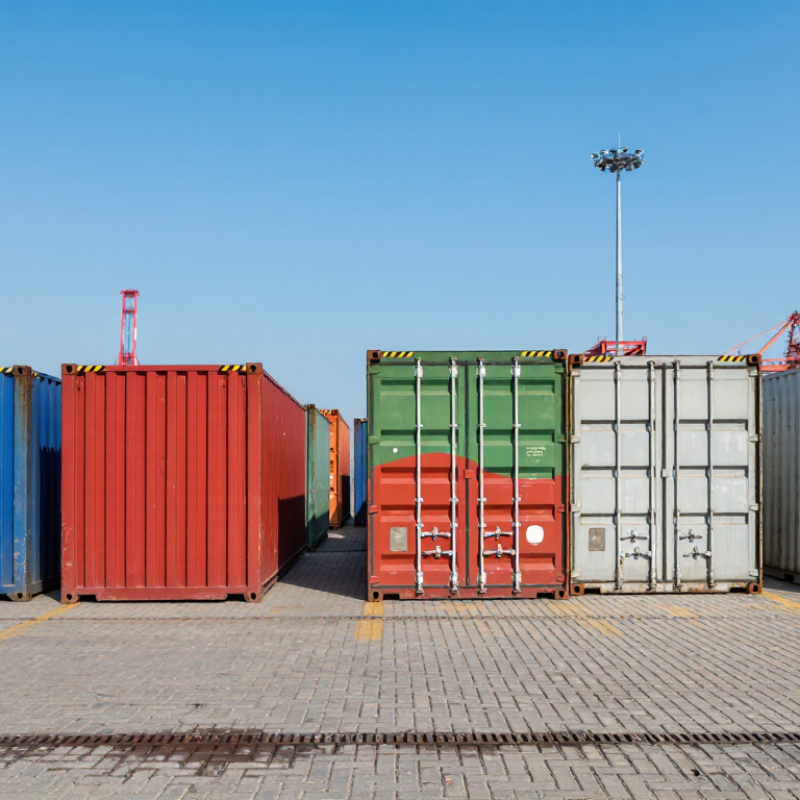
7 Best Steel Containers for International Shipping?
Steel containers suit international shipping because they combine structural strength, standard dimensions, and predictable handling. Their corrugated walls resist impacts from cranes, forklifts, and rough port transfers. ISO 668 defines common container dimensions, allowing vessels, railcars, and trucks to handle the same unit worldwide. The Convention for Safe Containers also requires periodic safety examinations. That framework supports reliable operations across different transport systems.
Corrosion resistance matters just as much. Weathering steel forms a protective surface layer, but it still needs inspection. Salt air, standing water, damaged flooring, and blocked drain holes can shorten service life. During practical checks, inspectors examine door seals, corner castings, welds, and the underside. Small defects become expensive when cargo crosses several climates. Steel also provides strong protection against crushing and punctures, especially for dense cargo with concentrated loads.
Scale reinforces this choice. UNCTAD’s Review of Maritime Transport 2024 reports 12.3 billion tonnes of seaborne trade in 2023 and container ship capacity above 29 million TEU in early 2024. A common steel box fits that enormous network. The World Steel Association reported about 1.89 billion tonnes of crude steel production in 2023, supporting broad fabrication and repair capacity. Still, steel is not perfect. It weighs more than composite alternatives and can transfer heat quickly. Insulation, ventilation, and moisture controls may therefore be necessary for sensitive cargo. A cheaper container can become the wrong choice when inspection records are incomplete.
The following comparison uses commonly specified ISO container formats. Dimensions, tare weight, payload, and gross-weight limits vary by container manufacturer, structural rating, route, and local regulations. Always confirm the container's CSC safety approval and the shipping line's current specifications before booking.
| Rank | Steel Container Type | Typical External Dimensions (L × W × H) |
Approx. Internal Capacity | Typical Tare Weight | Typical Maximum Gross Weight | Approx. Payload Range | Best International Shipping Uses | Why Steel Is Suitable |
|---|---|---|---|---|---|---|---|---|
| 1 | 20-Foot General-Purpose Dry Container | 6.06 × 2.44 × 2.59 m | Approximately 33 m³ | 2,200–2,400 kg | Up to 30,480 kg | About 28,000 kg | Dense cargo, machinery, packaged goods, spare parts, and general export shipments. | Weather-resistant, stackable, secure, widely accepted at ports, and efficient for heavy cargo because it offers a favorable payload-to-volume ratio. |
| 2 | 40-Foot High-Cube Dry Container | 12.19 × 2.44 × 2.90 m | Approximately 76 m³ | 3,700–4,200 kg | Up to 30,480 kg | About 26,000–27,000 kg | High-volume, relatively lightweight cargo such as furniture, textiles, cartons, and consumer products. | The additional height provides about 13% more internal volume than a standard-height container while the corten-steel frame supports safe stacking during ocean transport. |
| 3 | 40-Foot High-Cube Refrigerated Container | 12.19 × 2.44 × 2.90 m | Approximately 67–68 m³ | 4,500–5,000 kg | Usually up to 30,480 kg | About 25,000–26,000 kg | Temperature-sensitive food, pharmaceuticals, flowers, chemicals, and other controlled-temperature cargo. | Insulated steel panels protect the load from external conditions, while the rigid structure tolerates repeated handling and long-distance marine transport. |
| 4 | 20-Foot Open-Top Container | 6.06 × 2.44 × 2.59 m | Approximately 32–33 m³ | 2,300–2,600 kg | Up to 30,480 kg | About 27,500–28,000 kg | Over-height machinery, scrap metal, stone, timber, and cargo loaded by crane from above. | Its steel corner posts and base frame retain ISO handling and stacking strength, while the removable top arrangement accommodates cargo that cannot pass through standard doors. |
| 5 | 40-Foot Flat-Rack Container | 12.19 × 2.44 × 2.59 m | Open platform; no enclosed volume | About 5,000–6,000 kg | Often 30,480–40,000 kg, depending on design | Approximately 25,000–35,000 kg | Heavy machinery, construction equipment, steel structures, vehicles, pipes, and over-width cargo. | Heavy-duty steel floors, end walls, lashing points, and reinforced frames provide strong load support and securement for project cargo. |
| 6 | 20-Foot Tank Container | 6.06 × 2.44 × 2.59 m frame | Typically 14,000–26,000 L | Approximately 3,500–4,000 kg | Commonly up to 36,000 kg | Approximately 20,000–32,000 kg | Bulk liquids, powders, gases, food-grade products, and regulated hazardous materials when properly certified. | A stainless-steel tank within an ISO steel frame provides structural protection, efficient bulk transport, and compatibility with intermodal rail, road, and sea handling. |
| 7 | 20-Foot Ventilated Steel Container | 6.06 × 2.44 × 2.59 m | Approximately 32–33 m³ | About 2,300–2,600 kg | Up to 30,480 kg | About 27,500–28,000 kg | Coffee, cocoa, agricultural products, timber, and cargo requiring passive airflow rather than active refrigeration. | Perforated or ventilated steel construction improves air circulation while maintaining the durability, security, stacking strength, and weather protection expected in international shipping. |
Steel containers resist impacts from cranes, forklifts, vessels, trains, and trucks. Their standard dimensions support smooth transfers across different transport systems. They are strong. However, steel adds weight and can transfer heat quickly.
Corrugated steel walls resist crushing, punctures, and rough handling. This protection helps dense cargo with concentrated loads. Strong floors also support heavy pallets and machinery. Still, careless loading can create damage inside.
A standard 20-foot container usually offers about 33 cubic metres. A standard 40-foot model provides roughly 67 cubic metres. A 40-foot high-cube unit may reach about 76 cubic metres. These figures are estimates, not promises.
Choose one for tall machinery, stacked cartons, or lightweight bulky goods. Its extra height can improve space usage. Check the door opening carefully. Tall does not always mean efficient.
Open-top containers suit cargo loaded by cranes. Flat racks support heavy or wide equipment. Side-opening units provide access along longer loading zones. Insulated units help protect temperature-sensitive goods.
Measure internal length, width, height, door clearance, and floor strength. Check tare weight and maximum gross mass. Inspect the safety plate and examination information. Do not trust volume alone.
Salt air, standing water, and damaged floors can accelerate corrosion. Blocked drain holes may trap moisture inside the container. Inspect door seals, welds, corner fittings, and the underside. Small defects become expensive later.
Measure the cargo with packaging, lifting space, and moisture protection included. Check whether pallets can fit tightly without wasted gaps. Review road, port, and destination weight restrictions. I would not rely on catalogue dimensions alone. Measure twice.
Steel Containers are a dependable choice for international shipping because they combine strength, security, and resistance to impact, moisture, and changing weather conditions. This summary explores the main types, including standard cargo containers, high-capacity units, open-top designs, refrigerated options, and specialized containers for different freight requirements. Each type offers distinct advantages depending on the cargo’s dimensions, weight, loading method, and environmental needs.
Choosing the best container requires careful comparison of external and internal dimensions, usable capacity, structural design, door configuration, ventilation, insulation, and handling compatibility. Safety and durability are equally important, so containers should meet recognized international transport standards, support secure cargo placement, and remain in sound condition throughout loading, transit, and unloading. By evaluating size, construction, protection, maintenance requirements, and shipping conditions, businesses can select a suitable steel container that improves cargo security, supports efficient logistics, and performs reliably across international transportation routes.

 Kelida Racking