For global buyers, Boltless Systems offer a practical route to organized storage without complex installation. Their interlocking frames, adjustable beams, and clip-in shelves suit warehouses, workshops, retail backrooms, and archive rooms. A rubber mallet may be enough. No specialist tools are usually required.
Industry storage consultant Martin Keller states, “A strong storage system is measured by safety, adaptability, and the work it makes easier.” This view matters when comparing suppliers across different markets. Buyers should examine load ratings, steel thickness, coating quality, shelf adjustment, packaging, and replacement-part availability. Product photographs can mislead. The connection points deserve close inspection.
The best Boltless Systems are not automatically the cheapest options. A lower purchase price may hide higher freight costs, unclear instructions, or limited after-sales support. Global buyers should request technical drawings, pallet dimensions, test documentation, and written warranty terms before ordering. Regional humidity also matters. Powder coating may perform well indoors, yet poorly protected steel can still develop rust in coastal warehouses.
Fit matters most.
A careful buyer should measure floor level, aisle width, ceiling height, and expected load growth. Installation experience often reveals small problems, such as beams that require excessive force or labels that do not match the manual. That evidence should influence the final decision. Still, no comparison is perfect. Supplier claims require verification, and a system suitable for light cartons may fail under dense industrial loads. This guide examines leading options through a practical, evidence-based lens, while recognizing that local conditions can change the result.
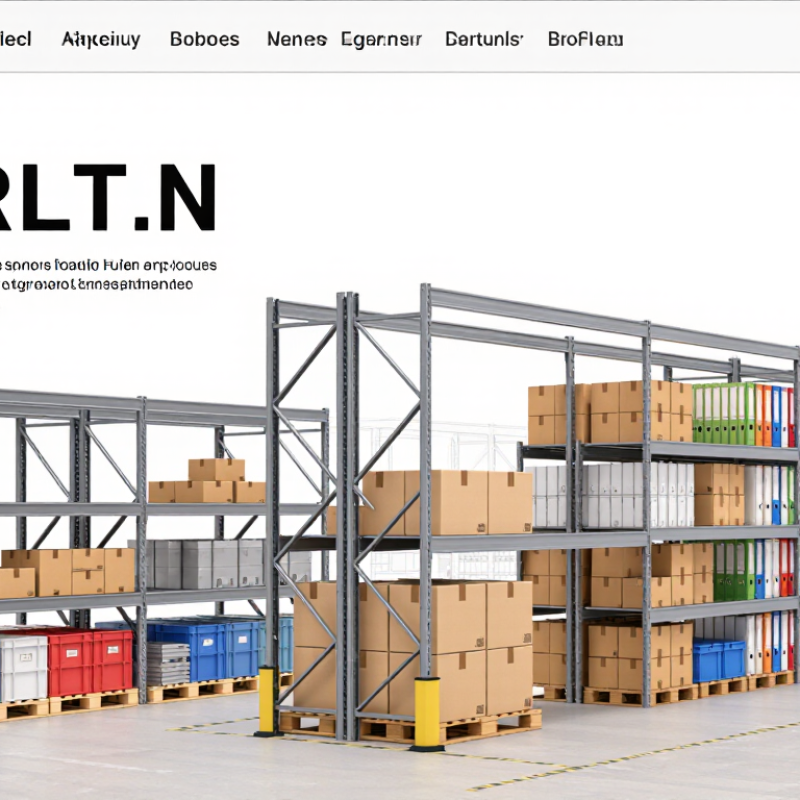
Top Boltless Systems for Global Buyers
Boltless storage systems use upright frames, horizontal beams, and fitted shelves without nuts or bolts. Instead, each beam locks into punched slots with clips, pins, or interlocking tabs. This design allows faster assembly with basic hand tools, often a rubber mallet. Shelf heights can change as inventory needs evolve. A box of small parts may fit on one level, while cartons need more clearance. The frame transfers weight through the uprights to the floor, so a level surface matters. It sounds simple, but poor alignment can make the structure unstable.
For global buyers, check the stated load rating for each shelf level, not only the entire unit. Confirm whether the rating assumes evenly distributed weight. Steel thickness, beam shape, shelf material, and frame height all affect performance. Ask for assembly instructions, dimensional drawings, and test documentation. Local warehouse conditions also matter, including humidity, floor quality, and access for delivery. A common field mistake is adding extra shelves without checking total frame capacity. That shortcut can reduce safety. Experienced installers still need to recheck every connection.
Tips: Measure the storage area before ordering. Leave space for walking and lifting. Test one assembled bay first. Store heavier cartons on lower levels, and inspect clips after the first week. Adjustable systems are useful, but they are not automatically suitable for every load.
Boltless storage systems use interlocking uprights, beams, and decking panels instead of nuts and bolts. The components are assembled with clips, rivets, or keyhole connections, making the systems faster to install, reconfigure, and expand.
The chart shows representative safe working load ranges commonly specified for boltless shelving configurations. Actual capacity depends on shelf dimensions, beam type, decking, load distribution, and installation conditions. Always verify the manufacturer’s certified load rating before use.
Boltless shelving suits warehouses, workshops, archives, and retail stockrooms. Its frames connect through slots, clips, or rivets instead of traditional bolts. This design reduces assembly time and supports frequent layout changes. I have seen small teams build a three-level unit during one working shift.
Measure twice.
Rivet shelving works well for cartons, tools, and medium-weight inventory. It usually provides strong horizontal stability and accepts particleboard or steel shelves. Clip-in shelving offers faster adjustment for changing product sizes. It fits storerooms where staff regularly move shelf levels. For lighter items, slotted-angle systems can be practical and economical, though they may feel less rigid under uneven loading.
Heavy-duty boltless pallet-style systems support bulky containers, machinery parts, and dense inventory. They require careful checks for beam capacity, upright spacing, floor condition, and safe loading practices. Mobile boltless units can save aisle space by moving on rails or locking casters. However, they demand better floor accuracy and more disciplined access control. That detail is easy to overlook.
Cold, humid, or dusty locations need suitable coatings and routine inspections. Shelves should match the actual load, not an optimistic estimate. In one installation, mixed box sizes created wasted vertical space despite a strong frame. Adjustable shelves corrected part of the problem, but not all of it. A storage plan should consider worker reach, picking frequency, cleaning access, and future expansion before equipment arrives.
Top Boltless Systems for Global Buyers
Load capacity should be compared by shelf level, not by the whole unit. Ask whether the rating assumes evenly distributed weight, tested deflection, and a level floor. A 500-kilogram shelf may fail when one steel drum sits in the center. Check the test method, safety factor, and uprights’ thickness. ANSI/RMI MH31.1 provides useful guidance for storage equipment evaluation, although local requirements may differ. Capacity labels without test conditions are weak evidence.
Material selection affects service life. The World Steel Association reported 1.89 billion tonnes of crude steel production in 2023. Steel remains widely used because it combines strength, repairability, and predictable forming. Powder-coated steel suits dry warehouses, while galvanized finishes better tolerate humidity. Particle-board shelves cost less, but moisture can cause swelling around damaged edges. That detail is easy to miss. I would request coating thickness, steel grade, and corrosion-test results before comparing prices.
Assembly methods change installation risk. Rivet-in connections are fast and usually need no tools, while slotted frames allow more height adjustment. Clip-based designs can simplify replacement, but loose engagement deserves inspection. During receiving, measure the floor slope and verify every locking point. The U.S. OSHA storage rule requires materials to remain stable and secure, but global buyers must also check national codes. A rushed assembly may still look acceptable. It may not remain rigid after repeated loading, relocation, or forklift vibration.
| Boltless System | Typical Load per Level | Common Upright Material | Beam and Deck Material | Assembly Method | Typical Bay Height | Recommended Use | Assembly Skill | Key Limitation |
|---|---|---|---|---|---|---|---|---|
| Rivet-Frame Shelving | 180–900 kg 400–1,980 lb |
Cold-formed steel, commonly powder-coated or galvanized | Steel beams with particleboard, wire, or steel panels | Rivet-and-keyhole connection; components are tapped together with a rubber mallet | 1.8–3.0 m 5.9–9.8 ft |
Cartons, archive storage, workshops, and general warehouses | Low | Heavy or uneven loads require level floors and correctly fitted decking |
| Clip-In Shelving | 100–500 kg 220–1,100 lb |
Cold-rolled steel, usually painted or powder-coated | Pressed steel shelves or wire panels | Clips engage with slots or punched openings; no threaded fasteners normally required | 1.5–2.4 m 4.9–7.9 ft |
Retail backrooms, offices, light industrial storage, and stockrooms | Low | Lower capacity than heavy-duty rivet or structural systems |
| Tear-Drop Beam Racking | 800–2,500 kg per level 1,760–5,510 lb |
High-strength roll-formed steel | Steel beams with wire mesh, timber, or steel decking | Beam connectors drop into punched upright slots and are secured by seating the connector | 2.4–6.0 m 7.9–19.7 ft |
Pallet storage, distribution centers, and high-volume warehouses | Medium | Requires impact protection and professional load-layout planning |
| Slotted-Angle Shelving | 75–300 kg 165–660 lb |
Perforated steel angle, often galvanized or painted | Steel, plywood, chipboard, or wire shelves | Slotted angles are joined with nuts and bolts; still boltless at the shelf-adjustment level | 1.5–2.4 m 4.9–7.9 ft |
Small parts, maintenance areas, archives, and irregular spaces | Medium | Slower to assemble and less rigid if bracing is inadequate |
| Z-Beam Boltless Shelving | 250–800 kg 550–1,760 lb |
Cold-formed steel uprights with a punched profile | Roll-formed Z-beams with particleboard, steel, or wire decking | Beam ends lock into upright slots; levels are adjusted without bolts | 1.8–3.6 m 5.9–11.8 ft |
Medium-duty warehouse, garage, and e-commerce inventory storage | Low to Medium | Capacity depends strongly on beam span, deck type, and bay bracing |
| Wire Deck Boltless Rack | 500–1,500 kg per level 1,100–3,300 lb |
Structural or roll-formed steel uprights | Steel beams with welded wire decking | Beam connectors lock into uprights; wire decks drop onto the beams | 2.4–5.0 m 7.9–16.4 ft |
Palletized goods, food-compatible storage areas, and sprinklered facilities | Medium | Wire decking can cost more and may not suit very small loose items |
| Multi-Tier Boltless Rack | 300–1,000 kg per platform 660–2,200 lb |
Heavy-gauge structural or roll-formed steel | Steel beams with steel panels, grating, or engineered wood decking | Interlocking beams and columns; stairs, guardrails, and bracing are added as modules | 3.0–6.0 m overall 9.8–19.7 ft |
Manual picking, archive floors, and high-density order fulfillment | Medium to High | Requires structural review, guardrails, access planning, and local code compliance |
| Plastic-Deck Boltless Shelving | 80–350 kg 175–770 lb |
Painted or galvanized steel | Steel supports with polypropylene or composite shelf panels | Push-fit, clip-in, or rivet connections depending on the frame design | 1.5–2.1 m 4.9–6.9 ft |
湿度-prone areas, clean storage, laboratories, and food-service backrooms | Low | Plastic panels may deflect or lose stiffness under high temperatures or concentrated loads |
Global buyers should treat safety standards as a purchasing requirement, not a paperwork exercise. Load ratings must match the actual shelf height, beam spacing, and stored weight. Ask for test reports, material specifications, and clear assembly instructions. Check whether the system requires floor anchoring or special tools. A warehouse floor may look level but still create instability. Small details matter.
Shipping can change the real cost and installation schedule. Compare packed dimensions, total weight, pallet protection, and delivery terms before ordering. Request photos of protective packaging, especially for corners, connectors, and painted surfaces. Customs documents should describe the product accurately and include consistent quantities. Delays happen.
Compatibility also deserves practical testing. Measure aisle width, ceiling clearance, pallet sizes, and available floor space. Confirm that beams, posts, shelves, and accessories use matching connection points. A system that fits one warehouse may fail in another because of different forklifts, humidity, or flooring. We have seen buyers rely on catalogue measurements and discover a few missing millimetres during installation. That mistake is avoidable, but not always. Request a sample connector or technical drawing before committing to a large shipment. Independent inspection can also reveal weak packaging, unclear labels, or inconsistent components before they reach the site.
Top Boltless Systems for Global Buyers
Selecting a boltless system starts with the facility, not the catalog. Measure ceiling height, aisle width, floor quality, and access routes. Then record each carton’s weight, dimensions, and handling frequency. A shelf that fits today may restrict growth next year. MHI’s 2024 Annual Industry Report found that 55% of supply-chain leaders planned to increase technology investment, making adaptable storage increasingly important for global facilities.
Market conditions also influence the right specification. Humid sites may need corrosion-resistant finishes, while cold rooms require suitable materials and protective coatings. Check local fire, seismic, workplace safety, and load-labeling requirements before ordering. Ask suppliers for tested load ratings, installation instructions, inspection guidance, and replacement-part availability. Documentation matters.
Very much.
For manual picking, adjustable shelves and clear access often improve daily productivity. For mixed cartons, shallow levels can reduce reaching and misplaced inventory. For heavier goods, reinforced frames and properly distributed loads are essential. Do not compare systems by price alone. Compare usable storage volume, assembly time, maintenance needs, and delivered cost. WERC benchmarking research consistently treats space utilization and labor productivity as major warehouse performance measures. Still, a perfect layout on paper can fail when workers handle oversized cartons. I would test one bay with real products, gloves, labels, and a loaded trolley before approving a full installation. Assumptions need checking.
It uses upright frames, horizontal beams, and fitted shelves without nuts or bolts. Beams lock into punched slots with clips, pins, or tabs. A rubber mallet may be enough. The frame sends weight downward through the uprights.
Yes, many systems allow shelves to move between punched slots. Small parts can use closer spacing, while cartons need more clearance. Measure the products before changing levels. Adjustable does not mean unlimited.
Check the rating for each shelf level, not only the complete unit. Confirm whether the rating assumes evenly distributed weight. A centered steel drum can overload one shelf. That shortcut fails.
Powder-coated steel suits dry warehouses and workshops. Galvanized finishes handle humidity more effectively. Particle board costs less, but damaged edges may swell. I would request coating details and material specifications before comparing prices.
Rivet shelving suits cartons, tools, and medium-weight stock. Clip-in shelving supports frequent height changes. Slotted-angle systems work for lighter loads but may feel less rigid. Heavy-duty pallet-style frames support bulky containers and dense inventory.
The floor should be level and strong enough for the planned weight. Uneven surfaces can make aligned frames unstable. Mobile units need accurate floors and controlled access. Check floor slope before final assembly.
Measure the storage area, carton sizes, walking paths, and lifting space. Leave room for workers to reach and clean around shelves. Mixed box sizes can waste empty height. A test bay may reveal problems early.
Recheck every clip, pin, tab, and beam connection. Inspect the unit after its first week of use. Look for movement, shelf deflection, damaged coatings, or loose connections. A rushed assembly may look acceptable. It may not stay rigid.
Boltless Systems are modular storage solutions designed to provide strong, flexible organization without relying on traditional nuts and bolts. They typically use interlocking frames, beams, clips, or slots, allowing shelves and supports to be assembled, adjusted, and expanded with minimal tools. This article explains the main system types for warehouses, workshops, retail spaces, offices, and household storage, helping buyers match each design with the required capacity, accessibility, and layout.
For global buyers, selecting the right system requires careful comparison of load ratings, steel or composite materials, surface finishes, shelf construction, and assembly methods. Safety standards, packaging quality, shipping efficiency, replacement-part availability, and compatibility with local facility conditions are also important. By evaluating ceiling height, floor space, climate, intended load, workflow, and future expansion needs, buyers can choose a reliable Boltless Systems solution that supports safe installation, efficient storage, and long-term operational value in their target market.

Kelida Racking